Category: Forensics - Page 9
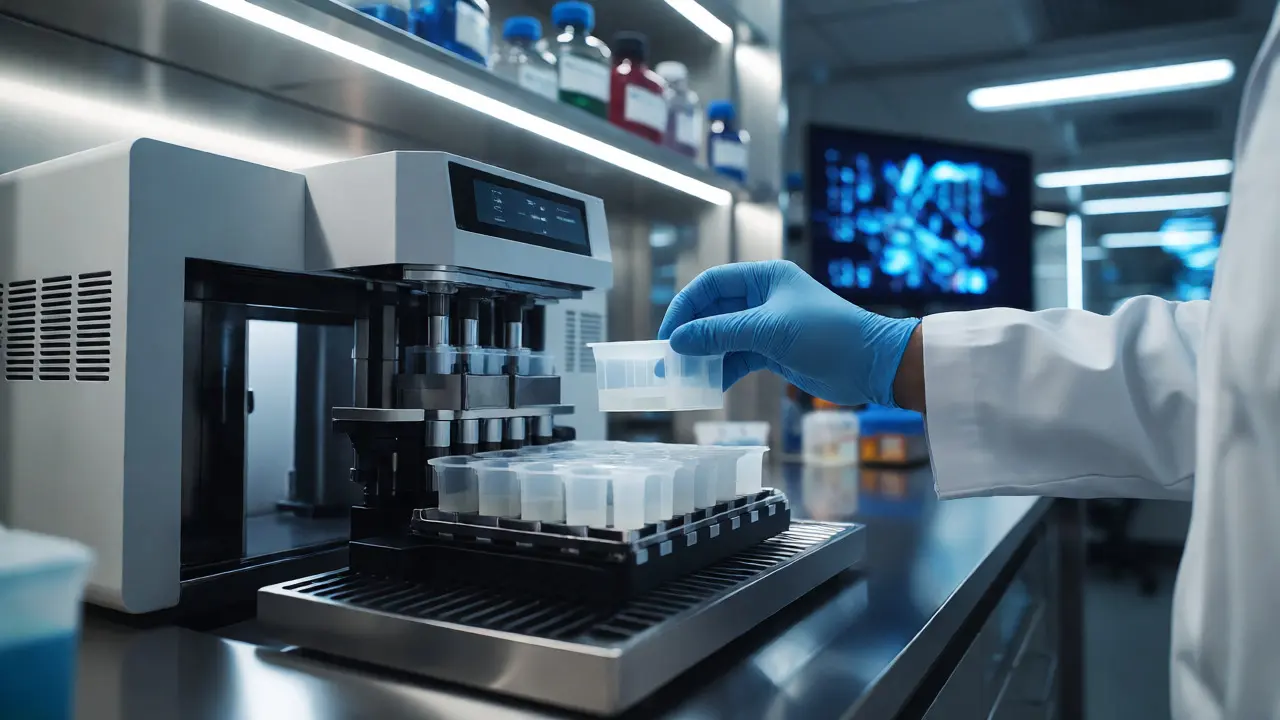
Toxicology Screening: What Tests Detect and How They Work
- By : Ian Brophy
- Date : Sep 28 2026
Discover how toxicology screening works, from rapid immunoassays to precise GC-MS confirmation. Learn what drugs are detected, common pitfalls, and how matrix choice impacts results.
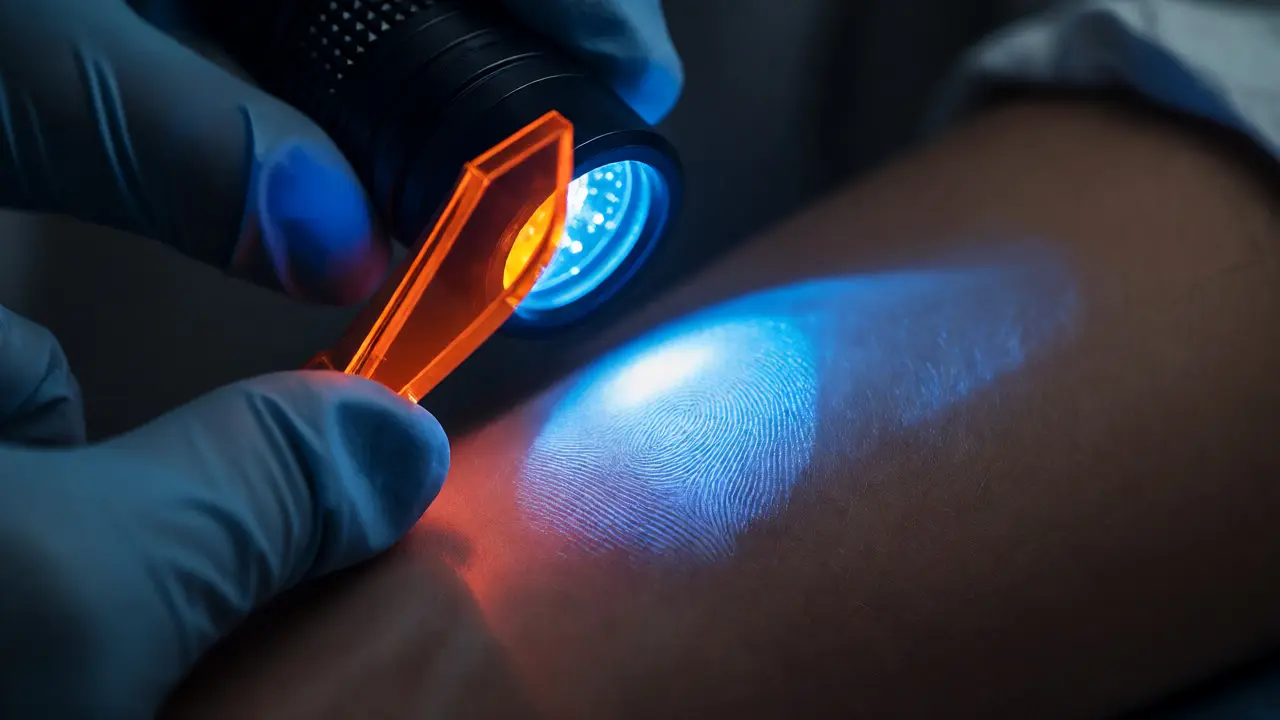
Skin Impressions: How to Detect Fingerprints on Human Skin
- By : Ian Brophy
- Date : Sep 27 2026
Learn how to detect fingerprints on human skin using ALS, fuming, and digital imaging. Discover why traditional powder fails and how to preserve fleeting evidence.
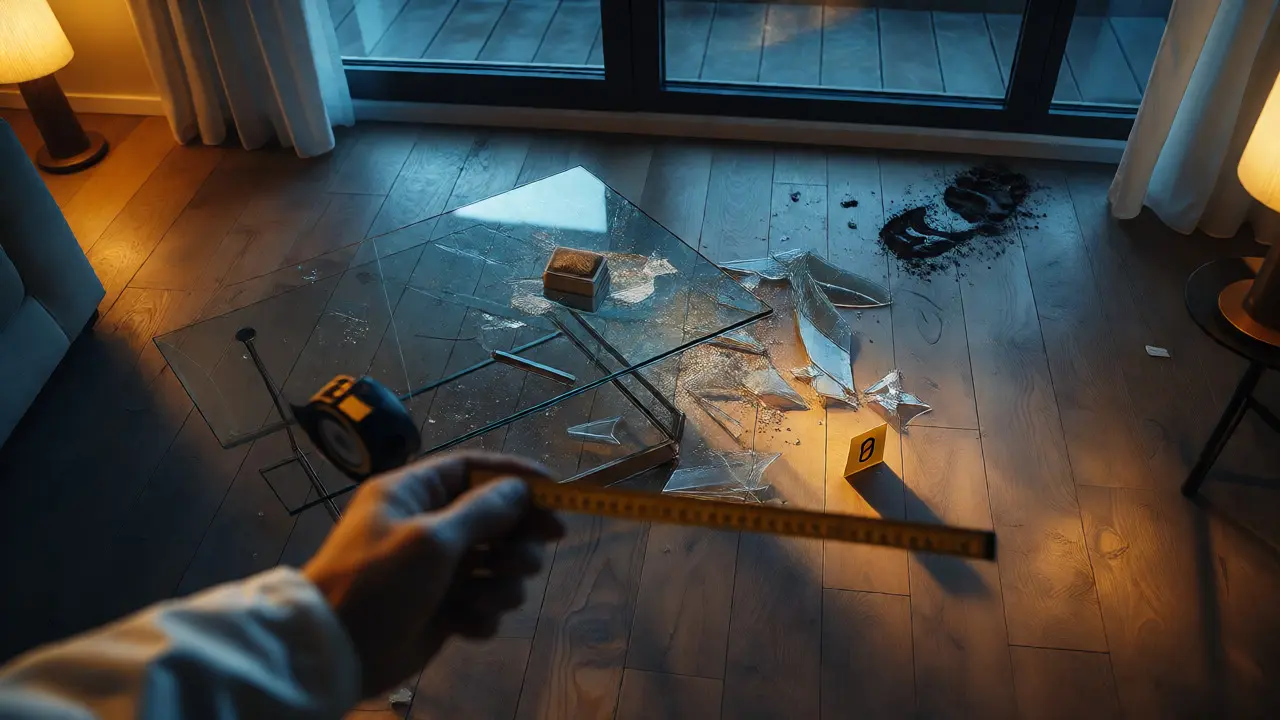
Scene Sketch Integration with Photographic Documentation: A Forensic Guide
- By : Ian Brophy
- Date : Sep 27 2026
Learn how to effectively integrate scene sketches with photographic documentation for accurate crime scene reconstruction. This guide covers workflows, tools, and common pitfalls to ensure your forensic evidence stands up in court.
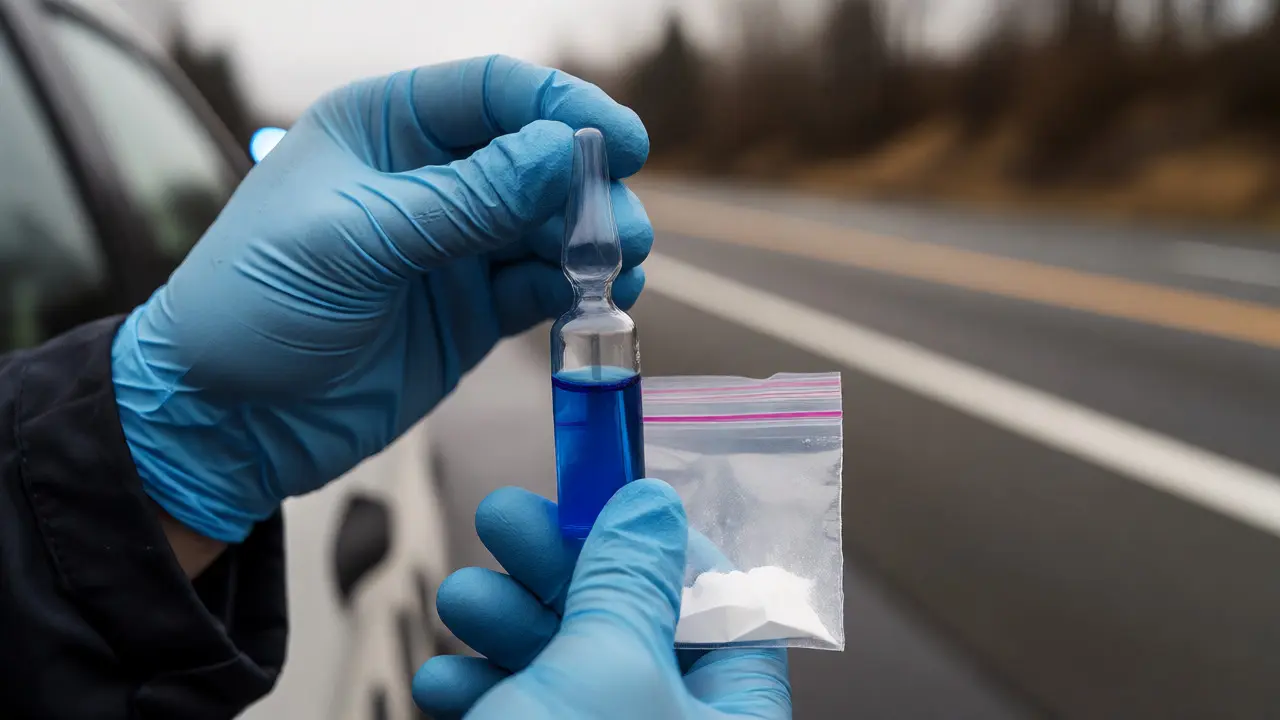
Field Drug Test Kits: Presumptive Evidence Explained
- By : Ian Brophy
- Date : Sep 26 2026
Field drug test kits offer rapid screening for law enforcement but serve only as presumptive evidence. Learn how colorimetric tests work, why false positives happen, and when lab confirmation is legally required.
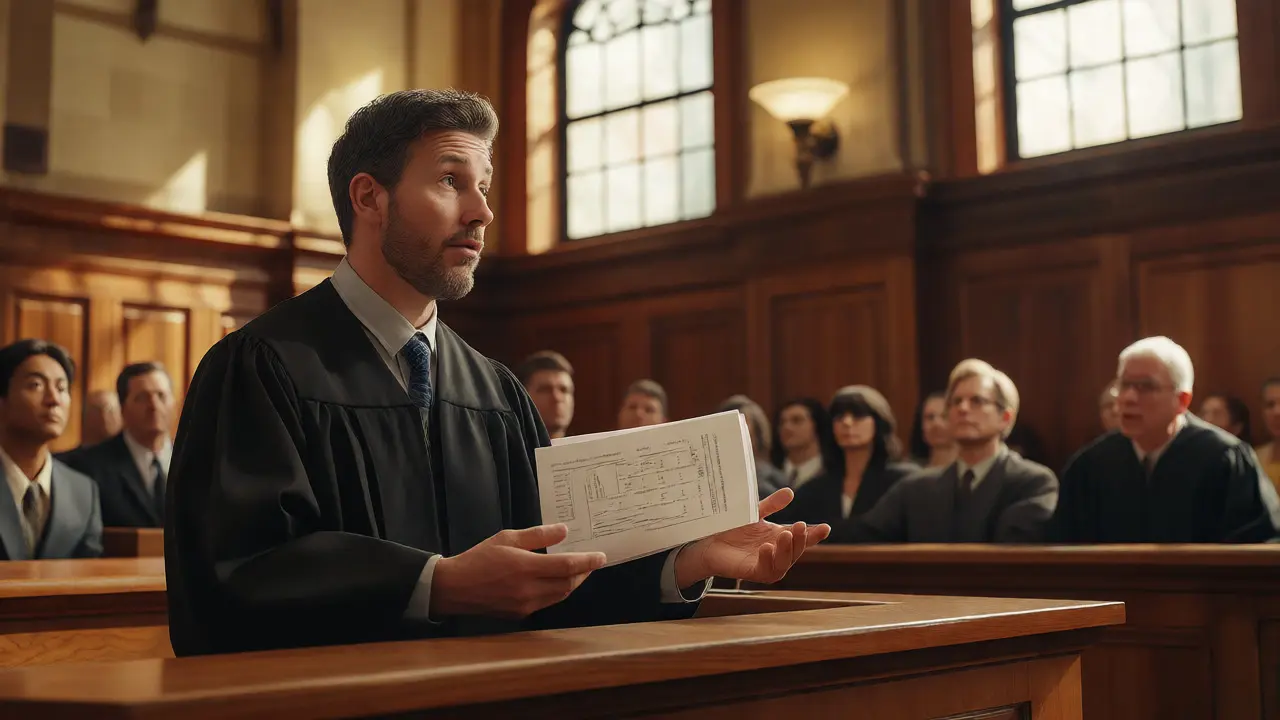
Toxicology Reporting: Clear Narratives for Non-Scientists
- By : Ian Brophy
- Date : Sep 26 2026
Learn how to transform complex forensic toxicology data into clear, compelling narratives for judges and juries. Master plain language techniques, visual aids, and structured reporting to ensure your expert testimony lands effectively.
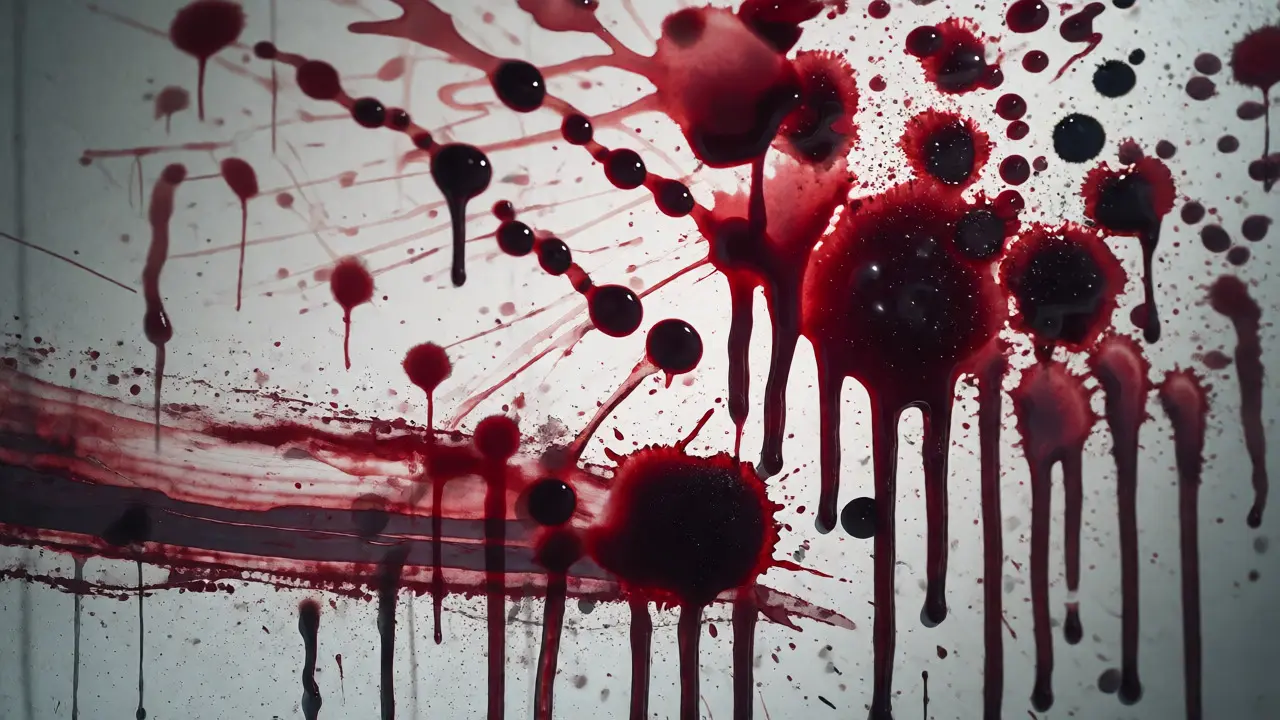
Multiple Attack Scenarios: Reconstructing Sequential Violence in Bloodstain Analysis
- By : Ian Brophy
- Date : Sep 25 2026
Reconstructing sequential violence in bloodstain analysis requires understanding superposition, drying times, and impact physics. Learn how to distinguish overlapping stains, map movement, and avoid common pitfalls in complex crime scenes.
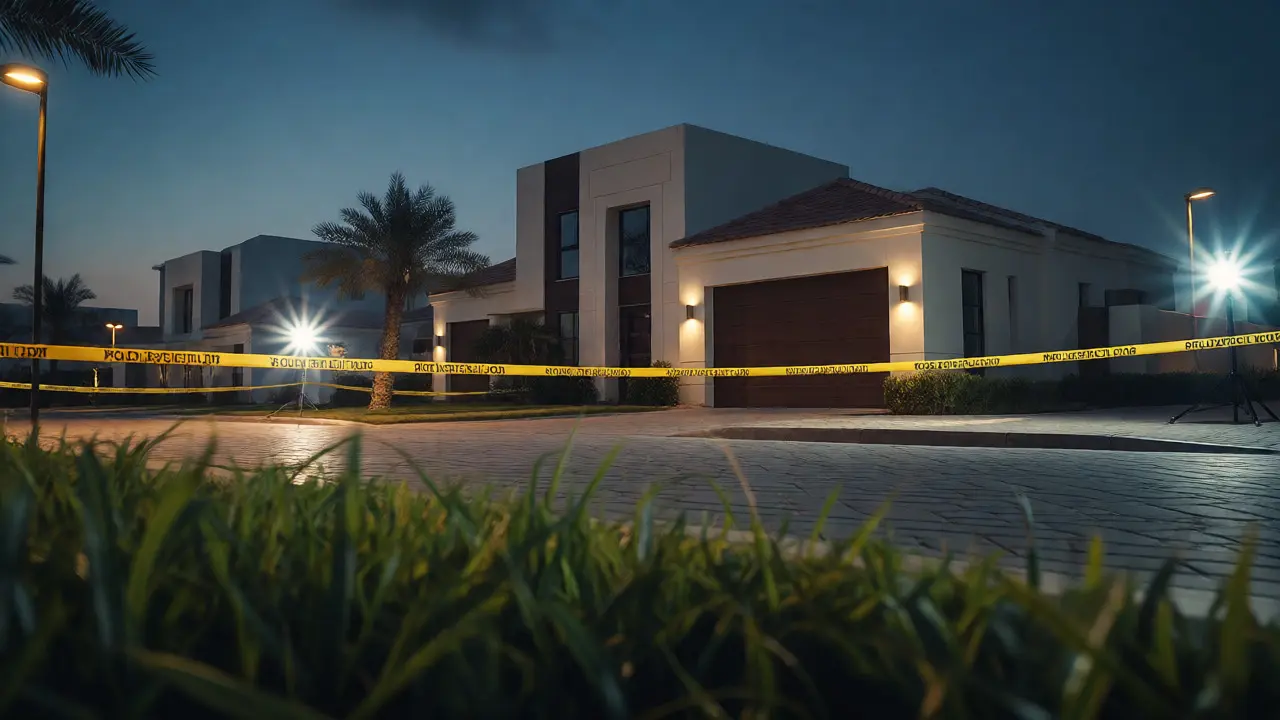
How Crime Scene Investigators Establish Scene Boundaries
- By : Ian Brophy
- Date : Sep 25 2026
Learn how crime scene investigators set effective boundaries to preserve evidence. Discover why starting big and shrinking later is the golden rule in forensics.
Forensic Genetic Genealogy: How DNA Solves Cold Cases
- By : Ian Brophy
- Date : Sep 25 2026
Discover how forensic genetic genealogy solves cold cases by linking crime scene DNA to public ancestry databases. Learn the step-by-step process, key tools, and ethical debates.

Poison Control Data: How Trends Shape Forensic Toxicology
- By : Ian Brophy
- Date : Sep 24 2026
Discover how poison control data informs forensic toxicology. Learn to track emerging drug trends, optimize testing panels, and interpret regional exposure patterns for better investigative outcomes.
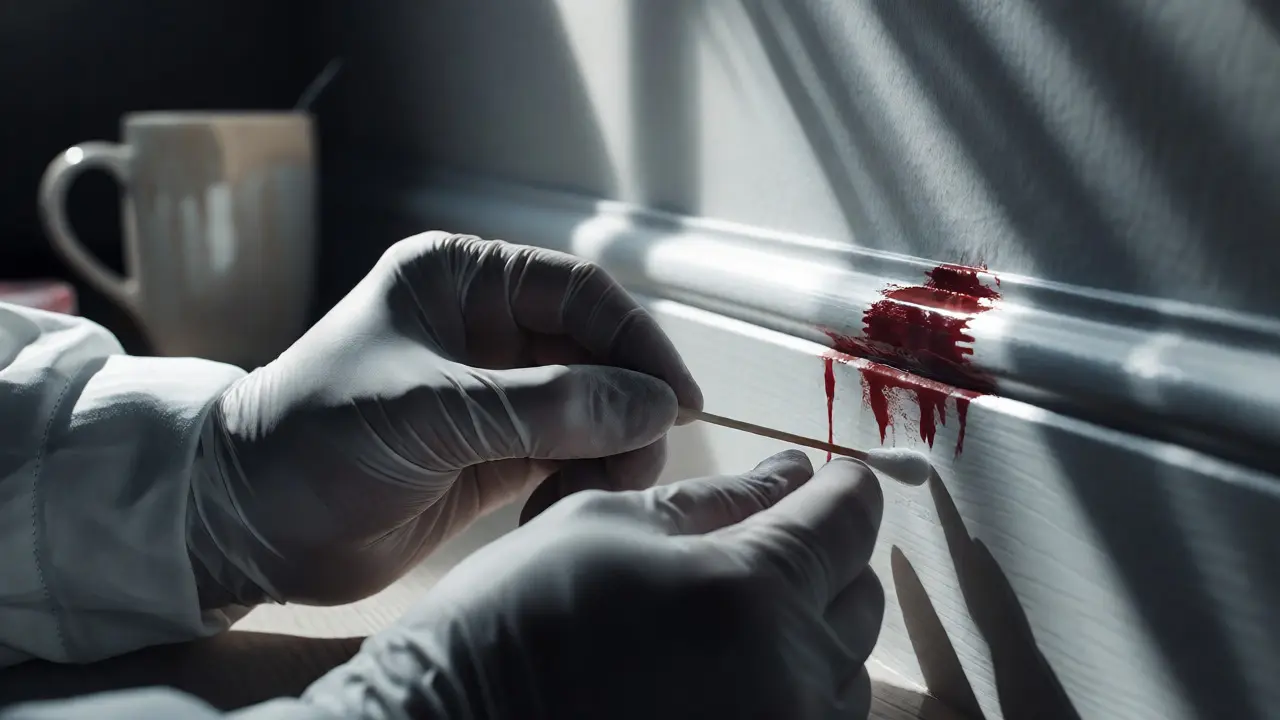
Biological Evidence Collection: A Practical Guide to Blood, Saliva, and Body Fluids
- By : Ian Brophy
- Date : Sep 24 2026
Master the essentials of biological evidence collection for blood, saliva, and body fluids. Learn critical rules like 'dry before bagging,' proper swabbing techniques, and chain of custody basics to preserve DNA integrity.
Plain Language Summaries: Writing Forensic Reports for Jurors and Attorneys
- By : Ian Brophy
- Date : Sep 23 2026
Learn how to write effective plain language summaries for forensic reports. Discover techniques to translate complex scientific data into clear conclusions for jurors and attorneys, avoiding common pitfalls.
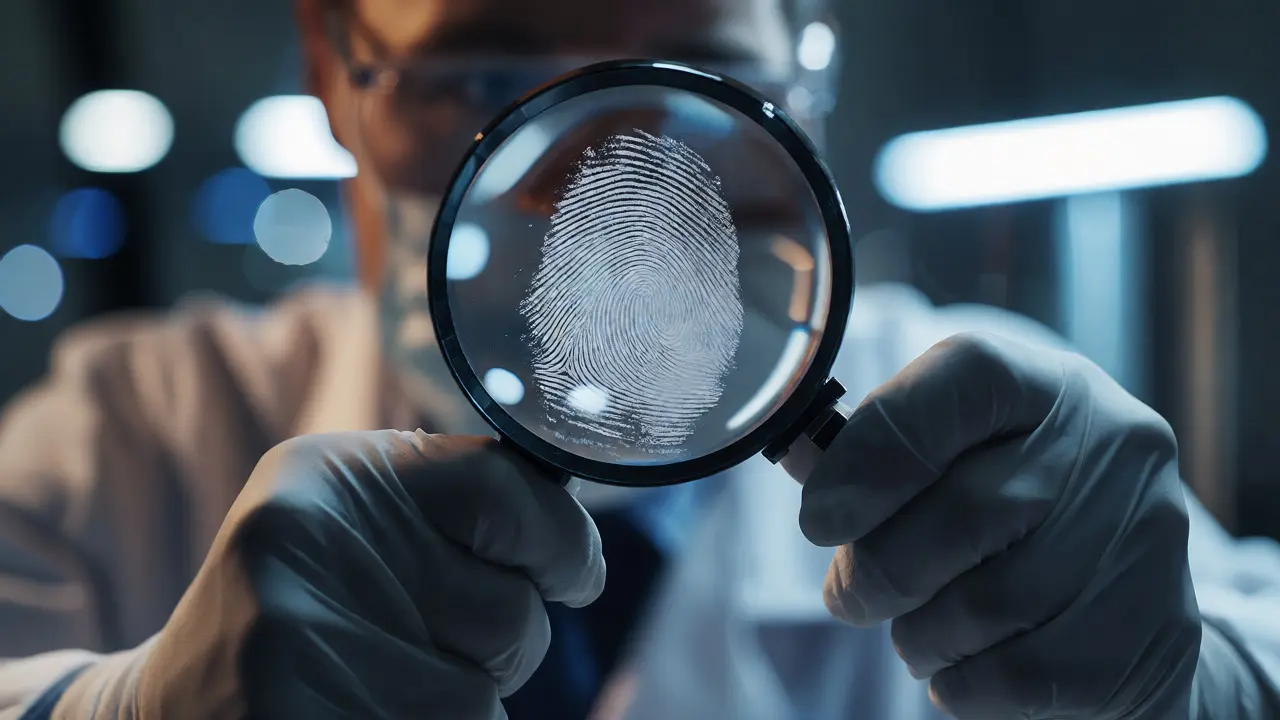
Error Rates in Fingerprint Identification: What the Research Really Says
- By : Ian Brophy
- Date : Sep 23 2026
Fingerprint identification isn't perfect. New research reveals actual error rates, showing how print quality and cognitive bias impact accuracy. Learn what the data means for forensic science.