Tag: forensic ballistics
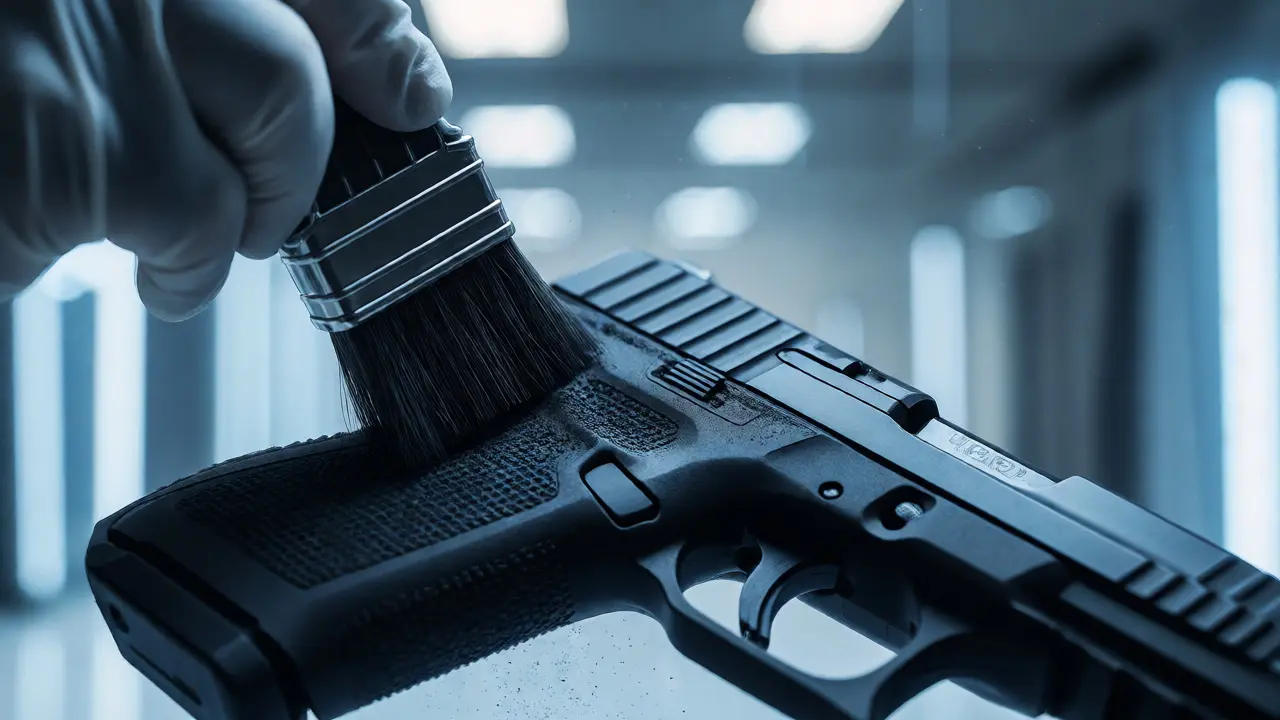
Fingerprints on Firearms: Collection and Analysis Guide
- By : Ian Brophy
- Date : Oct 6 2026
Discover the precise methods for collecting and analyzing fingerprints on firearms. Learn why gun substrates differ, the correct processing sequence, and how AFIS matches work.
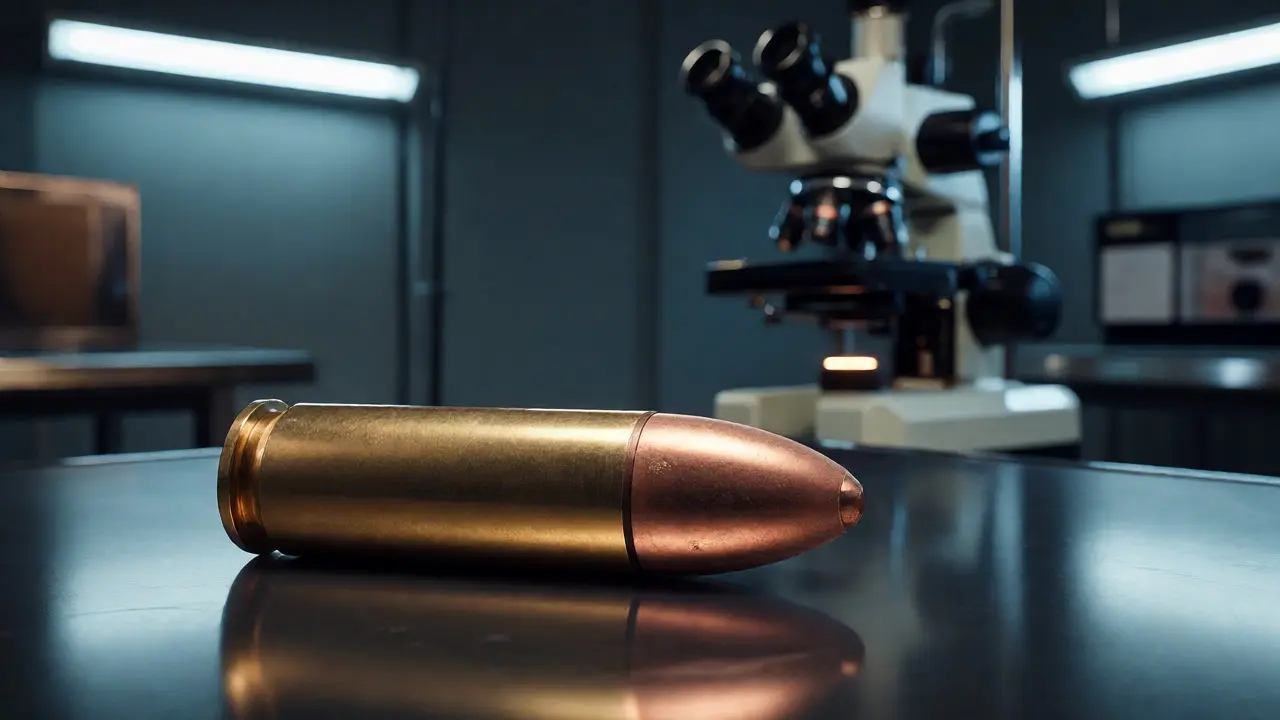
Bullet Comparison: Striation Analysis and Matching Explained
- By : Ian Brophy
- Date : Sep 27 2026
Discover how bullet comparison and striation analysis link firearms to crime scenes. Learn about the role of the comparison microscope, the impact of polygonal rifling, and the limits of current forensic standards.
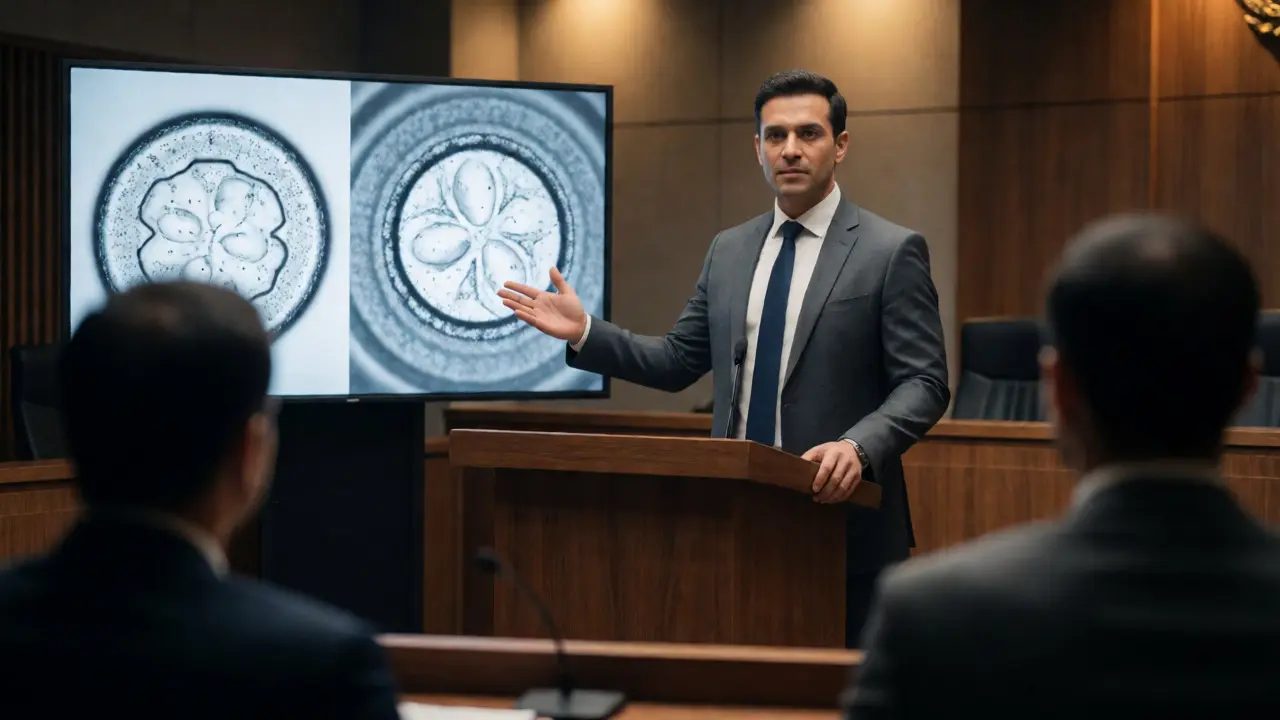
Expert Testimony: Presenting Ballistics Evidence in Court
- By : Ian Brophy
- Date : Sep 8 2026
Learn how to translate complex ballistics data into compelling courtroom testimony. Discover tips on simplifying jargon, managing cross-examination, and using visual aids effectively.
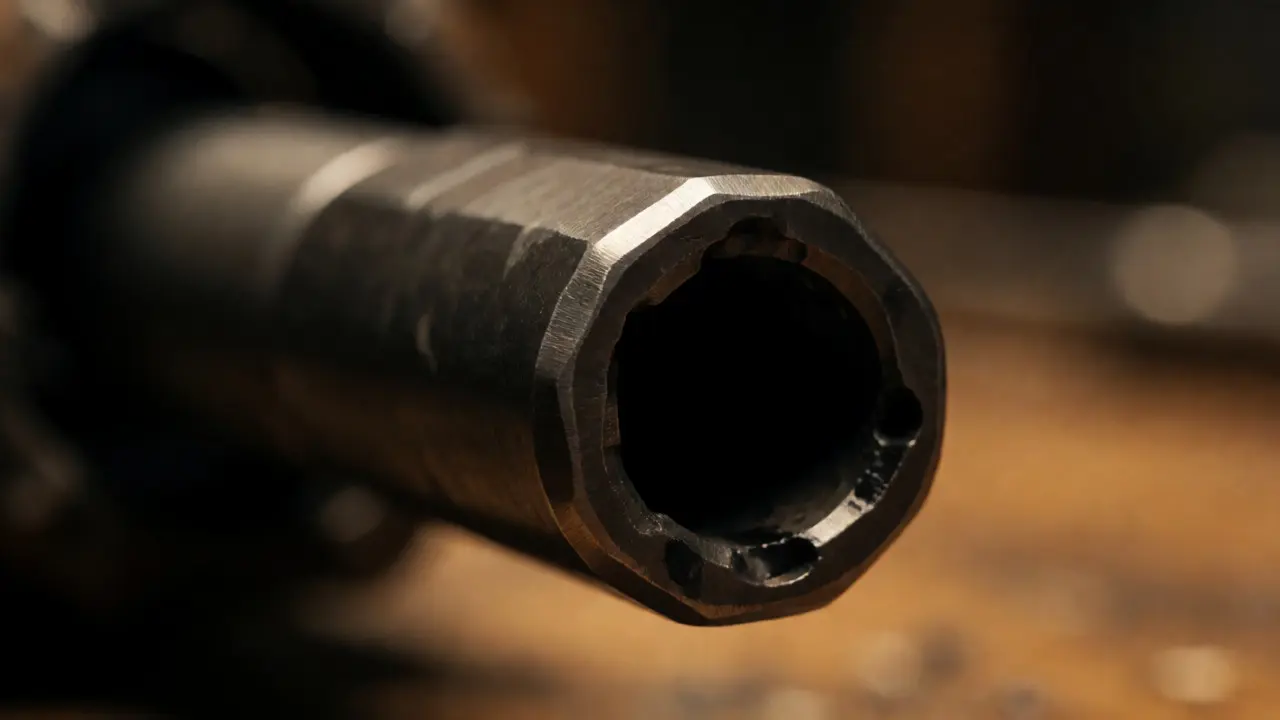
Firearm Maintenance Marks: A Guide to Identifying Weapon Condition
- By : Ian Brophy
- Date : Sep 5 2026
Learn to read firearm maintenance marks to assess weapon condition. Discover how barrel wear, finish patina, and wood grain reveal cleaning habits and potential safety issues.
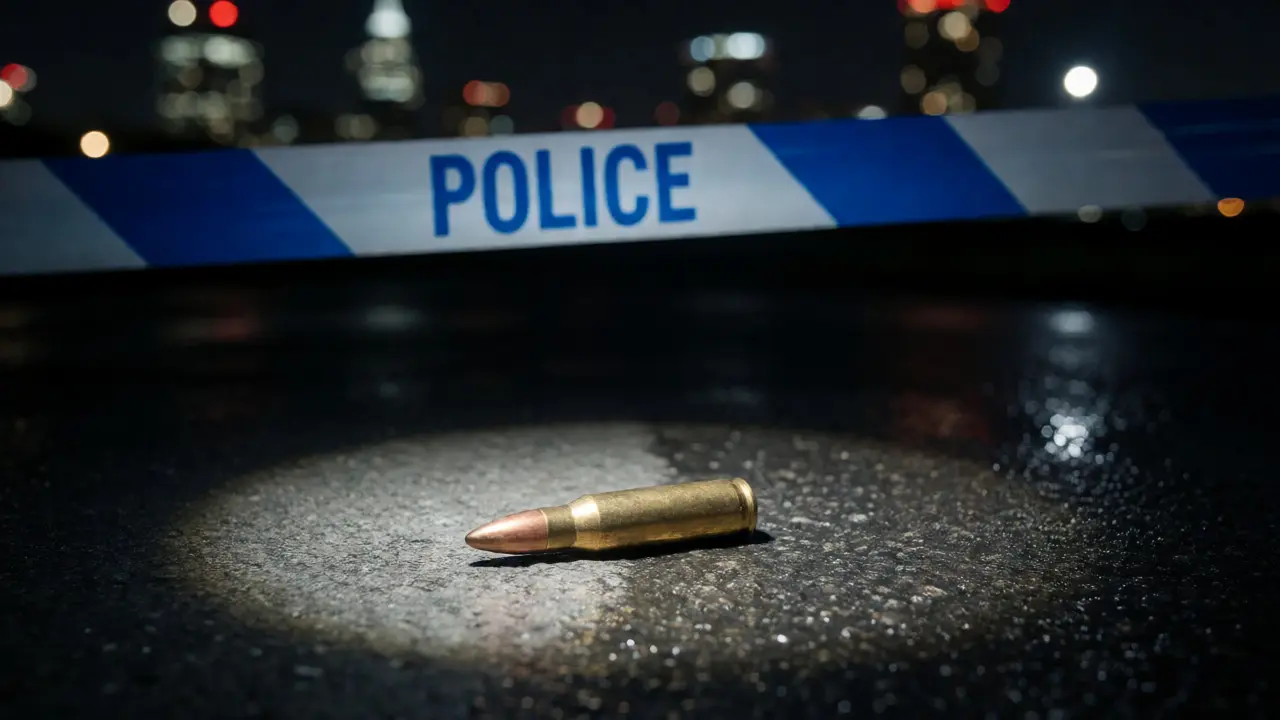
NIBIN Leads: From Entry to Investigative Action
- By : Ian Brophy
- Date : Sep 5 2026
Discover how NIBIN transforms ballistic evidence into actionable intelligence. Learn the workflow from scanning cartridge cases to confirming matches and solving crimes.
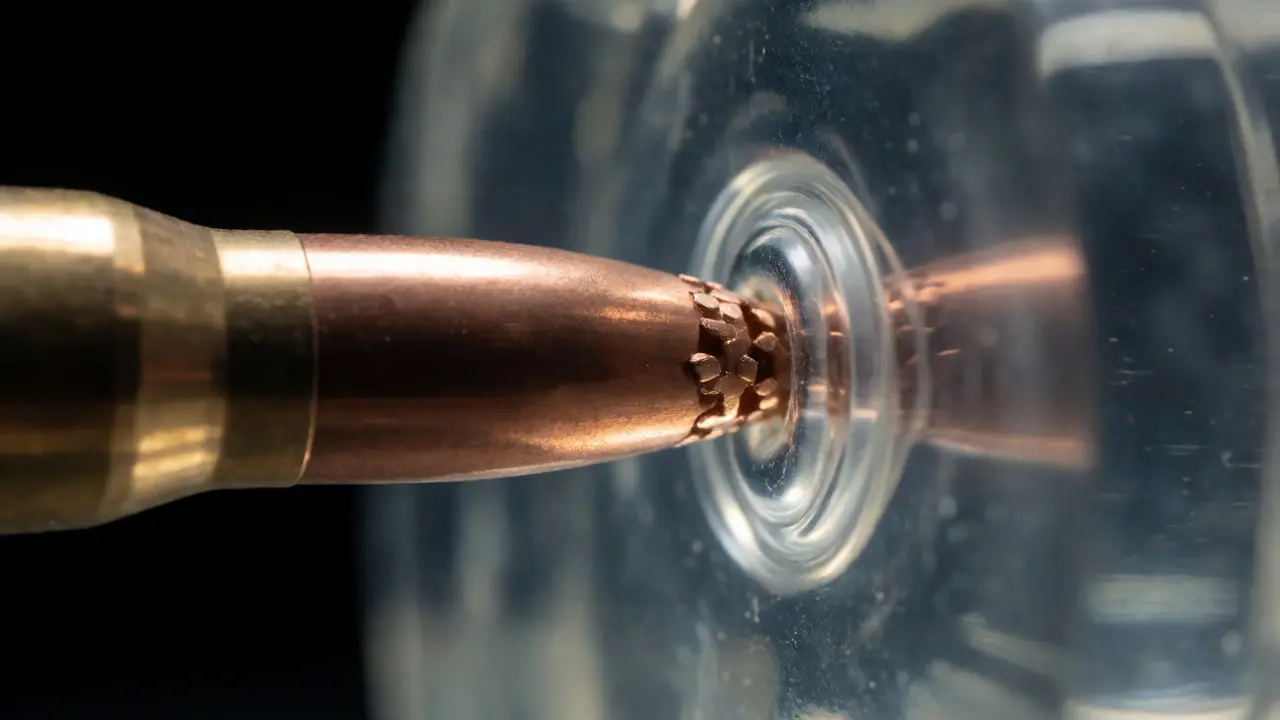
Bullet Fragmentation: Understanding Bullet Behavior in Ballistics
- By : Ian Brophy
- Date : Aug 30 2026
Discover how bullet fragmentation impacts terminal ballistics, forensic analysis, and shooting effectiveness. Learn the physics behind why bullets break and how to choose the right ammo.
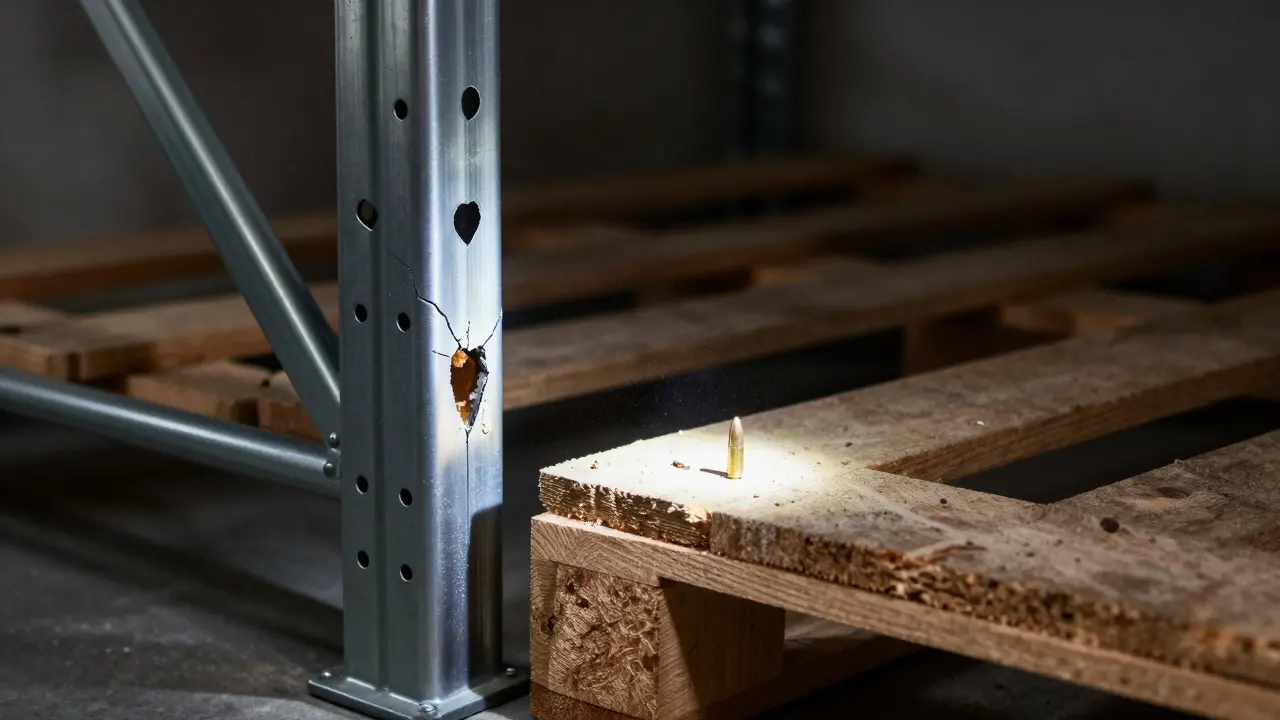
Ricochet Analysis: How to Trace Secondary Projectile Paths in Forensics
- By : Ian Brophy
- Date : Aug 17 2026
Learn how forensic experts trace secondary projectile paths after a ricochet. We cover physics, tools, and common pitfalls in reconstructing complex shooting scenes.
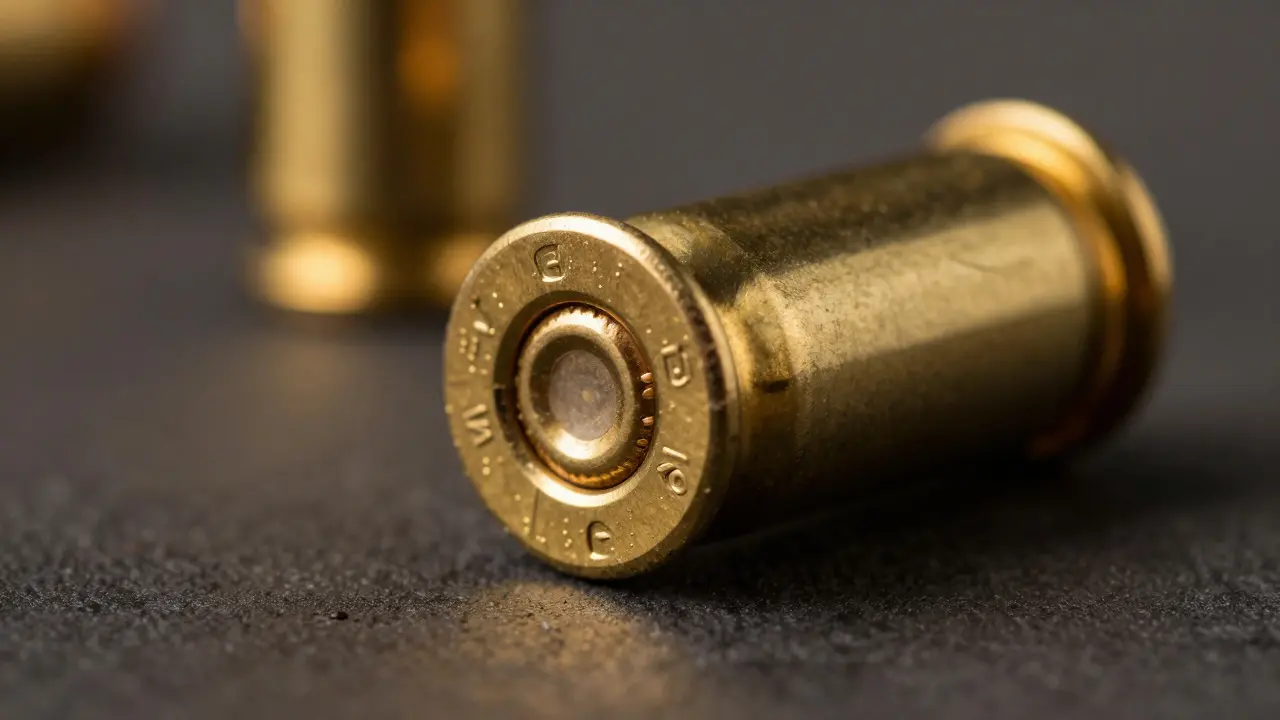
Cartridge Case Examination: Identifying Firing Pin and Ejector Marks
- By : Ian Brophy
- Date : Aug 17 2026
Learn how forensic examiners identify firearms using firing pin and ejector marks on cartridge cases. Discover the science, tools, and legal standards behind this critical ballistics technique.
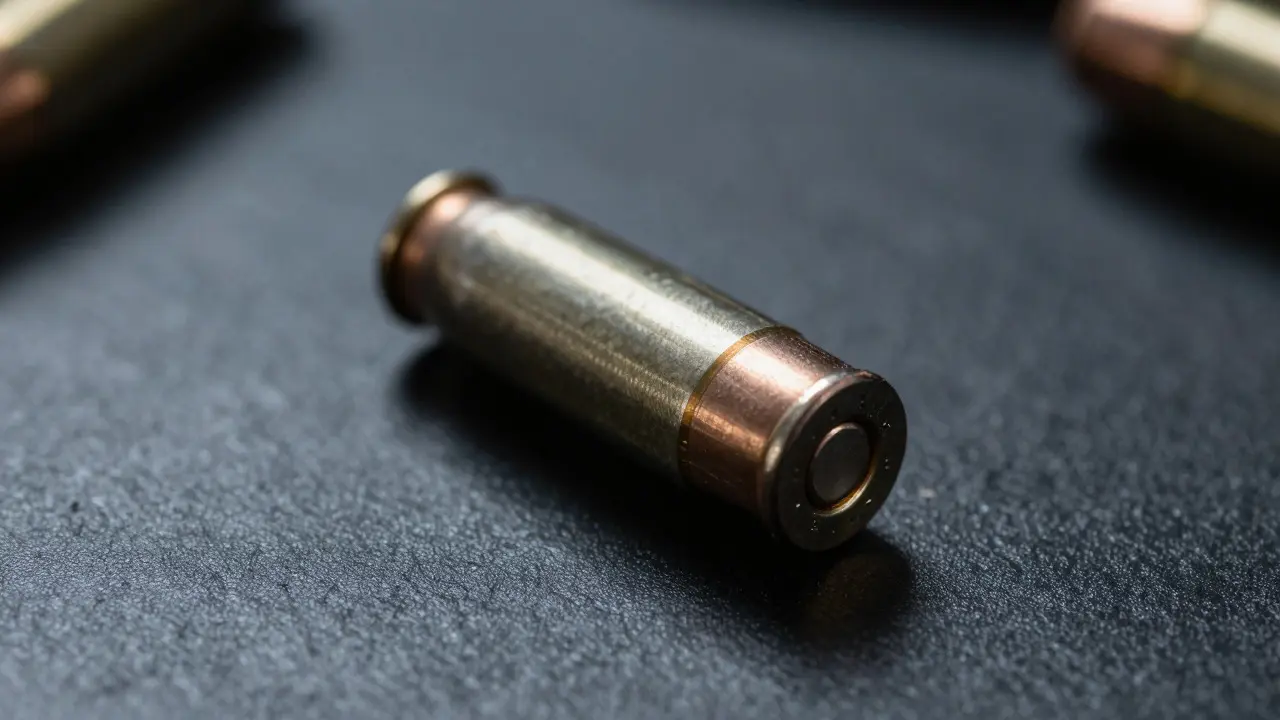
Class Characteristics: How Forensic Experts Identify Firearm Types from Bullets
- By : Ian Brophy
- Date : Aug 17 2026
Learn how forensic experts use class characteristics like caliber and rifling to identify the type of firearm that fired a bullet. Understand the difference between class and individual marks.
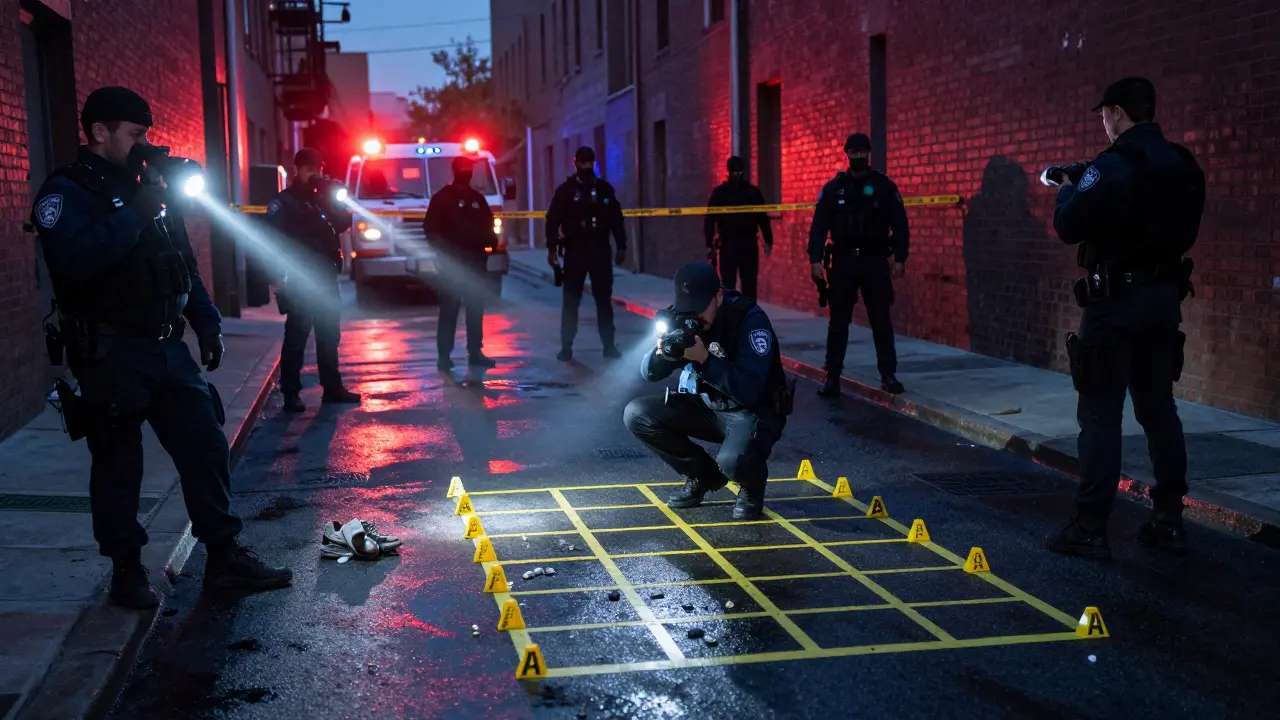
Gang-Related Homicide Investigation: Specific Methods & Protocols
- By : Ian Brophy
- Date : Aug 17 2026
Explore the specific methods used in investigating gang-related homicides, from scene management to digital forensics and intelligence-driven tactics.
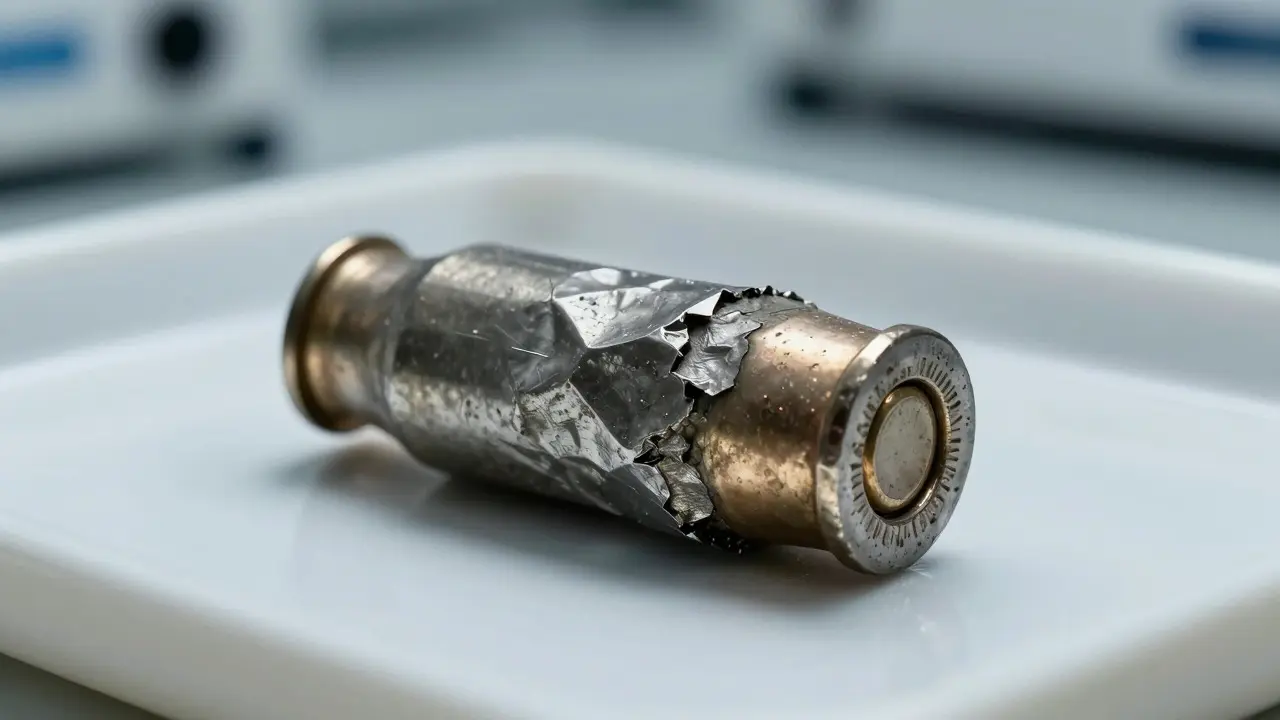
3-D Ballistic Imaging: How Advanced Bullet Comparison Technology Works
- By : Ian Brophy
- Date : Aug 17 2026
Discover how 3-D ballistic imaging revolutionizes forensic ballistics by replacing subjective visual checks with precise, data-driven bullet comparisons.
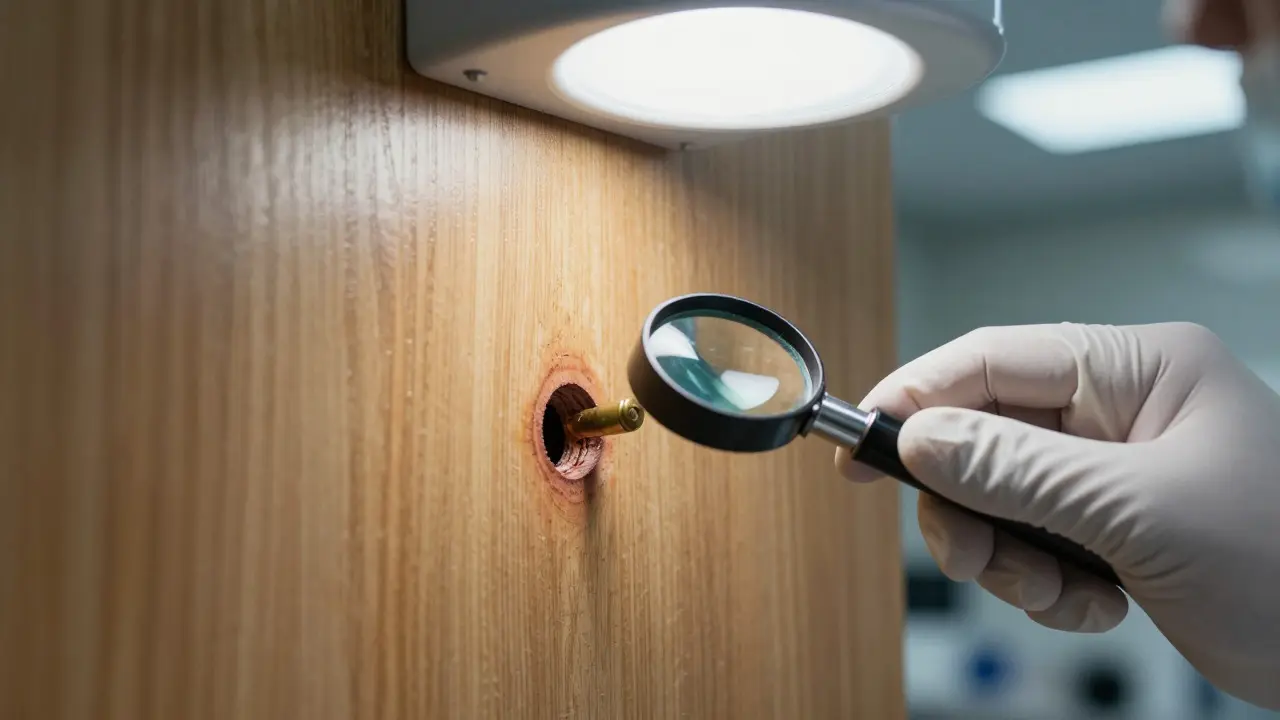
Muzzle-to-Target Distance Analysis: A Forensic Ballistics Guide
- By : Ian Brophy
- Date : Aug 17 2026
Learn how forensic experts determine muzzle-to-target distance using GSR analysis, wound morphology, and visual cues. Essential guide for understanding ballistic evidence.