You pick up a used rifle at a local shop or inherit an old shotgun from a relative. It looks fine on the outside, but is it safe? Is it well-kept? The answer isn't always in the price tag or the seller's smile. It's written in the metal itself. Firearm maintenance marks are the subtle physical clues left behind by cleaning, neglect, and use. They tell you whether a gun was lovingly cared for or just haphazardly wiped down before being sold.
For collectors, hunters, and even law enforcement investigators, reading these signs is a critical skill. You don't need a lab coat to spot them, but you do need to know what to look for. Let's break down how to assess a weapon's true condition by examining its history of care.
The Barrel: The Heartbeat of Firearm Care
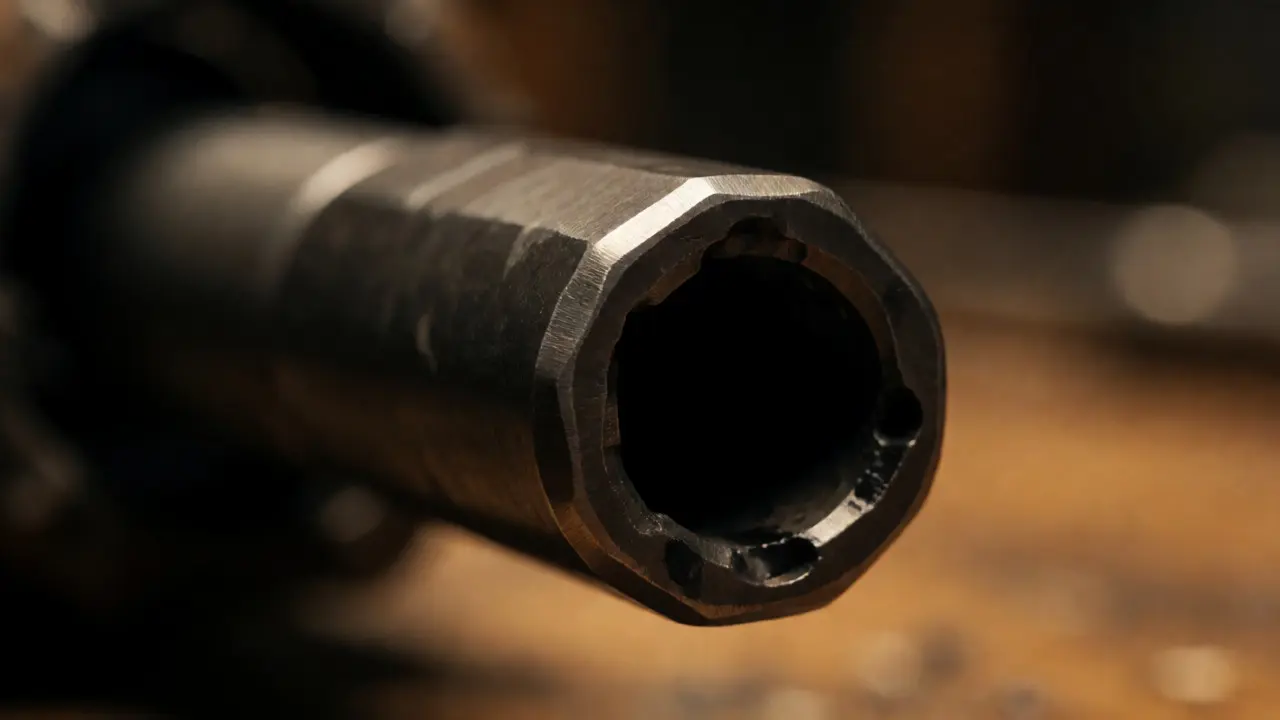
The barrel is where most of the action happens, and it’s where most of the damage occurs if neglected. When you inspect a barrel, the cylindrical tube through which a projectile travels, you aren't just looking for rust. You're looking for evidence of proper cleaning techniques versus aggressive scrubbing.
Start with the bore. A well-maintained barrel will have a uniform finish. If you see uneven dark patches or pitting, that’s often a sign of long-term corrosion or improper storage. But here’s the tricky part: some wear is normal. Look for "fouling"-residue from lead or copper jackets. Heavy fouling isn’t necessarily bad; it just means the gun hasn’t been cleaned recently. However, deep scratches running parallel to the rifling can indicate that someone used a steel brush too aggressively. Steel brushes are durable, but they can mar the softer steel of older barrels if used incorrectly.
Check the crown, the very edge of the muzzle. This area is sensitive because any nick or burr here can deflect bullets and ruin accuracy. If the crown looks jagged or has shiny spots inconsistent with the rest of the barrel, it might have been dropped or cleaned with a hard object jammed against it. A smooth, chamfered crown suggests careful handling. Conversely, a rough crown is a red flag for poor maintenance habits.
Metal Finishes: Bluing, Plating, and Patina
The exterior metal tells a different story than the interior. Most modern firearms feature some form of protective coating, such as bluing or nickel plating. These finishes protect against oxidation, but they also record how the gun was handled.
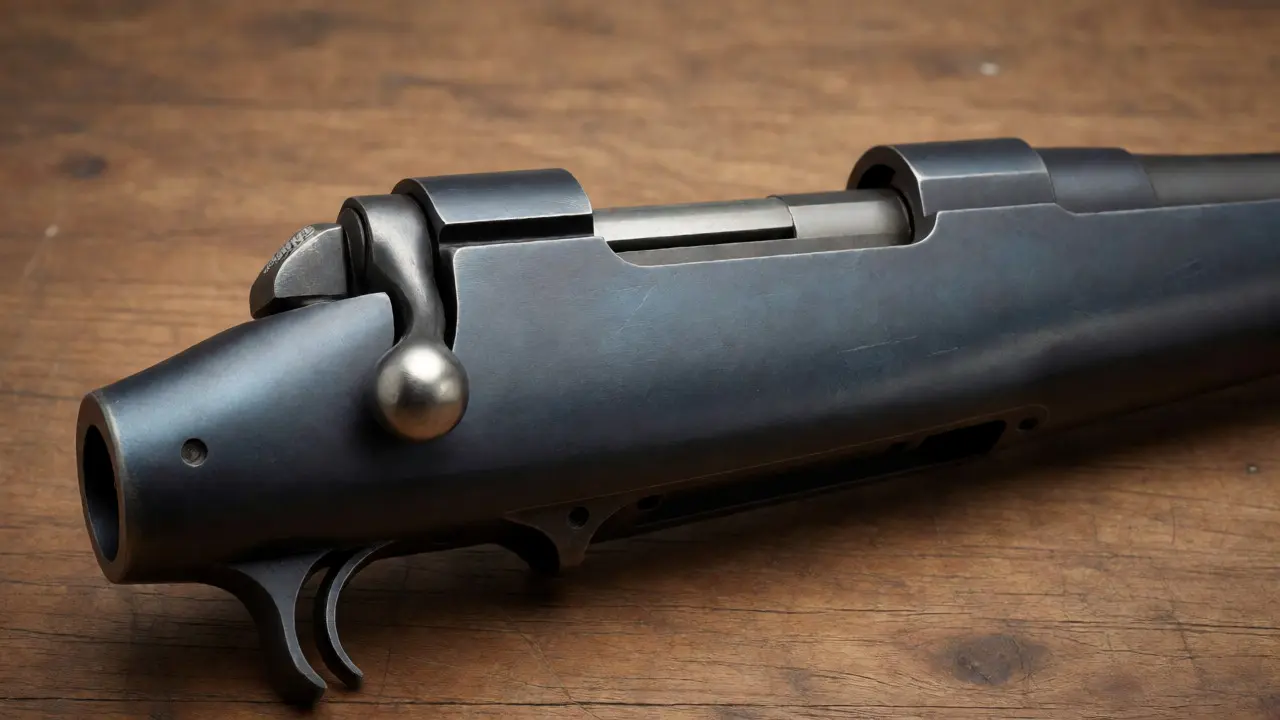
Bluing is a chemical conversion coating that turns the surface of steel into magnetite, providing some rust resistance and a black appearance. Over time, good bluing fades evenly. If you see patchy areas where the blue has rubbed off completely, exposing bright silver steel, think about where those rubs are located. Rubs on the bolt handle or safety lever are normal friction points. But extensive rubbing on the sides of the receiver might suggest the gun was constantly shoved into a tight holster or case without protection.
Nickel-plated guns offer another clue. Nickel is harder than bluing but more brittle. If you notice flaking or chipping rather than gradual wear, the plating may be failing due to age or exposure to harsh chemicals. Using strong solvents like acetone or brake cleaner on nickel can strip it away quickly. So, if the plating looks thin or bubbled, the previous owner likely used aggressive cleaners that stripped the protective layer, leaving the underlying steel vulnerable to rust.
| Wear Pattern | Likely Cause | Impact on Value |
|---|---|---|
| Even Fading | Normal aging and light use | Low (adds character) |
| Localized Polishing | Over-cleaning or abrasive pads | Medium (looks unnatural) |
| Rust Pitting | Humidity exposure / lack of oil | High (structural risk) |
| Chemical Stripping | Harsh solvent misuse | Medium-High (finish compromised) |
Wood Stocks: Moisture, Oil, and Cracks
If your firearm has wood furniture, the stock becomes a diary of environmental conditions. Wood reacts to humidity and temperature changes. A well-maintained stock should feel smooth and slightly warm, not sticky or dry.
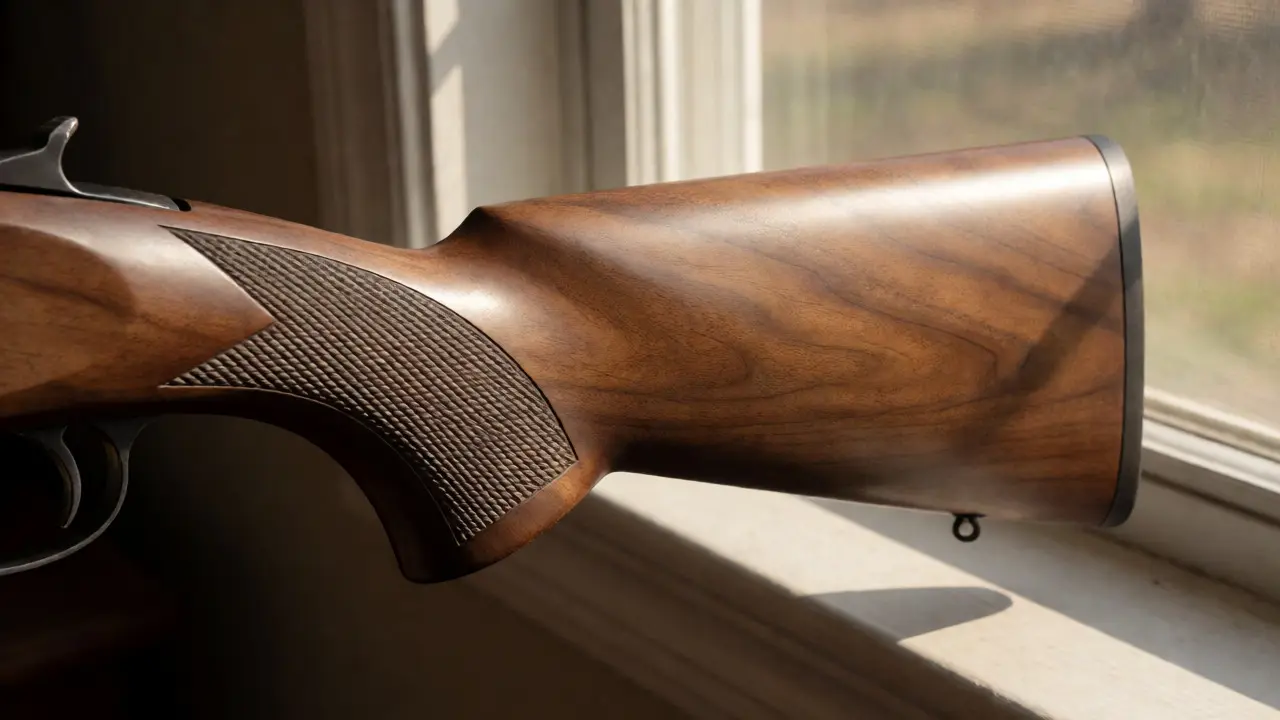
Look for the color consistency. Darker stains near the grip or trigger guard are natural oils transferred from hands. That’s a good sign-it means the wood was absorbing natural skin oils or was properly oiled. However, if the wood looks grey or silvery, it has been exposed to UV light and moisture for too long. This is common in guns stored in attics or barns. Grey wood is dry and brittle. It cracks easily under recoil.
Check the checkering-the diamond-shaped patterns cut into the grip. Sharp, clean edges mean the stock hasn’t been sanded down or heavily refinished. Rounded-off checkering suggests heavy use or poor restoration attempts. Also, look for hairline cracks around the tang (where the metal meets the wood). Small stress cracks are common in older guns, but wide gaps indicate that the bedding has failed or the wood has warped significantly. Warped wood affects the fit between the metal action and the stock, which can alter the point of impact.
Action and Moving Parts: Lubrication vs. Grit
Open the action. Whether it’s a bolt-action rifle or a semi-automatic pistol, the moving parts reveal the lubrication history. Proper maintenance involves applying a light film of oil or grease to reduce friction. Neglect leads to metal-on-metal contact and wear.
Inspect the bolt lugs and rails. You want to see a slight sheen of oil, not a thick sludge. Thick, dark gunk mixed with dust and powder residue indicates that the gun wasn’t cleaned regularly. This grit acts like sandpaper, accelerating wear on critical components. On the other hand, if the metal looks bone-dry and squeaky when operated, the gun has likely run without enough lubrication. Dry operation causes heat buildup and increases the chance of seizure during firing.
Pay attention to the trigger mechanism. A gritty trigger pull often stems from debris accumulation rather than mechanical failure. Cleaning out the trigger group usually fixes this. However, if the sear engagement surfaces show visible grooves or deformation, that’s permanent wear from years of use or poor adjustment. In high-volume shooting scenarios, like competitive sports, this wear is expected. For a hunting rifle that sees limited use, significant sear wear might indicate hidden abuse.
Evidence of Improper Cleaning Techniques
Not all maintenance marks come from neglect. Some come from doing too much-or the wrong kind. Many owners believe that scrubbing harder makes a gun cleaner. Unfortunately, this often leaves specific signatures.
One common mistake is using a wire brush on a brass chamber. Brass is softer than steel. Aggressive brushing can leave vertical scratches inside the chamber. While minor, deep scratches can trap carbon and make future cleaning harder. Another issue is over-oiling. Excess oil attracts dirt. If you find pools of oil in the bottom of the magazine well or around the ejection port, the owner likely applied oil liberally and didn’t wipe it down. This creates a sticky mess that gums up the action.
Also, look for tool marks. Did someone try to fix a loose screw with a mismatched screwdriver? Slotted screws with rounded heads or gouges around the slot suggest amateur repairs. Similarly, if the barrel threads (on removable barrels) look cross-threaded or burred, someone forced a component back together incorrectly. These small details paint a picture of the owner’s technical competence.
Practical Inspection Checklist
When you’re evaluating a firearm’s condition based on maintenance marks, follow this structured approach to ensure you don’t miss anything.
- Bore Inspection: Use a flashlight and a bore snake. Check for uniformity, absence of deep pitting, and clean rifling lines.
- Crown Check: Run a cotton swab across the muzzle. It should pass smoothly without catching on nicks.
- Finish Evaluation: Compare wear patterns to known friction points. Ensure fading is consistent with usage, not abrasion.
- Wood Condition: Look for cracks, warping, and loss of checkering sharpness. Smell for mildew if possible.
- Action Function: Cycle the action slowly. Listen for grinding sounds and feel for excessive resistance.
- Screw Integrity: Check all visible screws for stripping or replacement mismatches.
Remember, no gun is perfect unless it’s brand new. The goal isn’t to find a pristine artifact but to determine if the wear matches the claimed history. A well-loved gun with honest wear is often a better buy than a refurbished one hiding structural flaws.
Frequently Asked Questions
What are the most dangerous maintenance marks to ignore?
Deep pitting in the bore and cracks in the stock near the tang are the most critical. Bore pitting reduces pressure containment capabilities, while stock cracks can cause the action to shift unexpectedly, leading to injury or missed shots.
Can I fix cosmetic maintenance marks myself?
Yes, many cosmetic issues like light surface rust or dirty actions can be addressed with proper cleaning kits. However, re-bluing or refinishing wood requires professional skills. Attempting these yourself can sometimes lower the value of collectible firearms.
Do all firearms show maintenance marks equally?
No. Stainless steel and polymer-framed pistols hide wear better than blued steel rifles. Synthetic stocks resist moisture damage better than walnut. The material composition significantly influences how visibly maintenance habits affect the firearm.
How does humidity affect firearm maintenance marks?
High humidity accelerates oxidation, leading to faster rust formation on unprotected metal. It also causes wood to swell, potentially loosening fittings. In dry climates, wood may shrink and crack. Both extremes leave distinct physical traces on the firearm.
Is a shiny bore always a sign of good maintenance?
Not necessarily. A mirror-like shine can result from aggressive polishing that removed too much metal, altering the bore diameter. A healthy bore has a matte-to-satin finish with clear, sharp rifling edges. Shiny spots might indicate uneven wear or improper cleaning tools.