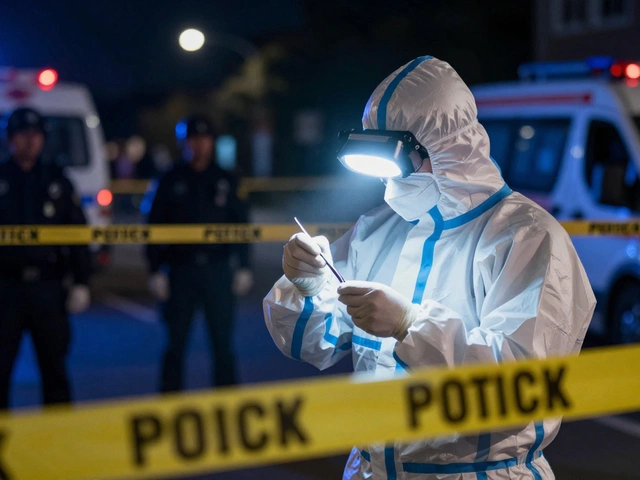
Tag: trace evidence
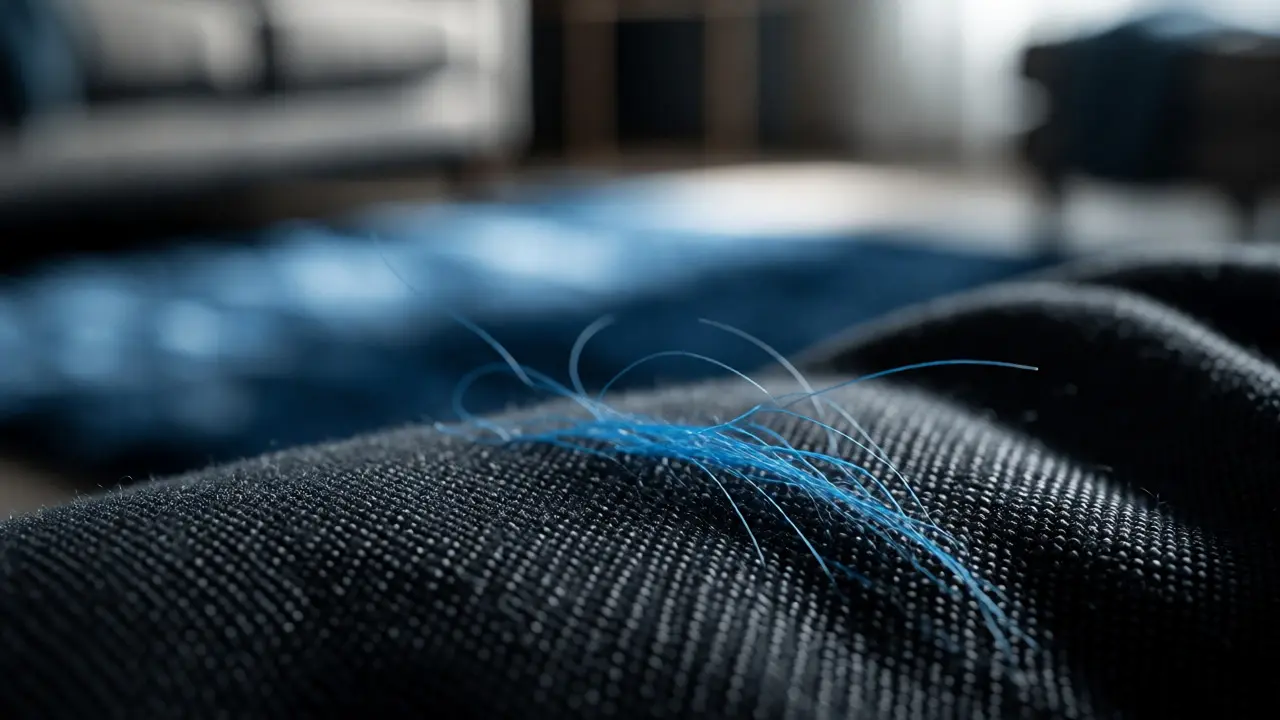
Reporting Trace Evidence: Significance and Limitations
- By : Ian Brophy
- Date : Nov 18 2026
Discover how to interpret trace evidence reports, distinguishing between 'indistinguishable' and 'identical.' Learn the significance, limitations, and real-world application of fibers, glass, and paint in forensic cases.
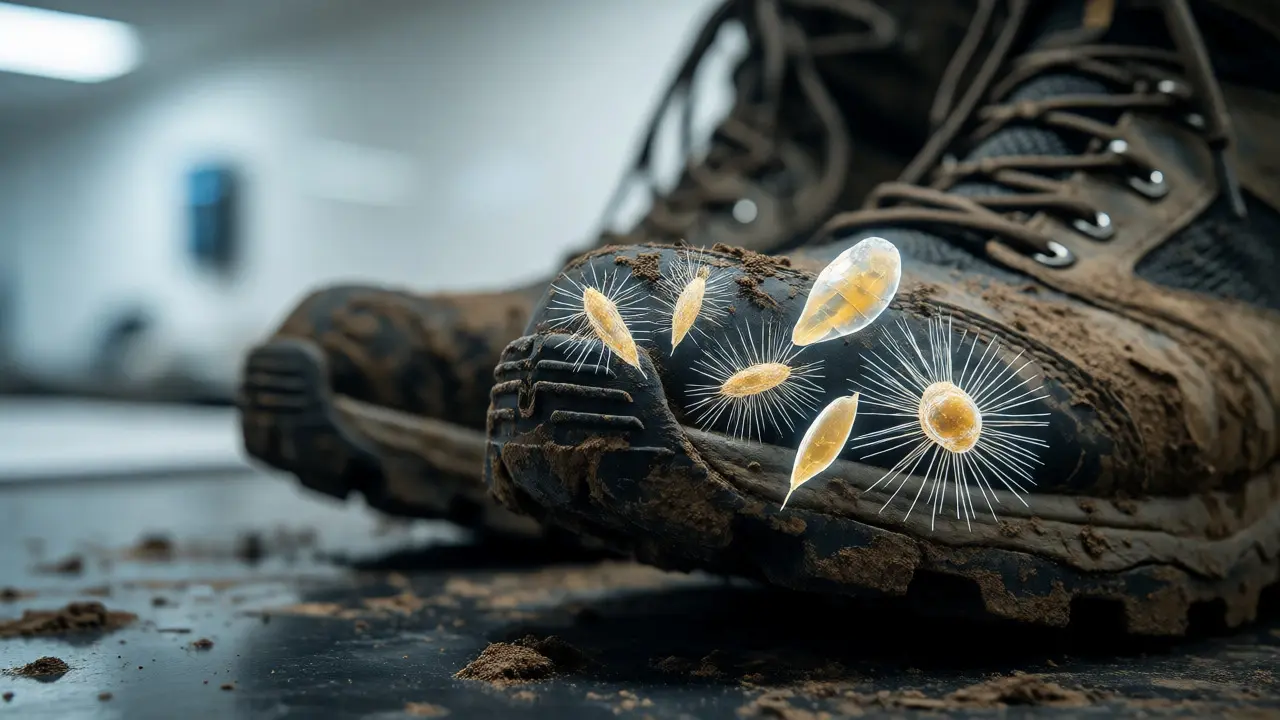
Pollen and Spore Evidence: How Palynology Links Suspects to Locations
- By : Ian Brophy
- Date : Nov 11 2026
Discover how palynology uses pollen and spore evidence to link suspects to crime scenes. Learn about collection methods, limitations, and real-world applications.
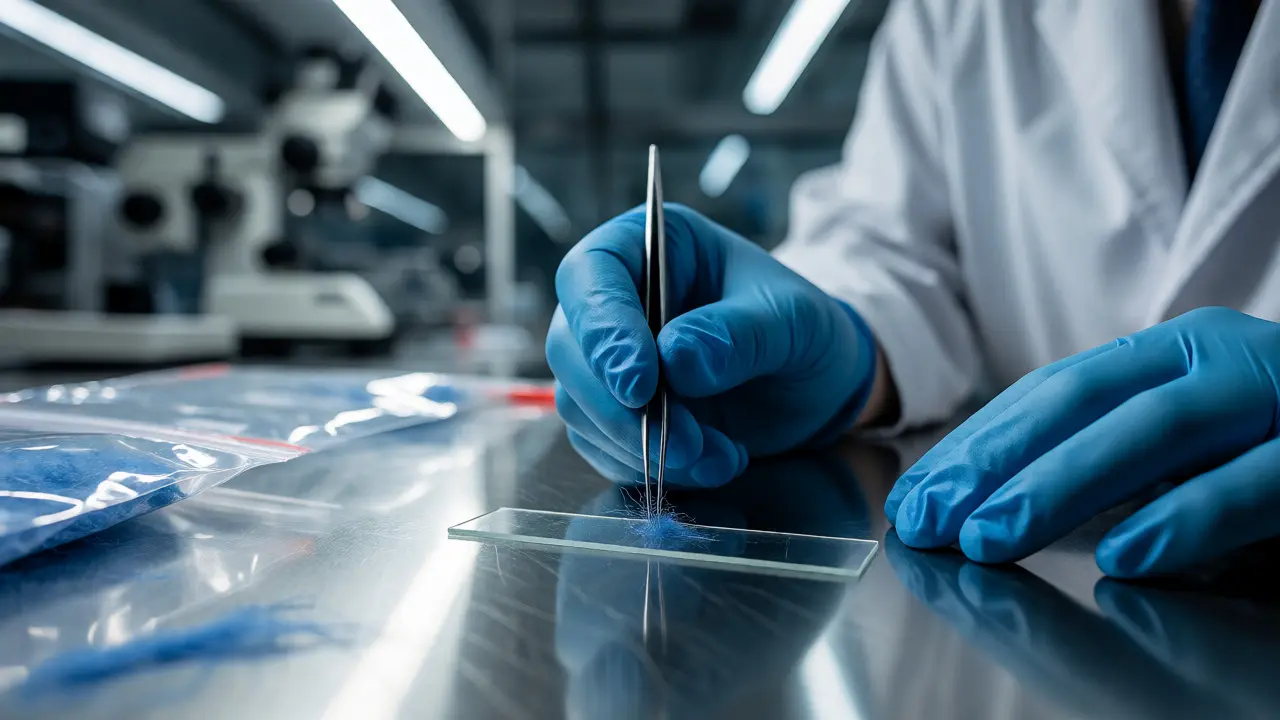
Microscopy in Trace Evidence Examination: A Forensic Guide
- By : Ian Brophy
- Date : Nov 4 2026
Discover how microscopy identifies and compares trace evidence like fibers, hair, and glass. Learn about key techniques including comparison microscopes and SEM, and understand their critical role in linking suspects to crime scenes beyond DNA.
Chemical Analysis of Trace Materials: A Forensic Guide
- By : Ian Brophy
- Date : Oct 31 2026
Discover how chemical analysis transforms tiny trace materials into powerful forensic evidence. Learn about GC-MS, FTIR, and why visual matching falls short.
Fiber Dye Analysis: Chemical Profiling and Comparisons
- By : Ian Brophy
- Date : Oct 29 2026
Discover how fiber dye analysis distinguishes visually similar textiles in forensics. Learn about extraction methods, TLC, and UV-Vis spectroscopy.
Hair Evidence: Collection and Forensic Analysis Guide
- By : Ian Brophy
- Date : Sep 29 2026
Discover how hair evidence is collected and analyzed in forensics. Learn about microscopic features, DNA limitations, and proper preservation techniques.
Cross-Contamination in Trace Evidence Collection: A Field Guide
- By : Ian Brophy
- Date : Sep 22 2026
Learn how to prevent cross-contamination in trace evidence collection. Discover key vectors, field protocols, and lab safeguards to maintain scene integrity.
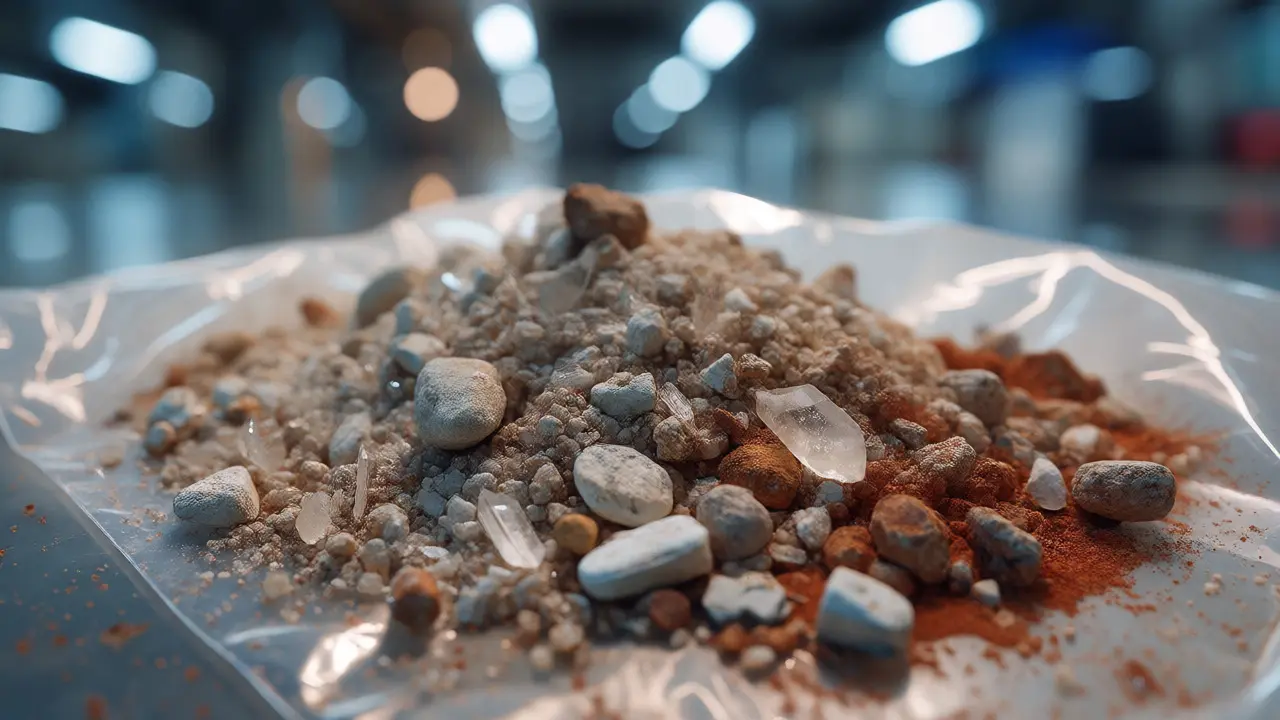
Mineral Evidence: Sand, Gravel, and Particulates in Forensics
- By : Ian Brophy
- Date : Sep 22 2026
Discover how sand, gravel, and mineral particulates serve as critical forensic evidence. Learn how geologists analyze soil signatures to link suspects to crime scenes.
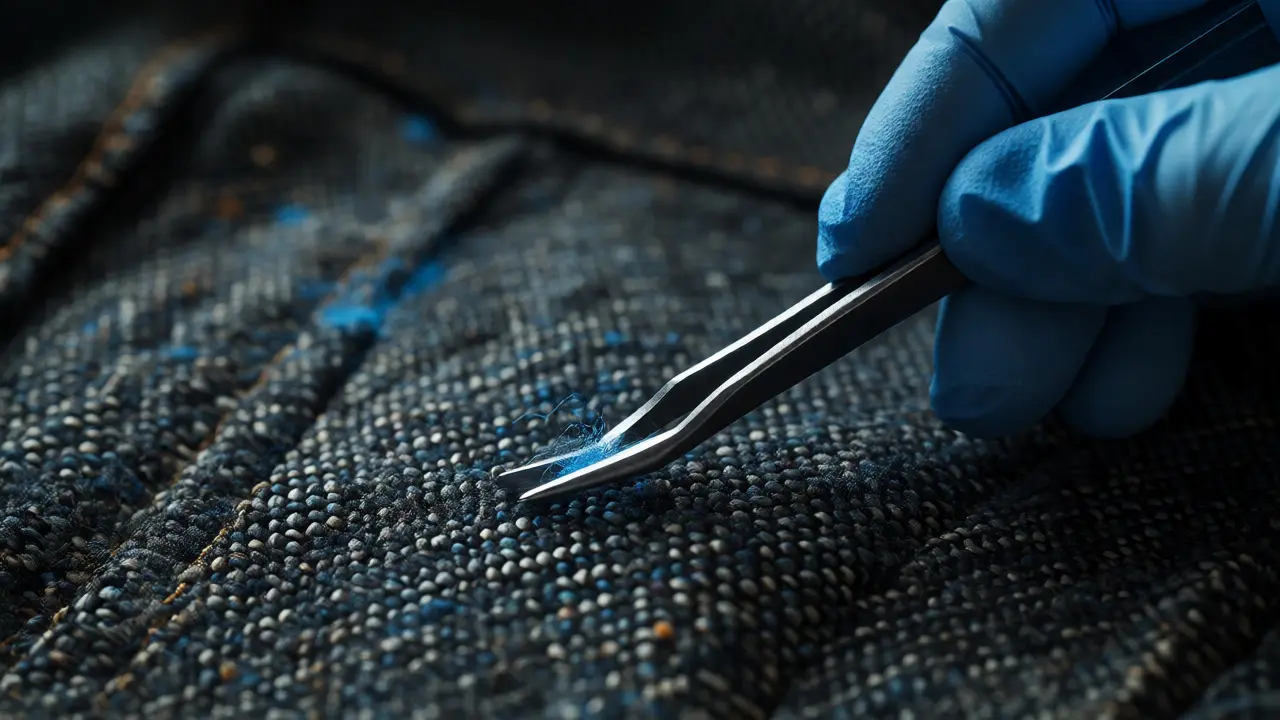
Microscopic Evidence: Handling Small Particles in Forensics
- By : Ian Brophy
- Date : Sep 20 2026
Learn how to properly handle microscopic evidence like fibers and glass. Discover collection techniques, packaging rules, and lab analysis methods to preserve trace evidence integrity.
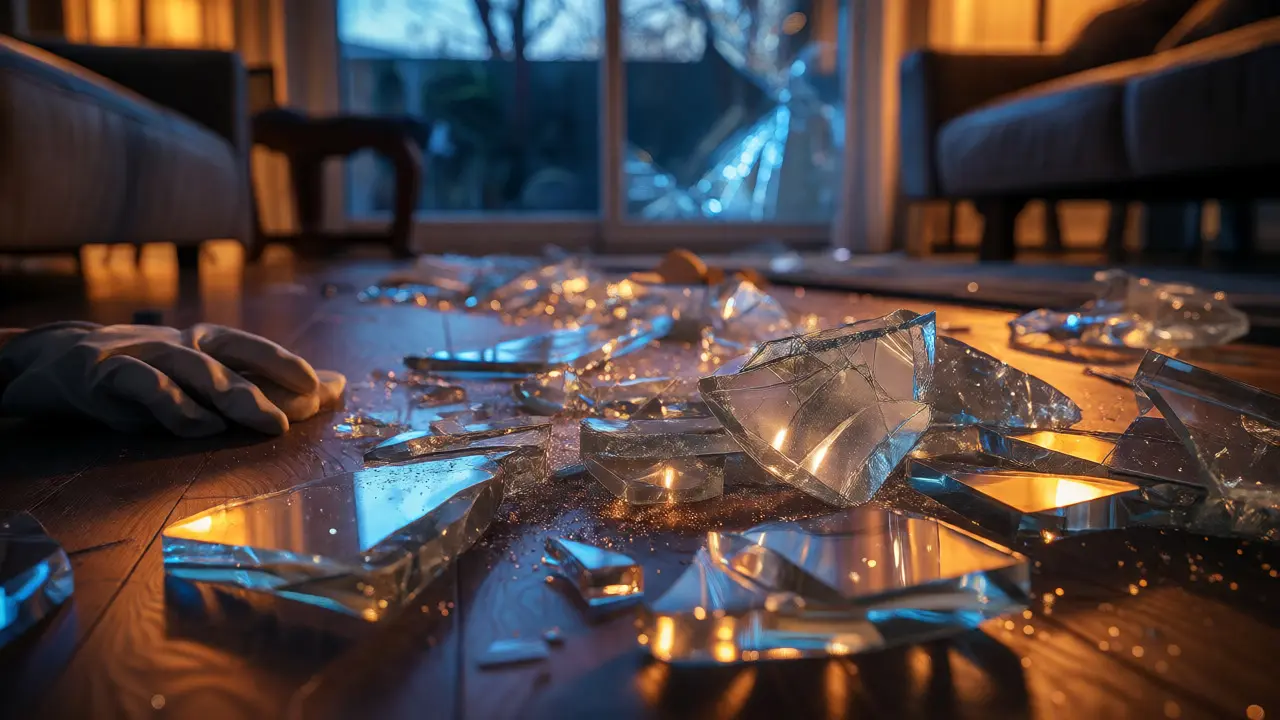
Glass Refractive Index: A Forensic Guide to Comparing Fragments
- By : Ian Brophy
- Date : Sep 19 2026
Learn how forensic experts use refractive index (RI) to compare glass fragments. Discover the GRIM method, temperature controls, and how to interpret match vs. exclusion in criminal investigations.
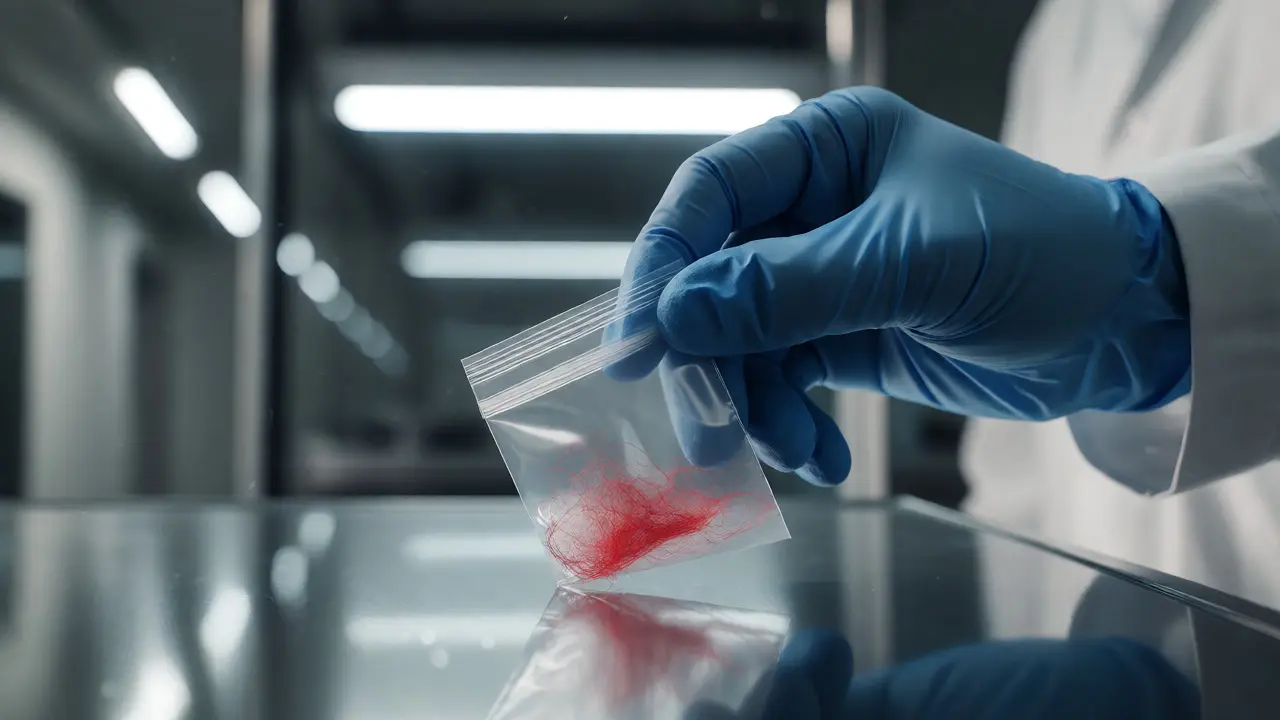
Understanding Locard's Exchange Principle in Crime Scene Investigation
- By : Ian Brophy
- Date : Sep 12 2026
Discover how Locard's Exchange Principle shapes crime scene investigation. Learn why every contact leaves a trace and how forensic scientists use transfer evidence to solve crimes.
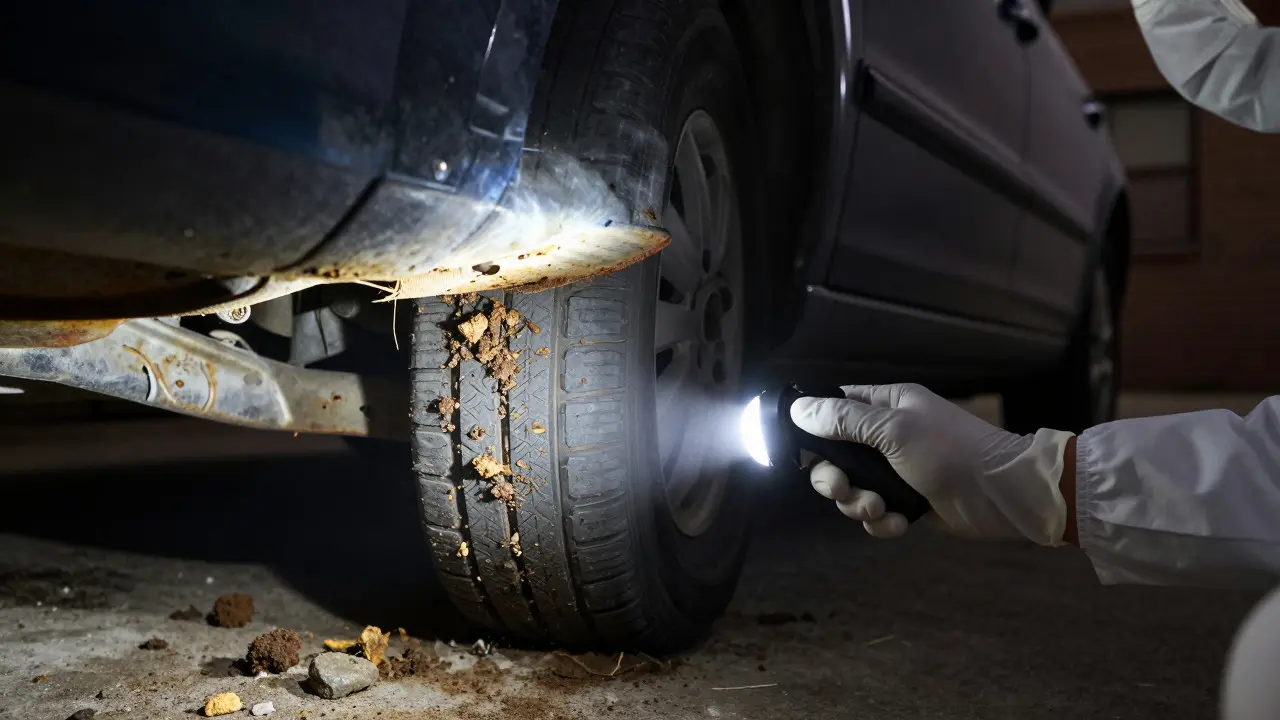
Trace Evidence from Vehicles: What to Look For
- By : Ian Brophy
- Date : Aug 21 2026
Learn how to identify and collect trace evidence from vehicles, including paint, fibers, soil, and biological traces. This guide covers best practices for preservation and common mistakes to avoid in forensic investigations.