Most people think a bachelor's degree is the ceiling for forensic work. They're wrong. A Master's Degree in Forensic Science is a postgraduate credential that unlocks specialized roles, higher pay scales, and leadership positions in criminal justice laboratories. It’s not just about learning more chemistry; it’s about moving from processing evidence to interpreting complex data, managing teams, or designing new analytical methods. If you’re already working in the field or finishing your undergrad, this is the step that separates technicians from experts.
Why Graduate Education Changes Your Trajectory
The difference between a Bachelor of Science (BS) and a Master of Science (MS) in forensics isn't just the title on your diploma. It’s the scope of responsibility. With a BS, you often run the machines and log the results. With an MS, you troubleshoot when the machine fails, validate new protocols, and explain findings to juries without getting lost in technical jargon. According to the U.S. Bureau of Labor Statistics, professionals with advanced degrees in life and physical sciences consistently out-earn their peers with only undergraduate credentials by roughly 20-30% over a career span.
This gap widens significantly in niche fields like digital forensics or toxicology. These areas evolve faster than standard textbooks can keep up with. A master's program forces you to engage with current research papers and peer-reviewed studies, keeping your skills sharp in ways a static undergraduate curriculum cannot. You stop being a user of technology and start becoming an analyst of it.
Top Specialization Tracks to Consider
Not all master's programs are created equal. The value depends heavily on which track you choose. Here are the most impactful specializations available in 2026:
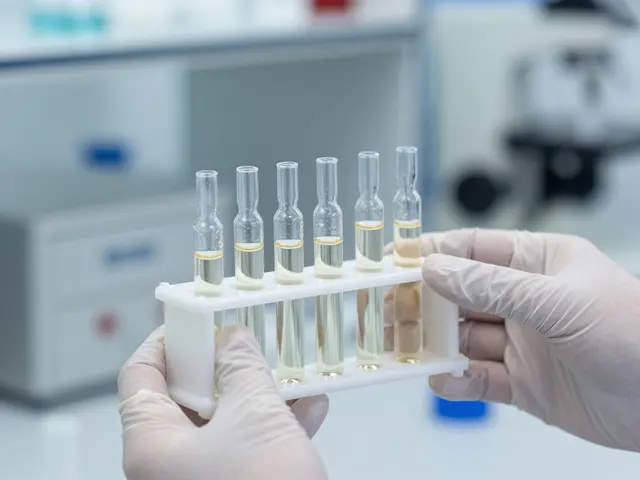
- Forensic Toxicology: Focuses on analyzing drugs, poisons, and alcohol in biological samples. Essential for medical examiners and public health labs. Requires strong organic chemistry background.
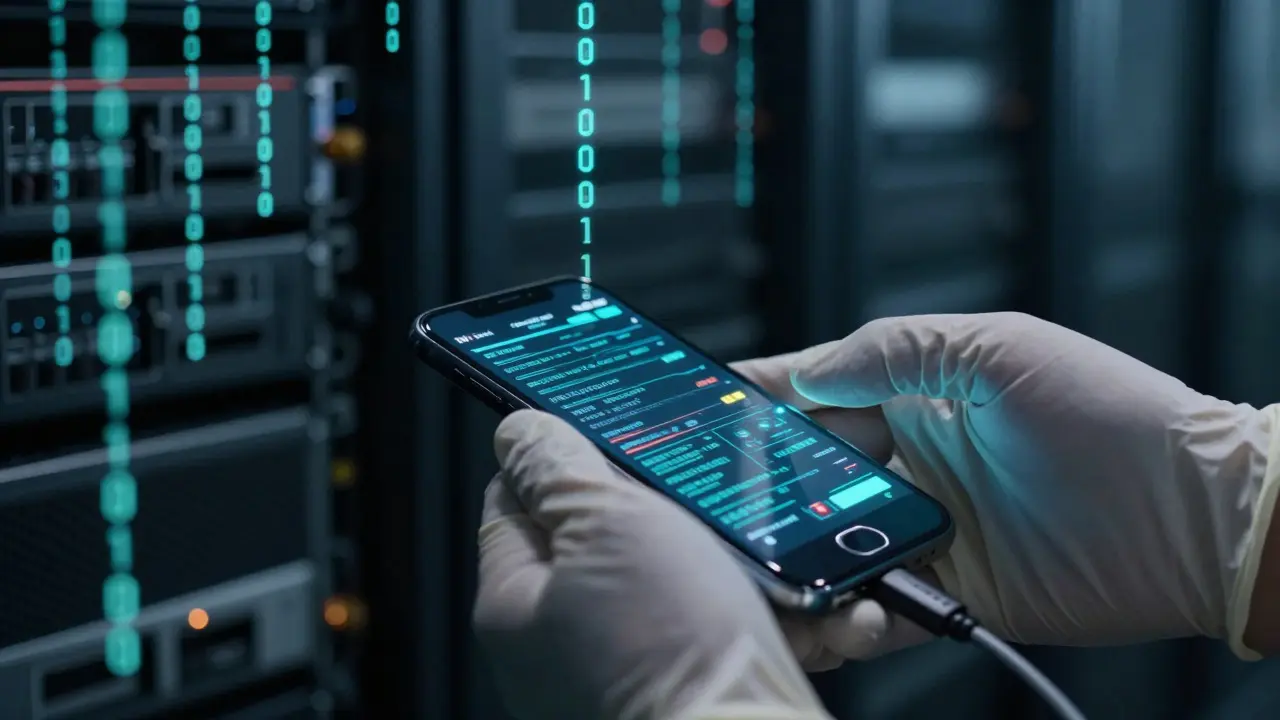
- Digital Forensics: Deals with recovering data from smartphones, cloud storage, and IoT devices. High demand due to the rise of cybercrime. Often overlaps with computer science curricula.
- Forensic Biology/DNA Analysis: Advances beyond basic STR profiling into Y-STRs, mitochondrial DNA, and next-generation sequencing (NGS). Critical for cold cases and mass disaster identification.
- Fire and Explosion Investigation: A niche but high-paying field involving origin and cause analysis. Combines chemistry, physics, and engineering principles.
- Forensic Anthropology/Odontology: For those interested in skeletal remains or dental records. Less common as a pure science track but vital in mass casualty incidents.
Program Structure: Research vs. Professional
You generally have two types of master's degrees: Thesis-based (research-oriented) and Non-Thesis (professional/practical). Choosing the right one depends on your career goals.
If you want to work in a government crime lab or a private consulting firm, a non-thesis program is usually better. It focuses on practical skills, internships, and immediate application. You’ll spend less time writing a 50-page paper and more time doing wet-lab work or coding scripts.
If you aim for academia, federal research grants, or highly specialized R&D roles, a thesis-based degree is necessary. This path requires original research that contributes new knowledge to the field. It takes longer-often two years full-time-but opens doors to PhD programs if you decide to go further.
| Feature | Thesis-Based (Research) | Non-Thesis (Professional) |
|---|---|---|
| Duration | 24 months | 18-20 months |
| Primary Focus | Original research, methodology | Practical skills, applied case work |
| Best For | Academia, R&D, PhD prep | Career advancement, management, consulting |
| Cost Range (US) | $30k - $60k | $25k - $55k |
| Internship Requirement | Optional | Mandatory (usually 400+ hours) |
Accreditation and Program Quality Checks
Before applying, check the accreditation. In the U.S., look for programs accredited by the American Society of Crime Laboratory Directors/Laboratory Accreditation Board (ASCLD/LAB) or institutions recognized by regional bodies like WASC or SACS. While ASCLD/LAB accredits labs rather than schools directly, many top programs align their curricula with these standards to ensure graduates meet industry expectations.
Also, verify the faculty. Do they publish? Do they consult for courts? A program led by active practitioners and researchers will provide far more relevant networking opportunities than one staffed solely by academics who haven't touched a real case file in decades. Ask prospective students about their placement rates in the last three years. If the job placement rate is below 70%, dig deeper.
Financial Aid and ROI Calculation
Tuition varies wildly. Public universities might charge $8,000-$12,000 per year for in-state students, while private institutions can exceed $25,000 annually. However, don't just look at sticker price. Calculate the Return on Investment (ROI).Many forensic agencies offer tuition reimbursement for employees pursuing advanced degrees. If you’re currently employed as a technician, ask your HR department about continuing education funds. Some states even offer scholarships specifically for forensic science graduates to fill workforce gaps in rural or underfunded labs.
Consider the salary bump. A forensic scientist with a BS might start at $55,000. With an MS and five years of experience, that same role can command $75,000-$90,000. Move into a supervisory role, and you’re looking at $95,000+. The degree pays for itself within 3-5 years in most markets.
How to Stand Out in Applications
Admissions committees see hundreds of applications. To stand out, tailor your personal statement to specific faculty interests. If Professor X is researching drug metabolism, mention how your previous work aligns with that. Don’t write a generic "I love CSI" essay. Show them you understand the scientific rigor required.
Include a resume that highlights quantitative skills. Even if your undergrad was biology, list any statistics courses, Python programming, or data analysis projects. Modern forensics is increasingly data-driven. Showing comfort with code or statistical software sets you apart from candidates who only know pipetting.
Frequently Asked Questions
Do I need a specific undergraduate major for a forensic science master's?
No, but you need prerequisite coursework. Most programs require foundational classes in general chemistry, organic chemistry, and biology. If you majored in history or psychology, you may need to take summer bridge courses to cover these science requirements before starting the core curriculum.
Is a master's degree worth it if I'm already a forensic technician?
Yes, especially for promotion. Many state and federal labs require an MS for lead scientist or supervisor roles. It also provides job security during budget cuts, as senior staff with advanced degrees are often retained over junior staff during downsizing.
Can I do a forensic science master's online?
Partially. Theoretical courses (statistics, legal issues, ethics) are well-suited for online delivery. However, lab-intensive tracks (toxicology, DNA) usually require on-campus residency weeks or hybrid models. Fully online programs exist but are rare for hands-on scientific disciplines.
What is the average duration of a forensic science master's program?
Full-time programs typically take 18 to 24 months. Part-time programs, designed for working professionals, can extend to 3-4 years. The timeline depends on whether you pursue a thesis and the number of credit hours required by the institution.
Which states have the highest demand for forensic scientists with advanced degrees?
States with large urban centers and significant caseloads, such as California, Texas, New York, and Florida, tend to have the highest demand. However, rural states often struggle with staffing shortages and may offer higher starting salaries to attract qualified candidates with master's degrees.