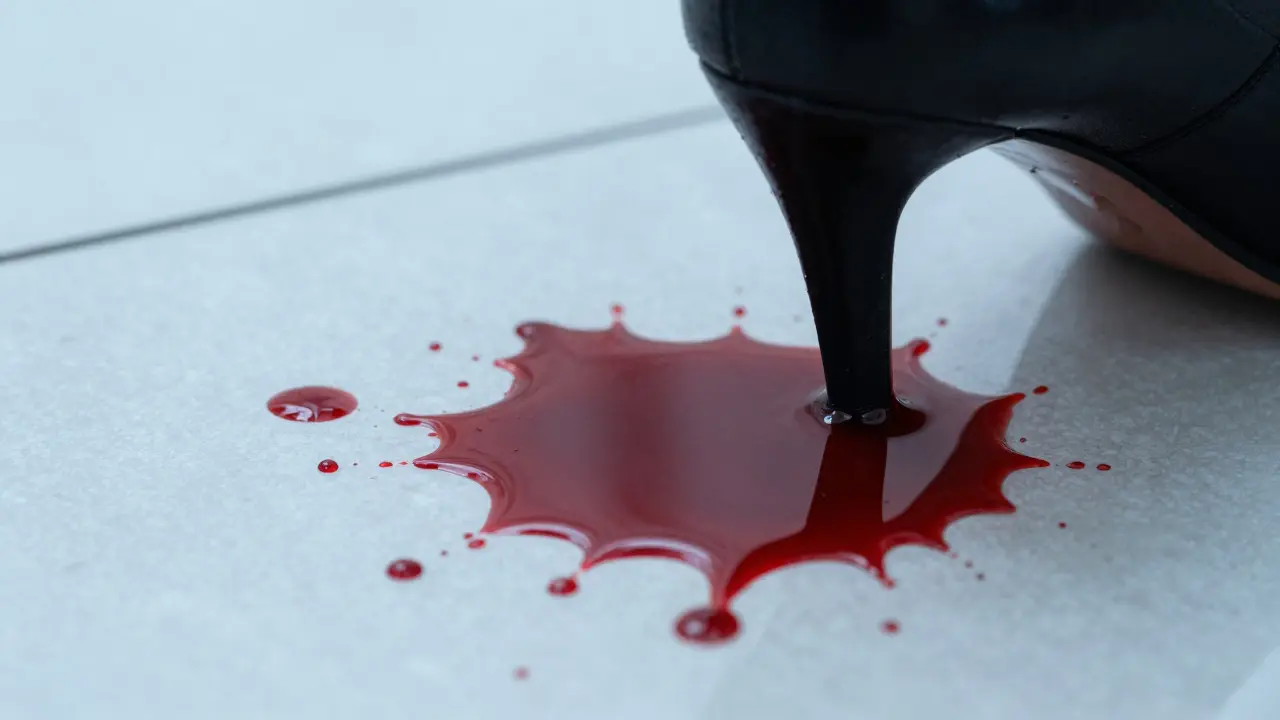
Imagine a single drop of blood hitting a wet floor. It doesn't just land; it explodes into tiny droplets that scatter outward. These small dots surrounding the main stain are what forensic experts call satellite stains. They are a critical clue in bloodstain pattern analysis (BPA), helping investigators reconstruct how an event unfolded. Unlike primary spatter created by forceful impacts, satellite stains usually result from secondary spatter, where existing blood is disturbed by another object or body part.
Understanding these patterns can mean the difference between solving a case and leaving questions unanswered. Whether you are a crime scene technician, a law enforcement officer, or simply curious about forensic science, knowing how to identify and interpret satellite stains is essential. This guide breaks down the mechanics, formation processes, and practical applications of these subtle but powerful clues.
What Are Satellite Stains?
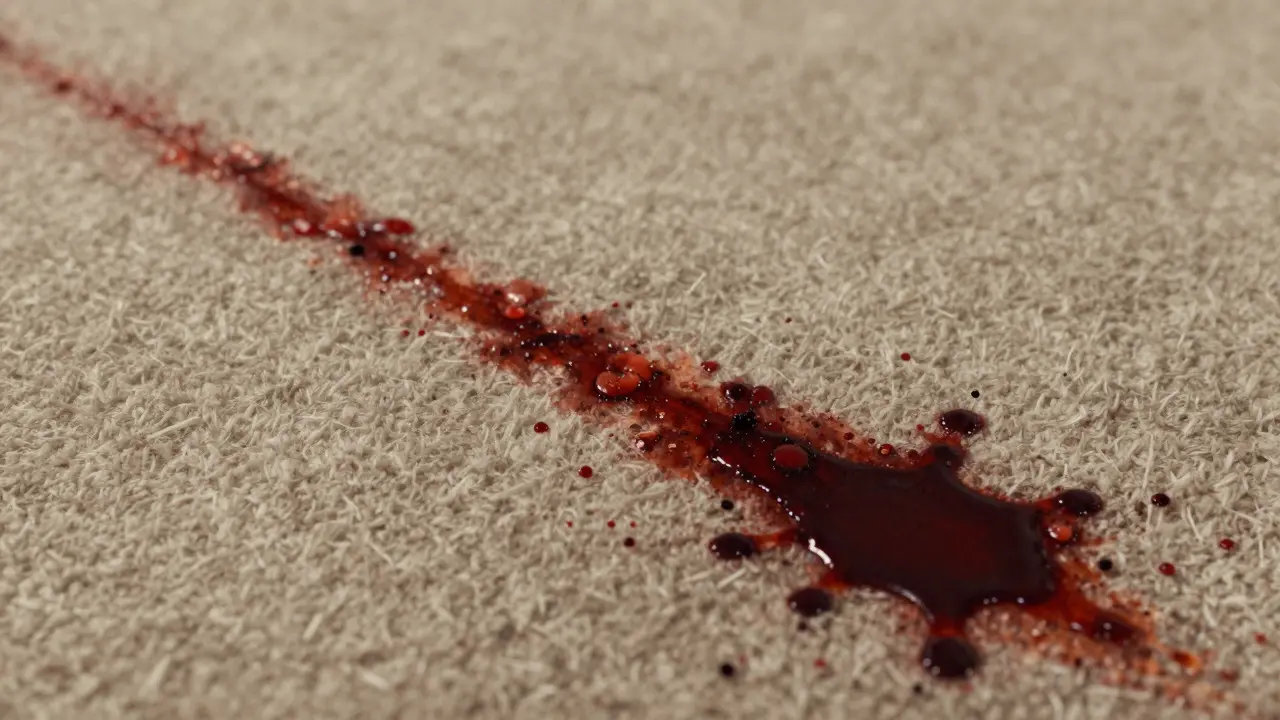
Satellite stains are small, discrete drops of blood found around a larger primary stain. They typically appear as circular or oval shapes, much smaller than the original pool or drip. Their presence indicates that the primary blood source was disturbed after it had already landed on a surface.
Think of it like splashing water into a puddle. The main splash is the primary stain, while the tiny droplets flying off are the satellites. In forensics, this distinction matters because it tells us about the sequence of events. Did someone step on the blood? Did a weapon strike through it? Or did a body fall onto it? Each scenario produces different satellite characteristics.
- Size: Usually less than 1 mm in diameter.
- Shape: Round to slightly oval, depending on surface texture.
- Distribution: Randomly scattered around the primary stain, often concentrated on one side if directional force was involved.
How Secondary Spatter Creates Satellite Patterns
The key to understanding satellite stains lies in secondary spatter. This occurs when an external force interacts with already-deposited blood. For example, if a victim falls face-first into a pool of their own blood, the impact creates secondary spatter. The resulting satellite stains radiate outward from the point of contact.
Unlike impact spatter, which results from high-energy events like blunt force trauma or gunshot wounds, secondary spatter involves lower energy. The blood is already stationary, so the force needed to displace it is minimal. This means the droplets are smaller and travel shorter distances compared to primary impact spatter.
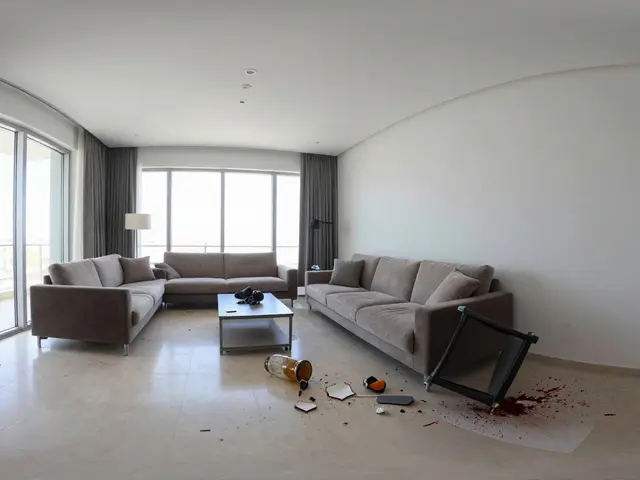
Consider a real-world scenario: A suspect drags a victim across a carpeted floor. As the body moves, it disturbs the blood trail left behind. The friction and pressure create tiny satellite stains along the drag path. By analyzing the direction and density of these stains, investigators can determine the direction of movement and estimate the weight of the object causing the disturbance.
Distinguishing Satellite Stains from Other Patterns
Not all small blood spots are satellite stains. Confusing them with other types of spatter can lead to incorrect conclusions. Here’s how to tell them apart:
| Type | Cause | Droplet Size | Typical Context |
|---|---|---|---|
| Satellite Stains | Disturbance of existing blood | < 1 mm | Secondary spatter from pools or trails |
| Impact Spatter | High-energy force on fresh blood | 1-4 mm | Blunt force trauma, stabbing |
| Passive Transfer | Contact between bloody surface and object | Variable | Fingerprints, shoe prints |
| Aerosol Spatter | Arterial pumping or gunshots | < 0.5 mm | Arterial bleeding, close-range shots |
Notice that aerosol spatter can also be very small, but it forms in distinct patterns related to the source, such as linear streams for arterial blood. Satellite stains, on the other hand, cluster around a specific primary stain without a clear directional stream.
Factors Influencing Satellite Formation
Several variables affect how satellite stains form and appear. Understanding these factors helps analysts interpret the scene more accurately.
- Surface Texture: Smooth surfaces like tile or glass produce rounder, more defined satellite stains. Rough surfaces like concrete or carpet create irregular shapes due to absorption and friction.
- Blood Volume: Larger pools generate more satellites because there’s more fluid to displace. A thin smear might only produce a few faint dots.
- Force Applied: Greater force results in more numerous and farther-reaching satellites. A gentle touch might leave barely visible traces, while a heavy impact scatters droplets widely.
- Angle of Impact: If the disturbing object hits at an angle, the satellite distribution will be asymmetrical, pointing away from the direction of force.
For instance, if a foot steps into a blood pool, the heel strike creates a dense cluster of satellites behind the footprint, while the toe-off area shows fewer. This asymmetry reveals the direction of movement.
Practical Applications in Crime Scene Investigation
In practice, forensic scientists use satellite stains to validate narratives provided by witnesses or suspects. If a suspect claims they walked through a room without touching anything, but satellite stains indicate repeated disturbances of a blood trail, that claim becomes questionable.
These stains also help establish timelines. Since secondary spatter requires pre-existing blood, finding satellite stains confirms that blood was present before the disturbing event. This can rule out scenarios where blood was applied artificially after the fact.
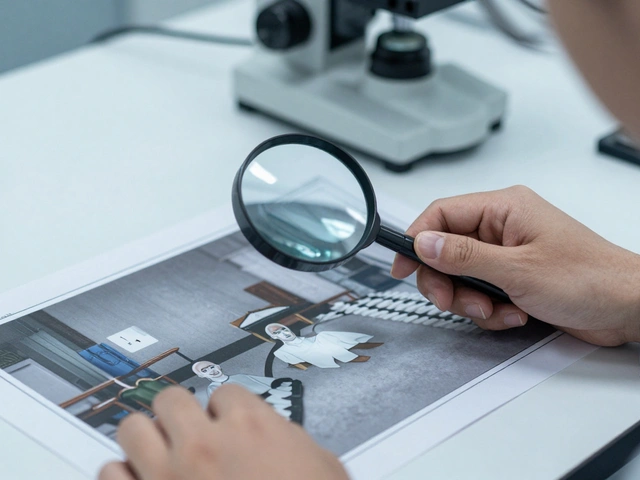
Documentation is crucial. Photographers must capture both the primary stain and its satellites from multiple angles, including close-ups with scale references. Missing even a few satellite dots can alter the interpretation of the entire scene.
Common Mistakes to Avoid
Even experienced analysts can misinterpret satellite stains. Here are frequent errors to watch out for:
- Confusing with dirt or debris: Small dark specks on a floor might look like satellite stains but could be dust or hair. Use magnification and lighting to confirm they are blood.
- Ignoring environmental factors: Humidity, temperature, and cleaning agents can alter stain appearance. Always note conditions during documentation.
- Overlooking partial stains: Satellites near edges or under furniture may be missed. Thoroughly inspect all areas adjacent to primary stains.
Training and peer review help mitigate these risks. Collaborating with other BPA experts ensures a balanced interpretation.
Advances in Analyzing Satellite Stains
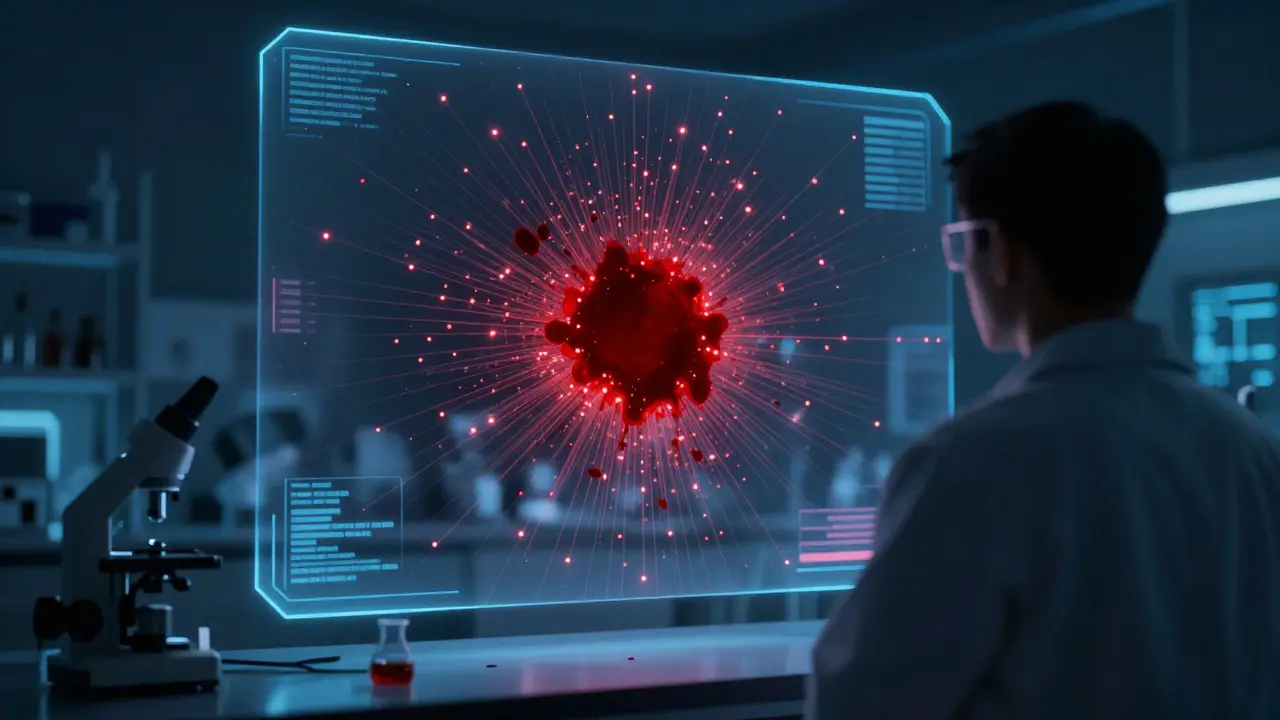
Technology continues to enhance our ability to study these patterns. Digital imaging software can measure droplet sizes and distributions with precision, reducing human error. Some labs now use 3D scanning to map complex scenes, allowing virtual reconstruction of how satellite stains formed.
Additionally, DNA analysis of individual satellite droplets can link them to specific victims or suspects. While each dot contains minimal biological material, modern PCR techniques can amplify enough DNA for identification. This adds another layer of evidence beyond visual pattern analysis.
As methods improve, the reliability of satellite stain interpretation grows. However, it remains a complementary tool, best used alongside other forensic evidence like fingerprints, fibers, and witness statements.
FAQs About Satellite Stains
Can satellite stains form from airborne blood?
Generally, no. Airborne blood creates impact or aerosol spatter, not satellite stains. Satellite stains require physical contact with already-settled blood. If blood is suspended in air and lands on a surface, it forms independent droplets, not clusters around a primary stain.
Do satellite stains always appear in pairs?
No, they do not follow a fixed pattern. Their number and arrangement depend on the force, surface, and volume of blood involved. Sometimes only a few dots appear; other times, dozens scatter in a wide arc.
How long does it take for satellite stains to dry?
Drying time varies based on environmental conditions. In typical indoor settings, small satellite droplets may dry within minutes to hours. Faster drying preserves shape better, while slower drying allows droplets to spread and merge, complicating analysis.
Are satellite stains admissible in court?
Yes, when presented by qualified experts. Courts generally accept BPA testimony if the analyst follows established protocols and explains the methodology clearly. The strength of the evidence depends on documentation quality and consistency with other facts.
Can cleaning remove satellite stains completely?
Often, yes. Because they are small and contain little blood, satellite stains are easier to wipe away than large pools. However, some residue may remain in porous materials, detectable with chemical reagents like luminol or Kastle-Meyer test.