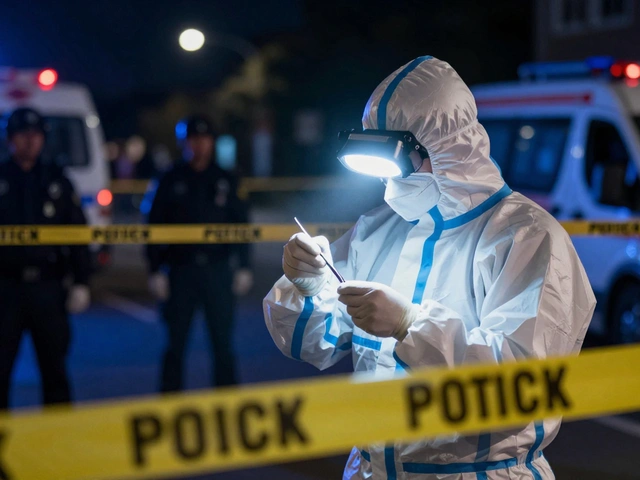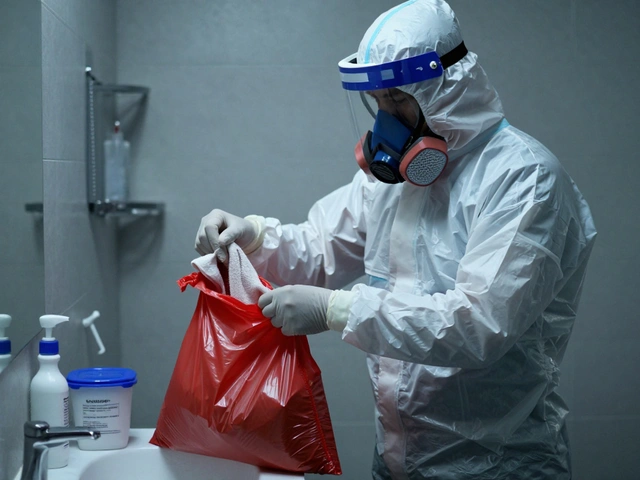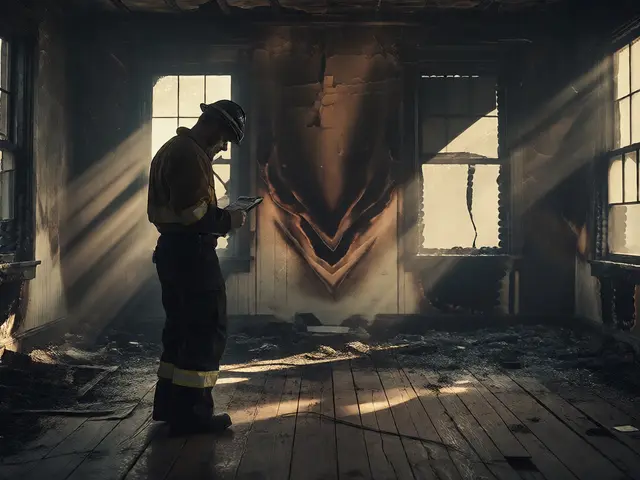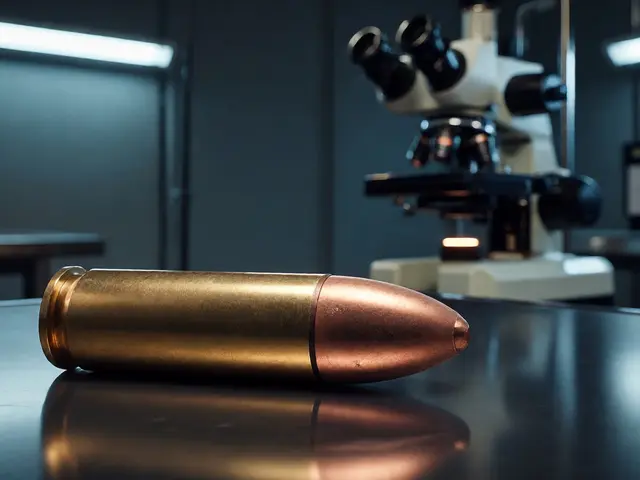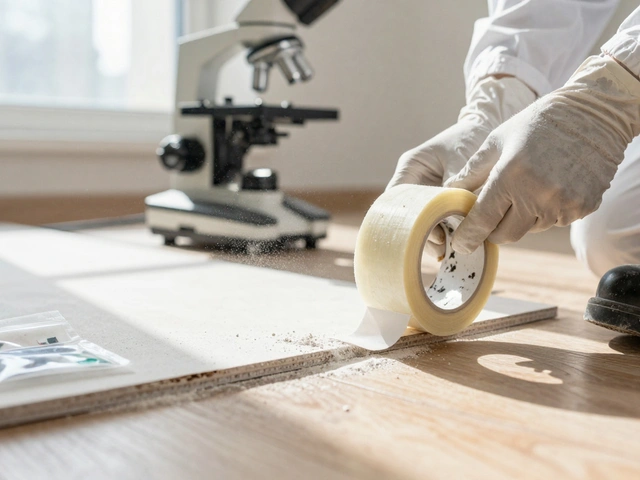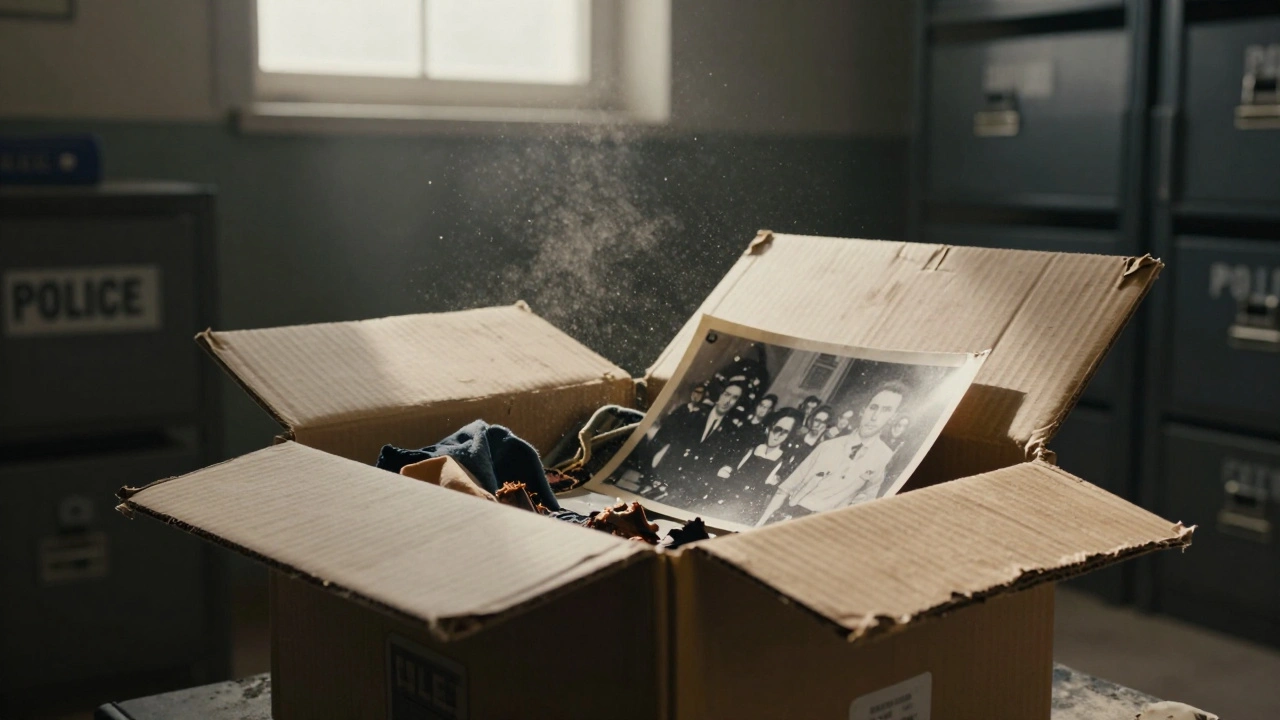
Imagine walking into a crime scene from thirty years ago. The walls are charred, the evidence is locked in a dusty cardboard box, and the original investigators have long since retired. For decades, many arson cases were closed not because they were solved, but because the tools of the time simply couldn't find the answer. But here is the reality: Cold Case Arson is the process of re-examining unsolved fire incidents using modern scientific standards to correct past errors or find new leads . What was once dismissed as "accidental" or "unsolvable" is now being cracked open by a new generation of science.
Back in the 1970s, fire investigation wasn't really a science; it was more of an art based on "gut feelings" and folklore. Investigators looked for certain burn patterns and decided a fire was arson based on a few visual cues. This lack of rigor didn't just leave cases unsolved-it put innocent people in prison. The 1970 Pioneer Hotel fire in Tucson is a heartbreaking example. A 16-year-old named Louis Taylor was convicted for a fire that killed 29 people. He spent over 35 years maintaining his innocence while the "expert" testimony used to convict him was based on theories that we now know are completely wrong. When we re-examine these historical scenes, we aren't just looking for a criminal; we're often fighting to undo a tragedy of flawed science.
The New Rulebook: NFPA 921 and 1033
If you're reopening a case from 1980, you can't use 1980s logic. Today, investigators rely on a strict scientific framework to ensure they don't repeat the mistakes of the past. The primary tool here is NFPA 921 is the Guide for Fire and Explosion Investigations, which provides the standard for scientific methodology in fire scene analysis . It moves the process from "I think this happened" to "the evidence proves this happened." It forces investigators to use the scientific method: observe, hypothesize, and test.
To make sure the person doing the work actually knows what they're doing, NFPA 1033 is the professional qualification standard for fire investigators, ensuring they have the necessary training in fire dynamics and evidence collection . When these two standards are applied to a cold case, it changes everything. An investigator today might look at a report from 1972-like the apartment fire in Carlisle-and realize the state trooper's conclusion of "intentional setting" had zero scientific foundation. By applying these standards, we can filter out the noise and find the actual truth.
| Feature | Historical Approach (Pre-1990s) | Modern Forensic Approach |
|---|---|---|
| Methodology | Based on experience and "rules of thumb" | Scientific method and hypothesis testing |
| Standards | Inconsistent; varied by department | Strict adherence to NFPA 921 and 1033 |
| Evidence Analysis | Visual inspection of burn patterns | Gas chromatography and DNA analysis |
| Conclusion Basis | Subjective expert opinion | Empirical data and fire dynamics |
Digging Through the Ashes: Physical Evidence and Modern Tech
Even in a cold case, the debris tells a story. Investigators generally categorize incendiary fires into three motivations: revenge, fraud, or concealing another crime. Each leaves a different footprint. In some cases, the breakthrough isn't a huge piece of evidence, but a tiny one. In the Bakersfield arson investigations, a single unmatched fingerprint on a piece of notebook paper-part of a time-delay device-became the key to cracking the case. Imagine that piece of paper sitting in a folder for years before the technology existed to properly match it.
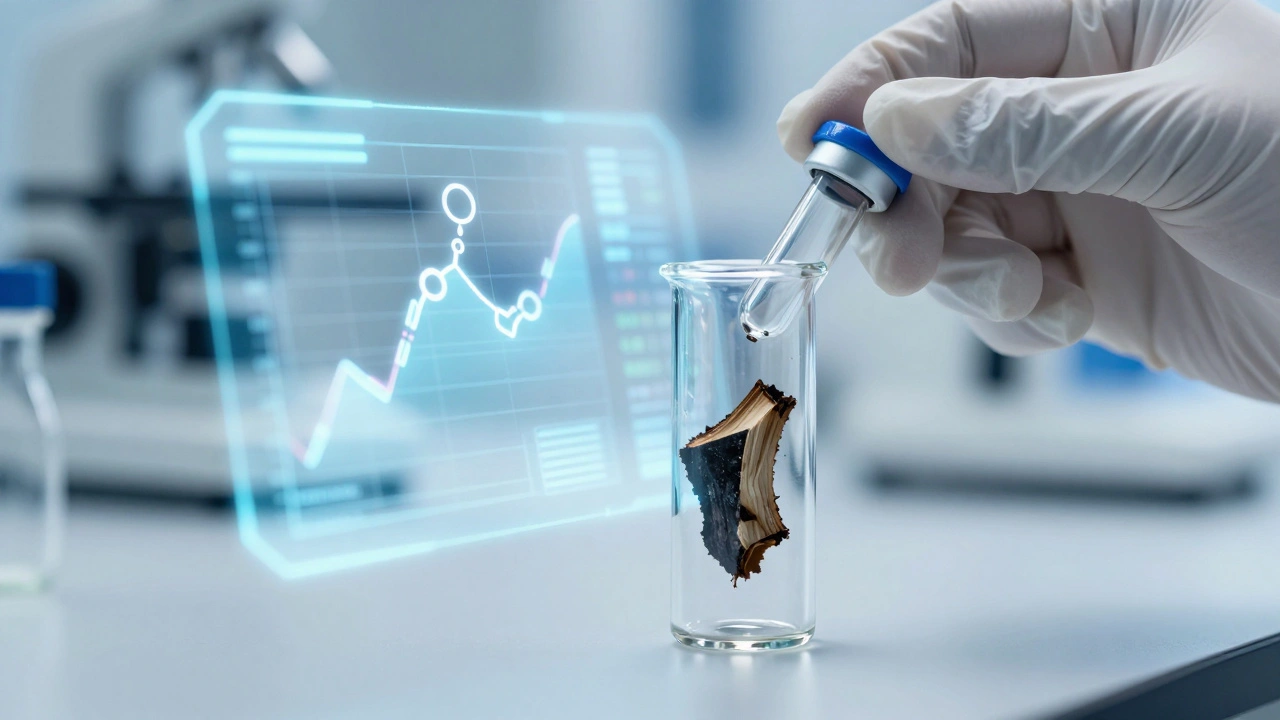
Today's toolkit is light-years ahead of what we had in the past. We now have Gas Chromatography is a laboratory technique used to separate and analyze compounds, essential for detecting accelerants in charred debris . We can find trace amounts of gasoline or kerosene in samples that were thought to be "clean" decades ago. Digital forensics also plays a role; we can now recover data from old hard drives or recordings that weren't accessible during the initial probe. One task force dealing with a series of fires in homes under construction found a breakthrough when they discovered the arsonist had actually recorded their crimes for "training purposes." By reviewing those tapes side-by-side on monitors, they turned the criminal's own ego into evidence.
The Hard Truth of Reinvestigation
Reopening a case isn't as easy as it looks on TV. Time is the enemy. Physical evidence degrades, and people's memories fade or change. But the biggest hurdle is often the original investigation itself. When the 60 Minutes program looked into the Pioneer Hotel fire in 2003, they found that the Tucson police had completely ignored multiple intentional fires set in the hotel months before the big tragedy. These were huge red flags that were simply brushed aside.
To fix this, investigators have to fight their own confirmation bias. They can't just go in looking for a way to prove the old conclusion was right. They have to start from scratch. This involves meticulously reconstructing timelines and verifying every piece of archived evidence. It's a slow, grueling process of elimination. Take the case of John Leonard Orr is a former fire captain and serial arsonist who used his professional knowledge to set fires across California . He was an expert in the field, which made him a dangerous suspect. Investigators had to use an innovative approach-comparing attendance lists from fire investigator conferences-to narrow down the suspect pool. Even then, a fingerprint mismatch initially cleared him. It took a relentless, methodical approach to eventually bring him down.
Bringing the Community Back In
Forensics can only do so much; sometimes you need a human voice. Many cold cases stay cold because the community has forgotten or is afraid to speak. Modern investigators are now using social media and targeted media campaigns to spark recollections. A simple "do you remember this building?" post on a local community page can lead to a witness who saw a suspicious car in 1994 but never thought to report it because they didn't think it mattered at the time.
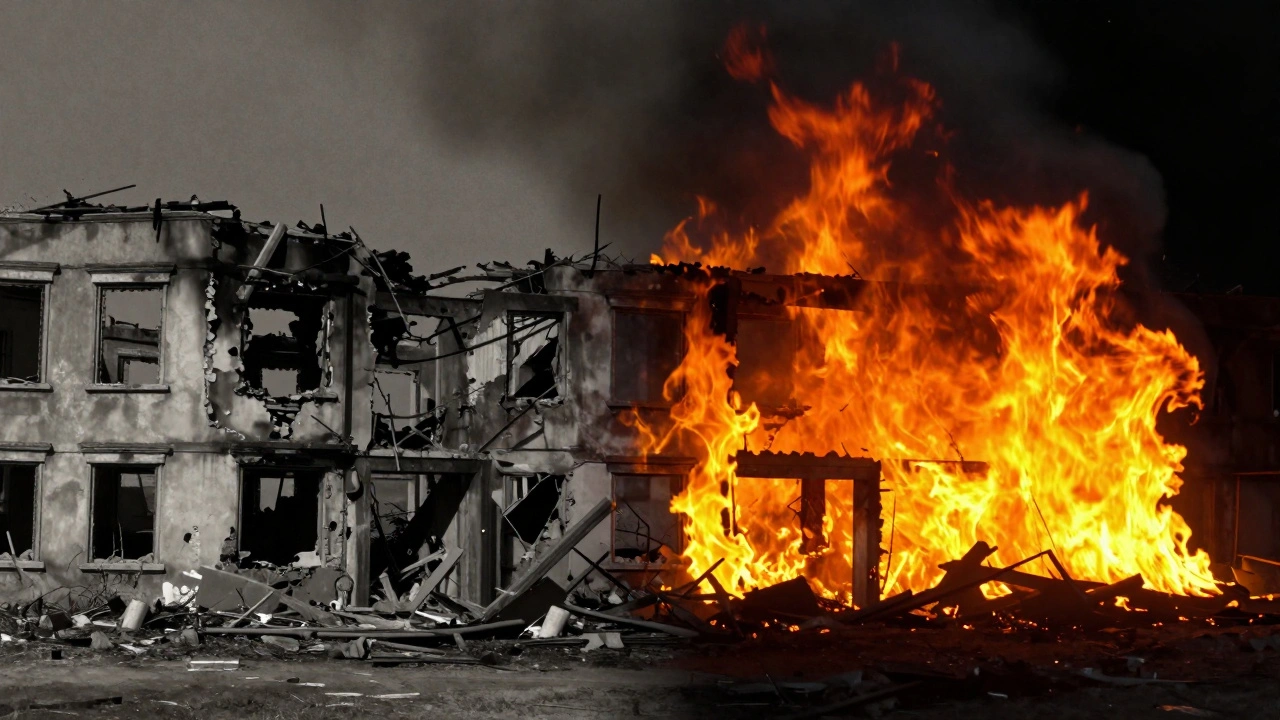
This public engagement, combined with a re-examination of cases like the Kevin Dolan incident from 1994 in Brooklyn, shows that no case is truly dead. Whether it's a three-story walkup or a massive hotel, the goal is the same: apply the current science to the old ruins. When we do this, we don't just solve a crime; we provide closure to families and, in some cases, free people who were victims of a flawed system.
Why are so many old arson convictions being overturned?
Most old convictions relied on "fire patterns" that were believed to be evidence of arson but are now understood to be natural behaviors of fire. For example, "crazing" of glass or certain pour patterns were once seen as proof of accelerants but are now known to happen in many accidental fires. Modern fire science has proven that the a-priori assumptions of the 1970s and 80s were often scientifically incorrect.
Can DNA be recovered from a fire scene after 20 years?
It is difficult but possible. While the heat of a fire destroys most biological material, items protected from the direct flame or recovered from the periphery of the scene can sometimes yield DNA. Advances in touch DNA and more sensitive sequencing allow investigators to find profiles on items that were previously considered contaminated or empty.
What is the difference between NFPA 921 and NFPA 1033?
NFPA 921 is the "how-to" guide-it defines the scientific process for investigating a fire. NFPA 1033 is the "who" guide-it defines the qualifications and training a person must have to be considered a professional fire investigator. One is about the method, the other is about the expertise of the practitioner.
How do investigators identify a "fraud-motivated" arson?
Fraud-motivated arsons often involve a pattern of financial distress, such as bankruptcy or failing business ventures. Investigators look for evidence of "over-insurance" on a property and check if the owner removed valuables (like family photos or expensive equipment) before the fire started, which suggests the fire was planned for an insurance payout.
What happens if new evidence proves a cold case was an accident?
If a re-examination using modern standards proves a fire was accidental, the evidence is presented to the court. This can lead to the exoneration of those wrongfully convicted. It also serves as a critical data point for the scientific community to further refine fire dynamics and prevent future mistakes.