Tag: forensic DNA
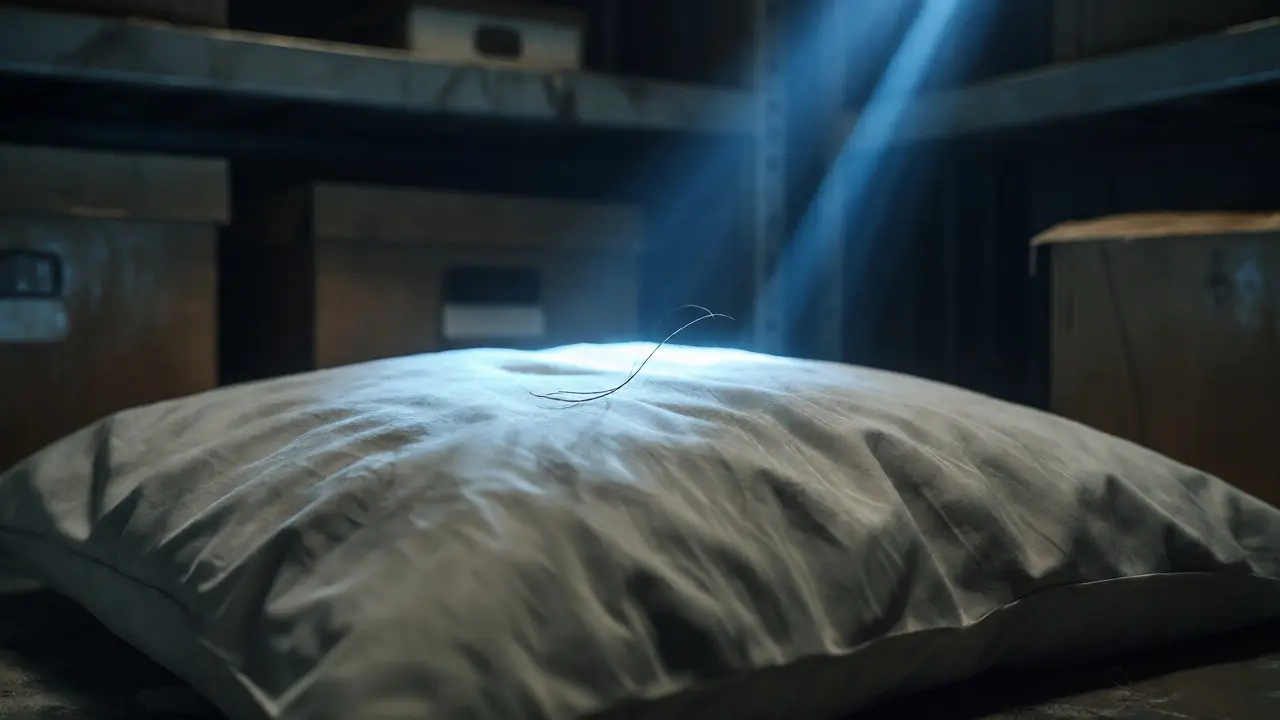
Forensic Genetic Genealogy: How DNA Solves Cold Cases
- By : Ian Brophy
- Date : Sep 25 2026
Discover how forensic genetic genealogy solves cold cases by linking crime scene DNA to public ancestry databases. Learn the step-by-step process, key tools, and ethical debates.
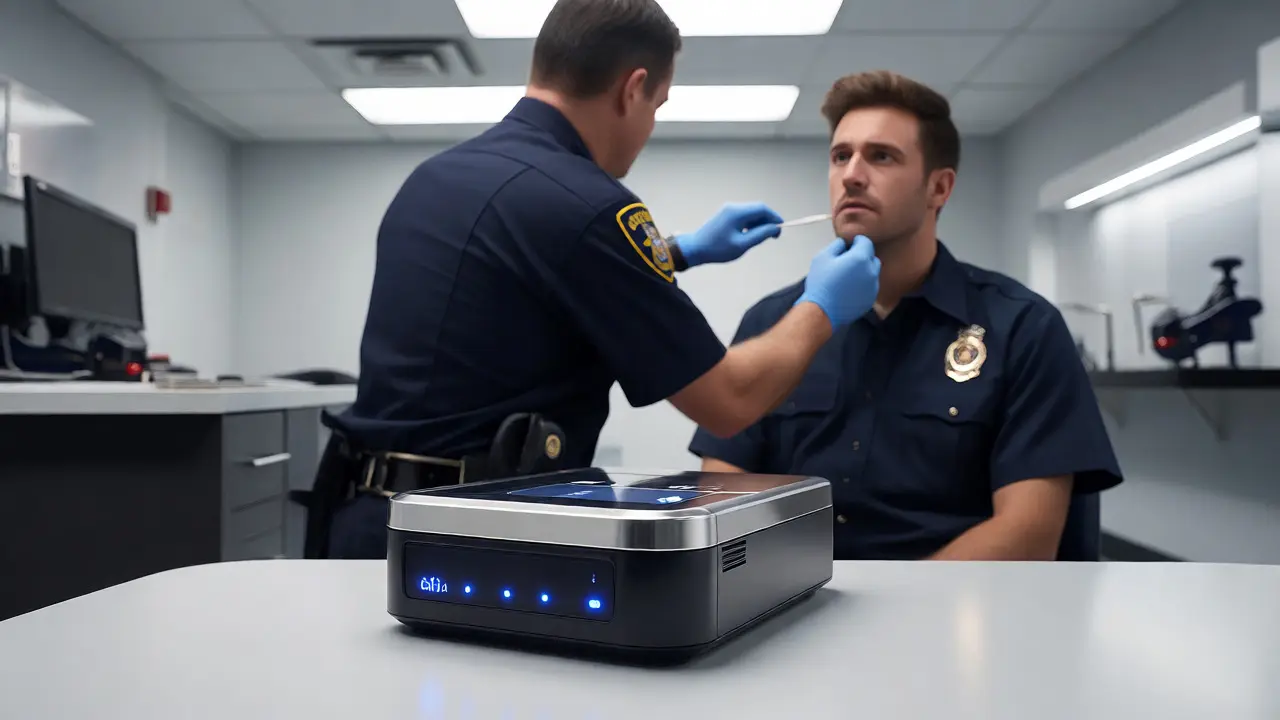
Rapid DNA Technology: Booking and Field Applications in Forensics
- By : Ian Brophy
- Date : Sep 11 2026
Discover how rapid DNA technology transforms booking and field operations. Learn about timelines, legal implications, and best practices for implementation.
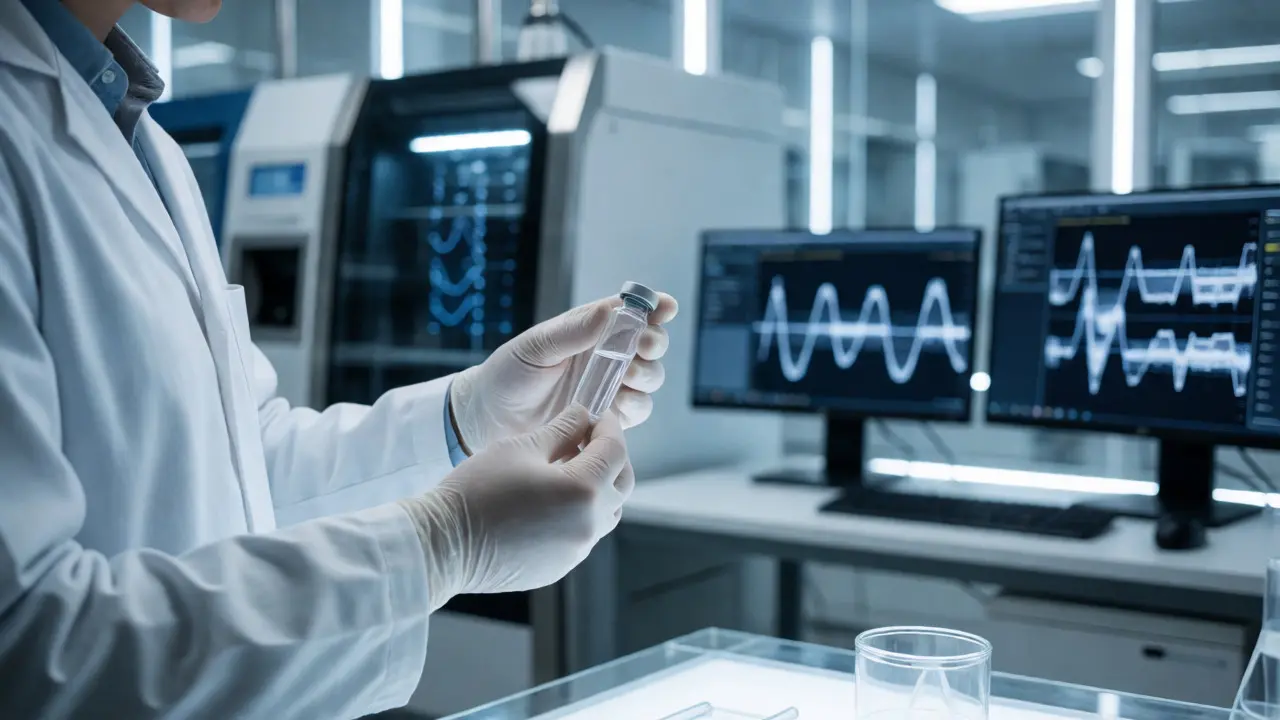
DNA Evidence Admissibility: Legal Standards Explained
- By : Ian Brophy
- Date : Sep 9 2026
Explore the legal standards governing DNA evidence admissibility. Learn how Daubert and Frye tests impact forensic genetics, chain of custody, and statistical presentation in modern courtrooms.
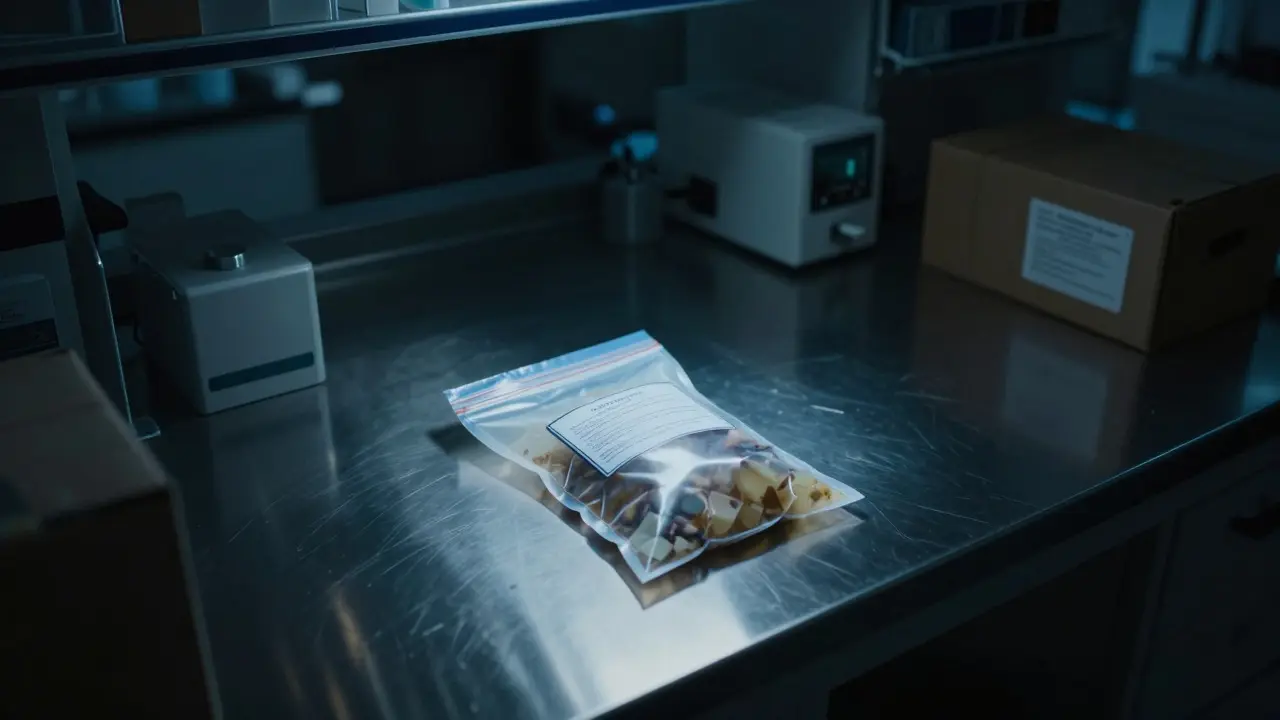
CODIS Database: How DNA Matching Works in Criminal Cases
- By : Ian Brophy
- Date : Aug 18 2026
Discover how the CODIS database uses DNA profiles to solve crimes. Learn about its structure, matching types, and the impact on modern forensics.
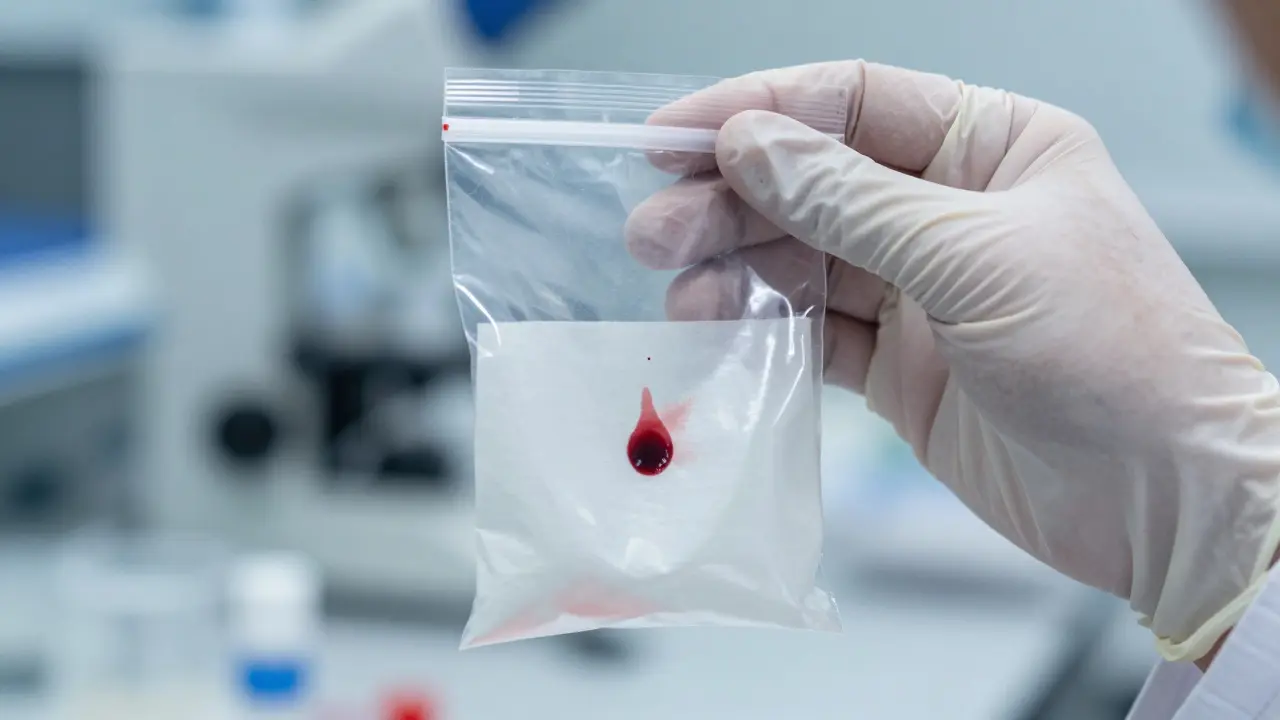
PCR Amplification in Forensics: How DNA Multiplication Works
- By : Ian Brophy
- Date : Aug 17 2026
Discover how PCR amplification transforms tiny forensic DNA samples into identifiable profiles. Learn about STRs, degradation challenges, and the future of DNA testing.
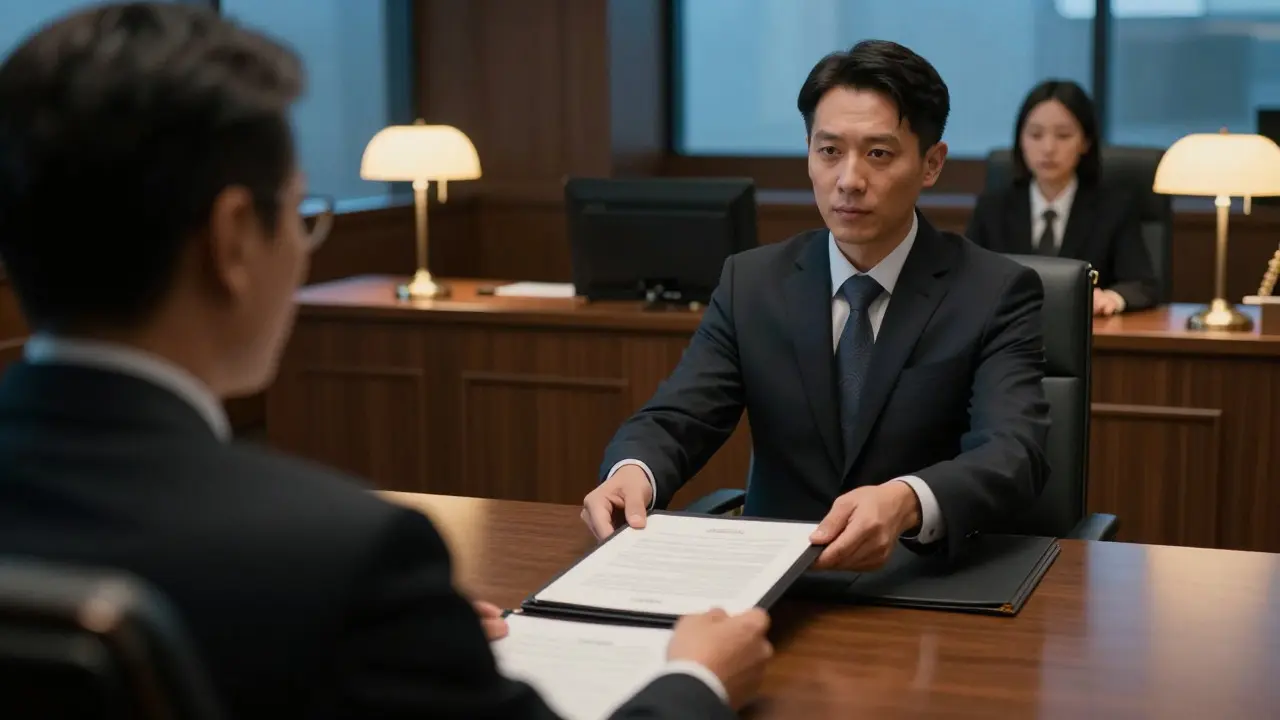
DNA Evidence Standards: Admissibility Requirements in Court
- By : Ian Brophy
- Date : Aug 17 2026
Learn how DNA evidence meets legal admissibility standards through Frye and Daubert tests, chain of custody rules, and lab quality controls.
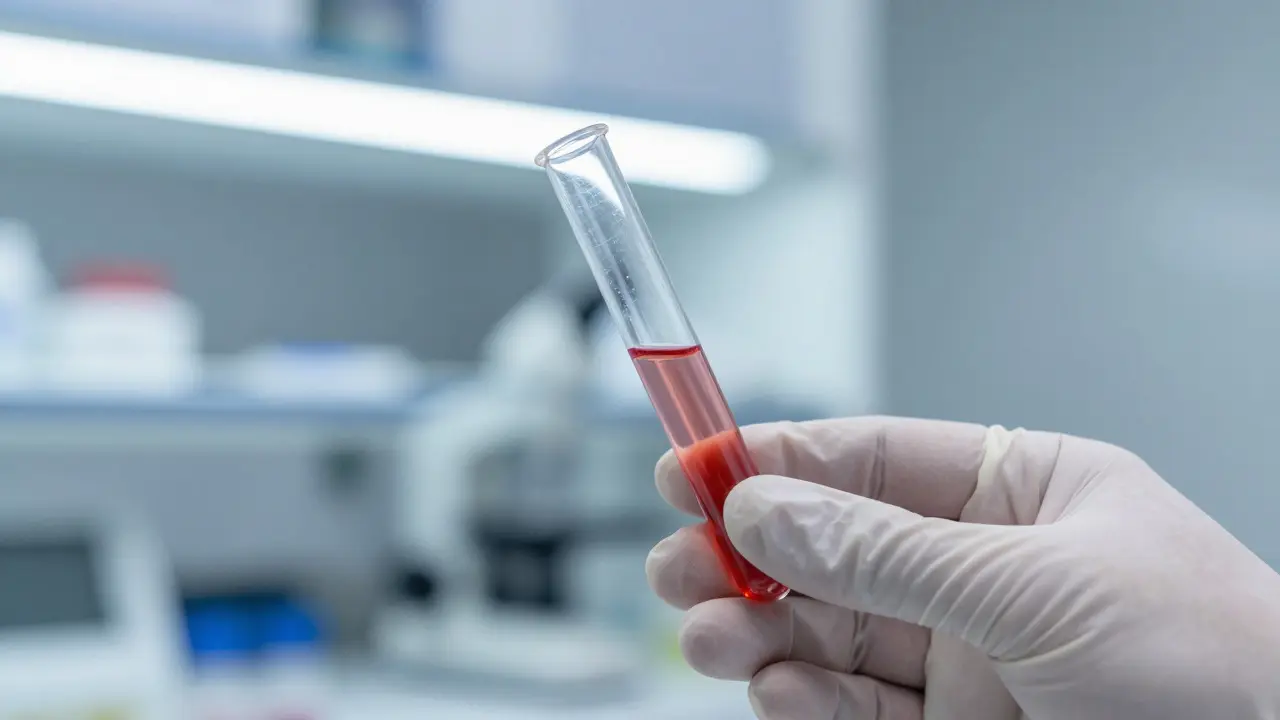
Lab Contamination Events: Detection and Remediation in Forensic DNA
- By : Ian Brophy
- Date : Aug 17 2026
Learn how to detect and remediate lab contamination in forensic DNA workflows. Covers detection signals, containment protocols, cleaning strategies, and prevention tactics to maintain case integrity.
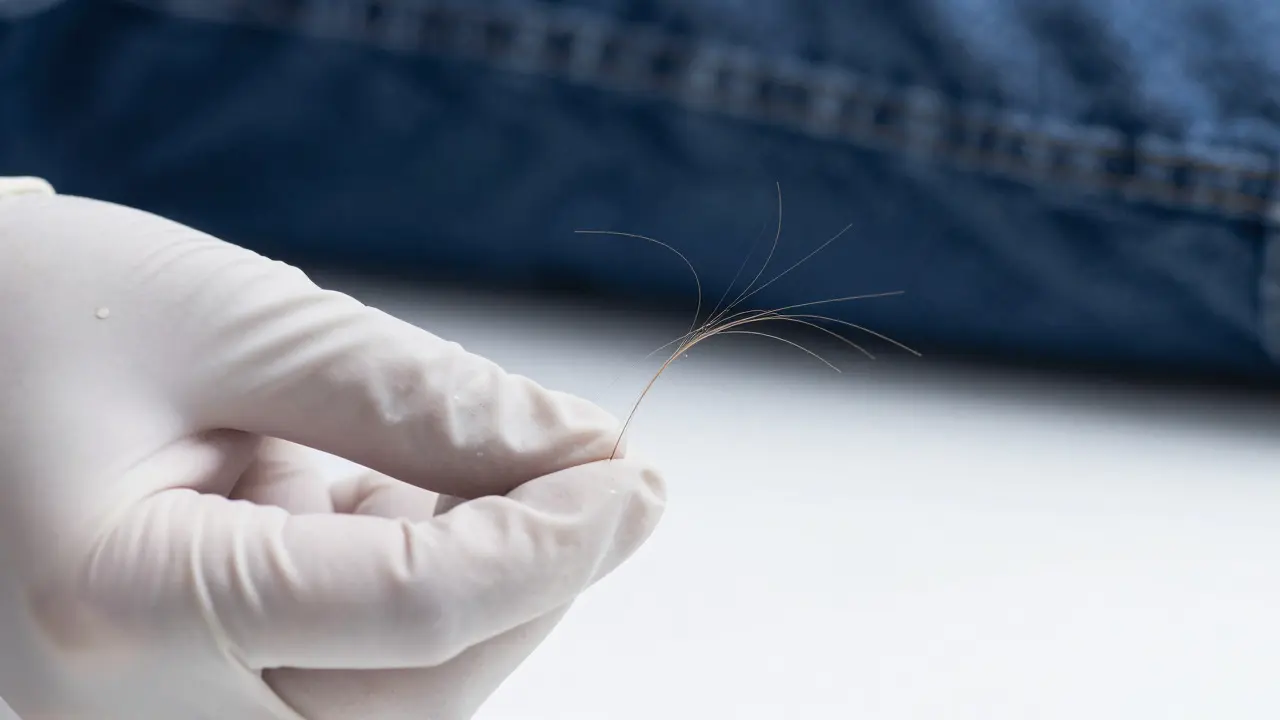
Secondary DNA Transfer: How to Assess Evidentiary Value in Forensic Cases
- By : Ian Brophy
- Date : Aug 17 2026
Learn how to evaluate the evidentiary value of secondary DNA transfer in forensic cases. Understand the mechanisms, risks of misinterpretation, and best practices for assessing trace DNA evidence.
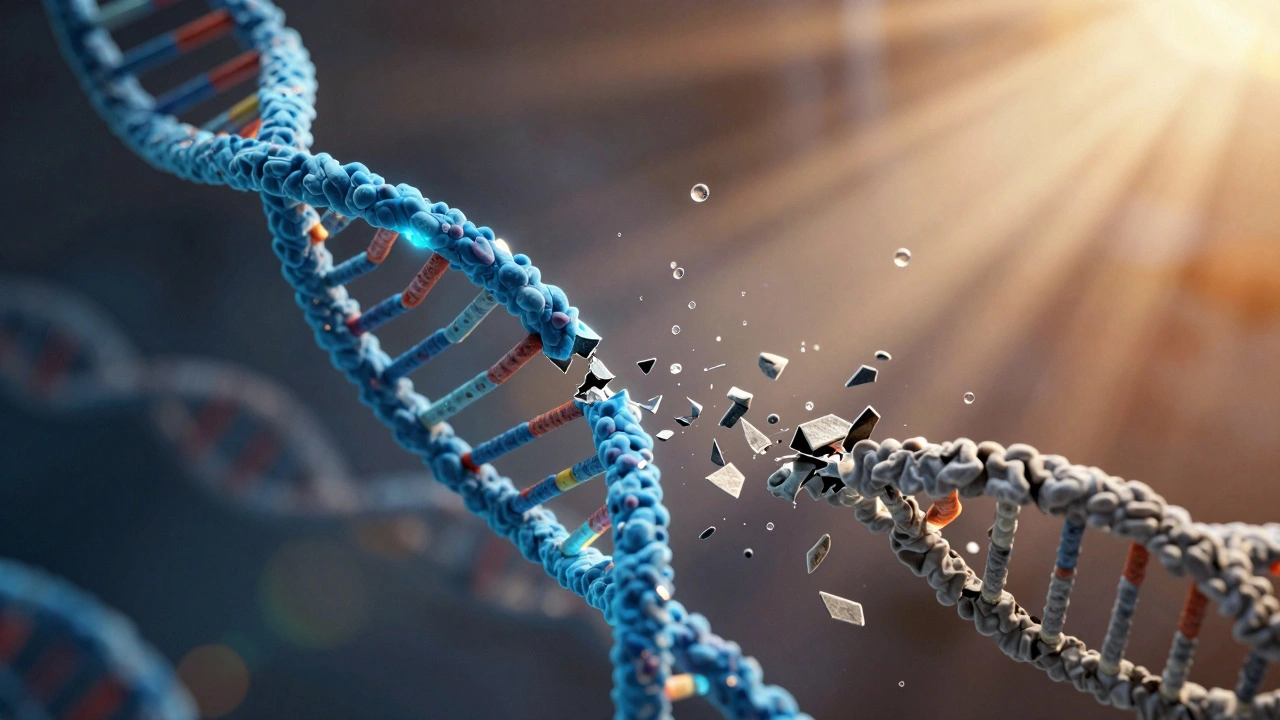
DNA Sample Degradation: How Time, Heat, and Moisture Ruin Forensic Evidence
- By : Ian Brophy
- Date : May 13 2026
Discover how time, heat, and moisture destroy forensic DNA. Learn viability timelines for different samples, prevention strategies, and why proper storage matters for accurate results.
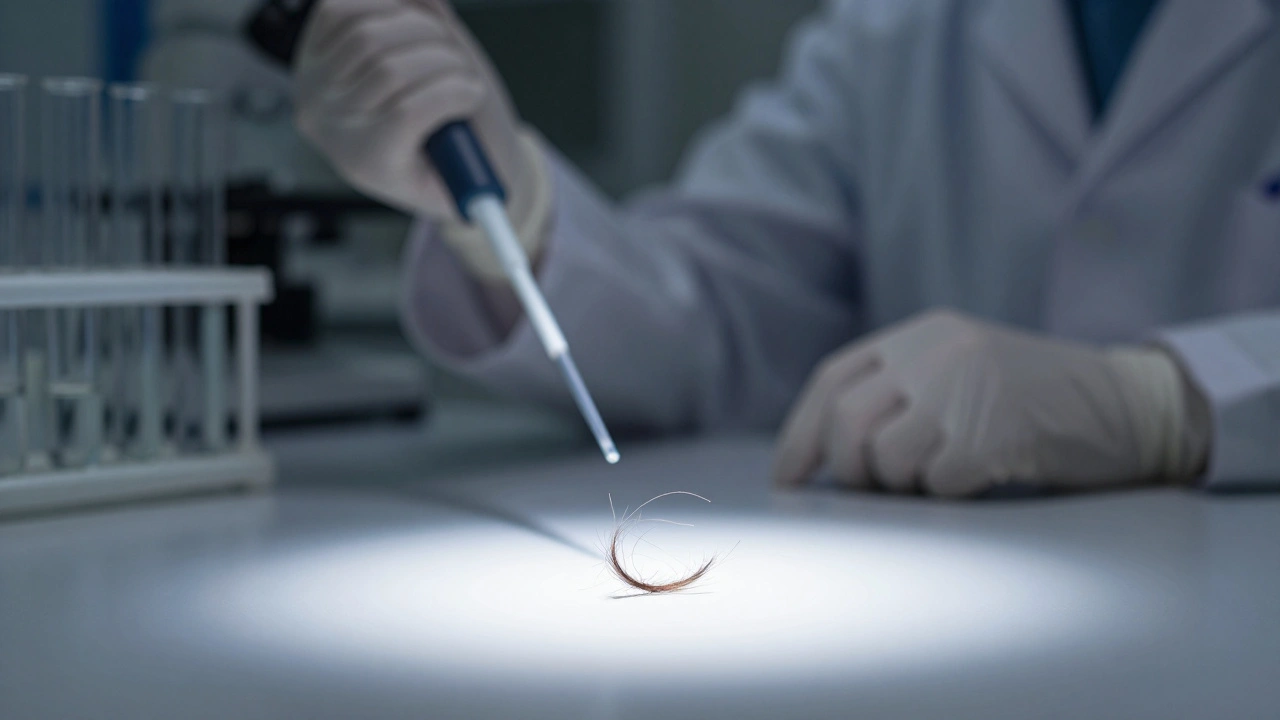
DNA Extraction Process: From Sample to Analysis
- By : Ian Brophy
- Date : May 8 2026
Explore the DNA extraction process from sample lysis to final analysis. Learn about phenol-chloroform, silica-based, and Chelex methods, plus quality control tips for forensic and research applications.
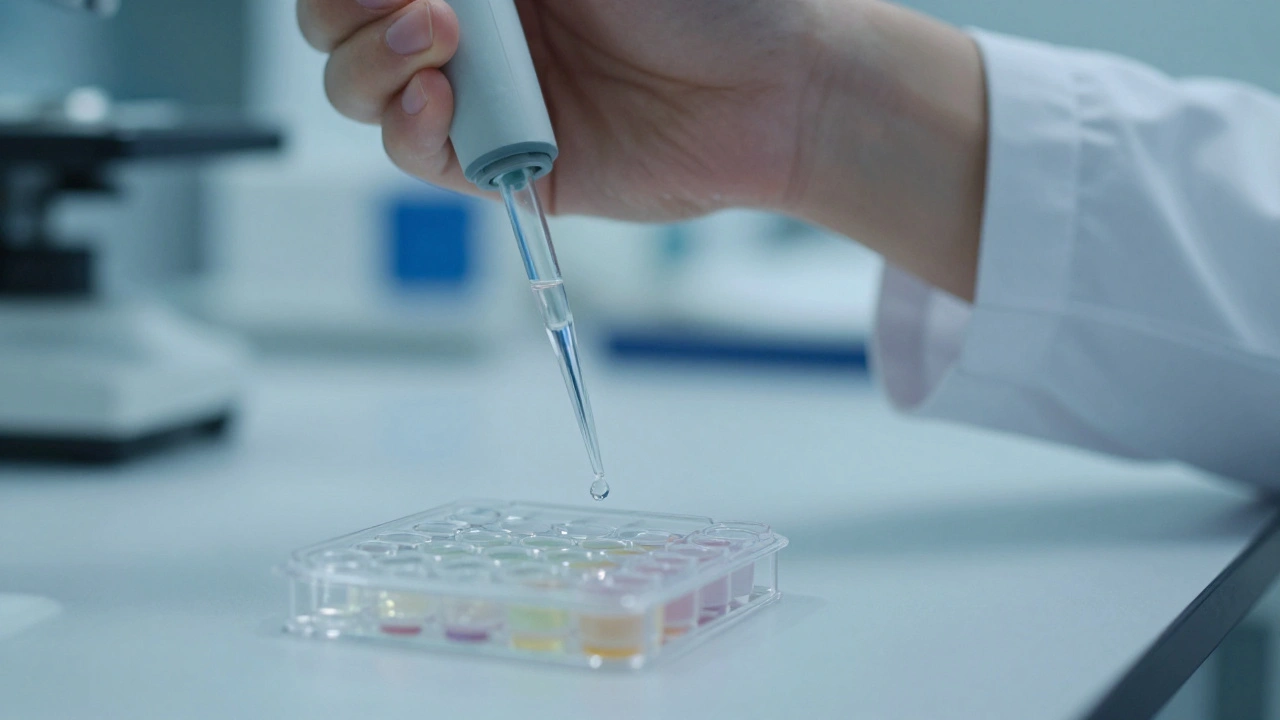
DNA Quant Kits: Choosing the Right Sensitivity and Handling Inhibition
- By : Ian Brophy
- Date : Apr 9 2026
Learn how to choose DNA quantification kits based on sensitivity (pg vs fg) and how to detect and overcome PCR inhibition in forensic samples.
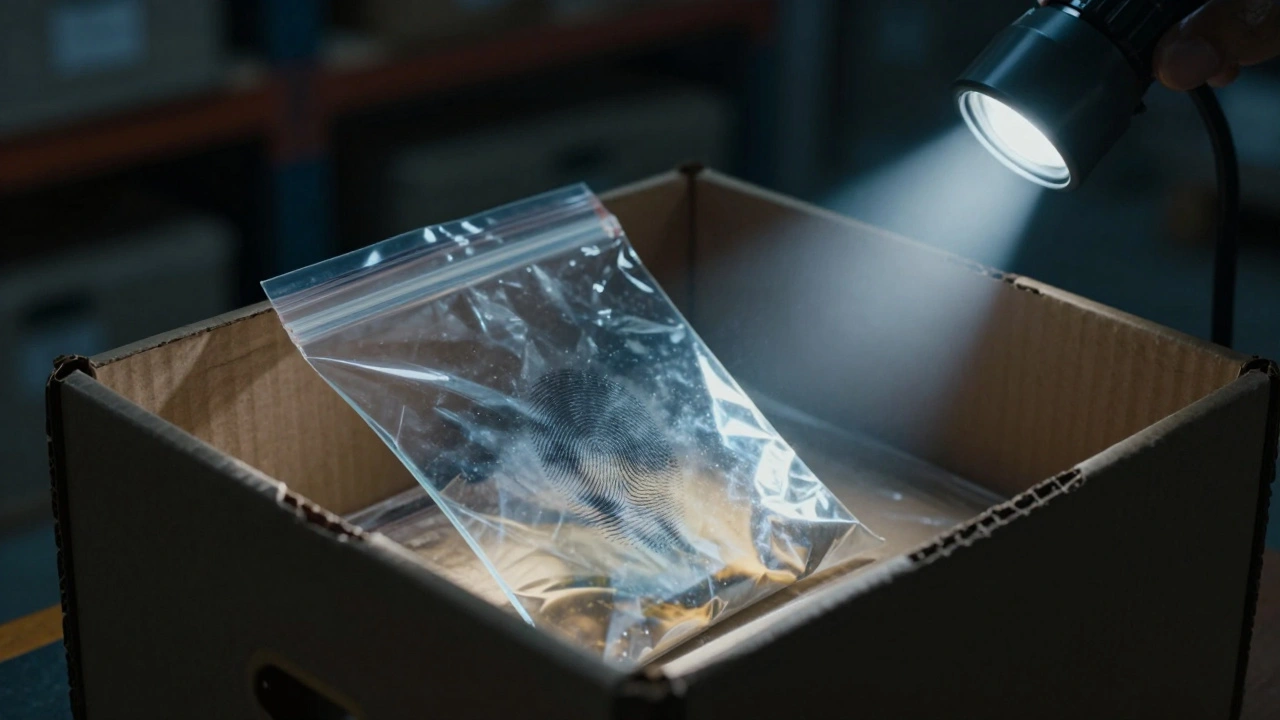
Cold Case Latents: How Modern Forensics Revives Legacy Evidence
- By : Ian Brophy
- Date : Apr 4 2026
Discover how modern fingerprint analysis, AFIS, and genetic genealogy are solving decades-old cold cases by reprocessing legacy evidence with 2026 technology.