Tag: forensic toxicology
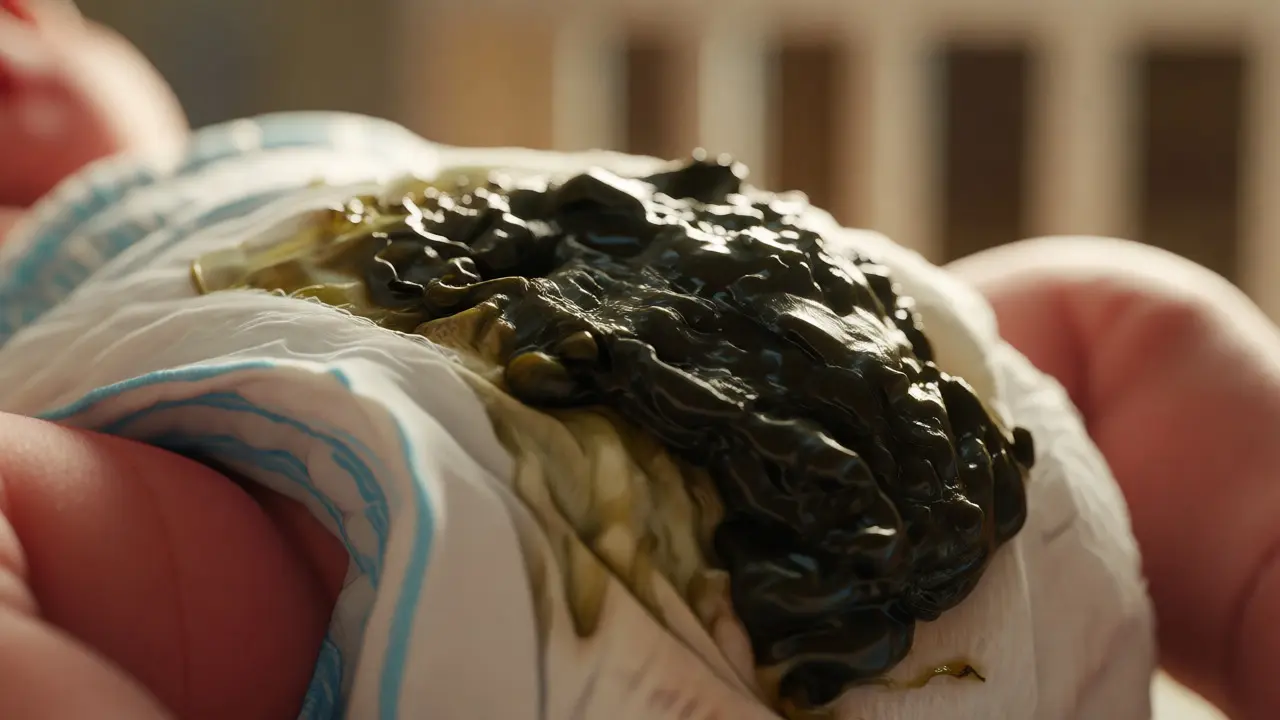
Meconium and Neonatal Toxicology: Understanding Prenatal Drug Exposure
- By : Ian Brophy
- Date : Oct 1 2026
Discover how meconium testing reveals prenatal drug exposure. Learn about detection windows, legal implications, and managing Neonatal Abstinence Syndrome.
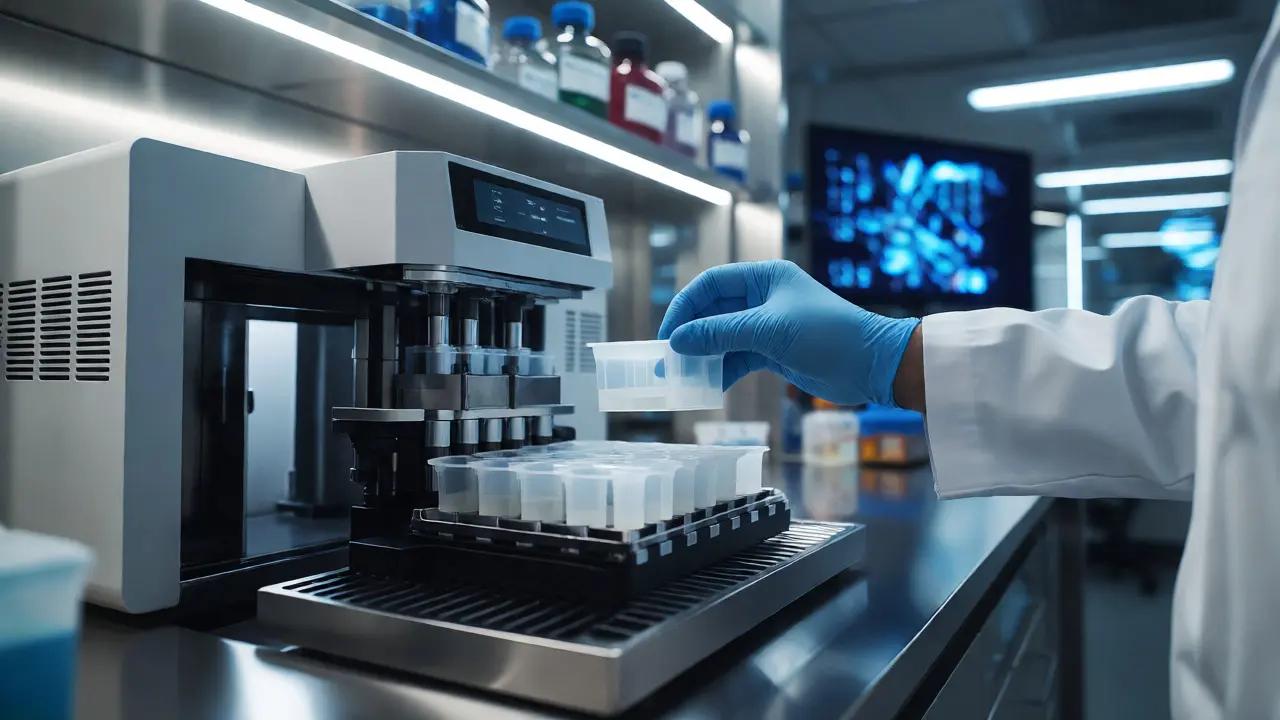
Toxicology Screening: What Tests Detect and How They Work
- By : Ian Brophy
- Date : Sep 28 2026
Discover how toxicology screening works, from rapid immunoassays to precise GC-MS confirmation. Learn what drugs are detected, common pitfalls, and how matrix choice impacts results.
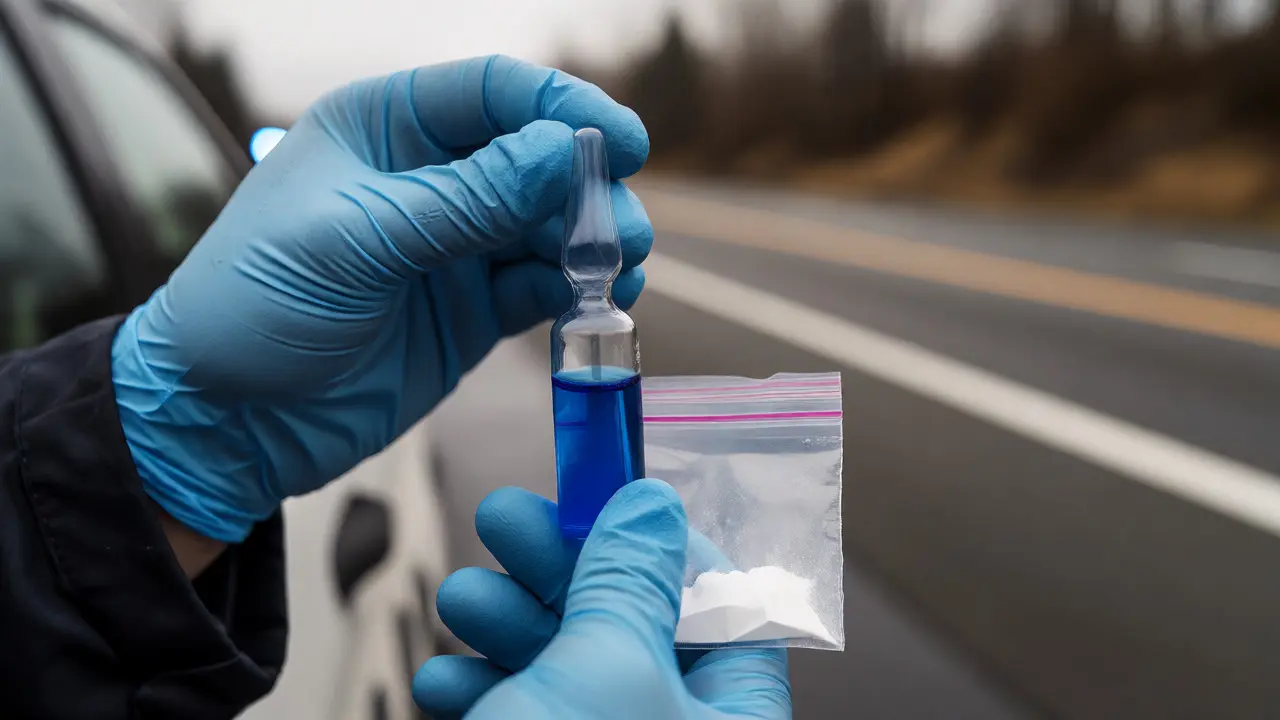
Field Drug Test Kits: Presumptive Evidence Explained
- By : Ian Brophy
- Date : Sep 26 2026
Field drug test kits offer rapid screening for law enforcement but serve only as presumptive evidence. Learn how colorimetric tests work, why false positives happen, and when lab confirmation is legally required.

Toxicology Reporting: Clear Narratives for Non-Scientists
- By : Ian Brophy
- Date : Sep 26 2026
Learn how to transform complex forensic toxicology data into clear, compelling narratives for judges and juries. Master plain language techniques, visual aids, and structured reporting to ensure your expert testimony lands effectively.

Poison Control Data: How Trends Shape Forensic Toxicology
- By : Ian Brophy
- Date : Sep 24 2026
Discover how poison control data informs forensic toxicology. Learn to track emerging drug trends, optimize testing panels, and interpret regional exposure patterns for better investigative outcomes.
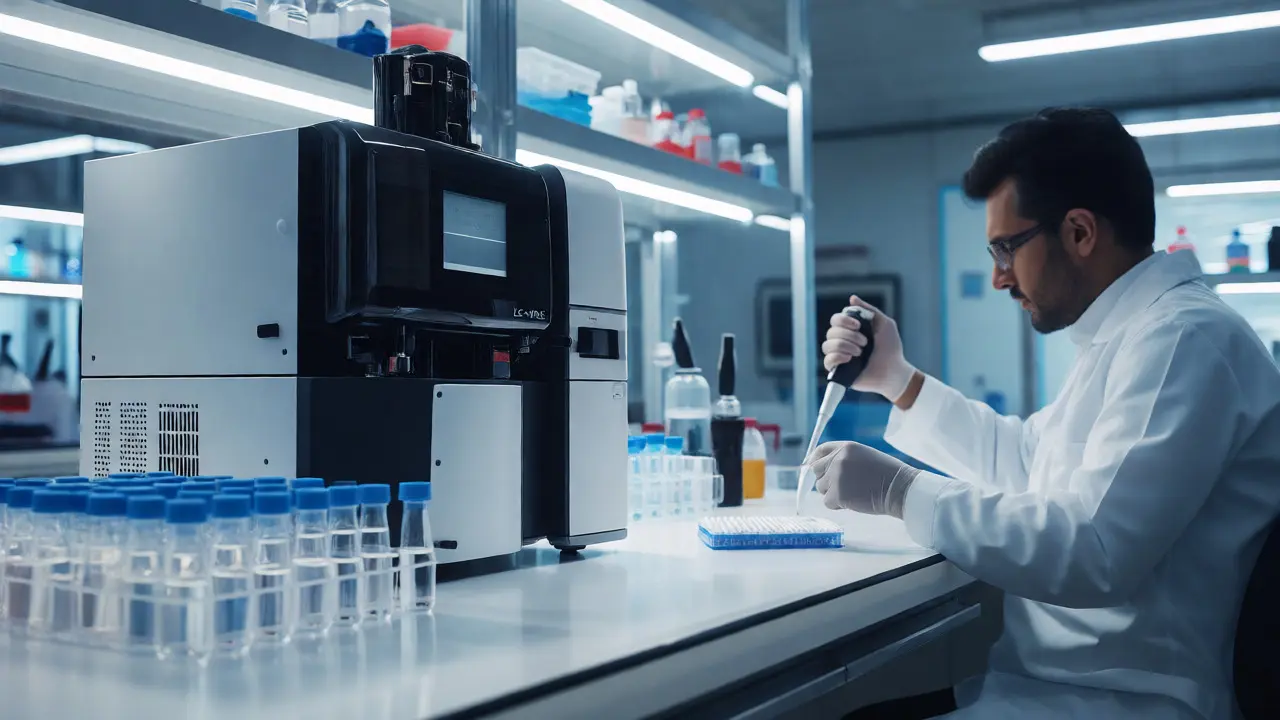
Validation and Uncertainty in Drug Quantitation: A Practical Guide
- By : Ian Brophy
- Date : Sep 11 2026
Learn how to handle validation and uncertainty in drug quantitation. Discover practical steps for method validation, calculating measurement uncertainty, and avoiding common pitfalls in forensic and clinical labs.
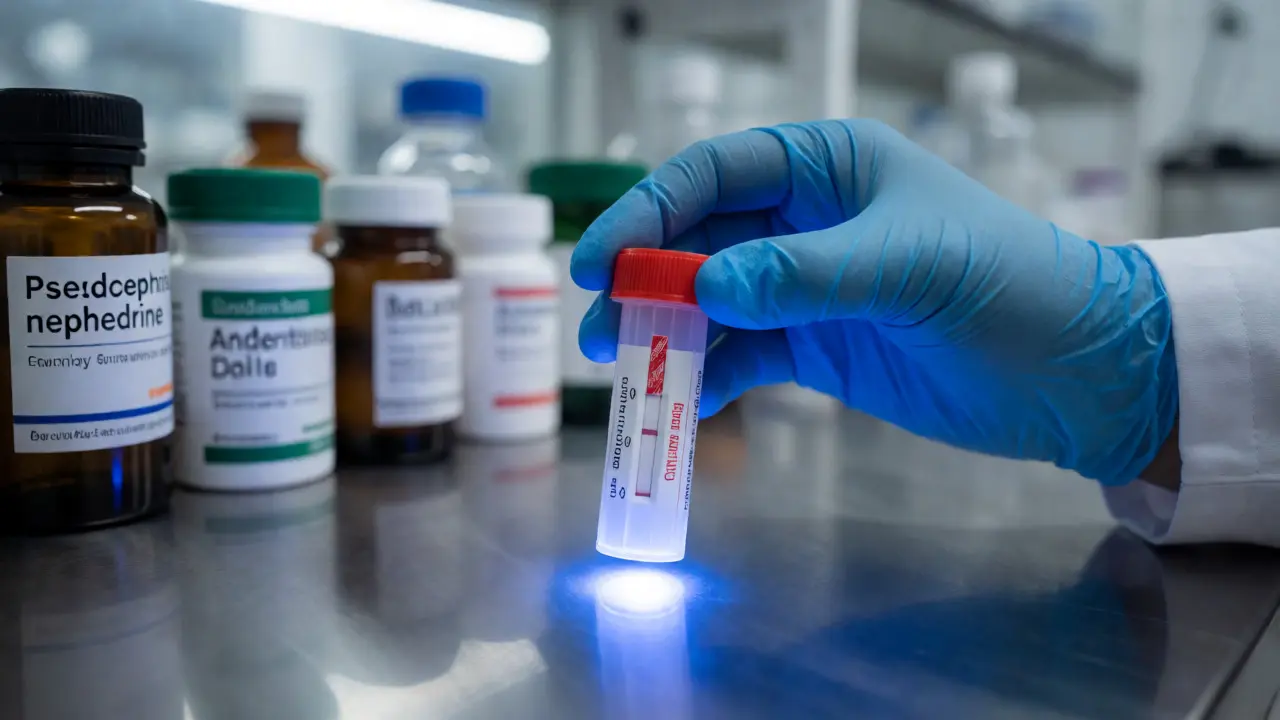
Cross-Reactivity: Understanding False Positives in Drug Testing
- By : Ian Brophy
- Date : Sep 3 2026
Discover how cross-reactivity causes false positives in drug testing. Learn which medications trigger alarms and why confirmatory testing is essential.
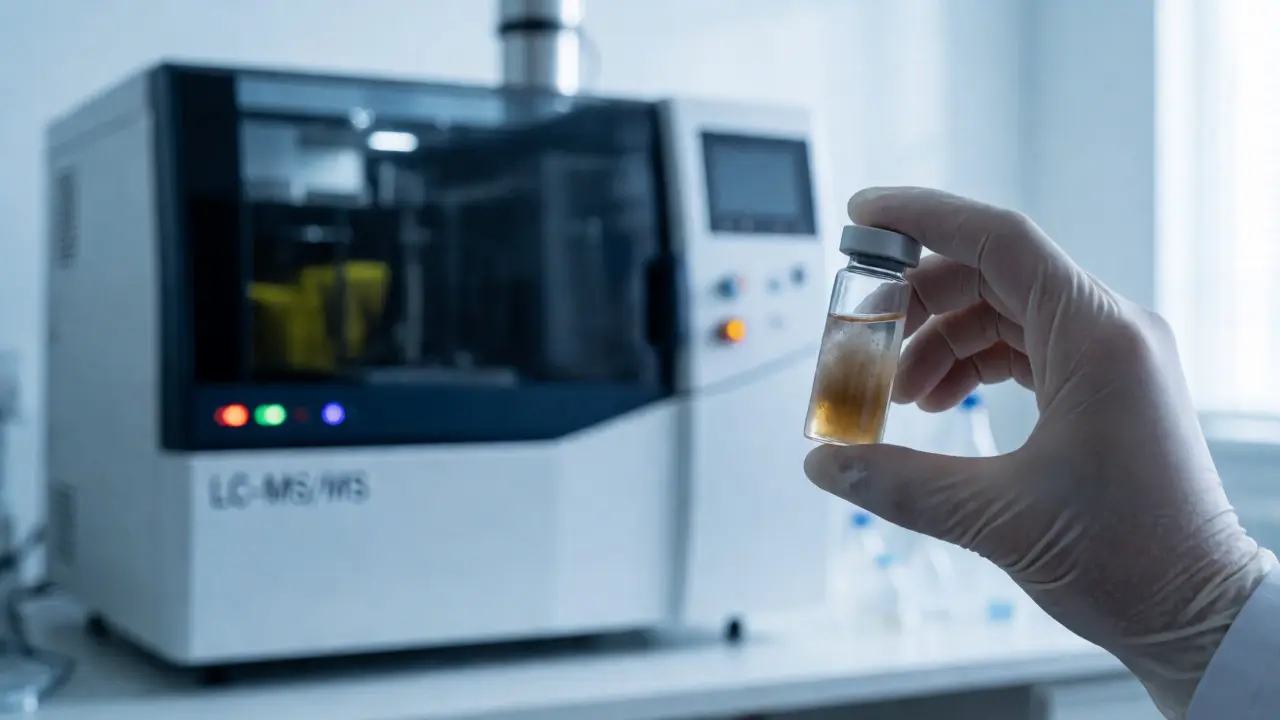
Synthetic Cannabinoids: Evolving Panels and Metabolites in Forensic Toxicology
- By : Ian Brophy
- Date : Aug 31 2026
Synthetic cannabinoids pose a major challenge for forensic toxicology due to their diverse structures and rapid metabolism. Standard THC screens often miss these novel psychoactive substances, requiring advanced LC-MS/MS and HRMS techniques. Learn why targeting specific metabolites is crucial for accurate detection and interpretation.
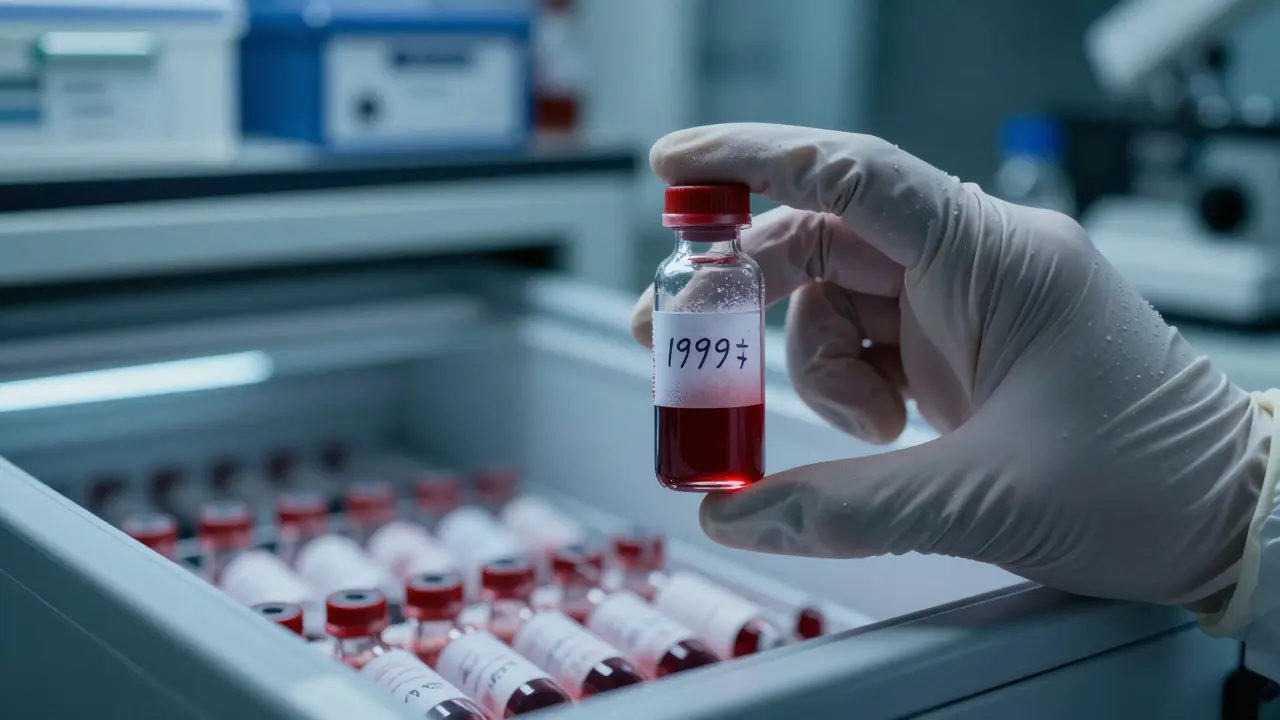
Cold Case Toxicology: How Retrospective Reanalysis Solves Mysteries
- By : Ian Brophy
- Date : Aug 29 2026
Discover how retrospective reanalysis solves mysteries in cold case toxicology. Learn why old samples hold new secrets and how modern tech changes justice.

Toxicology in DUI Cases: Legal Standards & BAC Limits Explained
- By : Ian Brophy
- Date : Aug 28 2026
Explore the legal standards for DUI cases, focusing on BAC limits, testing methods, and the role of forensic toxicology in court.

LC-MS/MS in Drug Analysis: Sensitivity and Selectivity Explained
- By : Ian Brophy
- Date : Aug 21 2026
Explore how LC-MS/MS revolutionizes drug analysis through superior sensitivity and selectivity. Learn about its role in forensic toxicology, validation requirements, and practical applications.

Marijuana Testing: How THC Is Detected and Quantified in Forensic Labs
- By : Ian Brophy
- Date : Aug 17 2026
Explore how forensic labs detect and quantify THC using GC-MS and immunoassays. Learn the differences between blood and urine testing, legal thresholds, and common pitfalls in cannabis toxicology.