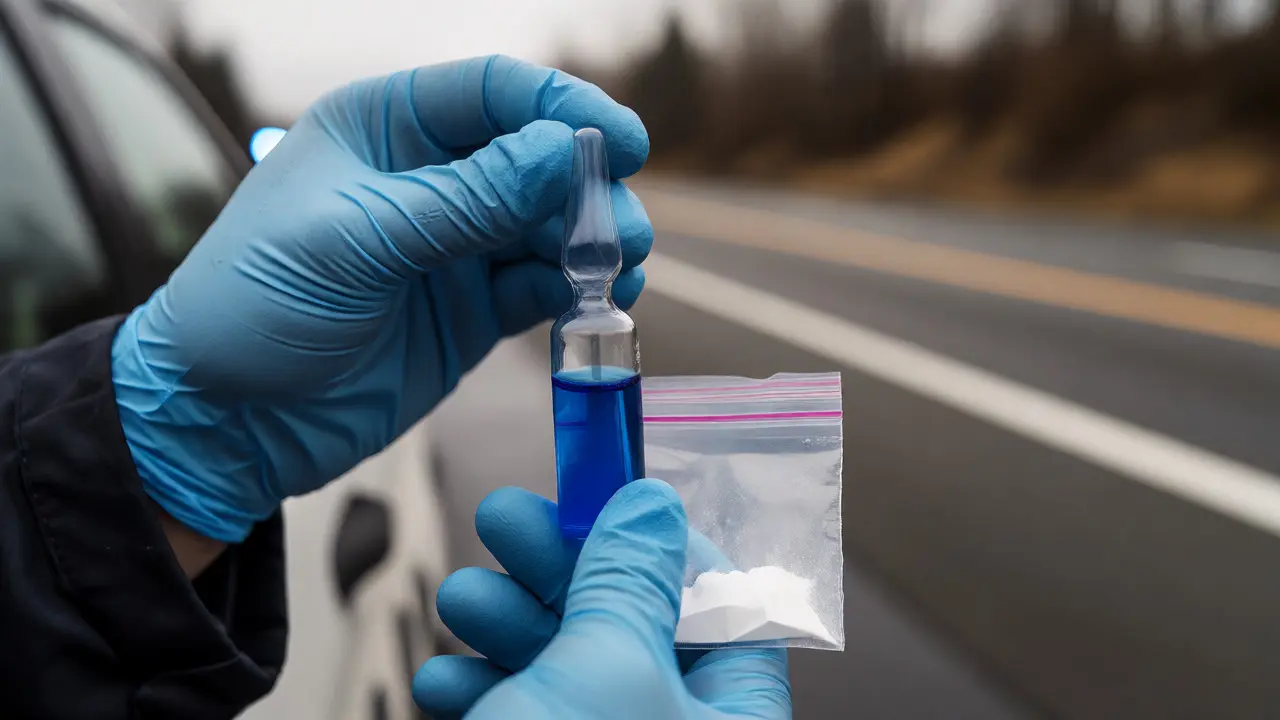
You’re standing on the side of a highway in Portland, Oregon. The suspect’s pocket yields a small, ziplocked baggie containing white powder. You squeeze it into a glass ampoule with a reagent, shake it, and watch the liquid turn blue. Case closed? Not even close. That blue color is a clue, not a conviction. It tells you what might be in the bag, but it doesn’t prove what is there.
This distinction between "likely" and "proven" is the entire game when it comes to field drug test kits. These tools are the workhorses of law enforcement, allowing officers to make immediate decisions about arrests and charges. But relying on them as final proof can lead to wrongful convictions if you don’t understand their limits. Let’s break down how these kits actually work, why they lie sometimes, and what makes their results legally defensible.
The Science Behind the Color Change
At its core, a field drug test kit is a chemical reaction waiting to happen. Most modern kits rely on colorimetric tests, which change color when specific chemicals react with suspected substances. For example, the Marquis reagent turns purple when it touches heroin or morphine. The Scott test turns blue when it encounters cocaine. These reactions aren't magic; they are specific interactions between molecules.
Field Drug Test Kits are portable analytical tools designed for rapid screening of controlled substances at the point of collection. Unlike laboratory instruments that separate compounds, these kits provide an immediate visual indication based on chemical affinity. They are cheap, fast, and require minimal training. But here is the catch: many different substances can produce the same color. This is called cross-reactivity. If a suspect has a legal painkiller that happens to react with the Marquis reagent, you might get a false positive for opioids.
Think of it like using a metal detector. It beeps when it finds metal, but it can’t tell you if it’s a gold ring or a rusty nail. Field kits are the metal detectors of the drug world. They alert you to potential problems, but they don’t identify the object.
Presumptive vs. Confirmatory Testing
In forensic science, we categorize testing into two tiers: presumptive and confirmatory. Understanding this hierarchy is critical for anyone involved in criminal justice, from police officers to defense attorneys.
| Feature | Presumptive (Field) Tests | Confirmatory (Lab) Tests |
|---|---|---|
| Primary Goal | Rapid screening and probable cause | Definitive identification and quantification |
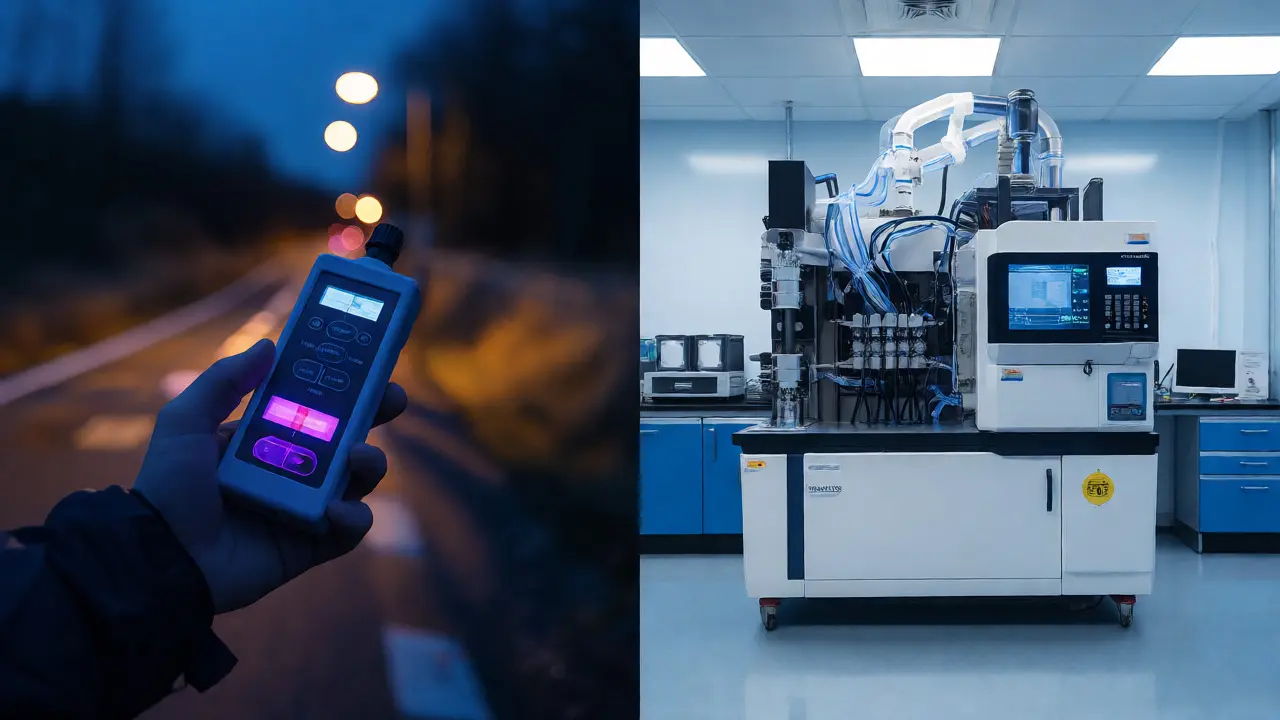
| Technology | Colorimetric chemical reactions | Gas Chromatography-Mass Spectrometry (GC-MS) |
| Cost | $1-$5 per test | $50-$150 per sample |
| Time to Result | Seconds to minutes | Days to weeks |
| Specificity | Low (high risk of false positives) | High (unique molecular fingerprinting) |
Presumptive tests answer the question: "Is it likely this is a drug?" They establish probable cause for arrest. Confirmatory tests answer the question: "Is this definitely Drug X?" They provide the evidence needed for trial. In most jurisdictions, including Oregon, a field test alone is rarely sufficient for a felony conviction without lab confirmation. However, it is often enough to justify detention and search.
Common Pitfalls and False Positives
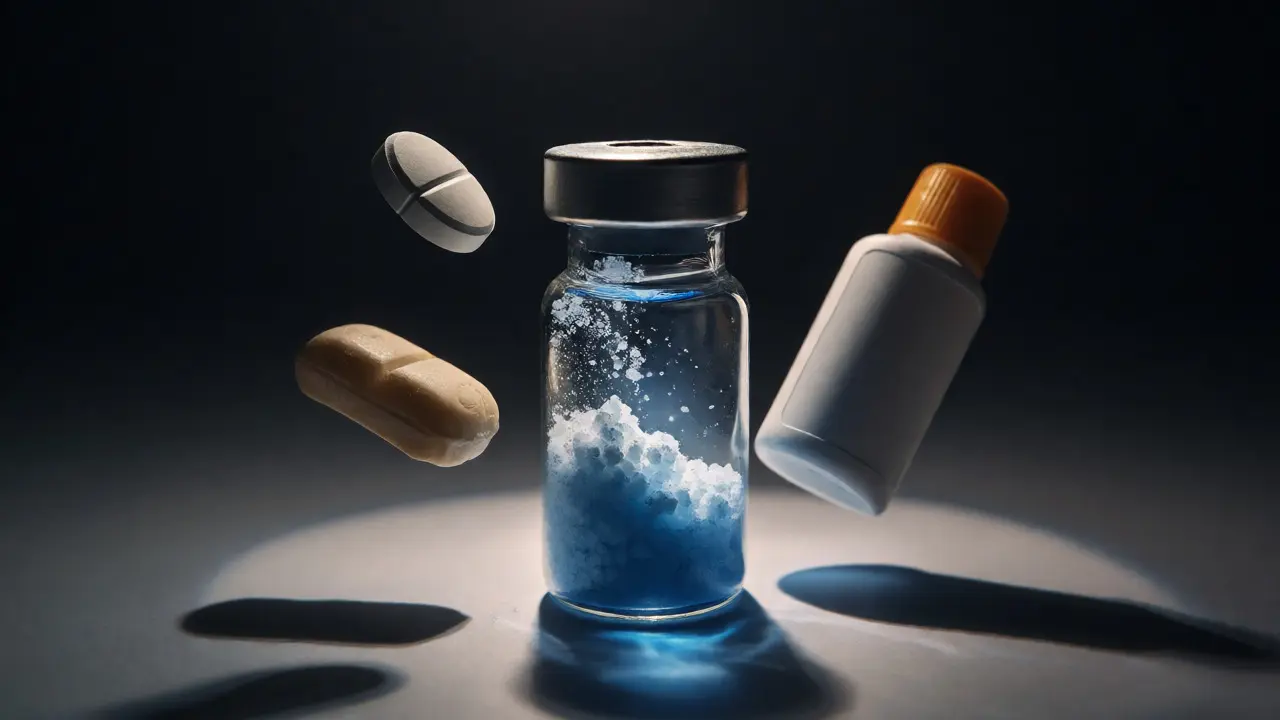
If you’ve ever watched a crime show, you’d think a positive field test means the suspect is going to prison. Real life is messier. False positives are common because over-the-counter medications and household products can mimic illegal drugs chemically.
For instance, pseudoephedrine, found in cold medicines, can trigger a positive result in some amphetamine tests. Acetaminophen (Tylenol) can interfere with opioid tests. Even things like soap residue or cleaning agents left on the packaging can skew results. I once saw a case where a suspect’s white powder tested positive for cocaine using a Scott test, only for the lab to find it was pure mannitol, a sugar alcohol used as a cutting agent. The field kit couldn’t distinguish between the active ingredient and the filler.
Here are three major reasons field tests fail:
- Cross-Reactivity: Legal substances reacting similarly to illegal ones.
- Contamination: Residue from previous tests or environmental factors affecting the reagent.
- User Error: Incorrect mixing ratios, expired kits, or misinterpreting faint colors.
Because of these risks, best practice dictates that a negative field test doesn’t mean "no drugs." It just means "not detected by this method." A positive field test doesn’t mean "guilty." It means "needs further analysis."
Legal Weight and Chain of Custody
So, how much does a field test count in court? It depends on the jurisdiction and the specific charge. Generally, field tests support probable cause for arrest and search warrants. They are less reliable for proving guilt beyond a reasonable doubt. Defense attorneys frequently challenge field test results by pointing out the lack of specificity.
To keep a field test admissible, you must maintain a strict Chain of Custody. This is the documented trail of who handled the evidence, when, and under what conditions. If the seal on the evidence bag is broken, or if the officer can’t recall exactly when the test was performed, the result may be thrown out.
Documentation matters more than the color itself. Officers should record:
- The time and location of the test.
- The lot number and expiration date of the kit.
- A photo of the resulting color change (if possible).
- The identity of the person performing the test.
Without this paper trail, even a clear blue reaction is just a rumor. Courts want reproducibility. If another officer tested the same substance tomorrow, would they get the same result? If the answer is no, the evidence is weak.
Modern Alternatives and Future Trends
Chemical color tests aren’t the only option anymore. Technology is catching up to the need for faster, more accurate field results. Portable spectrometers, such as Raman spectroscopy devices, are becoming more affordable. These handheld scanners shine a laser on a substance and analyze the light scattering pattern to identify the molecule directly. No chemical reaction, no color guessing.
Raman Spectroscopy is a non-destructive technique that provides a molecular fingerprint of a substance, offering higher specificity than traditional color tests. While expensive compared to $2 test strips, these devices reduce false positives significantly. Some departments are piloting programs where officers carry both kits: the cheap chemical strip for initial screening and the scanner for verification before making an arrest.
Another trend is immunoassay-based tests, similar to pregnancy tests. These use antibodies to detect specific drug classes. They are more specific than color tests but still not as precise as GC-MS. As costs drop, we’ll likely see a shift away from purely chemical tests toward hybrid approaches that combine speed with better accuracy.
Best Practices for Accurate Results
If you’re using field kits, follow these rules to minimize errors:
- Check Expiration Dates: Reagents degrade over time. An old kit might give a weak or misleading color.
- Use Clean Tools: Never reuse pipettes or ampoules. Cross-contamination is a leading cause of false positives.
- Follow Instructions Exactly: Shake times, temperature requirements, and mixing ratios matter. Deviating from the protocol invalidates the result.
- Document Everything: Take photos. Write notes. Assume your memory will fail you six months later in court.
- Know Your Limits: If the color is ambiguous, treat it as inconclusive. Don’t force a result.
Remember, the goal isn’t to be right every time. The goal is to be honest about what the tool can and cannot do. Overstating the power of a field test hurts the credibility of the entire investigation.
Can a field drug test be wrong?
Yes, field drug tests have high rates of false positives due to cross-reactivity with legal substances like cold medicines, vitamins, and household cleaners. They are screening tools, not definitive identifiers.
Is a positive field test enough for a conviction?
In most jurisdictions, no. A positive field test establishes probable cause for arrest, but a confirmatory lab test (like GC-MS) is usually required to prove the presence of a specific controlled substance beyond a reasonable doubt.
How long do field drug test kits last?
Most kits have a shelf life of 12 to 24 months if stored properly. Always check the expiration date printed on the package, as degraded reagents can produce inaccurate color changes.
What is the difference between presumptive and confirmatory tests?
Presumptive tests (field kits) provide rapid, low-cost screening with lower specificity. Confirmatory tests (lab analysis) use advanced instrumentation to definitively identify and quantify substances, serving as the primary evidence in court.
Why do field tests sometimes show false negatives?
False negatives can occur if the substance concentration is too low, if the sample is heavily cut with inert fillers, or if the user error occurs during the testing process, such as insufficient mixing or incorrect interpretation of faint colors.