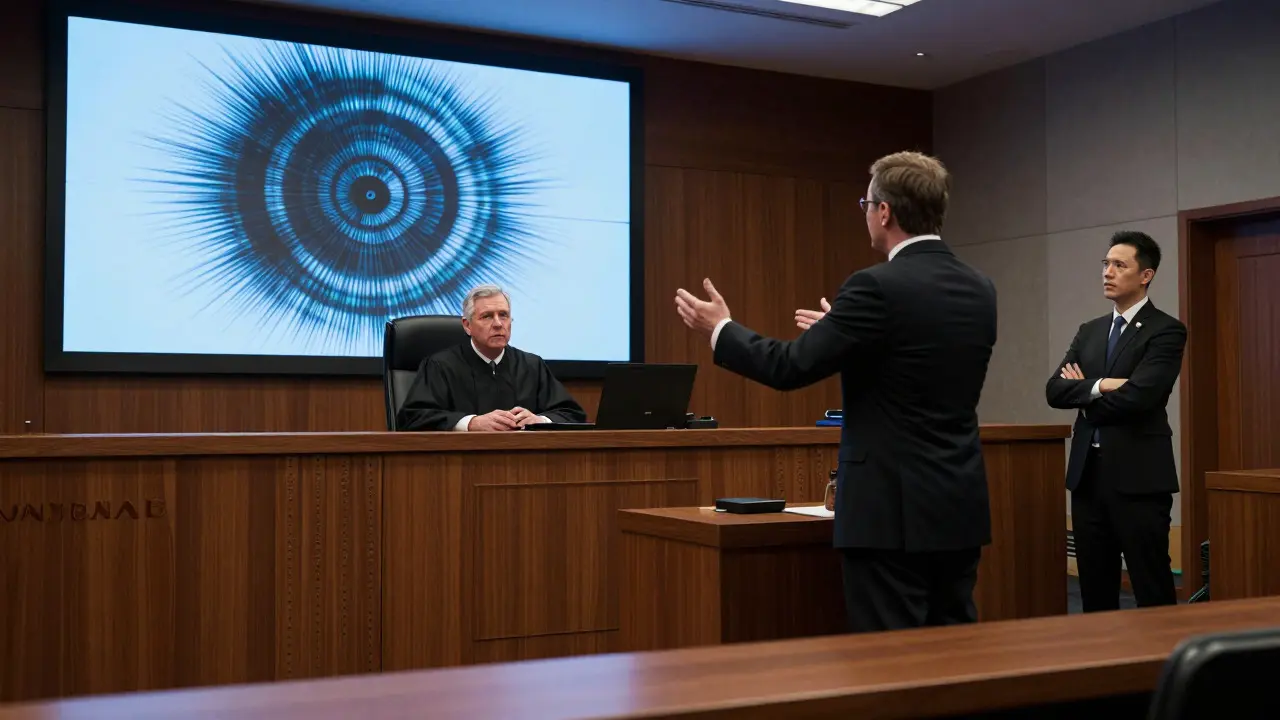
Imagine standing in a courtroom where the fate of a person's life hangs on whether a bullet fired from a specific gun. The witness is a forensic examiner, not an eyewitness. They claim they can match a spent cartridge case to a firearm with near-certainty. But is that science or just experience? This is the core tension surrounding ballistics evidence in modern courts. While it has been used for decades, its scientific foundation has faced significant scrutiny, leading to shifts in how judges and juries view its weight.
The debate isn't about whether bullets leave marks; it's about whether those marks are unique enough to identify a single source with high confidence. For lawyers, investigators, and jurors, understanding the current state of this evidence is critical. It’s no longer enough to simply say "the lab said so." You need to know what standards govern its admission and what pitfalls could undermine a case.
The Science Behind Firearms Identification
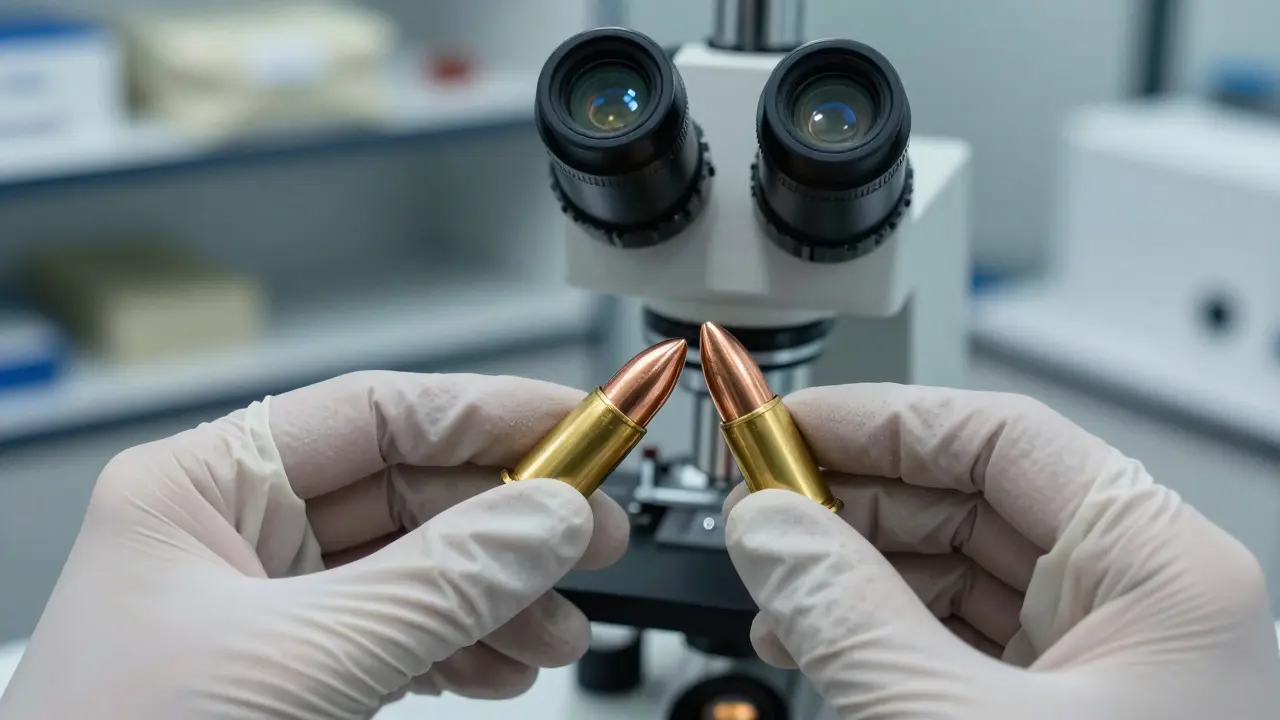
To understand the legal battles, you first have to grasp the mechanics. When a firearm fires, the barrel imposes unique striations on the projectile, and the firing pin leaves distinct impressions on the cartridge head. Forensic examiners compare these microscopic patterns using comparison microscopes. The central entity here is Firearms Identification, which is a forensic discipline that matches tool marks on ammunition to specific guns. It relies on the premise that manufacturing imperfections create unique friction ridges on metal surfaces.
However, critics argue that these marks can be transferred or altered by handling, transport, or even the act of firing itself. The process involves several key steps:
- Extraction: Recovering bullets and casings from crime scenes or victims.
- Comparison: Using a comparison microscope to align test-fired ammunition with recovered items.
- Identification: Determining if the pattern match is sufficient to rule out other sources.
The reliability hinges on the consistency of these marks across different shots and conditions. If a gun wears down over time, do the marks change? Yes. Does that invalidate the match? Not necessarily, but it adds complexity to the analysis that must be addressed in court.
The Legal Standard: Daubert and Frye
In the United States, the admissibility of scientific evidence is governed primarily by the Daubert Standard, established in the 1993 Supreme Court case Daubert v. Merrell Dow Pharmaceuticals. This standard requires judges to act as gatekeepers, ensuring that expert testimony is based on reliable scientific principles. Before Daubert, many jurisdictions used the Frye test, which asked if the technique was generally accepted in the relevant scientific community.
Under Daubert, four factors are typically considered:
- Testability: Can the theory be tested?
- Peer Review: Has the method been subjected to peer review?
- Error Rate: Is there a known potential error rate?
- General Acceptance: Is the technique widely accepted in the scientific community?
For ballistics, the "error rate" question is particularly tricky. Unlike DNA profiling, which has a well-defined statistical probability, firearms identification often relies on qualitative judgments. Examiners might say "it’s a match" without assigning a numerical probability. This lack of quantifiable error rates has been a major point of contention in recent years.
Challenges to Reliability in Recent Cases
High-profile cases have brought the limitations of ballistics into sharp focus. One notable example is the case of United States v. Skaggs, where the defense successfully challenged the reliability of certain ballistic matches due to insufficient documentation and training records. Another landmark moment came with the National Academy of Sciences (NAS) report in 2009, which concluded that while firearms examination is useful, it lacks rigorous validation studies to support definitive identifications.
The NAS report highlighted several issues:
- Lack of standardized protocols for testing.
- Insufficient data on how much wear affects mark uniqueness.
- Subjectivity in the decision-making process of examiners.
These findings didn't banish ballistics from courtrooms, but they forced labs to improve their documentation and methods. Today, many laboratories follow guidelines set by the Society of Forensic Scientists and other professional bodies, which emphasize reproducibility and transparency.
Comparing Ballistics to Other Forensic Disciplines
To put ballistics in perspective, it helps to compare it with other forensic techniques. DNA analysis, for instance, is backed by robust statistical frameworks. Fingerprint analysis, like ballistics, relies on pattern matching but has undergone more extensive validation studies in recent decades.
| Technique | Statistical Basis | Validation Status | Courtroom Acceptance |
|---|---|---|---|
| Ballistics/Firearms ID | Qualitative (low) | Moderate (improving) | Generally Admissible |
| DNA Profiling | Quantitative (high) | Strong | Widely Accepted |
| Fingerprint Analysis | Qualitative (moderate) | Strong (recent studies) | Widely Accepted |
| Bite Mark Analysis | Weak | Poor | Increasingly Challenged |
This table illustrates that while ballistics is not as statistically robust as DNA, it holds up better than some older techniques like bite mark analysis. The key difference is that ballistics deals with hard, durable materials (metal), whereas soft tissue evidence degrades quickly.
Practical Tips for Handling Ballistic Evidence
If you’re involved in a case involving firearms, how you handle the evidence matters as much as the analysis. Contamination can ruin a match. Here are practical steps to ensure integrity:
- Preserve Context: Document the exact location where each piece of ammunition was found. A bullet found under a car seat has a different trajectory implication than one found in a wall.
- Avoid Cross-Contamination: Use fresh gloves and tweezers for each item. Never place multiple casings together without individual packaging.
- Chain of Custody: Maintain a strict log of who handled the evidence and when. Any gap in the chain can be exploited by the defense.
- Request Independent Review: In complex cases, consider having a second laboratory verify the findings. This strengthens the prosecution’s position and preempts defense challenges.
Remember, the goal is not just to prove a gun fired, but to prove which gun fired, and under what circumstances. Every detail counts.
The Future of Ballistic Technology
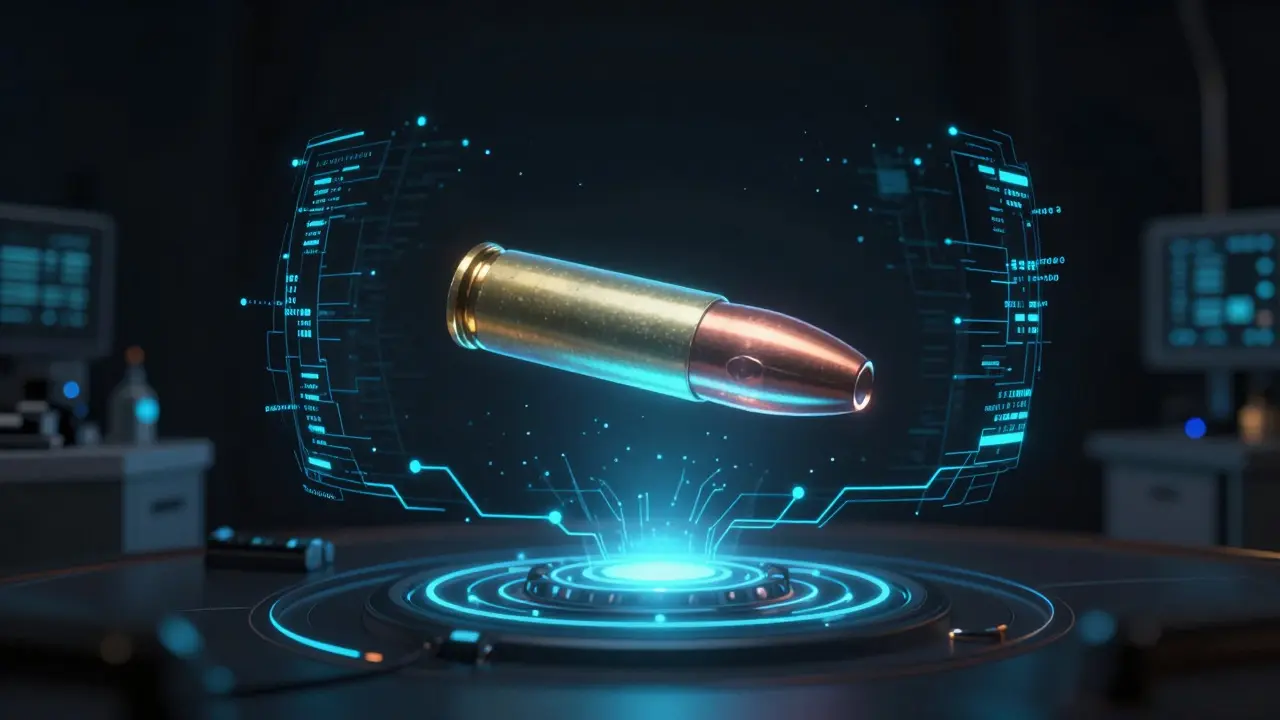
Technology is changing the landscape. Automated ballistic imaging systems, such as the Integrated Ballistic Information Network (IBIN), allow for rapid digital comparisons of cartridge heads. These systems use algorithms to identify similar patterns across databases, speeding up investigations. However, they still require human verification. The machine suggests a match; the examiner confirms it.
Future developments may include 3D scanning and AI-driven pattern recognition, which could reduce subjectivity. But until then, the human element remains central. Judges will continue to scrutinize the qualifications of the examiner and the rigor of the methodology. Staying updated on new validation studies and court rulings is essential for anyone working in this field.
Frequently Asked Questions
Is ballistics evidence always admissible in court?
Not automatically. Under the Daubert standard, the judge must determine if the method is scientifically valid and reliably applied. If the lab fails to document its procedures or if the examiner lacks proper training, the evidence can be excluded.
Can a single bullet match a specific gun?
Yes, but it depends on the condition of the bullet and the gun. If the bullet is heavily damaged or the gun has worn significantly, the match may be less conclusive. Multiple pieces of evidence (bullets and casings) strengthen the case.
What is the main criticism of firearms identification?
The primary criticism is the lack of quantitative error rates. Critics argue that because examiners rely on subjective visual comparisons, there is no objective way to measure how often mistakes occur.
How does wear affect ballistic evidence?
As a gun is fired repeatedly, the internal components wear down, causing the unique striations to change. This means a gun from ten years ago may produce slightly different marks than it did today. Examiners must account for this variability.
Are automated systems replacing human examiners?
No, not yet. Automated systems like IBIN help narrow down potential matches quickly, but final identification still requires a certified forensic examiner to verify the results under a microscope.