Tag: forensic documentation
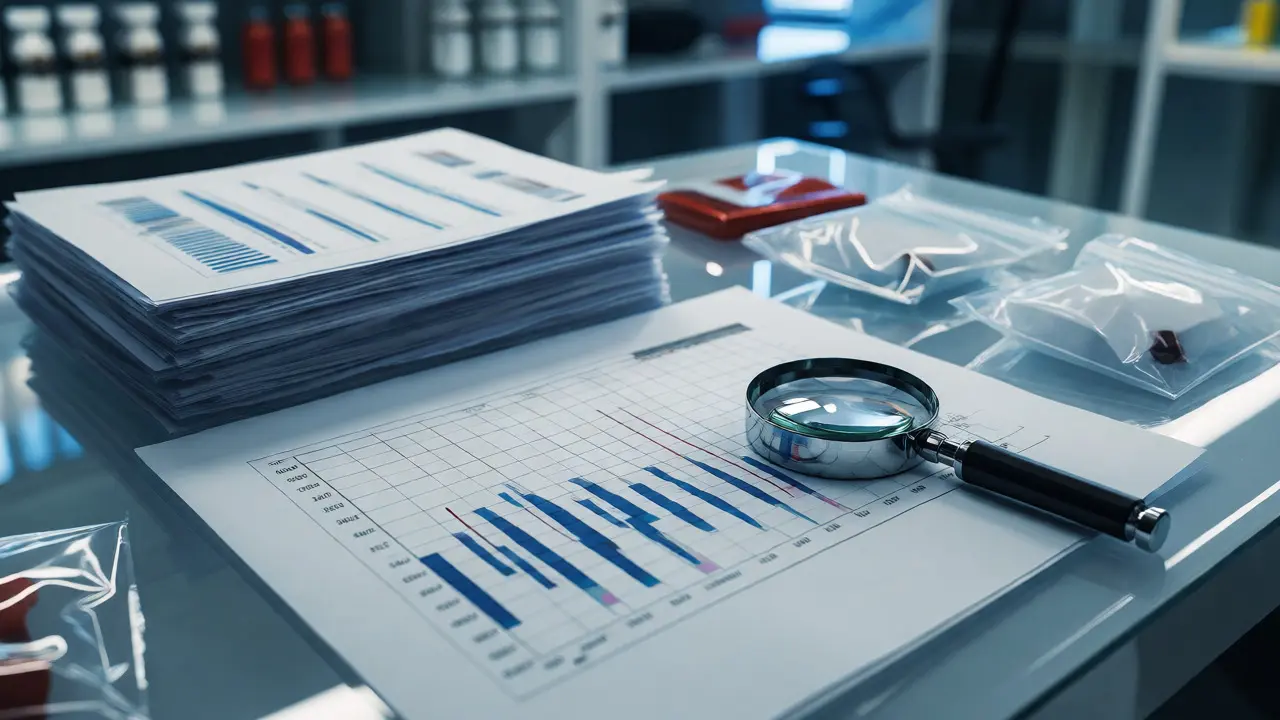
Forensic Report Writing: Best Practices for Clear, Court-Ready Documentation
- By : Ian Brophy
- Date : Sep 15 2026
Master forensic report writing with best practices for clarity, structure, and legal accuracy. Learn how to write court-ready documents that withstand cross-examination.
Electronic Report Systems in Forensics: Digital Documentation Tools
- By : Ian Brophy
- Date : Sep 13 2026
Discover how electronic report systems transform forensic labs by replacing paper with digital documentation tools. Learn about chain of custody benefits, security compliance, and implementation strategies.
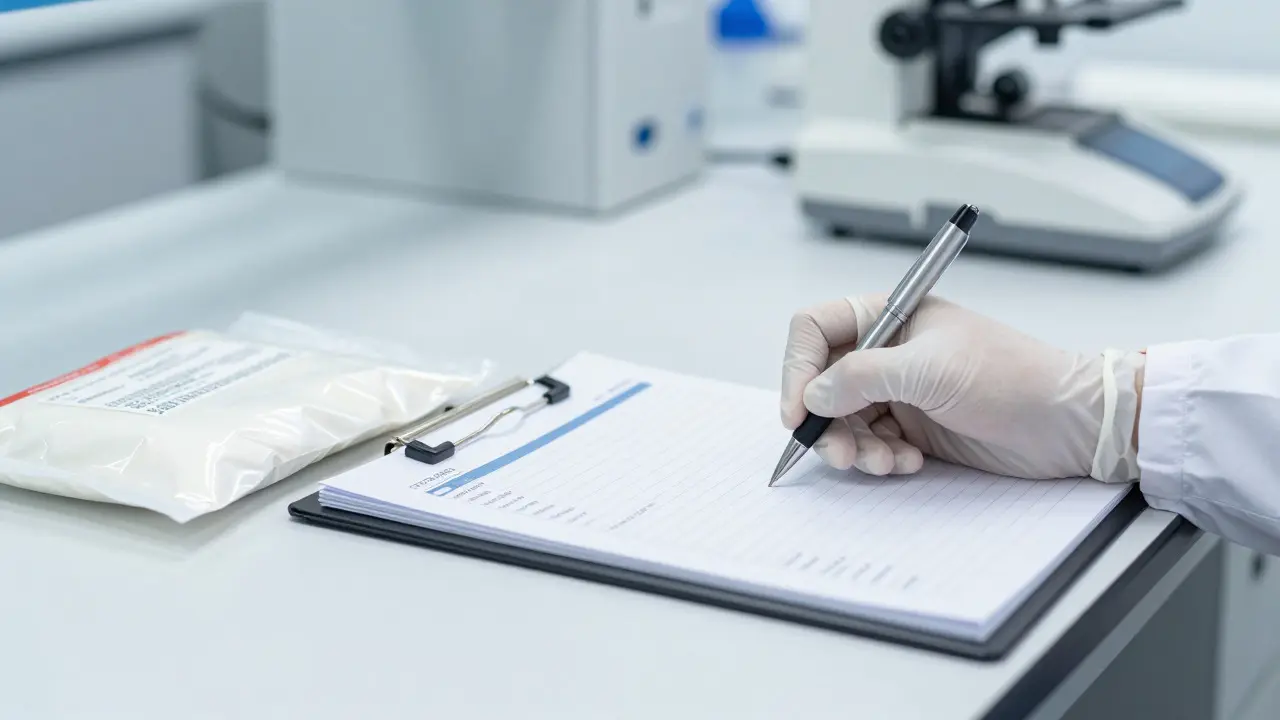
Forensic Report Structure: Essential Components for Admissibility
- By : Ian Brophy
- Date : Aug 28 2026
Learn the essential components of a forensic report structure, from chain of custody to conclusions. Avoid common mistakes that lead to evidence suppression.

Evidence Description: The Complete Guide to Documenting Physical Items
- By : Ian Brophy
- Date : Aug 24 2026
Learn how to write precise, court-ready evidence descriptions for physical items. This guide covers key components, common pitfalls, and best practices for documenting forensic evidence effectively.

Long-Range, Medium-Range, and Close-Up Photography: A Guide to Scene Imaging
- By : Ian Brophy
- Date : Aug 17 2026
Learn how to master long-range, medium-range, and close-up photography for effective scene imaging. Discover technical tips, equipment needs, and common pitfalls to avoid.

Witness Injury Photography: Standardized Clinical Techniques for Forensic Accuracy
- By : Ian Brophy
- Date : Aug 17 2026
Learn standardized clinical techniques for witness injury photography. Master the three-shot protocol, lighting setups, and equipment needed for forensically sound documentation.
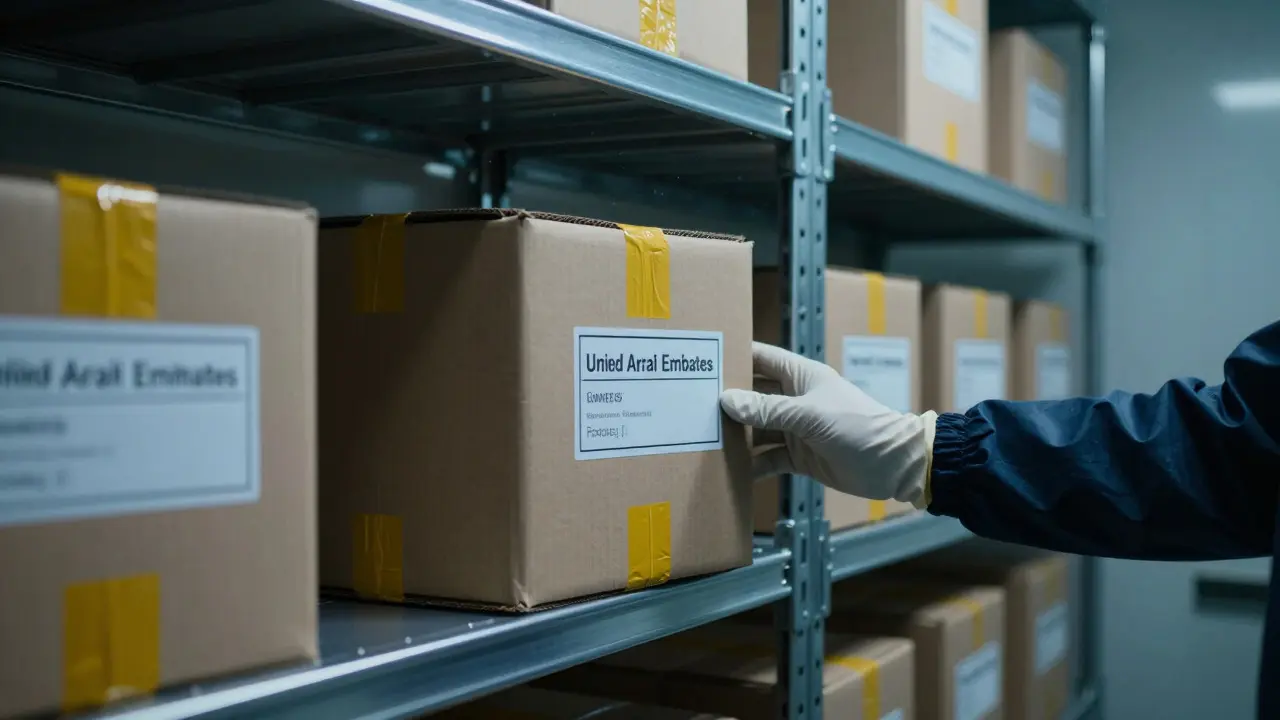
Archive Retrievals: How to Document Evidence Re-Examination Correctly
- By : Ian Brophy
- Date : Aug 17 2026
Learn how to handle archive retrievals correctly. This guide covers documenting evidence re-examination, maintaining chain of custody, and avoiding common pitfalls that void forensic findings.
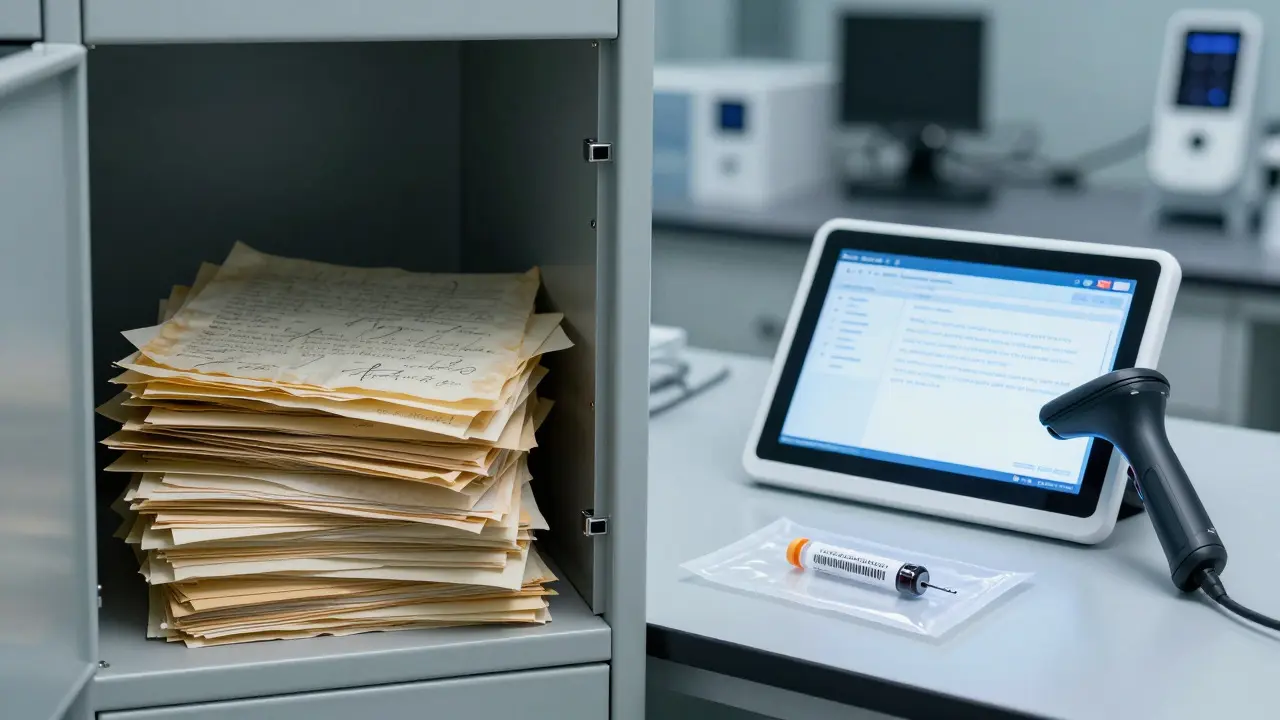
Chain of Custody Records: Digital vs. Paper Documentation in Forensics
- By : Ian Brophy
- Date : Aug 17 2026
Compare digital and paper chain of custody methods. Learn how Evidence Management Systems reduce errors and improve legal admissibility in modern forensics.
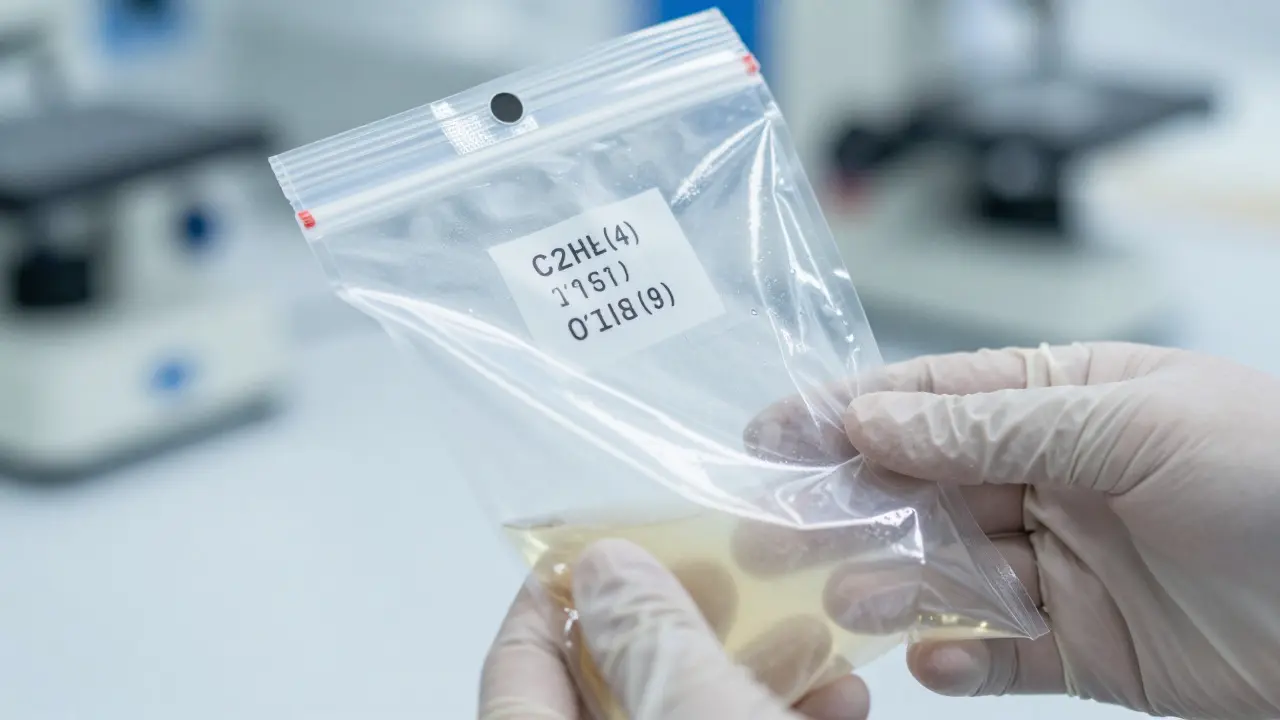
Chain of Custody Documentation: Required Information for Legal Validity
- By : Ian Brophy
- Date : Aug 16 2026
Learn the essential elements of chain of custody documentation, including required data fields, common pitfalls, and best practices to ensure legal admissibility of forensic evidence.
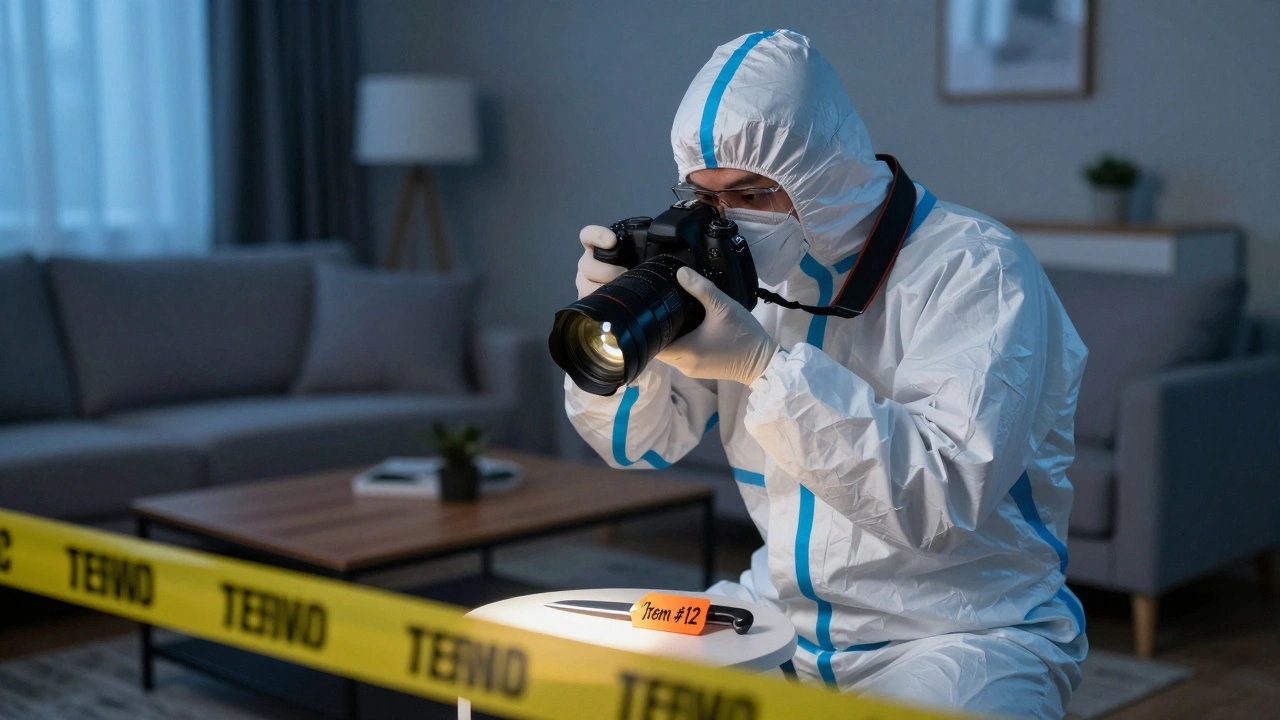
How to Build an Evidence Photo Log: Linking Images to Items
- By : Ian Brophy
- Date : May 26 2026
Learn how to create an effective evidence photo log to link images to specific items. Covers SWGDE guidelines, chain of custody, and best practices for forensic documentation.
Objective Writing in Forensic Reports: How to Eliminate Bias
- By : Ian Brophy
- Date : May 22 2026
Learn how to write objective forensic reports by eliminating bias through neutral language, precise data, and structured workflows. Includes practical examples and a bias-check checklist.
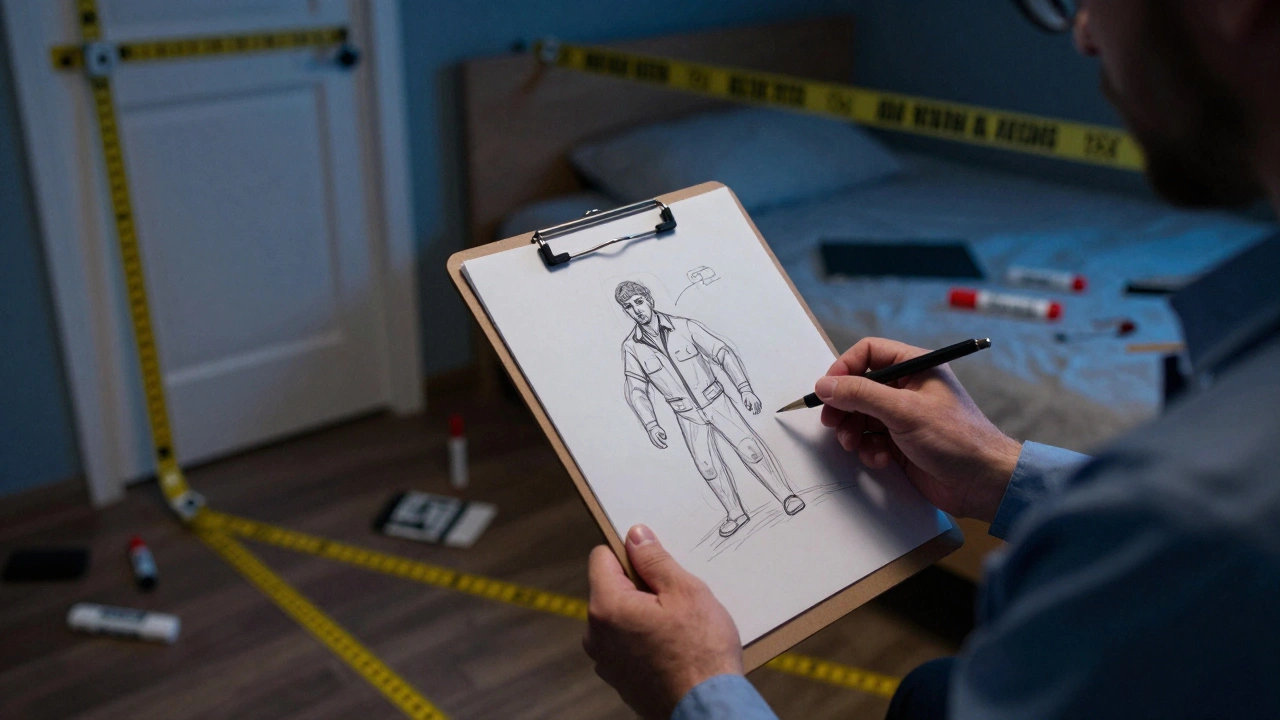
Crime Scene Sketching: Mastering Scaled Diagrams and Orientation Methods
- By : Ian Brophy
- Date : May 14 2026
Master crime scene sketching with this guide to scaled diagrams and orientation methods. Learn when to use triangulation, baseline, and polar coordinates for accurate forensic documentation.