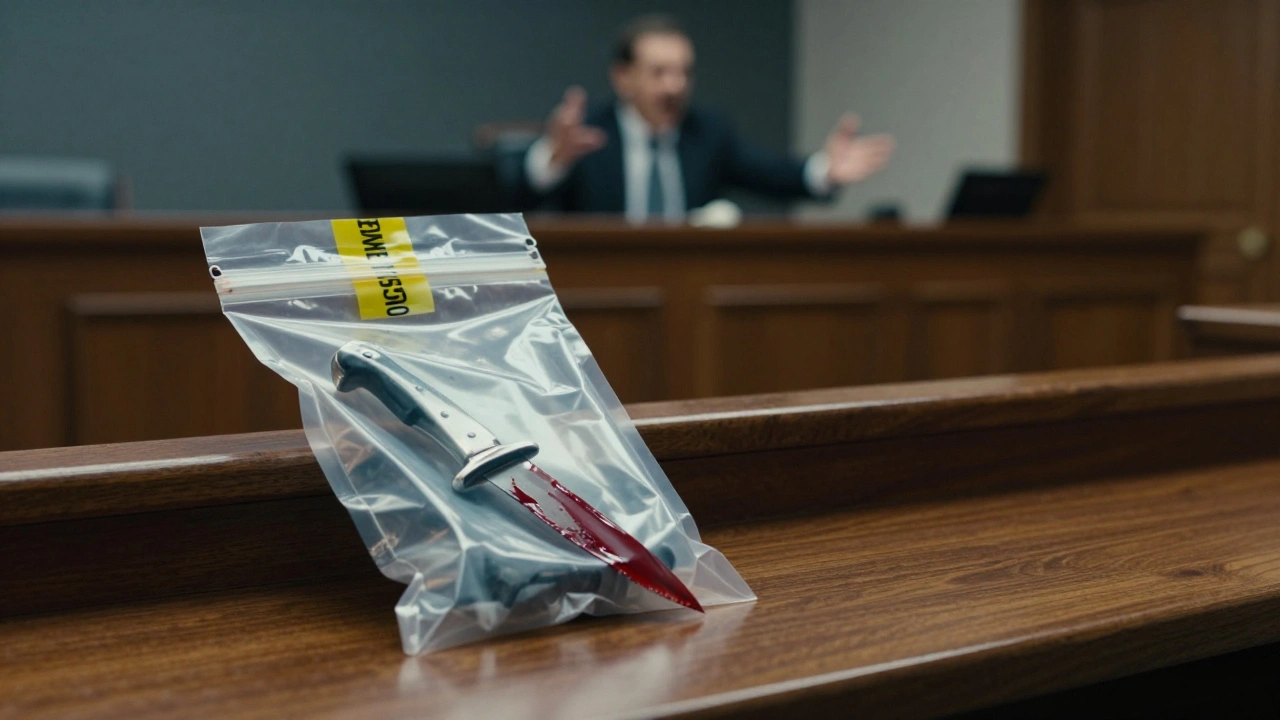
Imagine a high-stakes murder trial. The prosecution presents a bloody knife found at the scene, claiming it's the murder weapon. But during cross-examination, it comes out that the evidence bag sat on an unlocked desk for three hours in a busy precinct. Suddenly, the most damning piece of evidence in the case isn't a smoking gun-it's a liability. This is where chain of custody is the documented and recorded process of maintaining physical evidence from the moment it is collected at a crime scene until it is presented in court . If the link between the crime scene and the courtroom is broken, the evidence often becomes worthless.
| Element | Purpose | Courtroom Impact |
|---|---|---|
| Authentication | Proving the item is what it claims to be | Determines if evidence is admissible |
| Accountability | Tracking every person who touched the item | Prevents claims of tampering |
| Integrity | Ensuring the item hasn't changed or been contaminated | Affects the weight the jury gives the evidence |
Why Testimony Matters More Than the Paperwork
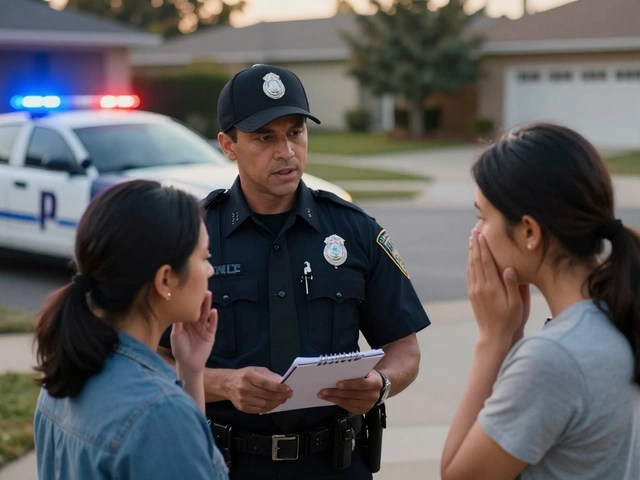
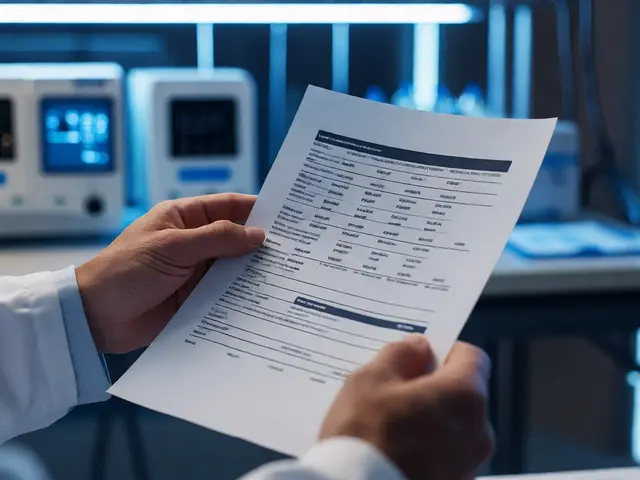
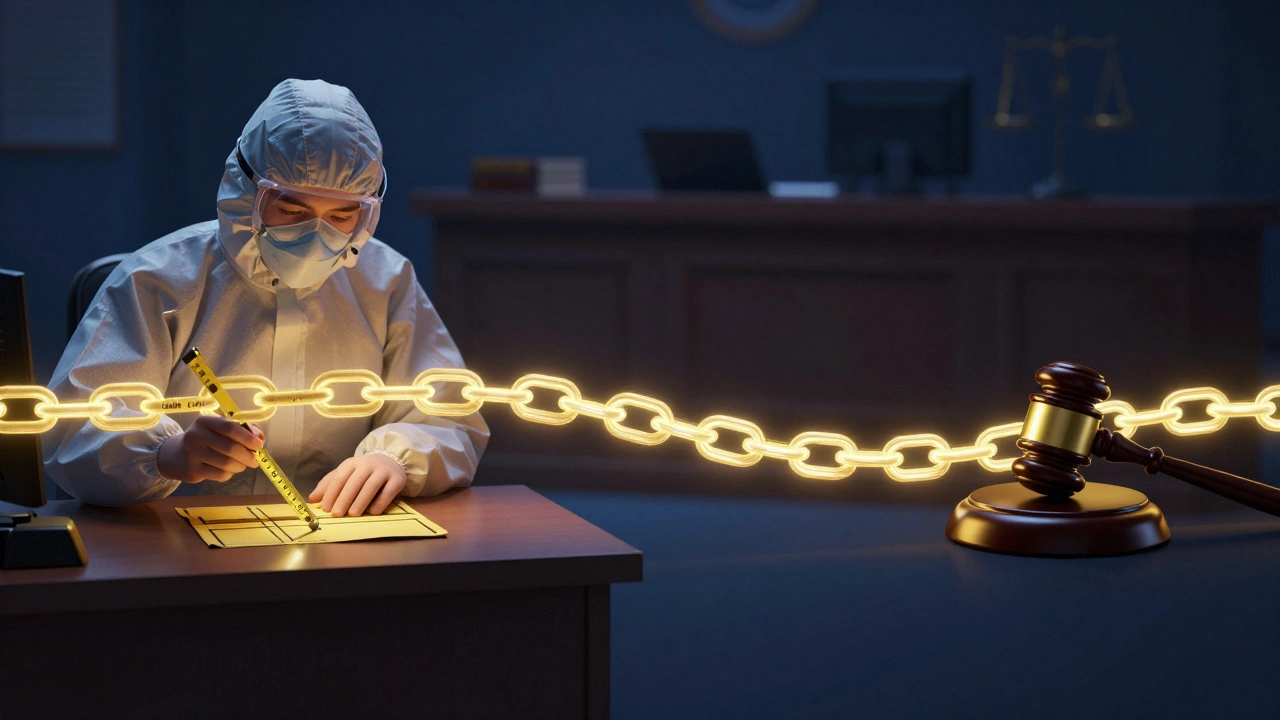
A chain of custody form is a sequential record of signatures, dates, and times that documents every individual who had physical possession of a piece of evidence . While this paper trail is the foundation, the courtroom is where that paper is tested. A document can be filled out, but a witness must be able to stand under oath and verify it. In many cases, every single person who signed that form-from the first responding officer to the lead forensic scientist-might be called to testify.
The prosecution carries the burden of proof. This means they can't just show the jury a bag of powder; they have to prove through testimony that the powder in the bag is the exact same substance collected at the scene. If a witness forgets a gap in time or can't explain why a seal was broken, the defense will pounce. This is why courtroom testimony isn't just a formality-it's the actual mechanism that validates the evidence.
Establishing the Foundation: From Scene to Stand
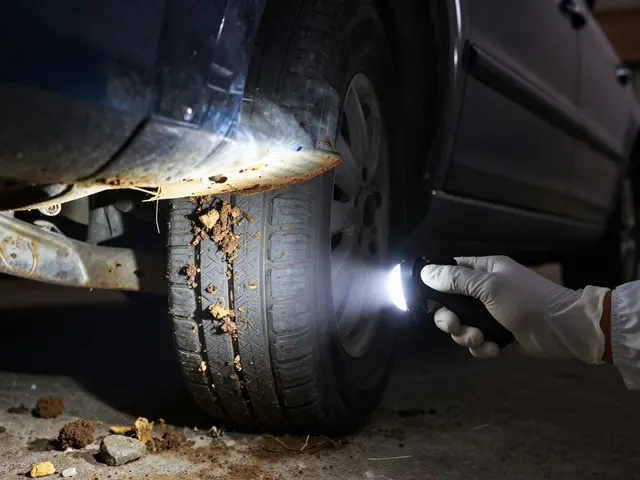
The path to a successful testimony starts long before the trial. It begins with a rigorous collection process. Investigators often use the rectangular coordinates method, where they pick a fixed point in a room and measure the exact distance to the evidence. When an officer testifies, they don't just say "the gun was near the door"; they provide a specific coordinate. This level of detail makes the testimony sound authentic and professional, leaving little room for the defense to claim the evidence was planted or moved.
Physical packaging also plays a massive role in how testimony is received. When a witness mentions tamper-indicating evidence tape is a specialized adhesive seal that shows visible signs of alteration if peeled back or removed , it provides a visual anchor for the jury. The witness can essentially say, "I sealed this bag with this specific tape, and as you can see, the seal is still intact." This turns a technical procedure into a tangible proof of integrity.
Common Vulnerabilities and Defense Challenges
Defense attorneys look for "breaks" in the chain. A break isn't always a missing signature; it can be a failure in storage. For example, if evidence was stored in a room where unauthorized personnel had access, the defense will argue that the item was compromised. They will ask the witness: "Who else had the key to that locker?" or "Was the door ever left propped open?"
If the defense can prove that the legal integrity of the evidence was compromised, the judge may issue a limiting instruction. This tells the jury that they should give less weight to the evidence because the chain of custody was flawed. In extreme cases, the evidence is ruled inadmissible, meaning the jury never even sees it. If that piece of evidence was the cornerstone of the case, the entire set of charges might be dismissed.
The Role of Forensic Laboratories
Once evidence leaves the field, it enters the lab. Forensic laboratories are specialized facilities that use scientific methods to analyze evidence while maintaining strict accountability protocols . Lab personnel must testify about their specific handling of the sample. They aren't just talking about the results of a DNA test; they are testifying about how they moved the sample from the secure locker to the analysis bench and back again.
Standardized protocols are the lab's best defense. When a scientist can testify that they followed a National Institute of Justice-approved procedure, it adds a layer of institutional credibility. They aren't just testifying to their own memory; they are testifying to a system designed to eliminate human error. This removes the "personnel risk" and replaces it with a "process guarantee."

Checklist for Verifying Chain of Custody Testimony
Whether you are a legal professional or a law enforcement officer, these are the red flags and green lights to look for during testimony:
- Identity: Can the witness positively identify the item as the one they collected?
- Possession: Is there a clear record of who had the item at every single minute?
- Transfer: Does the testimony match the signature, date, and time on the form?
- Storage: Was the evidence kept in a secured place without unauthorized access?
- Condition: Were the seals intact upon arrival at the lab and the court?
- Analysis: Did the testing process alter the evidence in a way that was documented?
What happens if a signature is missing from the chain of custody form?
A missing signature creates a "gap" in the chain. While it doesn't always result in the evidence being thrown out, the prosecution must use testimony to "bridge" that gap. The witness must explain who had the evidence during that period and why the signature is missing. If they can't provide a believable explanation, the judge may rule the evidence inadmissible or tell the jury to distrust it.
Can evidence be admitted if the chain of custody is broken?
It depends on the severity. If the break is minor (e.g., a clerical error in the date), the court may still admit it. However, if there is a significant gap where the evidence was left unsecured or handled by an unknown person, the risk of tampering is too high, and the evidence is typically excluded from the trial.
Who is responsible for the condition of the evidence?
Liability rests with everyone who comes into contact with the evidence. Every person who signs the chain of custody form becomes a legal custodian. If the evidence is damaged or contaminated while in their possession, that individual is the one who must explain the failure during courtroom testimony.
What is the difference between authentication and chain of custody?
Authentication is the overall process of proving an item is what it claims to be. The chain of custody is the specific tool used to achieve that authentication. You use the chain of custody (the record of handlers) to authenticate the evidence (proving it's the same knife from the scene).
How does the rectangular coordinates method help in court?
It provides a mathematical way to prove the evidence's exact location. Instead of saying "it was near the couch," an officer can testify that "the item was 4 feet from the north wall and 6 feet from the east wall." This precision makes the testimony harder to challenge and more credible to a jury.
Next Steps for Legal Teams
For those preparing for trial, the first step is a "document audit." Compare every signature on the chain of custody form against the witness's memory. If there's a discrepancy, it needs to be addressed in pre-trial prep. For law enforcement, the goal is to minimize the number of people who touch the evidence; the fewer links in the chain, the fewer opportunities for the defense to find a break.