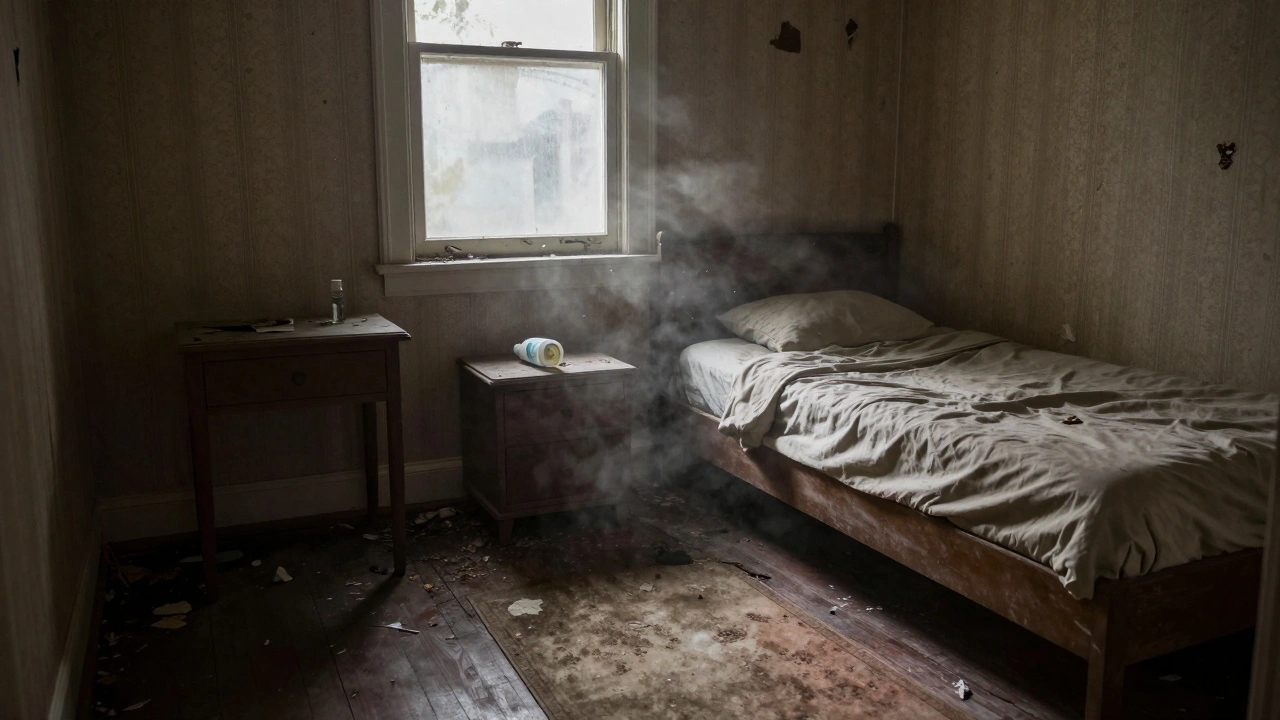
When someone dies in a home, the smell doesn’t just go away with a few sprays of air freshener. Decomposition odors are not like spilled milk or burnt toast. They sink into walls, crawl through insulation, cling to carpet fibers, and hide in ductwork. Regular cleaning? It won’t touch it. If you’ve ever walked into a room and felt your stomach drop because of a smell you can’t explain-this is what you’re dealing with. And if you try to ignore it or cover it up, the odor will come back. Worse, it gets stronger over time.
Why Decomposition Odors Are So Hard to Remove
The smell comes from gases released as the body breaks down. These aren’t just one or two bad-smelling compounds. They’re dozens-putrescine, cadaverine, sulfur compounds, ammonia, and more. Each one sticks to different surfaces. Some cling to drywall. Others soak into wood flooring. A few even get pulled into HVAC systems and settle in vents or filters. This isn’t surface-level contamination. It’s layered. And that’s why vacuuming or mopping makes no difference.
Standard cleaners? They’re designed for dirt and grease. Not organic decay. Bleach, for example, might remove a stain, but it won’t neutralize the smell. It just masks it temporarily. Baking soda helps in small spaces, like a closet or fridge, but it can’t reach deep into walls or under floorboards. You need a different approach-one that targets the molecules themselves, not just the surface.
The Four-Step Professional Process
Companies that specialize in biohazard cleanup don’t guess. They follow a proven sequence. Skip any step, and the odor comes back.
- Remove the source-This sounds obvious, but it’s often skipped. Everything contaminated-clothing, bedding, furniture, mattresses-must be taken out. Not cleaned. Not sanitized. Discarded. Even small bits of tissue or fluid trapped in carpet padding need to be removed. If any organic material stays behind, decomposition continues, and the smell keeps growing.
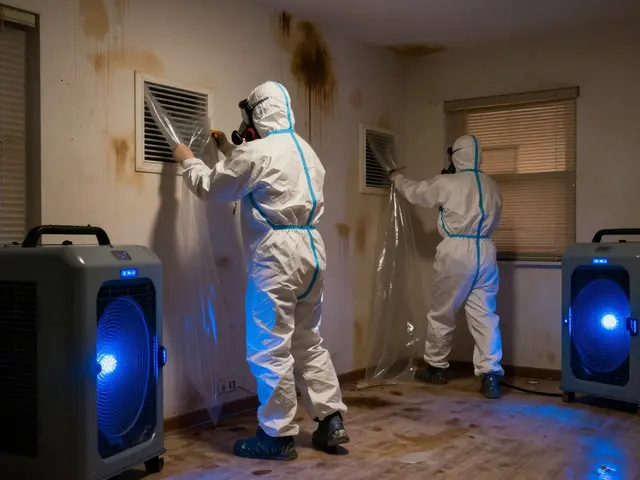
- Peel back the layers-Odors don’t stop at the surface. They penetrate. Drywall? Often has to come down. Insulation? Removed. Flooring? Lifted. Even baseboards and trim can harbor residue. Technicians inspect for discoloration, staining, or dampness. These are clues. If the smell is strong enough, they’ll remove materials up to two feet beyond the visible area. It’s not overkill. It’s science.
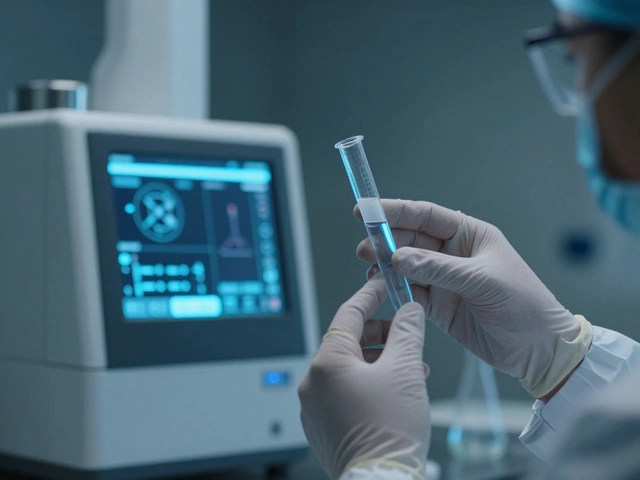
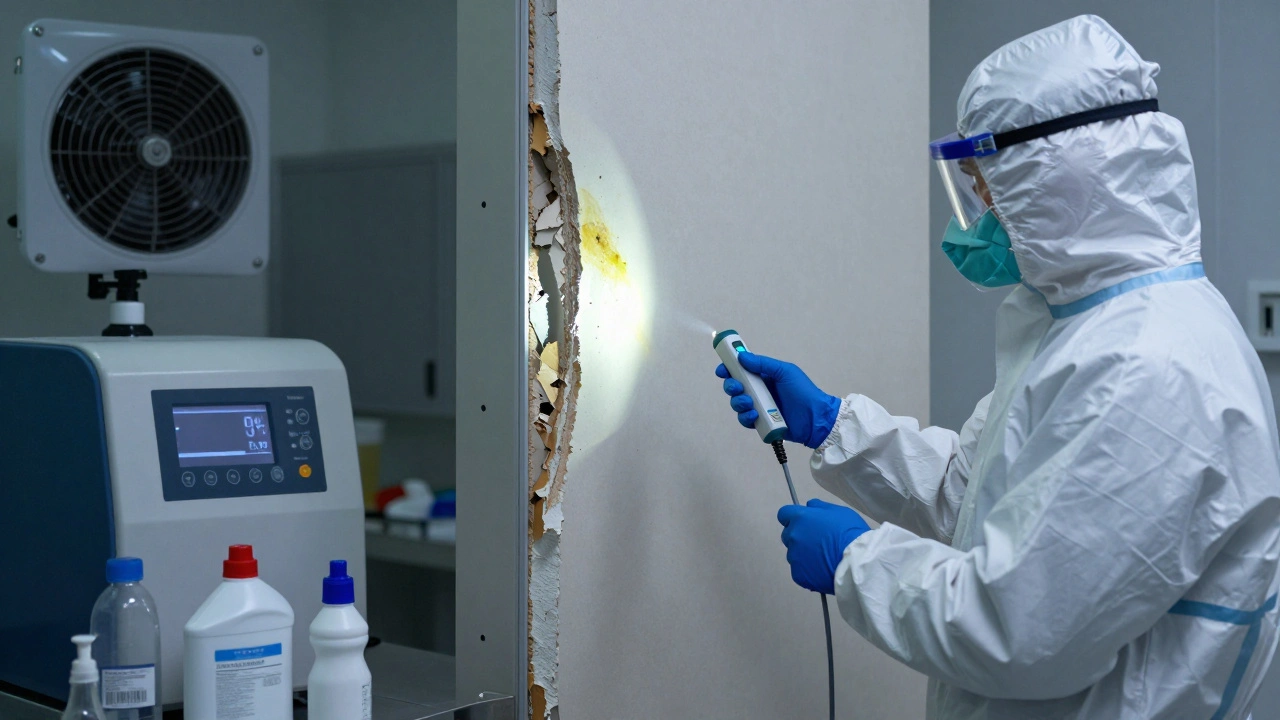
- Deep clean and disinfect-This isn’t scrubbing with soap. It’s bio-washing. Specialized solutions break down proteins, fats, and lipids that feed bacteria. Then, hospital-grade disinfectants kill the microbes still active in the area. ATP testing machines measure biological residue. Think of it like a glow stick for germs-it lights up when organic material is present. If the reading is above safe levels, cleaning continues. No shortcuts.
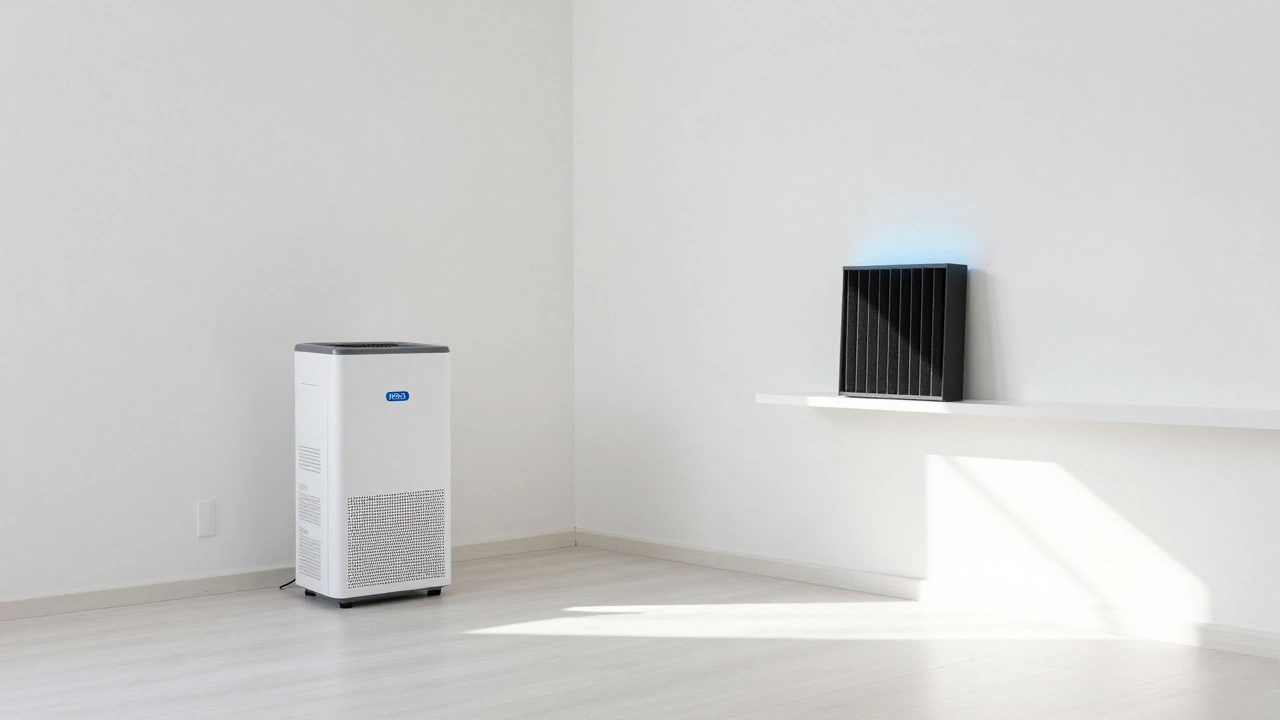
- Neutralize the odor molecules-Now comes the part most people don’t know about. Two tools do the heavy lifting: ozone generators and hydroxyl machines. Ozone (O₃) is a highly reactive gas that breaks apart odor molecules at the atomic level. It’s powerful, but it can’t be used when people or pets are around. Hydroxyl machines are safer. They use UV light and humidity to create hydroxyl radicals-natural oxidizers that break down odors without harming humans. Both are paired with HEPA air scrubbers that pull out airborne particles and filter the air repeatedly over days or weeks.
What Works-And What Doesn’t
There’s a lot of misinformation out there. Here’s what actually helps, and what’s just a waste of money.
- Works: Activated carbon filters-these act like sponges for odor molecules. They trap and hold them without releasing them back. That’s why professional air scrubbers use them. Kitty litter? It’s a decent substitute if you’re in a pinch. It’s made of clay, which absorbs moisture and odors.
- Works: Enzyme cleaners-these aren’t just for pet messes. They break down organic matter into harmless compounds like water and carbon dioxide. Used after physical removal, they prevent regrowth of odor-causing bacteria.
- Works: Ventilation and dehumidifiers-keeping air moving and moisture low prevents mold and slows residual odor. But alone? Not enough.
- Doesn’t work: Air fresheners, candles, sprays-these mask smells. They don’t remove anything. In fact, mixing chemicals can create new, worse odors.
- Doesn’t work: Bleach, OxyClean, vinegar-these clean stains, not smells. They don’t touch the gases causing the odor. Using them gives false hope.
- Doesn’t work: Just painting over the area-paint seals in odors. You’ll smell it worse when the temperature rises.
When You Need Professionals
You might think, “I can handle this myself.” But decomposition cleanup isn’t like a flooded basement. It’s not just messy. It’s hazardous. The gases released can irritate lungs. Bacteria and mold spores spread easily. And if you miss even one hidden spot-like behind a wall or under a subfloor-the smell returns in weeks.
Professionals use equipment you can’t rent or buy. ATP meters. Ozone generators calibrated for specific room sizes. Hydroxyl units that run continuously for days. HEPA filtration systems that cycle air 10-15 times per hour. These aren’t luxury tools. They’re necessary.
Companies like Steri-Clean and others in the biohazard field use hospital-grade protocols. They don’t just spray. They test. They document. They verify. And they guarantee results. If the odor comes back, they go back-for free.
What Happens If You Don’t Fix It Right
Ignoring decomposition odor isn’t just unpleasant. It’s costly. Mold grows in damp, organic-rich environments. Structural damage can occur as materials break down. Insurance claims get denied if the cleanup wasn’t done by certified technicians. And resale value? A home with a history of unaddressed death-related odor can lose 20-30% of its market value. Buyers hire inspectors. They smell. They ask questions. And they walk away.
Even if you sell, the odor lingers. It doesn’t vanish. It hides. It waits. And when the next owner turns on the heat or runs the AC, it comes back-stronger than before.
Final Thoughts
Odor removal after decomposition isn’t about masking. It’s about elimination. You can’t spray your way out of it. You can’t scrub it away. You can’t paint over it. The only way to truly remove it is to follow the science: remove the source, strip contaminated layers, clean with bio-specific solutions, and neutralize the molecules with targeted technology.
If you’re facing this situation, don’t try to DIY it. Don’t rely on Amazon reviews or YouTube tutorials. This isn’t a home repair. It’s a medical-grade cleanup. Call a certified biohazard team. It’s the only way to make sure the smell-and the risk-is gone for good.
Can I use baking soda to remove decomposition odors?
Baking soda can help with light odors in small, enclosed spaces like drawers or cabinets. It bonds with odor molecules and converts them into less reactive salts. But it won’t work on deep-seated decomposition smells in walls, floors, or HVAC systems. It’s a temporary aid, not a solution.
Is ozone safe to use in homes for odor removal?
Ozone is effective at breaking down odor molecules, but it’s not safe for occupied spaces. High levels can irritate lungs, worsen asthma, and damage materials like rubber and electronics. Professionals use ozone only in sealed, unoccupied rooms with strict safety protocols. Never run an ozone generator while people or pets are inside.
Why can’t I just clean the area with bleach and disinfectant?
Bleach and standard disinfectants kill surface bacteria and remove stains, but they don’t neutralize the gases causing decomposition odors. These gases come from organic breakdown, not just germs. To eliminate the smell, you need to break down the molecules themselves-something only oxidation, enzymatic action, or ozone can do.
How long does professional odor removal take?
It varies. A small room with minimal contamination might take 2-3 days. Larger areas, especially with hidden decay or HVAC involvement, can take 1-2 weeks. The process includes source removal, demolition, cleaning, and air treatment. Rushing it leads to failure. Professionals won’t stop until ATP tests show zero organic residue and air scrubbers confirm odor-free levels.
Can I sell a home after a decomposition odor event?
Yes-but only if the cleanup was done professionally and documented. Buyers may ask for proof of remediation. Without certification from a biohazard company, you risk losing potential buyers, facing lower offers, or even legal issues if the odor returns. Proper cleanup with lab reports and before/after testing is essential for resale.