Category: Forensics
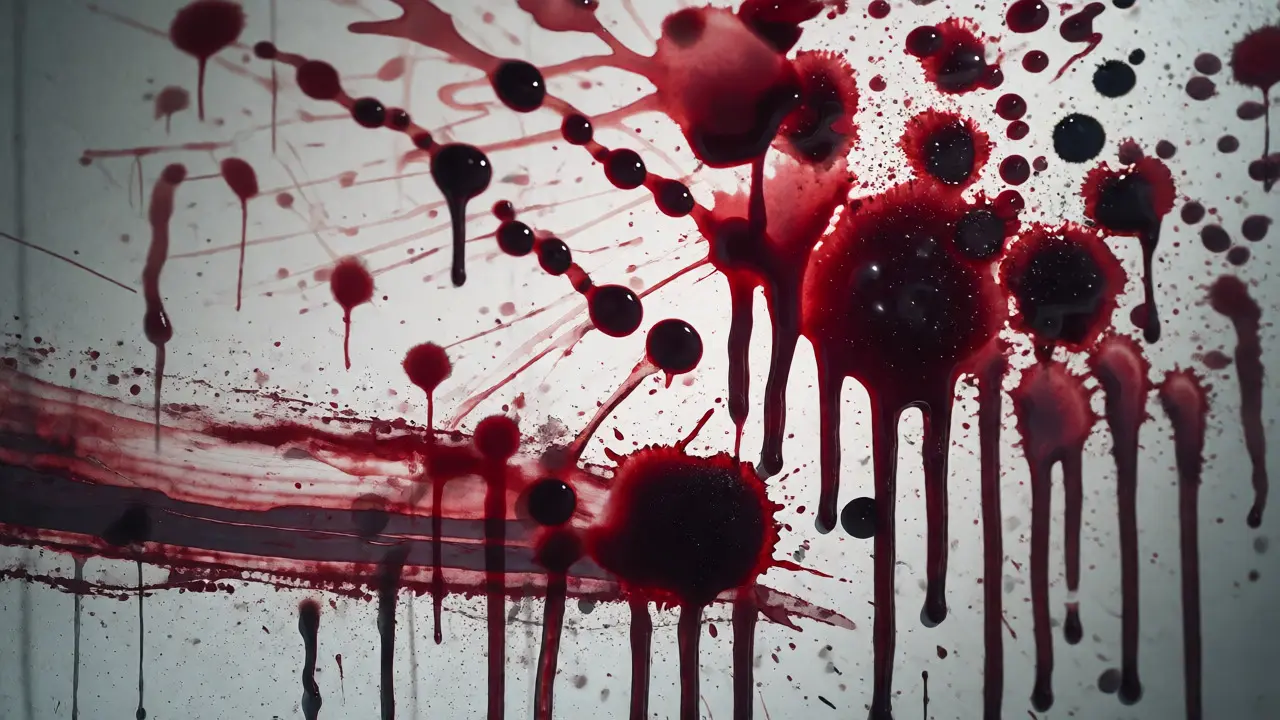
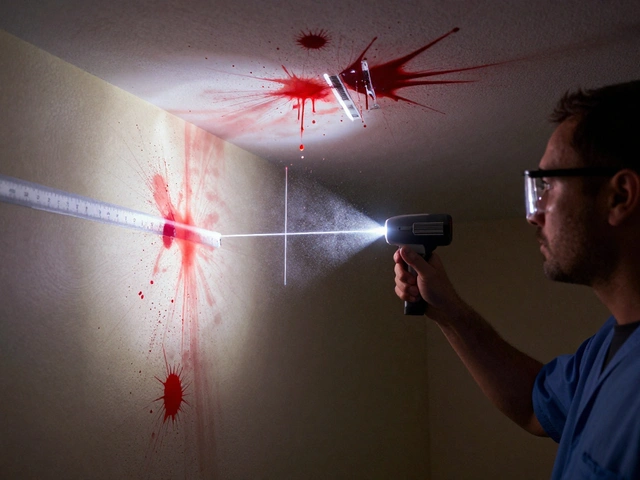
Multiple Attack Scenarios: Reconstructing Sequential Violence in Bloodstain Analysis
- By : Ian Brophy
- Date : Sep 25 2026
Reconstructing sequential violence in bloodstain analysis requires understanding superposition, drying times, and impact physics. Learn how to distinguish overlapping stains, map movement, and avoid common pitfalls in complex crime scenes.

How Crime Scene Investigators Establish Scene Boundaries
- By : Ian Brophy
- Date : Sep 25 2026
Learn how crime scene investigators set effective boundaries to preserve evidence. Discover why starting big and shrinking later is the golden rule in forensics.

Forensic Genetic Genealogy: How DNA Solves Cold Cases
- By : Ian Brophy
- Date : Sep 25 2026
Discover how forensic genetic genealogy solves cold cases by linking crime scene DNA to public ancestry databases. Learn the step-by-step process, key tools, and ethical debates.

Poison Control Data: How Trends Shape Forensic Toxicology
- By : Ian Brophy
- Date : Sep 24 2026
Discover how poison control data informs forensic toxicology. Learn to track emerging drug trends, optimize testing panels, and interpret regional exposure patterns for better investigative outcomes.

Biological Evidence Collection: A Practical Guide to Blood, Saliva, and Body Fluids
- By : Ian Brophy
- Date : Sep 24 2026
Master the essentials of biological evidence collection for blood, saliva, and body fluids. Learn critical rules like 'dry before bagging,' proper swabbing techniques, and chain of custody basics to preserve DNA integrity.
Plain Language Summaries: Writing Forensic Reports for Jurors and Attorneys
- By : Ian Brophy
- Date : Sep 23 2026
Learn how to write effective plain language summaries for forensic reports. Discover techniques to translate complex scientific data into clear conclusions for jurors and attorneys, avoiding common pitfalls.
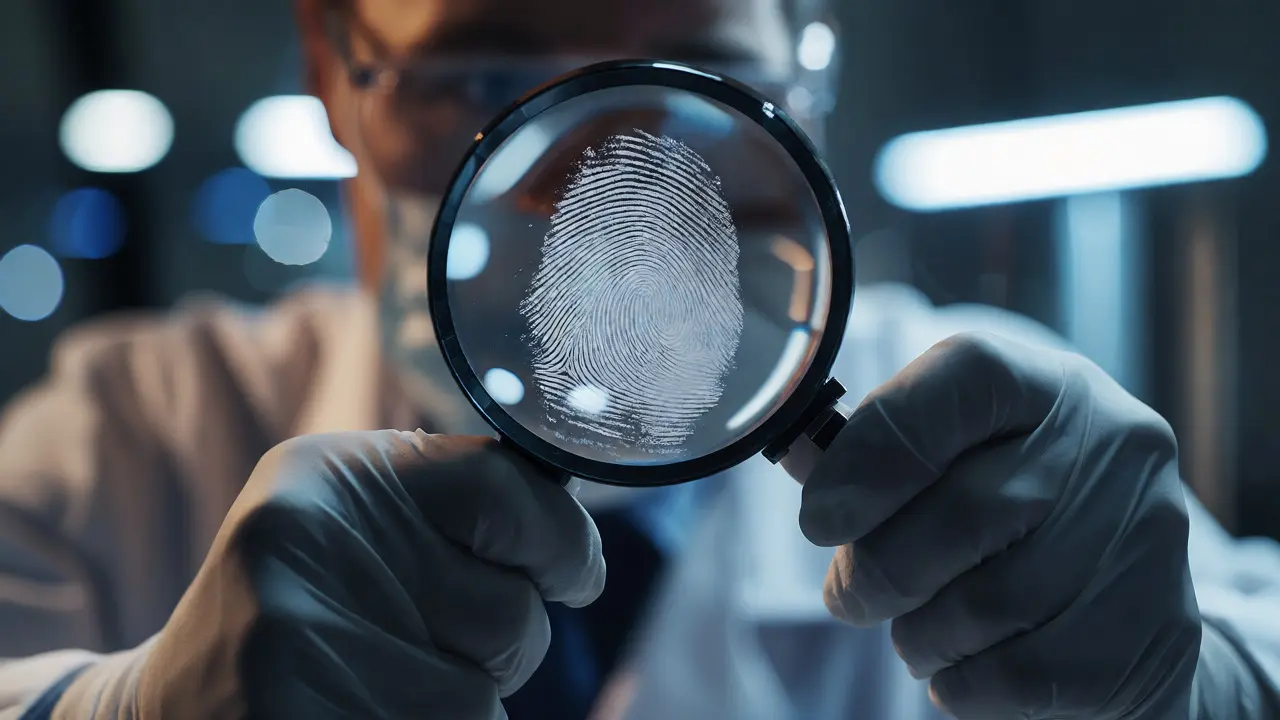
Error Rates in Fingerprint Identification: What the Research Really Says
- By : Ian Brophy
- Date : Sep 23 2026
Fingerprint identification isn't perfect. New research reveals actual error rates, showing how print quality and cognitive bias impact accuracy. Learn what the data means for forensic science.
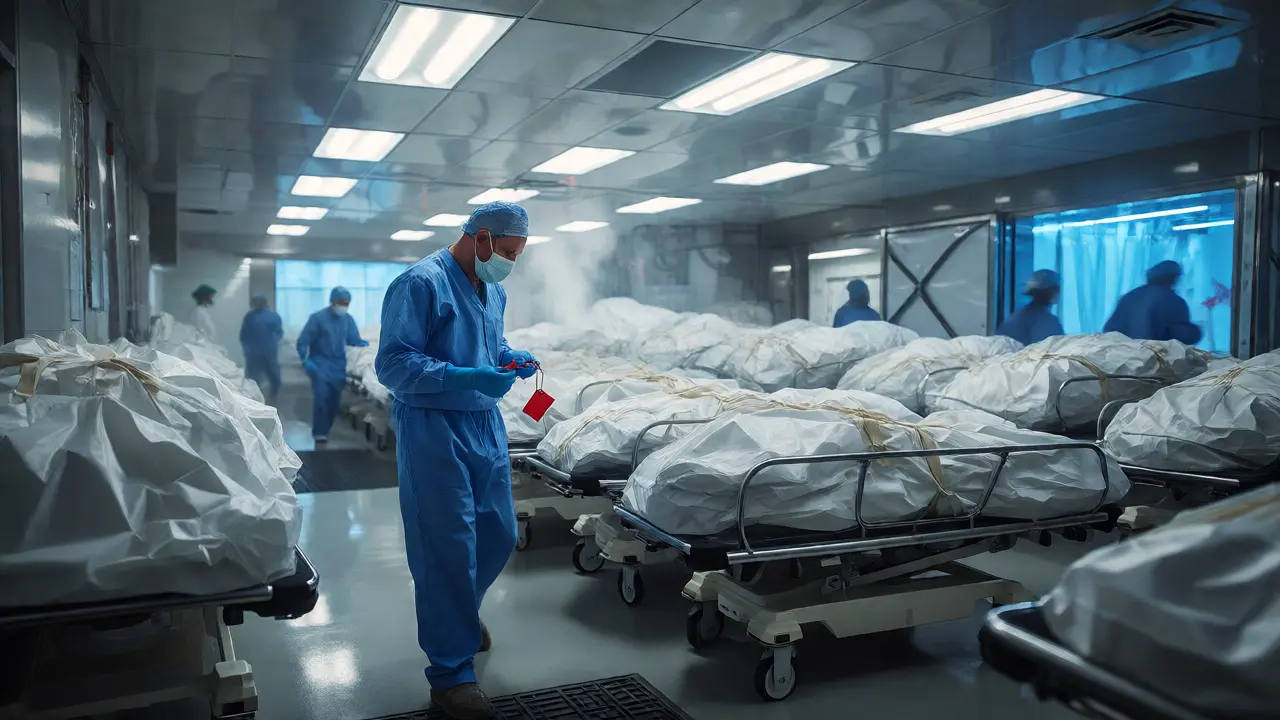
Mass Fatality Autopsy Operations: Triage and Logistics Guide
- By : Ian Brophy
- Date : Sep 23 2026
Learn how to manage mass fatality autopsy operations effectively. Discover strategies for triage, logistics, and personnel management to handle large-scale disasters.
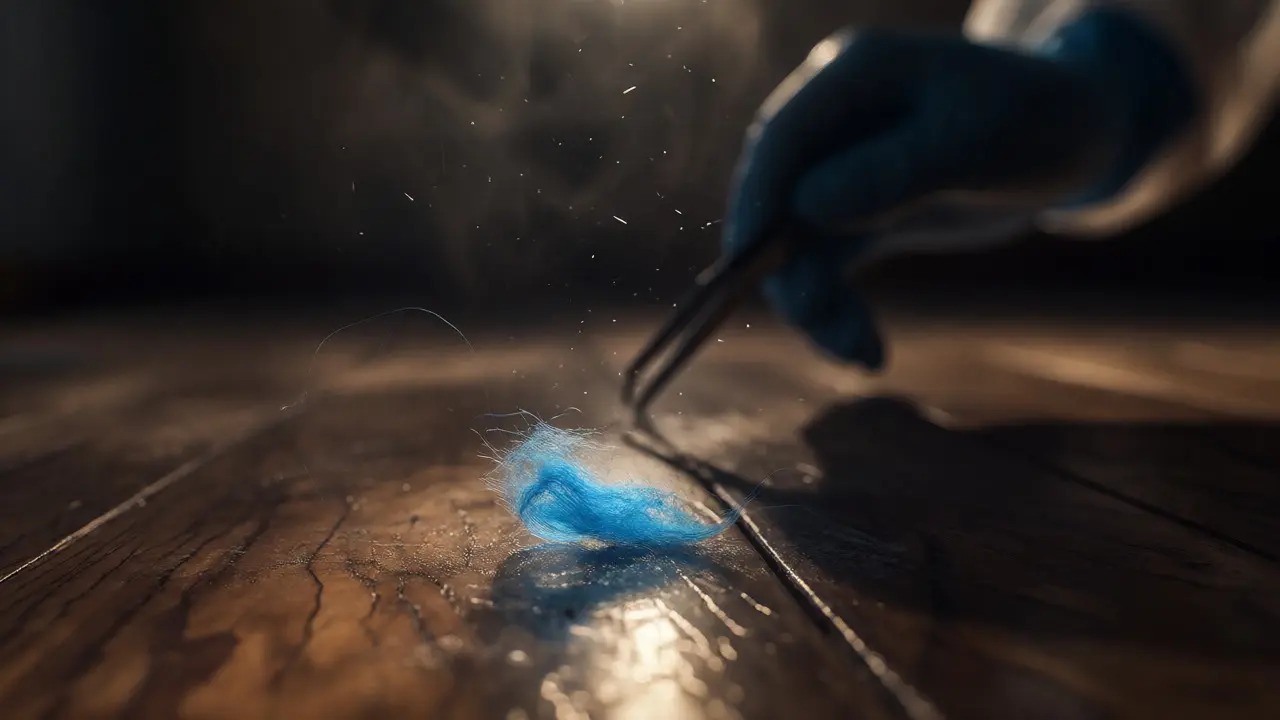
Cross-Contamination in Trace Evidence Collection: A Field Guide
- By : Ian Brophy
- Date : Sep 22 2026
Learn how to prevent cross-contamination in trace evidence collection. Discover key vectors, field protocols, and lab safeguards to maintain scene integrity.
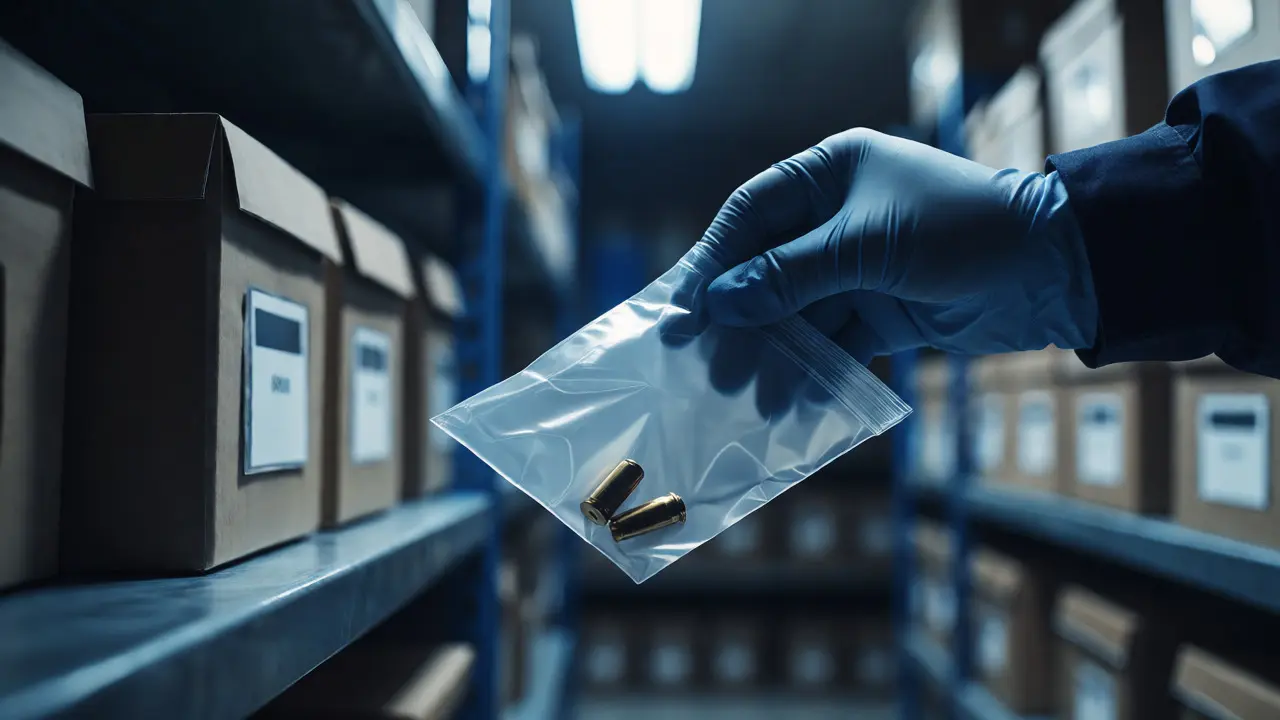
Breaking the Chain of Custody: Legal Consequences and Evidence Handling
- By : Ian Brophy
- Date : Sep 22 2026
Learn how breaking the chain of custody impacts legal cases, from admissibility to verdicts. Discover the real-world consequences of evidence handling errors.
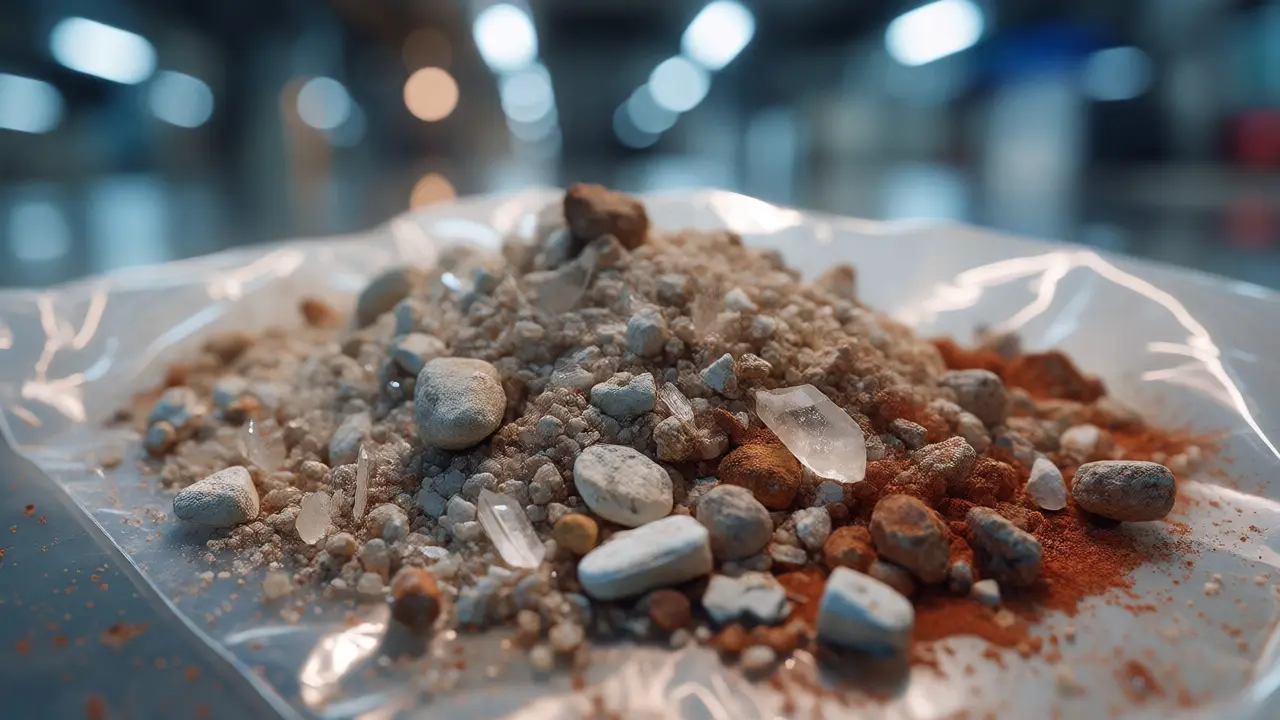
Mineral Evidence: Sand, Gravel, and Particulates in Forensics
- By : Ian Brophy
- Date : Sep 22 2026
Discover how sand, gravel, and mineral particulates serve as critical forensic evidence. Learn how geologists analyze soil signatures to link suspects to crime scenes.
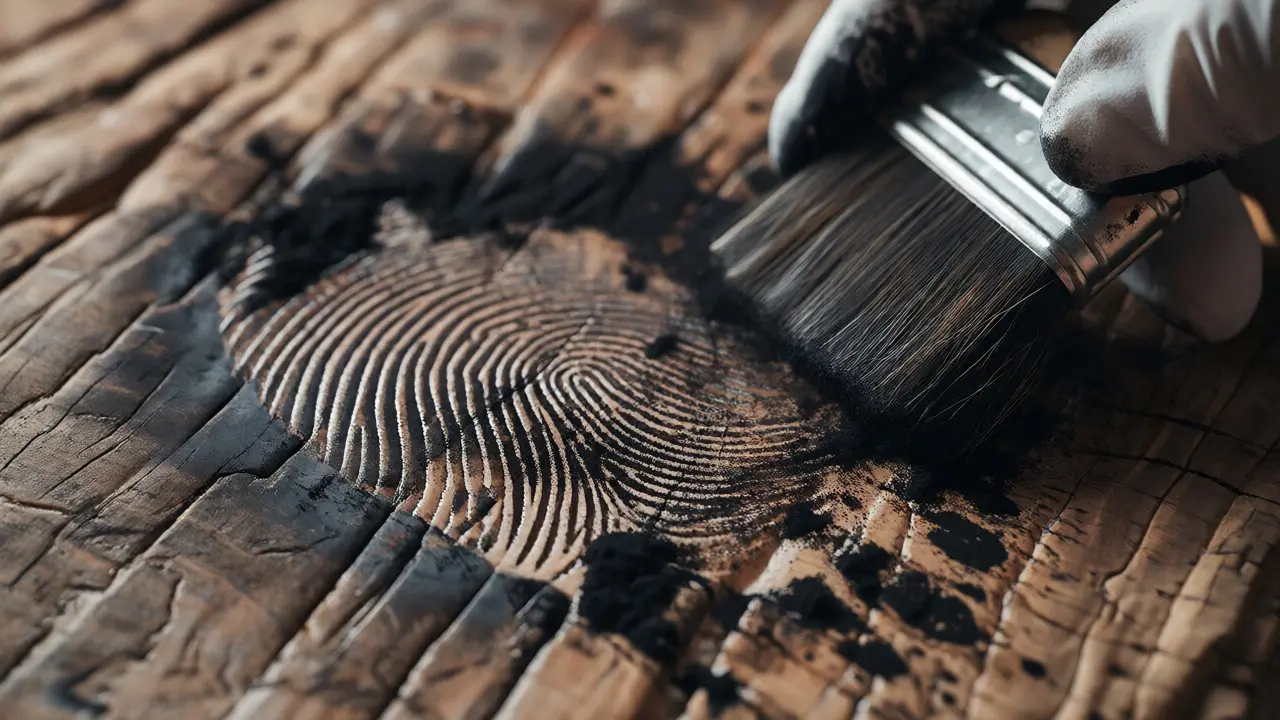
Powder Suspension: Revealing Latent Prints on Difficult Surfaces
- By : Ian Brophy
- Date : Sep 21 2026
Discover how powder suspension reveals latent fingerprints on difficult, textured, or damp surfaces where standard methods fail. Learn the chemistry, application steps, and when to choose this technique over fuming.