You walk into a crime scene. The suspect wore gloves to hide their identity. Case closed, right? Not even close. In fact, that pair of latex or nitrile gloves might have just handed investigators the most unique piece of physical evidence in the room. While bare fingerprints are messy and common, glove impressions offer something rare: a direct link to the specific tool used to commit the crime.
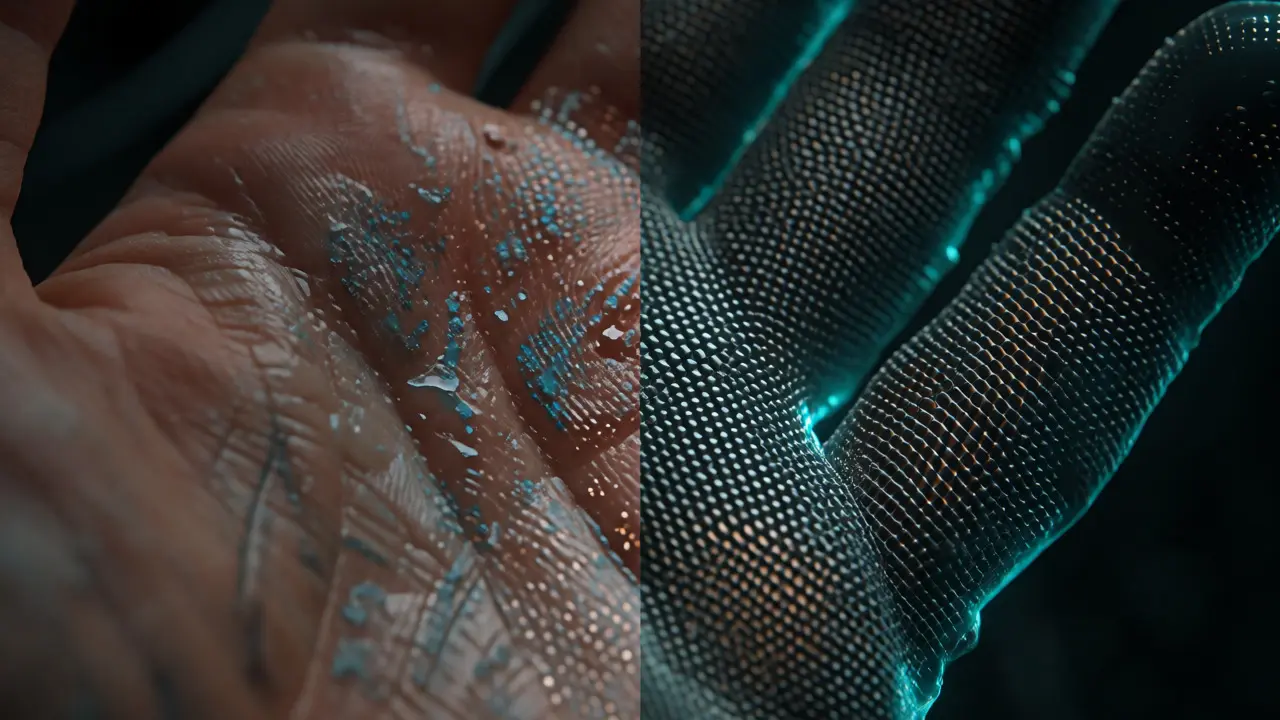
Most people think of glove prints as simple smudges left on glass or metal. But they are far more complex. They capture the texture of the material, the weave of the fabric, and often, microscopic defects created during manufacturing. If you’ve ever wondered how detectives catch criminals who thought they were being clever by covering their hands, this is where the magic happens. It’s not about finding a thumbprint; it’s about matching the wear pattern on a size medium nitrile glove to the exact box bought at a local hardware store three weeks prior.
Why Glove Prints Matter More Than You Think
Let’s be real: bare fingerprints are everywhere. Your roommate touched the fridge handle. The delivery driver grabbed the doorbell. When a suspect wears gloves, they eliminate biological transfer (skin oils), but they introduce mechanical transfer. This shift changes the entire game of latent print analysis.
The forensic value here lies in individualization. A bare fingerprint identifies a person. A glove print can identify the object. Why does that matter? Because objects have histories. If police recover a specific brand of gardening glove with a torn index finger tip, and they find a suspect wearing that same damaged glove, the connection is undeniable. It’s harder to argue "I didn't touch that" when your specific, worn-out gear matches the impression left on the murder weapon.
Furthermore, glove materials vary wildly. Latex leaves different residue than vinyl or heavy-duty leather. These differences help investigators narrow down the type of crime. A burglar might use thin disposable gloves to avoid leaving DNA. A violent offender might use thick work gloves for protection. The impression tells a story about intent and preparation before the first witness statement is even taken.
The Science Behind the Smudge
How do we actually see these prints? It comes down to physics and chemistry. Gloves don’t sweat like skin, but they do pick up contaminants from the wearer’s hands-lotions, medicines, or environmental dust-and transfer them onto surfaces. Or, the glove material itself degrades slightly upon contact, leaving microscopic particles behind.
Detection methods depend heavily on the surface and the glove type:
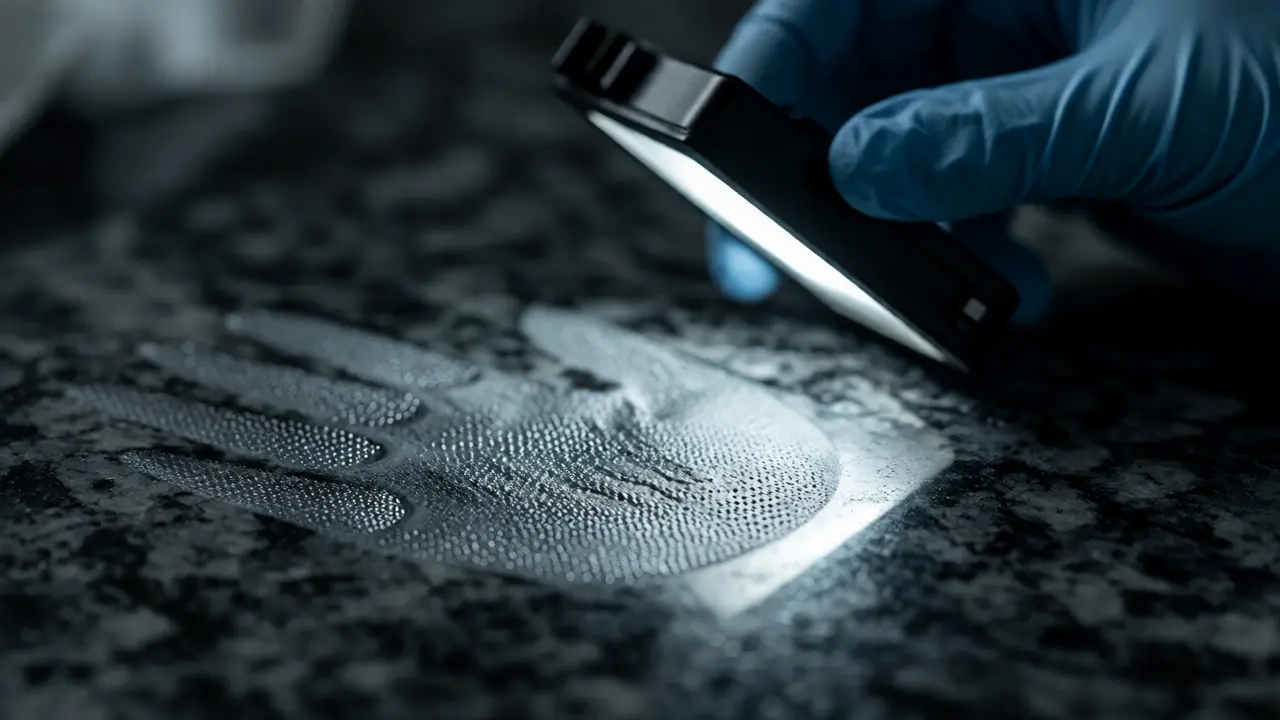
- Visual Inspection: On dark, smooth surfaces like black granite countertops or polished wood, light-colored glove residue is often visible under oblique lighting without any chemicals.
- Chemical Development: For porous surfaces like paper or cardboard, ninhydrin reacts with amino acids transferred through thin gloves. Cyanoacrylate fuming (super glue) works wonders on non-porous items like plastic bags or weapons, polymerizing the residue into a white, stable form.
- Physical Developers: This is crucial for wet or humid environments. If a suspect wore damp gloves, traditional powders fail. Physical developer solutions bind to the moisture and salts trapped in the glove fibers, revealing the pattern after drying.
It’s worth noting that synthetic gloves, particularly those made from nitrile, are notoriously difficult to lift because they shed less particulate matter than latex. Investigators often rely on Electrostatic Dust Print Lifters (EDPL) for these cases. The static charge pulls dry dust and debris off the surface, capturing the negative image of the glove’s texture.
Manufacturing Defects: The Hidden Fingerprint
Here is the part that surprises most juries. Gloves are mass-produced. Millions of pairs come out of factories every day. So how do you distinguish one pair from another? You look for errors.
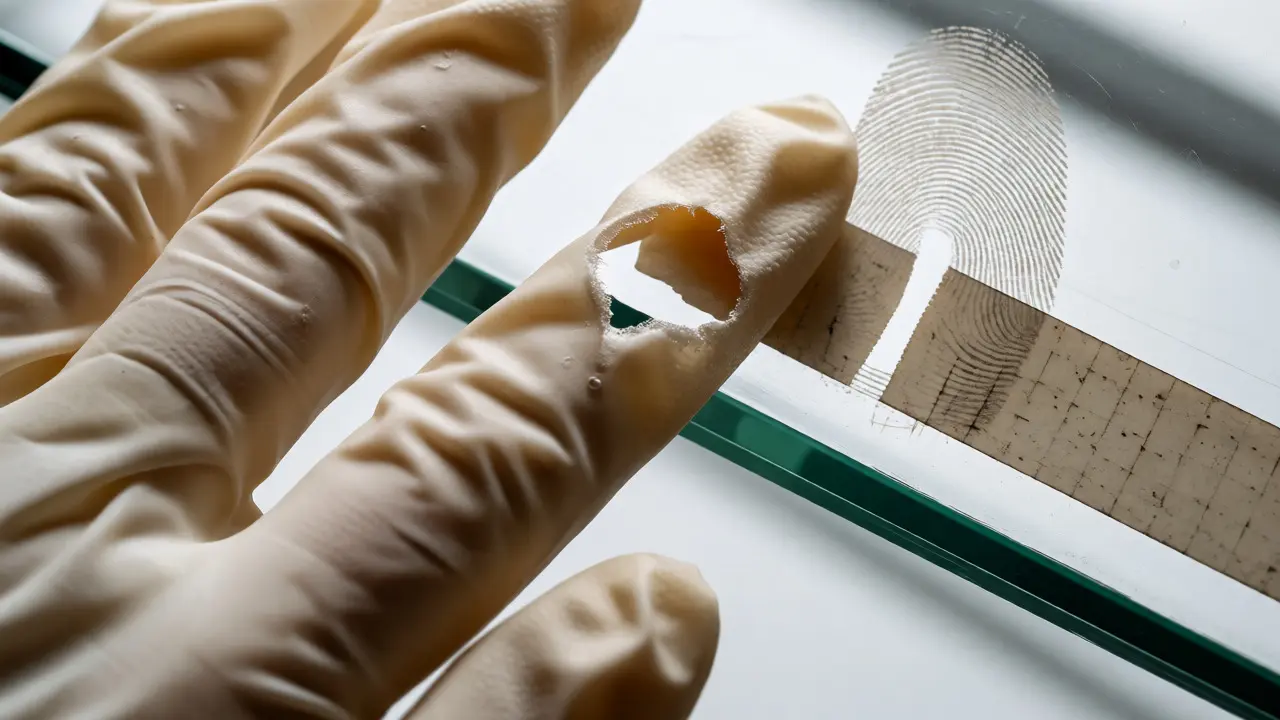
During the dipping process-where molds are dipped into liquid rubber-tiny bubbles get trapped. Seams aren’t always perfectly aligned. Stretch marks appear if the mold was dirty. These imperfections become permanent features of that specific pair of gloves. As the user wears them, new damage occurs. Scuffs, cuts, and abrasions add to the profile.
| Glove Type | Common Use Case | Print Quality | Detection Difficulty |
|---|---|---|---|
| Latex | Medical, Light Cleaning | High (Oily Residue) | Low (Easy to Develop) |
| Nitrile | Automotive, Chemical Handling | Medium (Low Particulate) | Medium (Requires Fuming/Lifting) |
| Vinyl | Food Service, Low-Cost Tasks | Low (Smooth Surface) | High (Faint Impressions) |
| Cloth/Leather | Construction, Heavy Labor | Texture-Dependent | Variable (Fabric Weave Analysis) |
A study published in the Journal of Forensic Sciences highlighted that over 60% of recovered glove prints contained identifiable manufacturing artifacts. That means nearly two-thirds of the time, the glove isn’t just a generic barrier-it’s a serial number waiting to be read.
Collecting and Preserving Evidence
If you’re a first responder or a rookie investigator, treat glove prints with the same care as biological evidence. They are fragile. One wrong move with a brush can destroy the delicate balance of transferred particles.
First, photograph everything. Use scale bars and varied lighting angles. Glove textures are three-dimensional; flat photos miss the depth of the ridges. Next, choose your lifting method carefully. Tape lifts work great for dusty surfaces but can smear oily residues. Gel lifters are gentler and better suited for curved or textured objects like gun grips or steering wheels.
Once lifted, preservation is key. Store the lifts in archival-quality sleeves away from heat and humidity. If you collected a physical glove from the scene, bag it separately. Do not let it touch other clothing items. Cross-contamination of fibers can confuse the lab later. Remember, the goal is to preserve the integrity of the impression so the lab can analyze both the pattern and the material composition.
Matching Prints to Suspects
Finding the print is half the battle. Matching it is the other half. Unlike fingerprints, there is no massive national database for glove prints. You can’t run a glove print against AFIS (Automated Fingerprint Identification System) and get a hit instantly. This makes the process more investigative and less automated.
Investigators typically follow a three-step comparison:
- Class Characteristic Comparison: Does the print match the general size and shape of the suspect’s glove? Is the weave pattern consistent with the brand?
- Individual Characteristic Analysis: Do the specific tears, holes, or manufacturing flaws align? A tear in the pinky finger of the suspect’s glove should correspond exactly to a gap in the print on the window pane.
- Material Verification: Microscopic examination confirms if the fiber composition of the suspect’s glove matches the residue found in the print.
This method requires patience and high-magnification tools. Sometimes, digital enhancement software helps overlay the known sample onto the questioned print to spot subtle alignments. It’s tedious work, but when it clicks, it’s incredibly powerful evidence.
Limitations and Common Pitfalls
Don’t let TV shows fool you. Glove prints aren’t infallible. There are significant limitations.
First, degradation. Gloves stretch and deform. A loose glove will leave a distorted print that doesn’t match the hand inside it. Second, background noise. If the surface already has dirt, grease, or previous fingerprints, isolating the glove impression becomes a nightmare. Third, lack of standardization. Unlike fingerprints, which have standardized ridge counting systems, glove analysis relies heavily on examiner experience. Two experts might disagree on whether a mark is a defect or just dirt.
Also, consider the environment. Outdoor scenes degrade prints quickly due to wind, rain, and UV exposure. A glove print on a car hood in Portland might last days in the rain, whereas the same print indoors could last months. Timing matters. If you wait too long to collect, the evidence evaporates.
The Future of Glove Forensics
Technology is catching up. Researchers are exploring hyperspectral imaging to detect chemical residues invisible to the naked eye. This could allow analysts to identify the specific brand of glove based on its chemical signature, even if the physical pattern is faint.
Additionally, databases are growing. Some jurisdictions are starting to catalog common glove patterns found in local retail stores. Imagine walking into a case with a print that matches a specific batch of gloves sold only within a ten-mile radius of the crime scene. That level of geographic profiling adds weight to the evidence.
For now, though, the human element remains critical. No algorithm can yet fully replicate the nuanced judgment required to distinguish a manufacturing flaw from accidental damage. That’s why training matters. Investigators need to understand not just how to lift a print, but what the print is trying to tell them about the person holding the tool.
Can all types of gloves leave identifiable prints?
Not all gloves leave equally clear prints. Thin, textured gloves like latex or cotton usually leave better impressions than smooth, thick synthetic gloves like vinyl. However, with advanced techniques like electrostatic lifting or chemical fuming, even challenging materials can yield usable evidence.
How long do glove prints last on surfaces?
Duration varies significantly by environment. Indoors on non-porous surfaces, prints can last weeks or months. Outdoors, factors like rain, wind, and sunlight can degrade prints within hours or days. Porous surfaces tend to retain prints longer than smooth ones if kept dry.
Is a glove print admissible in court?
Yes, glove prints are generally admissible as physical evidence. However, their weight depends on the quality of the print and the strength of the comparison. Courts often require expert testimony to explain the methodology and limitations of the analysis.
What is the best way to lift a glove print from a gun?
For firearms, cyanoacrylate fuming is often preferred because it stabilizes the residue without damaging the weapon's finish. After fuming, a gel lifter can gently remove the developed print. Avoid using powder brushes on guns as they can obscure fine details and contaminate the trigger mechanism.
Do manufacturers track specific glove batches?
Some major manufacturers track production batches for quality control, but this data isn't always publicly accessible to law enforcement. Investigators may request batch information if they suspect a large-scale distribution pattern, but this is rare and resource-intensive.