When someone is accused of homicide, the prosecution doesn’t just present facts-they build a story. And that story often hinges on suspect arguments: eyewitnesses who swear they saw the defendant, forensic reports that link DNA to the scene, or a confession that seems too convenient. But the defense doesn’t have to accept that story at face value. In fact, its job is to tear it apart-piece by piece.
Challenging the Story the Prosecution Tells
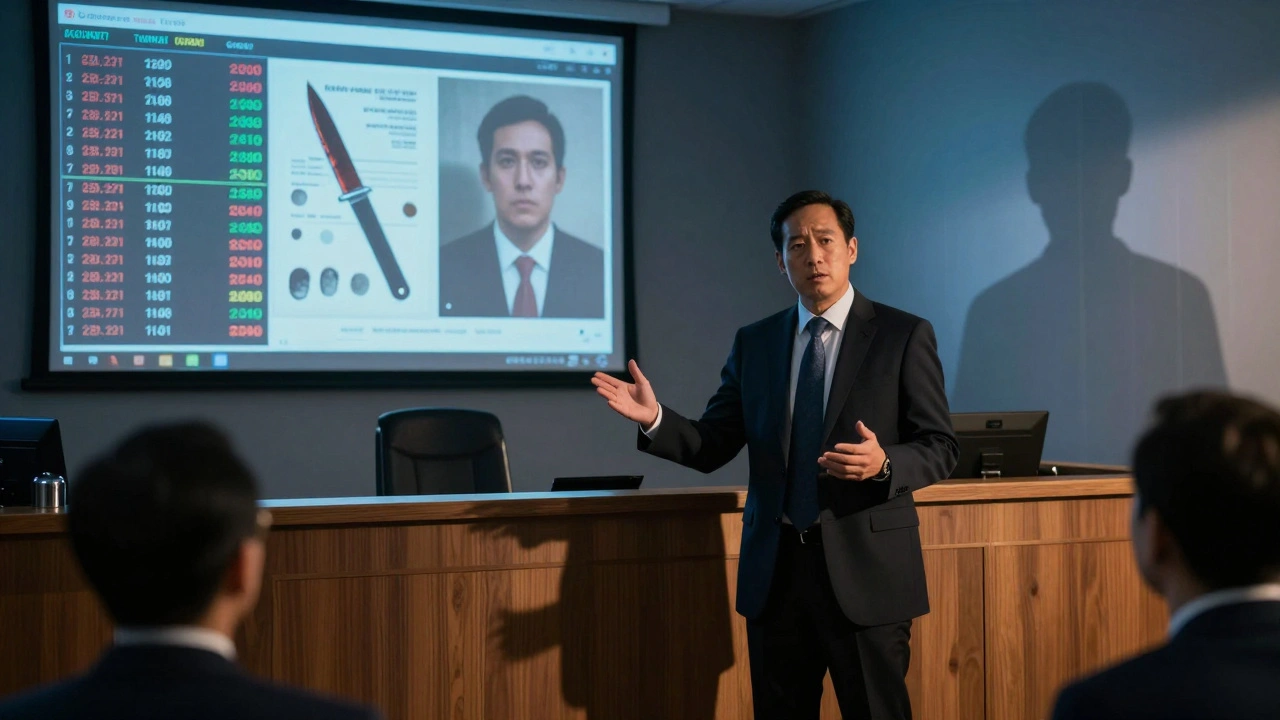
Every homicide case starts with a narrative: Who did it? Why? How do we know? The prosecution’s version is rarely just about evidence-it’s about context, timing, and perception. Defense attorneys don’t fight the evidence alone; they fight the interpretation of it. A bloody knife found at the scene doesn’t prove guilt. It proves someone had a knife. The real question is: Who used it, and under what circumstances? The defense’s first move is to ask: Is this story even possible? If the prosecution claims the defendant attacked the victim at 11:30 p.m., but cell tower data shows the defendant was 12 miles away, talking to a friend on video call, then the whole case starts to unravel. That’s not just a detail-it’s a contradiction that creates reasonable doubt. And in criminal law, reasonable doubt is all you need.The Four Core Legal Defenses
There are four foundational defenses in homicide cases, each built to challenge different parts of the prosecution’s argument.- Self-defense: Did the defendant act to stop an imminent threat? Courts don’t ask if the defendant was scared-they ask if a reasonable person in that situation would have believed they were in danger. If the victim had a history of violence, had threatened the defendant before, or was armed, that changes everything. But if the defendant used deadly force against a non-lethal threat-like shoving someone who didn’t have a weapon-that defense can collapse.
- Insanity: This isn’t about being crazy. It’s about whether the defendant understood right from wrong at the moment of the act. A person with severe schizophrenia who believed the victim was an alien trying to possess them might qualify. But if they planned the killing, hid the body, and lied to police, the court will likely see that as awareness, not illness.
- Mistake of fact: What if the defendant thought they were acting legally? A man who shot someone he thought was breaking into his house, but turned out to be his neighbor returning home, might have a valid defense. The key is whether the belief was reasonable. If he saw a shadow, grabbed a gun, and fired without checking-no defense.
- Duress: Was the defendant forced into action under threat of death? If someone was held at gunpoint and told to kill another person or their family would be killed next, that’s duress. But if the threat was vague-“I’ll make your life hell”-it doesn’t count. The threat must be immediate, credible, and unavoidable.
When the Evidence Itself Is the Problem
The prosecution’s case often looks solid because it’s built on science: fingerprints, DNA, ballistics. But science isn’t perfect. DNA can be transferred by touch. Fingerprints can be smudged or planted. Ballistics reports can be misinterpreted. Defense attorneys don’t just accept these reports-they question them.- Chain of custody: Who handled the evidence between the crime scene and the courtroom? If a blood sample sat in a police car for 48 hours without refrigeration, it could degrade. If no log shows who accessed it, that’s a red flag.
- Forensic errors: A 2023 study from the National Institute of Justice found that 43% of forensic labs had at least one instance of misidentified evidence in the past five years. That’s not rare. It’s systemic.
- Unreliable witnesses: Memory doesn’t work like a video recorder. Stress, lighting, and even the way police ask questions can distort recall. In one case, a witness confidently identified the defendant as the shooter-until a surveillance video showed the real suspect was 6 inches taller and wore a different hat.
- Polygraph and confession traps: Police aren’t allowed to lie about evidence, but they often do. A suspect told, “We found your DNA on the knife,” when they didn’t, can break down and confess. That confession is now inadmissible if the defense can prove it was coerced.

Alibis and the Weight of Consistency
An alibi sounds simple: I wasn’t there. But proving it isn’t. A friend says, “He was with me all night,” but they’re a cousin. A gas station receipt shows a purchase at 10:45 p.m., but the crime happened at 11:15. That leaves 30 minutes unaccounted for. That’s not enough. A strong alibi needs multiple layers: timestamped video, GPS data, credit card transactions, and independent witnesses who have no reason to lie. One witness? Too easy to dismiss. Three? Now you’re building credibility. And here’s the catch: if the alibi changes even slightly between statements-“I was at the diner” vs. “I was at the gas station next to the diner”-the jury will assume the defendant is lying. Consistency isn’t just helpful; it’s mandatory.Entrapment and the Role of Law Enforcement
Not every homicide case is about a violent outburst. Some are manufactured. Entrapment occurs when police push someone into committing a crime they wouldn’t have otherwise done. Imagine this: A detective repeatedly texts a man, “I know you’re good with a gun. Let’s take out this guy who owes me money.” The man refuses. Then, the detective offers $5,000. Then, he threatens to frame him for another crime. Finally, the man agrees. That’s entrapment. To prove it, the defense must show two things: (1) the government induced the crime, and (2) the defendant had no prior intent or predisposition. A man with a history of violence? Probably not entrapped. A man with no criminal record, who had never owned a gun? That’s a different story. Recordings of police conversations are gold. If the defense has audio of an officer pressuring the suspect into action, that case can be dismissed before trial.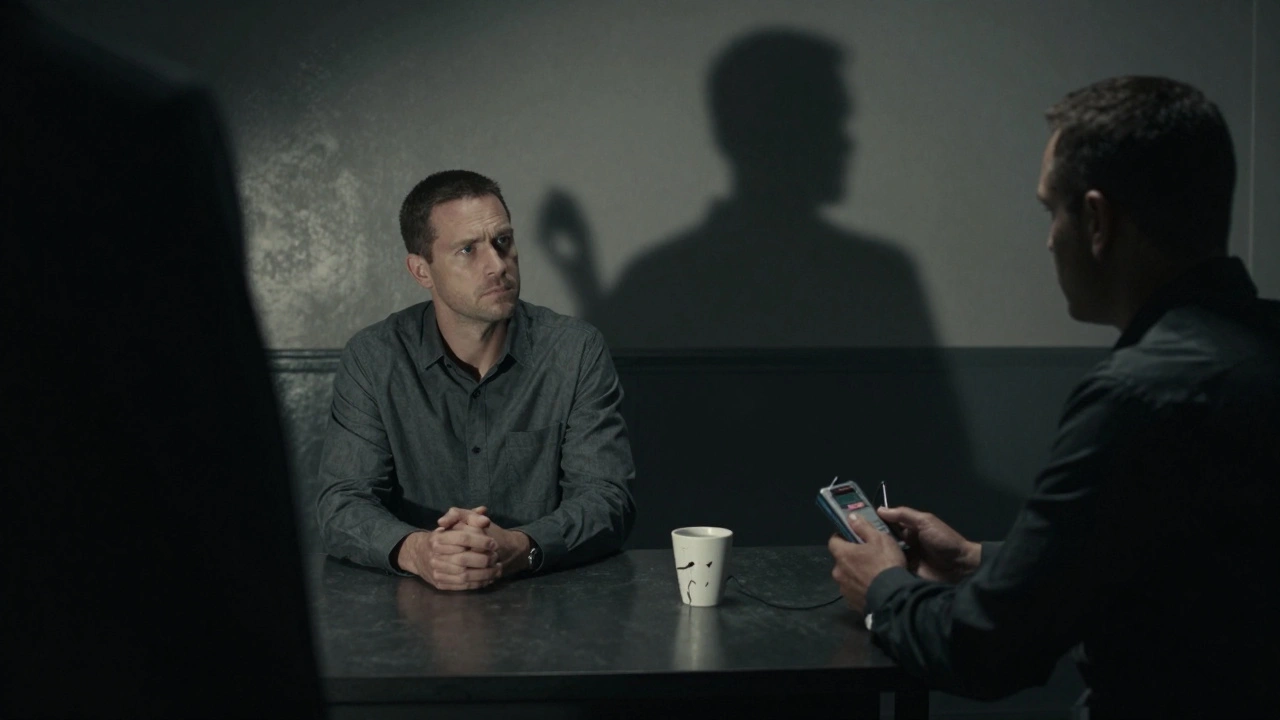
Credibility: The Silent Winner
In a close case, the jury doesn’t just weigh evidence-they weigh people. Who do they believe? A defendant who stammers, contradicts themselves, or changes their story five times will lose, even if the evidence is weak. A defendant who stays calm, sticks to the truth, and has supporting documentation? They have a fighting chance. Defense attorneys spend weeks preparing clients for testimony. Not to make them sound like lawyers, but like real people. They practice answering hard questions. They rehearse how to handle emotional moments. They train them to say, “I don’t remember,” instead of guessing. Because in court, credibility beats cleverness every time.Why This Matters
Homicide cases are the most serious in the legal system. A wrong conviction can destroy a life. A failure to challenge suspect arguments can let the real killer walk free. The defense isn’t about letting guilty people go. It’s about making sure the system doesn’t convict the innocent. Every flawed fingerprint, every unreliable witness, every rushed investigation-those aren’t just legal technicalities. They’re human mistakes with life-altering consequences. The best defense doesn’t need fancy arguments. It needs patience. It needs detail. It needs the courage to ask: What if we’re wrong?Can a defendant be convicted based solely on eyewitness testimony?
Yes, but it’s risky. Eyewitnesses are wrong in about 30% of wrongful conviction cases, according to the Innocence Project. Courts allow it, but defense attorneys can challenge it by showing poor lighting, stress, suggestive lineup procedures, or prior inconsistent statements. A single eyewitness without corroboration rarely leads to a conviction if properly challenged.
What happens if evidence was obtained illegally?
If police violated the Fourth Amendment-such as searching a home without a warrant or coercing a confession-the defense can file a motion to suppress that evidence. If the judge agrees, that evidence is thrown out. If it was critical to the prosecution’s case, the charges may be dropped or reduced. This is one of the most powerful tools in criminal defense.
Is the insanity defense commonly used and successful?
It’s rarely used-less than 1% of felony cases-and even more rarely successful. Courts require clear medical evidence, often from court-appointed psychiatrists. The defendant must prove they couldn’t understand their actions or distinguish right from wrong at the exact moment of the crime. Most defendants who claim insanity are found guilty but mentally ill, not fully acquitted.
Can a defense attorney challenge forensic science?
Absolutely. Forensic methods like bite mark analysis, hair comparison, and even some DNA interpretations have been discredited. Defense attorneys hire their own forensic experts to review the prosecution’s findings. If the science is outdated, improperly applied, or lacks peer validation, it can be dismissed as junk science.
Why do some defendants plead guilty even if they’re innocent?
Fear. The trial process is long, expensive, and unpredictable. A defendant facing life in prison might accept a plea deal for 10 years to avoid the risk of a worse outcome. Others lack the resources to mount a strong defense. Even with strong evidence of innocence, the system can pressure innocent people into pleading guilty just to get out of jail faster.