Category: Criminal Justice

Eyewitness Reliability: Memory, Psychology & Criminal Profiling
- By : Ian Brophy
- Date : Aug 17 2026
Discover how stress, suggestion, and memory reconstruction impact eyewitness reliability. Learn practical strategies for integrating witness testimony into criminal profiling.

Risk Assessment: Evaluating Recidivism Potential in Criminal Profiling
- By : Ian Brophy
- Date : Aug 17 2026
Learn how professionals use actuarial tools and structured judgment to predict recidivism. We break down top instruments like HCR-20 V3 and LSI-R, highlighting common biases and practical implementation steps for better outcomes.

Psychopathy in Criminal Profiling: Identifying Traits
- By : Ian Brophy
- Date : Aug 17 2026
Learn how to identify psychopathic traits in criminal cases using the Hare PCL-R. Discover behavioral markers, interview tactics, and common pitfalls for investigators.

Family Annihilator Profiles: Key Stressors and Warning Signs
- By : Ian Brophy
- Date : Aug 16 2026
Explore the psychological profile of family annihilators, identifying key stressors like divorce and economic collapse. Learn the behavioral warning signs that precede these tragic events.

Behavioral Linkage Analysis: How Investigators Connect Serial Offenses
- By : Ian Brophy
- Date : Aug 16 2026
Learn how investigators use Behavioral Linkage Analysis to connect serial crimes by studying consistent behavioral patterns. Discover the difference between MO and signature traits, and see real-world examples of how this method solves cold cases.

Why Innocent People Confess: The Psychology of False Confessions
- By : Ian Brophy
- Date : Apr 9 2026
Explore why innocent people falsely confess to crimes. We dive into the psychological vulnerabilities, interrogation tactics, and the three types of false confessions.
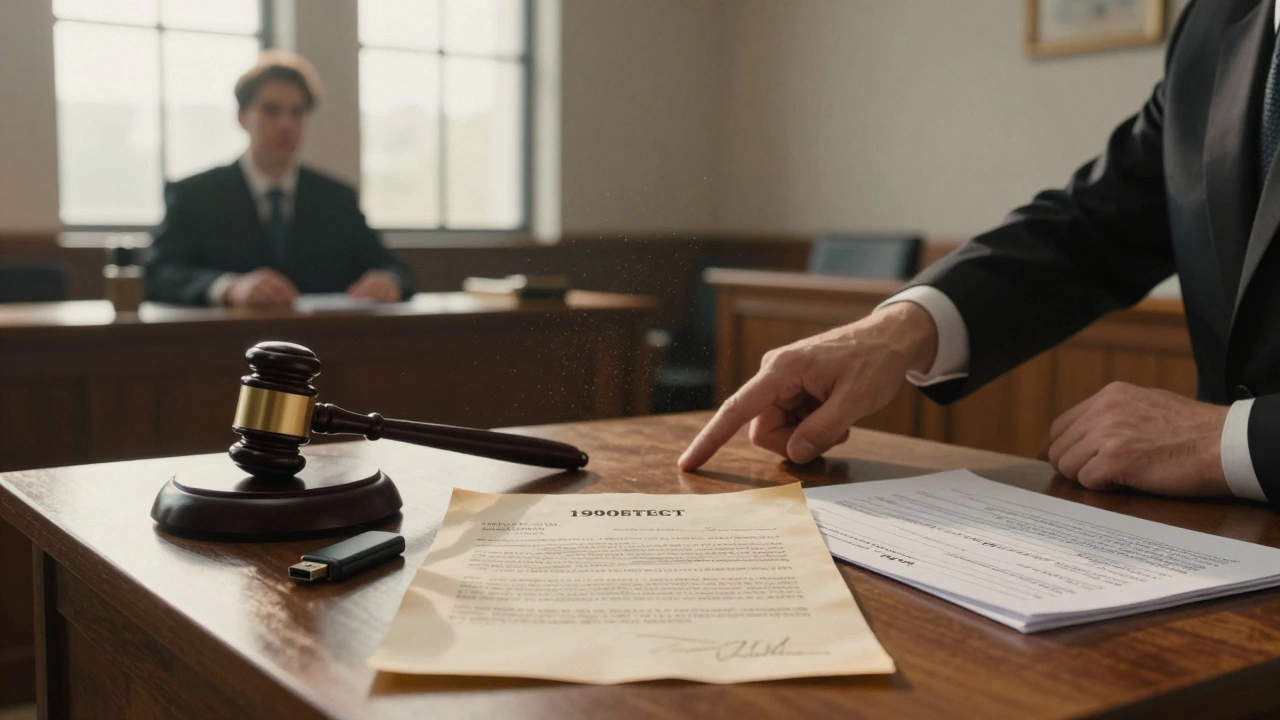
Foundational Questions: Establishing Evidence Authentication in Court
- By : Ian Brophy
- Date : Mar 20 2026
Evidence authentication is the legal gate that determines whether an item can be presented in court. It doesn't prove truth-it proves identity. Learn how witnesses, distinctive traits, and chain of custody make evidence admissible.
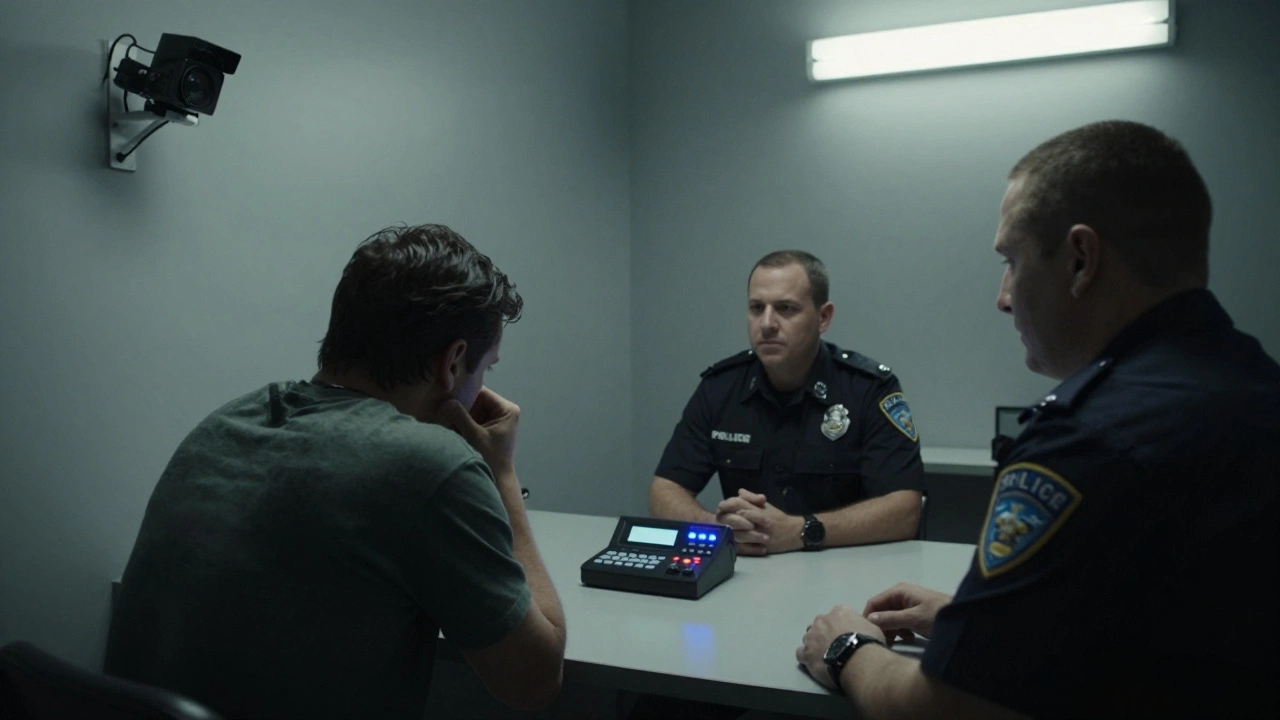
Interview Recording: Legal Standards in Homicide Interrogations
- By : Ian Brophy
- Date : Mar 16 2026
Legal standards for recording homicide interrogations vary widely across U.S. states, with some requiring full video recording and others having no requirements at all. Learn how recording impacts confessions, officer accountability, and case outcomes.

Admissibility Motions: How Pre-Trial Evidence Challenges Shape Trials
- By : Ian Brophy
- Date : Mar 13 2026
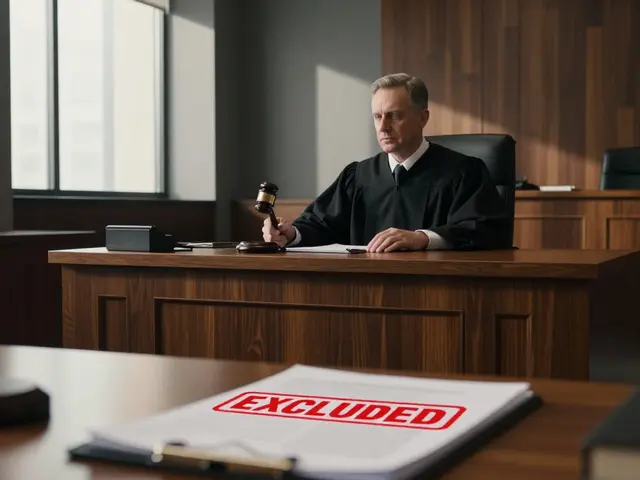
Admissibility motions are pre-trial legal tools that block improper evidence from reaching juries. They protect fair trials by excluding illegally obtained evidence, hearsay, and prejudicial material. Understanding these motions is key to both defense and prosecution strategy.
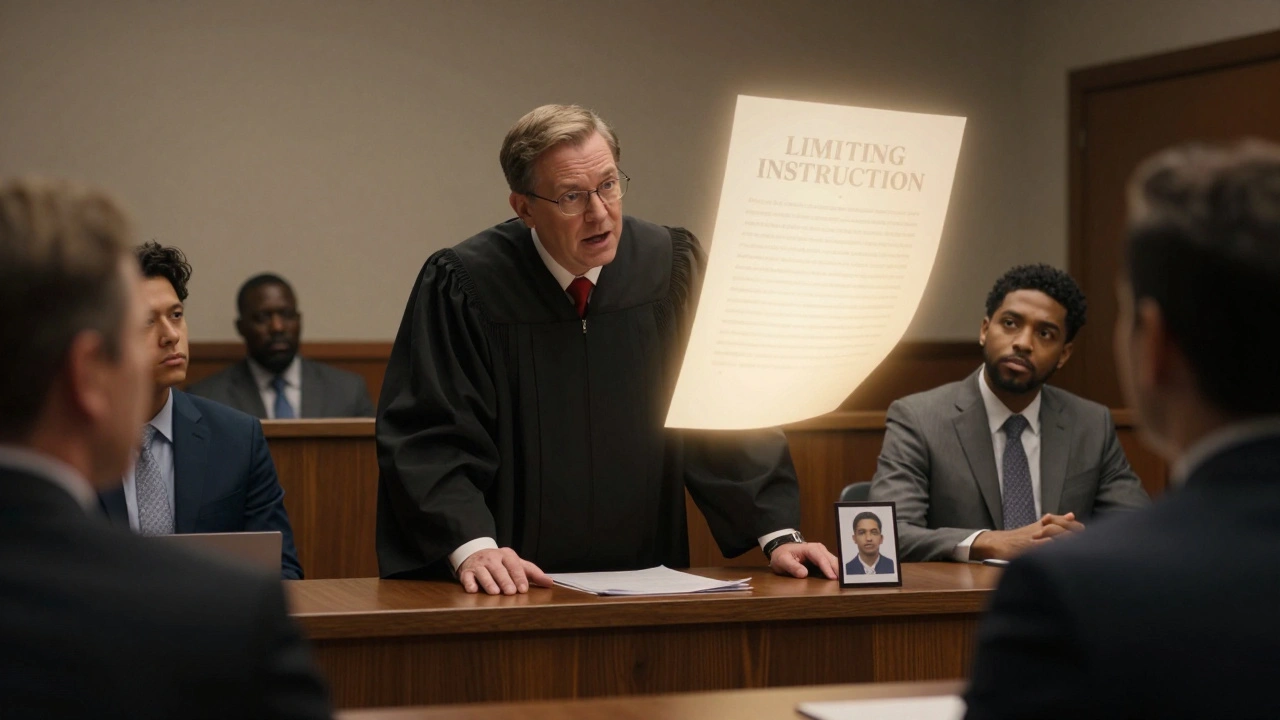
Limiting Instructions: How Judges Teach Jurors to Use Evidence Fairly
- By : Ian Brophy
- Date : Mar 13 2026
Limiting instructions are court directives that tell jurors how to use certain evidence-only for its legal purpose. Despite doubts about their effectiveness, they remain essential to keeping trials fair and evidence rules intact.
Courtroom Limits of Profiling Evidence: What Judges Allow and What They Block
- By : Ian Brophy
- Date : Mar 6 2026
Criminal profiling can help investigators, but courts strictly limit its use in trials. Learn what profiling evidence is allowed, why it's often blocked, and how judges decide what's admissible.

Offender Motivation: Power, Control, and Gratification in Criminal Behavior
- By : Ian Brophy
- Date : Mar 2 2026
Offender motivation isn't one-size-fits-all. Power, control, and gratification drive different criminals in different ways - and understanding these distinctions is key to criminal profiling and effective investigations.