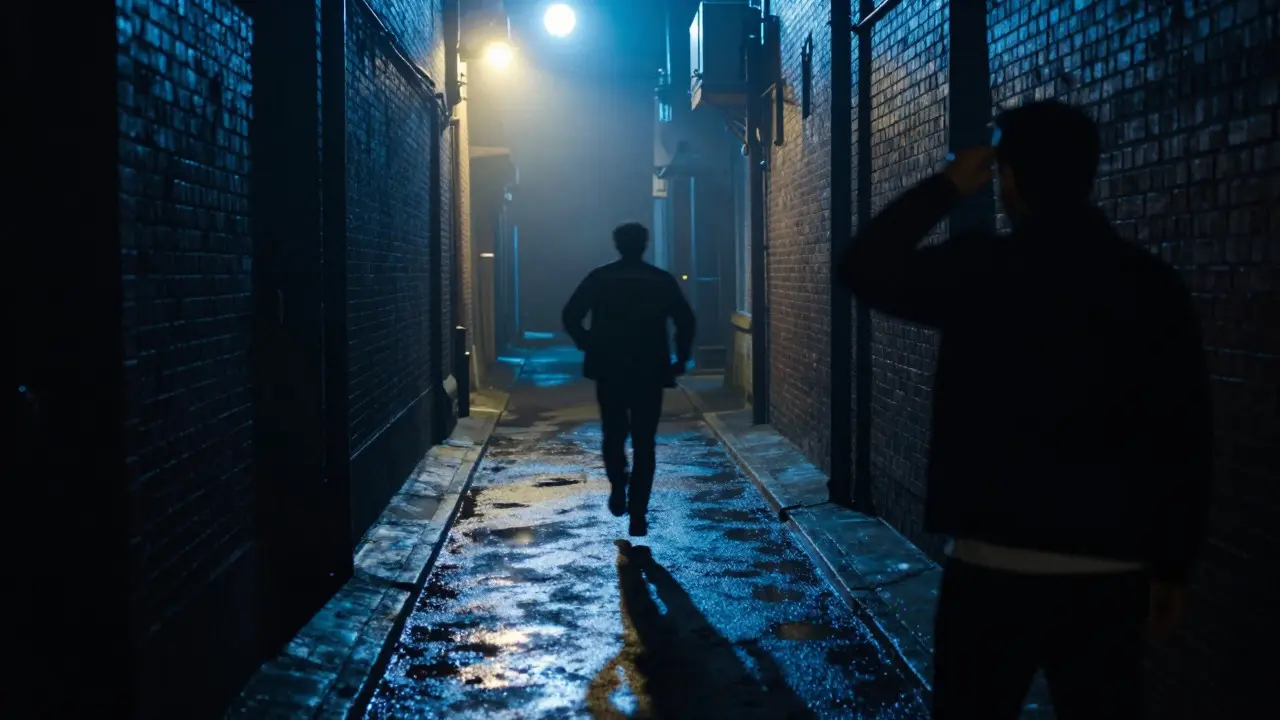
Imagine you are in a dark alley. A figure runs past. You see their face for a split second before they vanish into the shadows. Later, under bright police lights, you point to them in a lineup with absolute certainty. But what if your brain just filled in the gaps? Eyewitness reliability is the degree to which an observer's account of an event matches objective reality, heavily influenced by cognitive processes and environmental conditions. It is not a simple act of recording video; it is a reconstructive process where the brain actively builds a narrative from fragments. For law enforcement and criminal profilers, understanding this gap between perception and memory is critical. A confident witness can be wrong, and that error can derail an investigation or convict an innocent person.
The Myth of the Video Recorder
Most people believe memory works like a camera: press record, play back, done. In reality, human memory is more like a collage artist. When you recall an event, you are not retrieving a stored file; you are rebuilding it using sensory data, prior knowledge, and current emotions. This reconstruction happens every time you remember something, even once. By the time a witness gives a formal statement, the original memory has already been altered by the first few recalls.
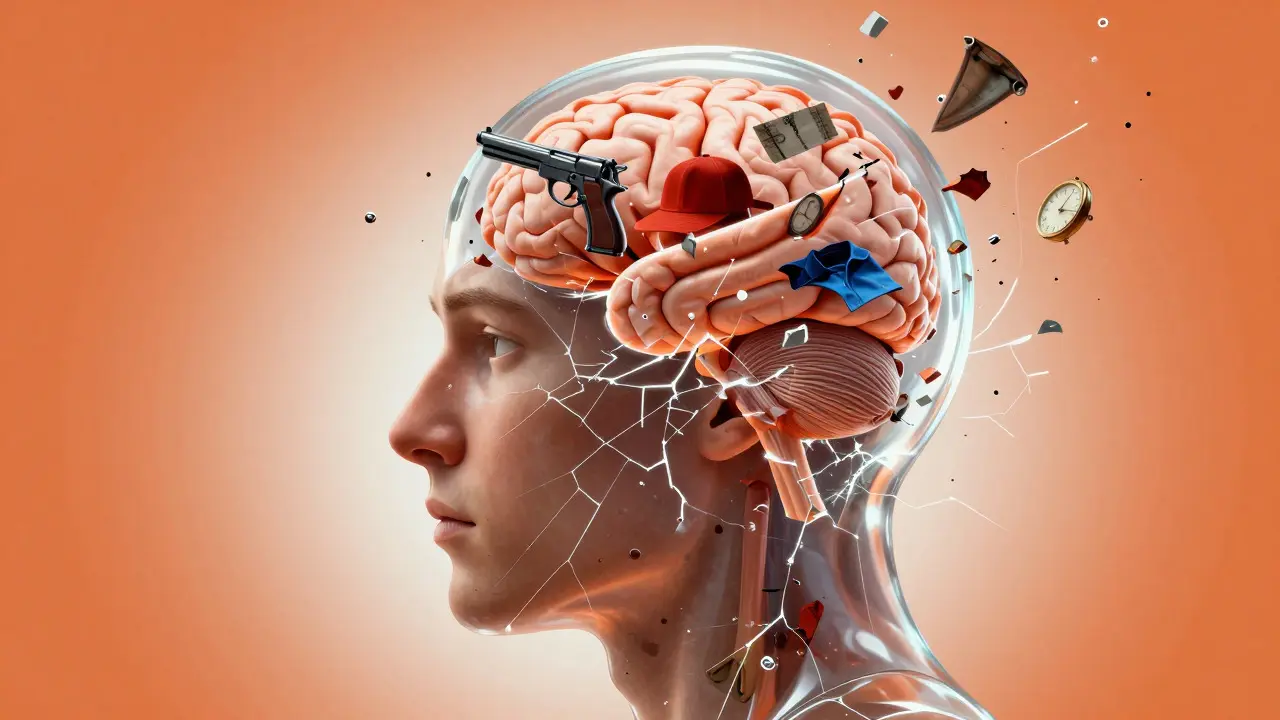
This concept, known as reconstructive memory, a cognitive process where memories are rebuilt rather than retrieved intact, leading to potential distortions over time. means that details can shift. The color of a shirt might change from blue to green. The height of a suspect might increase slightly. These aren't lies; they are natural byproducts of how the brain stores information. If a profiler ignores this, they risk building a profile on shaky ground.
How Stress Distorts Perception
Criminals often operate in high-stress environments, and victims are rarely calm observers. Stress impacts memory in two distinct ways, creating a complex picture for investigators. First, there is the "focusing effect." Under extreme pressure, attention narrows to the most salient detail, often a weapon. If a victim sees a gun, they may focus entirely on it, missing the suspect's face, build, or clothing. This is why witnesses frequently describe the weapon accurately but struggle to identify the perpetrator.
Second, stress affects encoding versus retrieval. Moderate stress can enhance memory for central details, but high stress impairs peripheral details. Consider a bank robbery. The victim remembers the teller's terrified expression (central) but forgets the exact number of robbers (peripheral). Psychological research shows that cortisol, the stress hormone, plays a key role here. Too much cortisol during the event can actually damage the hippocampus's ability to form stable long-term memories. So, the scarier the crime, the less reliable the background details tend to be.
Post-Event Information Bias
Memory doesn't stop changing when the crime ends. In fact, it changes rapidly after the fact. This is where post-event information, information received after an event that can alter the original memory trace. becomes a major factor. If a witness reads a news report about the suspect wearing a red hat, their memory of the suspect might update to include a red hat, even if the suspect was wearing blue. They won't realize the change happened. They will simply believe they saw red all along.
This bias is powerful because it feels authentic. The new information blends seamlessly with the old memory. For criminal profilers, this means timelines matter. The closer the interview is to the event, the fewer external influences have had time to contaminate the witness's account. Delayed interviews, common in complex cases, carry a higher risk of distorted details due to media exposure or discussions with other witnesses.
The Power of Suggestion in Lineups
Perhaps the most dangerous threat to eyewitness reliability is suggestion. Police lineups are designed to help, but they can also hurt if not administered carefully. There are two main types: showups and photo arrays. A showup involves presenting a single suspect to the witness shortly after the crime. While fast, it carries a high risk of confirmation bias. If the officer unconsciously signals who the suspect is, the witness will likely choose that person.
Photo arrays are safer but still require strict protocols. The method used matters immensely. In a "double-blind" procedure, neither the witness nor the administrator knows who the suspect is. This removes the chance of subtle cues influencing the choice. In contrast, a single-blind procedure allows the administrator to know the suspect, increasing the risk of accidental influence. Studies consistently show that double-blind lineups reduce false identifications significantly. If a profiler relies on an identification made through a flawed process, the entire case strategy may rest on sand.
Integrating Eyewitness Data into Profiling
So, how do we use this information in criminal profiling? We don't discard eyewitness accounts; we weigh them. A good profiler treats witness testimony as one piece of evidence among many, not the sole truth. Here is how to approach it:
- Triangulate Details: Compare the witness description with physical evidence. Does the shoe print match the size described? Does the DNA hair sample match the color reported?
- Assess Confidence vs. Accuracy: Remember, confidence does not equal accuracy. A witness who says "I'm 100% sure" is no more accurate than one who says "I think it was him." Focus on the quality of the initial observation, not the final conviction level.
- Check for Consistency: Ask the same questions multiple times. Core facts usually remain stable, while peripheral details drift. If the core facts align across different witnesses, reliability increases.
- Consider the Environment: Was it dark? Was there rain? Did the witness wear glasses? These contextual factors explain potential errors without accusing the witness of lying.
| Factor | Impact on Memory | Profiling Implication |
|---|---|---|
| High Stress | Narrows attention to weapons; impairs peripheral details | De-emphasize non-central details in suspect profiles |
| Time Delay | Increases decay and contamination from post-event info | Prioritize early interviews; verify against physical evidence |
| Suggestive Questions | Alters memory content to fit the question | Use open-ended questioning techniques only |
| Lineup Method | Single-blind lineups increase false IDs | Require double-blind procedures for valid identifications |
| Weapon Focus | Reduces facial recognition accuracy | Rely on gait, voice, or clothing instead of face if weapon present |

Common Pitfalls to Avoid
Investigators often fall into traps that undermine credibility. One common mistake is anchoring. If the first witness describes a tall man, subsequent witnesses might unconsciously adjust their descriptions to match that anchor, even if they saw someone shorter. To avoid this, keep witness statements separate until cross-referencing begins. Another pitfall is ignoring the witness's state of mind. A witness who was intoxicated, injured, or distracted has a different baseline for reliability than a sober, focused observer. Adjust your expectations accordingly.
Finally, avoid treating the witness as an adversary. Hostile questioning can cause witnesses to shut down or guess. Instead, adopt a collaborative tone. Ask, "What else do you remember?" rather than, "Are you sure he was wearing a hat?" The latter implies doubt and suggests a specific answer, both of which distort memory further.
Frequently Asked Questions
Is a confident eyewitness always accurate?
No. Research shows that confidence and accuracy are weakly correlated. A witness can be highly confident yet completely wrong, especially if the identification was made under suggestive conditions or after significant time delay. Confidence grows over repeated exposures to the suspect, making it a poor indicator of truthfulness.
How does lighting affect witness reliability?
Poor lighting significantly reduces the amount of visual detail encoded. In low light, the brain relies more on pattern recognition than specific features, increasing the likelihood of misidentifying race, age, or gender. Profilers should place less weight on detailed physical descriptions from events occurring at night or in dim interiors.
Can hypnosis improve eyewitness memory?
Generally, no. While hypnosis can increase the volume of information recalled, it also increases the rate of confabulation (making up details). Because it is difficult to distinguish true memories from fabricated ones, many courts and investigators now view hypnosis with skepticism. It is better to rely on structured cognitive interviewing techniques that work with natural memory processes.
What is the best way to interview a witness?
The Cognitive Interview technique is widely considered the gold standard. It involves four steps: context reinstatement (recalling the environment), free recall (telling everything without interruption), reporting from different perspectives, and reverse-order recall. This method maximizes detail retrieval while minimizing distortion.
Does age affect eyewitness reliability?
Yes, but in different ways. Children are more suggestible and prone to confabulation, requiring careful, non-leading questioning. Older adults may have slower processing speeds but often retain strong episodic memories. Middle-aged adults typically show the highest stability in memory recall. Profilers must adjust their interpretation based on the witness's developmental stage and cognitive health.