Imagine a case file sitting in a dusty archive, labeled "Closed" or "Unsolved" for twenty years. The physical evidence hasn't changed, but the way we understand human behavior has completely shifted. Cold Case Behavioral Reassessment is the process of applying modern psychological frameworks and advanced data analytics to previously unsolved criminal investigations to identify new leads or correct previous misjudgments. It isn't just about re-reading old notes; it's about looking at the same facts through a lens that didn't exist when the crime originally occurred.
You might wonder why this matters now. Technology like DNA Databases and social media archiving have given investigators tools they never had before. But the real breakthrough comes from how we interpret the offender's mind. Old profiles often relied on intuition and limited samples. Today, we use data-driven approaches that reduce bias and increase accuracy. This shift transforms dead-end cases into active inquiries again.
The Shift from Intuition to Data-Driven Profiling
For decades, Criminal Profiling was largely an art form. Investigators relied on experience, gut feelings, and anecdotal patterns. While valuable, this method was prone to confirmation bias. If an investigator believed the suspect was a local male between 30 and 40, they tended to see evidence that supported that belief and ignored what contradicted it.
Modern behavioral reassessment changes this dynamic by introducing statistical rigor. We now look at large datasets of solved cases to find objective correlations. For example, instead of guessing a suspect's age based on their choice of weapon, we analyze hundreds of similar crimes to see what demographic trends actually hold up statistically. This approach doesn't replace human insight; it anchors it in reality. When you combine the nuanced understanding of a seasoned detective with hard data, you get a much sharper picture of who committed the crime.
This method also helps clear the innocent. In many cold cases, the original investigation focused on one suspect because they fit the initial profile. By broadening the net using data-driven insights, investigators can often identify overlooked suspects who don't fit the traditional stereotype but match the behavioral signature of the crime.
Key Components of a Modern Reassessment
A successful behavioral reassessment isn't a single action; it's a structured process. Here are the core elements that make up this modern approach:
- Scene Re-Examination: Going back to the crime scene (or detailed photos/videos) to look for details missed under time pressure. New lighting analysis or perspective shifts can reveal hidden behaviors.
- Victimology Update: Re-interviewing surviving family members or reviewing updated records. A victim's life circumstances may have changed, or new information about their relationships may have emerged since the original investigation.
- Digital Footprint Analysis: Using archived internet data, social media posts, and digital communication records to map the suspect's movements and associations over time.
- Behavioral Signature Mapping: Identifying unique quirks or habits left by the offender, such as specific tying methods, disposal locations, or ritualistic actions, and comparing them to current databases.
- Collaborative Review: Bringing together psychologists, data analysts, and detectives from different jurisdictions to break down echo chambers and provide fresh eyes.
Each of these components feeds into the others. For instance, a detail found during the scene re-examination might lead to a new theory about the victimology, which then directs where to look in the digital footprint.
How Technology Enhances Behavioral Analysis
Technology is the engine behind modern cold case work. It’s not just about faster computers; it’s about new types of data. Geographic Profiling, once a manual exercise involving maps and pins, is now powered by algorithms that calculate probability zones based on travel patterns and routine behaviors.
Consider the role of Social Media Archiving. In the past, if a suspect moved cities five years ago, tracking their new associates was nearly impossible. Now, public posts, check-ins, and mutual friend lists create a web of connections that can be analyzed for anomalies. Did the suspect suddenly stop posting after a certain date? Did they interact with people linked to the crime scene? These subtle digital behaviors provide context that physical evidence alone cannot.
Furthermore, advances in Forensic Genetics allow us to extract more information from degraded DNA samples. Even if we only have a partial profile, we can now use kinship matching to find relatives in national databases, leading to potential suspects through familial searches. This genetic link often triggers a behavioral review of the extended family network, revealing social dynamics that were previously invisible.

Common Pitfalls in Cold Case Reviews
Even with better tools, mistakes happen. One major pitfall is anchoring bias. Investigators often get stuck on the original theory because it feels comfortable. To avoid this, teams are encouraged to assign a "devil's advocate" whose job is to argue against the prevailing theory. This forces the team to consider alternative explanations and prevents tunnel vision.
Another issue is relying too heavily on outdated psychological models. Human behavior is complex and influenced by culture, era, and individual trauma. A profile created in the 1990s might reflect societal norms of that time, which no longer apply. Modern reassessments require updating these psychological frameworks to reflect current understanding of mental health, neurodivergence, and social dynamics.
Finally, poor documentation can hinder progress. If the original case files are messy or incomplete, reconstructing the timeline becomes difficult. Digitizing and standardizing case records is a crucial first step before any deep behavioral analysis can begin.
Case Study: The Power of Recontextualization
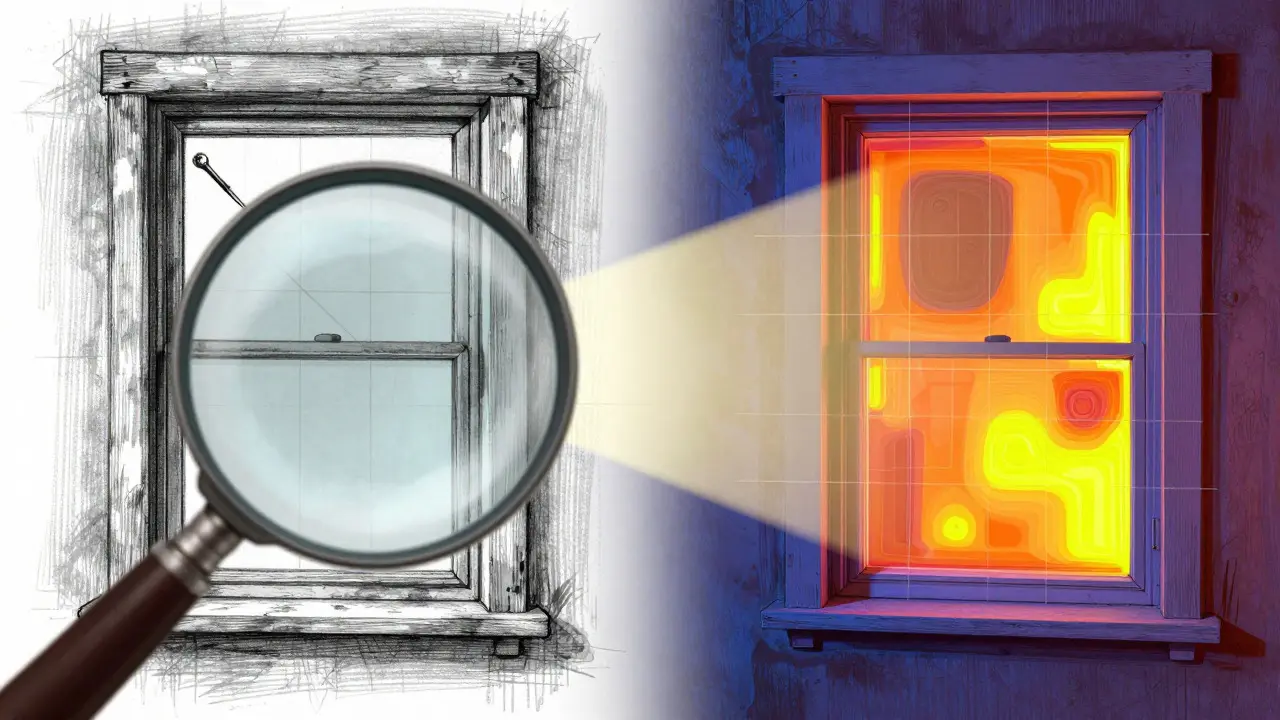
Let’s look at a hypothetical scenario to illustrate how this works in practice. Imagine a burglary case from 2015 that went unsolved. The original report noted that the suspect entered through a window and took only small electronics. The initial profile suggested a young, opportunistic thief.
In a 2026 reassessment, analysts revisit the scene. They notice the window was forced with a specific type of tool rarely used by casual thieves. Digital records show the neighborhood had a spike in similar burglaries three months later, all involving the same tool. By connecting these dots, the profile shifts from a random opportunist to a specialized burglar who uses specific tools. This new behavioral signature allows investigators to search for other crimes with similar tool marks, potentially linking the suspect to a series of solved cases they were never connected to initially.
This example shows how changing the behavioral interpretation can unlock new avenues of inquiry. It’s not just about finding the culprit; it’s about understanding the *why* and *how* in a way that reveals connections previously missed.
Building a Collaborative Team for Success
No single expert can handle every aspect of a cold case reassessment. You need a multidisciplinary team. This typically includes:
- Lead Investigator: Manages the case flow and liaises with law enforcement agencies.
- Forensic Psychologist: Provides expert insight into offender behavior and motivation.
- Data Analyst: Handles geographic profiling, database queries, and statistical modeling.
- Forensic Scientist: Reviews physical evidence for new interpretations using modern lab techniques.
- Community Liaison: Helps gather new witness statements and updates on local knowledge.
Regular meetings where each member shares their findings ensure that no piece of information is siloed. The psychologist might point out a behavioral inconsistency that the data analyst can then test against geographic patterns. This cross-pollination of ideas is where breakthroughs usually happen.
| Aspect | Traditional Method | Modern Behavioral Reassessment |
|---|---|---|
| Primary Tool | Intuition and Experience | Statistical Data and Algorithms |
| Suspect Scope | Narrow, based on stereotypes | Broad, based on behavioral signatures |
| Evidence Review | One-time physical inspection | Ongoing digital and physical re-analysis |
| Bias Control | Minimal, reliant on individual judgment | Structured, with devil's advocate roles |
| Timeframe Focus | Immediate post-crime period | Long-term behavioral patterns and digital history |
Frequently Asked Questions
How long does a cold case behavioral reassessment take?
There is no fixed timeframe. Simple cases with clear digital trails might take a few weeks. Complex cases requiring extensive DNA analysis or international collaboration can take several months to a year. The goal is thoroughness, not speed, though efficient workflows help manage timelines.
Does behavioral reassessment guarantee a solution?
No, it increases the probability of finding new leads. Some cases remain unsolved due to lack of physical evidence or witness memory decay. However, reassessment often clarifies the direction of the investigation, even if it doesn't immediately identify a suspect.
What role does DNA play in behavioral reassessment?
DNA provides biological links that anchor behavioral theories. For example, if DNA places a suspect at the scene, behavioral analysis can explain their motive and method. Conversely, if DNA excludes a suspect, it forces a complete re-evaluation of the behavioral profile.
Can old witnesses still provide useful information?
Yes, often surprisingly so. People remember details differently when asked open-ended questions rather than leading ones. New interviewing techniques used in modern reassessments can unlock memories that were suppressed or forgotten during the initial high-stress investigation.
Is behavioral profiling scientific?
It is becoming more scientific. While historically rooted in psychology and observation, modern profiling integrates statistical modeling and empirical data. It is best viewed as a hypothesis-generating tool that guides investigation, rather than a definitive proof of guilt.