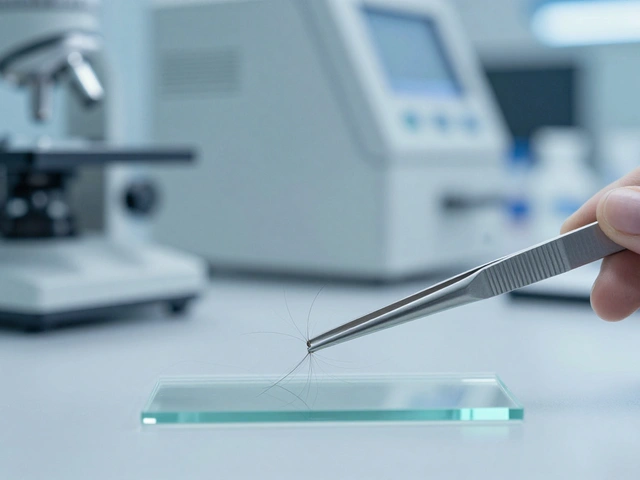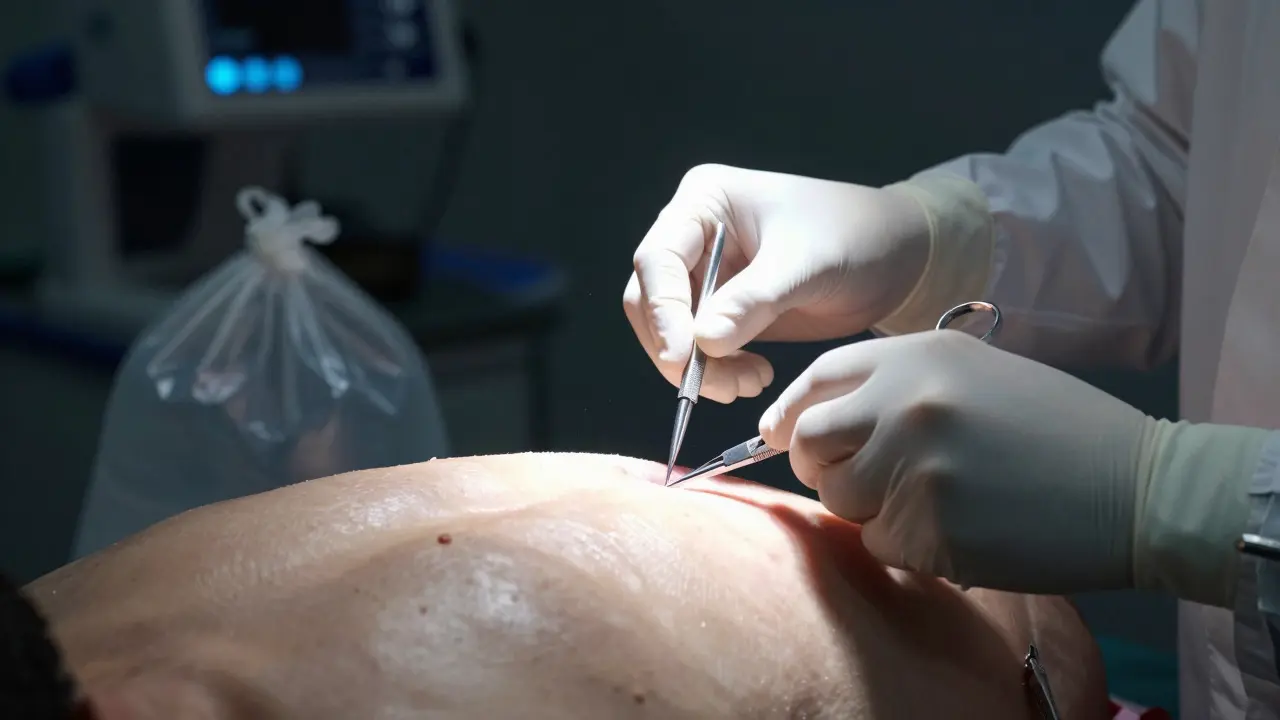
Imagine a body found in a parking lot. The police say it looks like a fall. The family thinks it was an accident. But when the Medical Examiner is a physician who investigates deaths to determine cause and manner, they open the chest and find a tiny fracture on the left ventricle that wasn't visible from the outside. That small crack changes everything. It shifts the narrative from a simple slip-and-fall to a potential homicide or a complex cardiac event triggered by trauma.
This is where the determination of the direct cause of death becomes critical. It isn't just about filling out a form; it's about connecting the dots between what happened to the body and why the heart stopped beating. For legal teams, insurance adjusters, and grieving families, getting this right matters because it dictates liability, compensation, and justice.
What Actually Defines the "Direct" Cause?
In forensic pathology, we don't just list every illness a person had. We trace a specific chain of events. The direct cause of death is the final injury or disease that initiates the fatal sequence. Think of it as the last domino in a falling row.
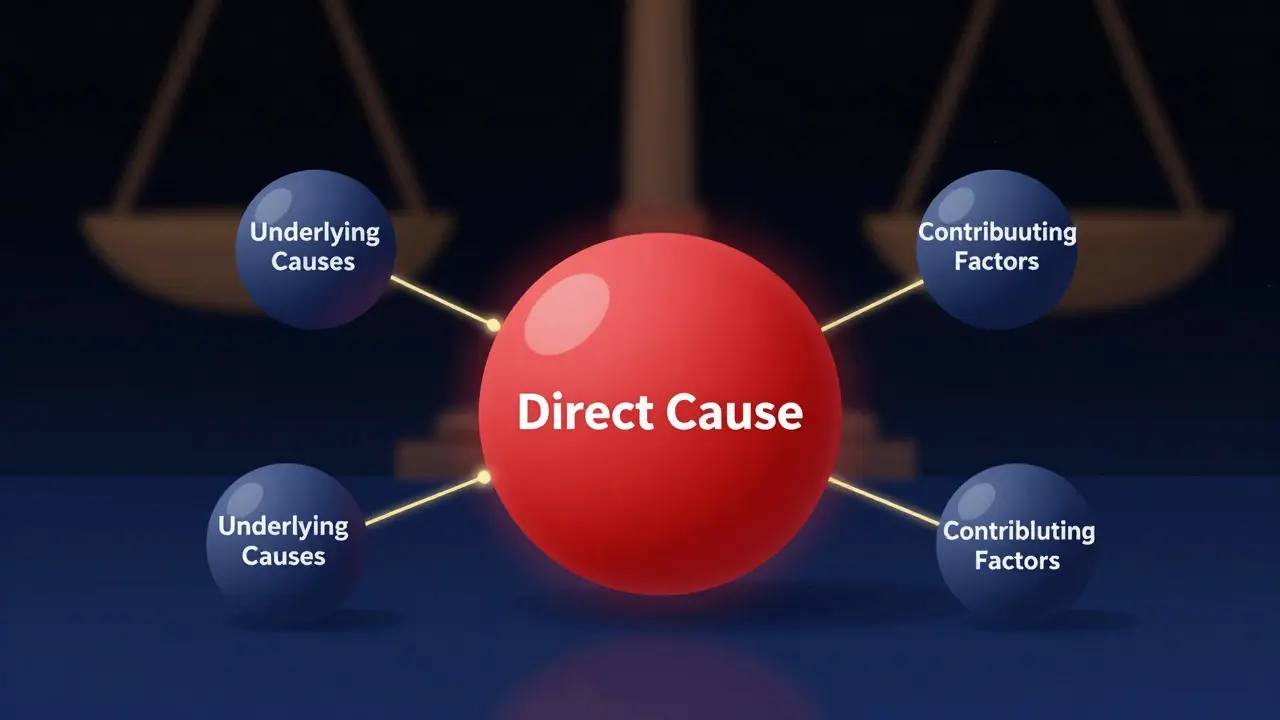
Let's break down the hierarchy using a real-world scenario. Suppose an elderly man with severe emphysema falls down a flight of stairs and breaks his hip. He develops pneumonia while lying in bed for two weeks. He dies of respiratory failure caused by the pneumonia.
- Immediate Cause: Respiratory failure (the actual physiological stop).
- Direct Cause: Pneumonia (the condition leading directly to failure).
- Underlying Cause: Fractured hip (the event that led to immobility).
- Contributing Factor: Emphysema (made him more susceptible but didn't start the chain).
The Medical Examiner lists these in reverse chronological order on the death certificate. This structure ensures that if someone asks, "Why did he die?" the answer traces back to the initial event without getting lost in chronic conditions that existed long before the incident.
The Autopsy: Where the Truth Emerges
You can't determine a direct cause reliably without looking inside. The Autopsy is a systematic examination of a body after death to determine the cause and manner of death. It’s not just a visual check; it’s a full dissection involving external inspection, internal organ removal, and microscopic analysis.
During the procedure, the pathologist looks for signs of Trauma, which refers to physical injury to the body. They distinguish between fresh injuries and old ones based on tissue healing stages. A bruise that is yellow-green is days old; one that is bright red might be hours old. This timing helps reconstruct the timeline of events.
But trauma isn't always blunt force. Sharp force injuries, like stab wounds, require precise mapping. The pathologist measures the length, width, and depth of the wound. More importantly, they trace the path of the blade through the organs. Did it miss the heart? Did it sever a major artery? These details define whether the injury was immediately fatal or allowed the victim to survive long enough for other complications to arise.
Toxicology: The Invisible Culprit
Sometimes, the body looks fine, but the blood tells a different story. Toxicology is the branch of forensic science concerned with the analysis of chemical substances in biological samples. It detects drugs, alcohol, poisons, and industrial chemicals.
Consider a case where a driver crashes into a tree at high speed. There are no external signs of foul play. However, toxicology reveals a lethal combination of benzodiazepines and opioids. The direct cause of death might be listed as "blunt force trauma," but the underlying context involves impaired judgment due to drug influence. In some cases, however, the drugs themselves cause the death-like a massive overdose leading to respiratory depression. Here, the direct cause is the drug toxicity, not any external injury.
Toxicologists work with hair, urine, and vitreous humor (eye fluid) to build a profile of what was in the system. This data is crucial for distinguishing between accidental ingestion, suicide, and murder. For instance, finding cyanide in a victim's stomach contents alongside soot in the lungs points toward poisoning in a fire, rather than simple smoke inhalation.
Distinguishing Natural vs. Unnatural Causes
The line between natural and unnatural causes can be blurry. A heart attack is natural. But if the heart attack was triggered by extreme stress from a robbery, does the robbery become part of the causal chain? Usually, yes. The direct cause remains myocardial infarction, but the manner of death might shift from natural to undetermined or even homicide depending on the evidence.
Natural causes include diseases like Myocardial Infarction (heart attack), stroke, and cancer. Unnatural causes involve external factors like accidents, suicides, homicides, and undetermined situations. The Medical Examiner must rule out external factors before declaring a death natural. This process eliminates alternative explanations systematically.
| Factor Type | Definition | Example Scenario | Impact on Death Certificate |
|---|---|---|---|
| Direct Cause | The immediate injury/disease leading to death | Pneumonia | Listed first in the causal chain |
| Underlying Cause | The condition/injury that started the chain | Fall from height | Listed later in the causal chain |
| Contributing Factor | Pre-existing conditions that worsened outcome | Diabetes Mellitus | Listed separately, not in main chain |
| Manner of Death | Circumstance surrounding the death | Homicide | Separate category from cause |
The Role of Microscopy and Histology
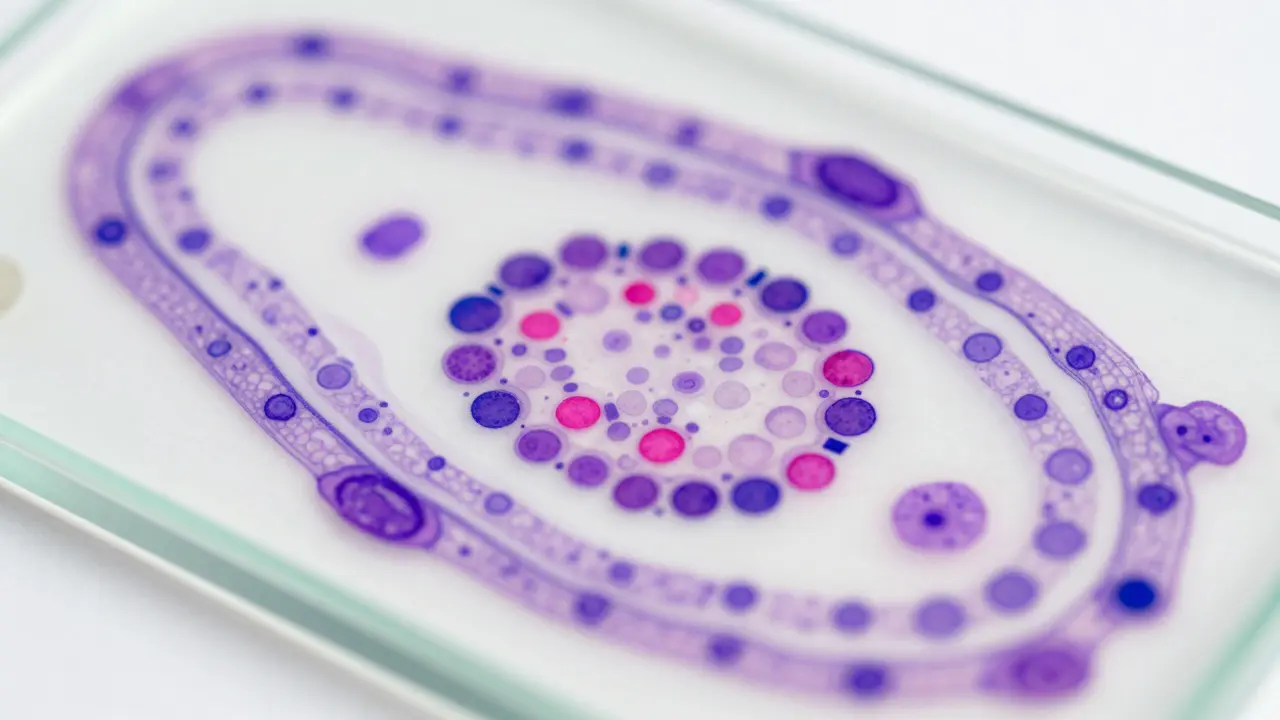
Not all causes are visible to the naked eye. Histology is the study of the microscopic structure of tissues. Pathologists take small samples of organs and stain them to look for cellular changes. This can reveal early-stage infections, allergic reactions, or subtle signs of poisoning that gross examination misses.
For example, in a suspected case of carbon monoxide poisoning, the blood might appear cherry-red. But histology can confirm the presence of carboxyhemoglobin at the cellular level. Similarly, in sudden infant death syndrome (SIDS), histology helps rule out subtle brain stem abnormalities or metabolic disorders that could mimic SIDS but have different legal implications.
Common Pitfalls in Determination
Even experienced examiners face challenges. One common pitfall is anchoring bias-fixating on the first piece of information received, such as a witness statement saying it was a suicide. If the pathologist doesn't remain open-minded, they might overlook defensive wounds on the hands that suggest a struggle.
Another issue is the "diagnosis of exclusion." Sometimes, no clear cause is found. The pathologist rules out everything else and labels the cause as "unexplained" or "undetermined." This isn't a failure; it's an honest reflection of scientific limits. However, it requires rigorous documentation to show that all reasonable avenues were explored.
Time also plays a role. Decomposition can obscure findings. In hot climates, bodies decompose rapidly, making it hard to distinguish antemortem (before death) injuries from postmortem (after death) changes. Entomology, the study of insects, often steps in here to estimate time of death, which helps correlate injuries with the timeline.
How This Impacts Legal Outcomes
The way you phrase the cause of death has legal weight. Saying "gunshot wound to the head" is factual. Saying "homicide by gunshot wound" is a legal conclusion. The Medical Examiner provides the cause; the Coroner or Jury determines the manner. But the clarity of the cause description guides that decision.
If the report states "multiple stab wounds consistent with sharp force trauma,