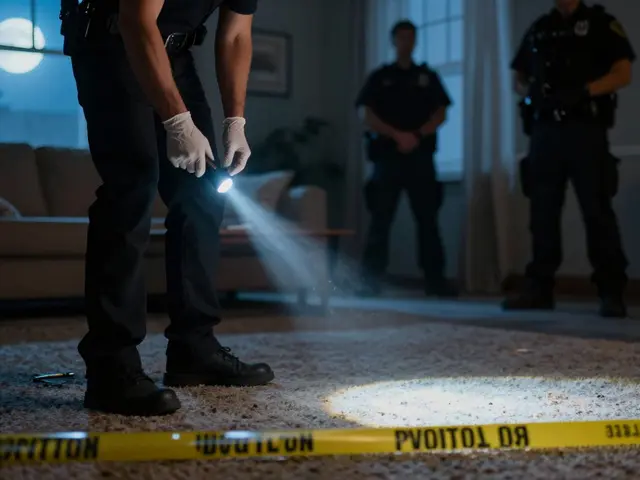
You’ve seen it on every crime show ever made. A technician swabs a cigarette butt, runs it through a machine, and three minutes later, the computer flashes a match. "It’s him," the detective says. Simple, right? But here’s the thing: that process isn’t magic. It’s STR profiling, or Short Tandem Repeat analysis, and it is the absolute gold standard of modern forensic science. If you’re trying to understand how investigators actually identify suspects from biological evidence, you need to look past the TV drama and into the biology.
Quick Summary / Key Takeaways
- What it is: STR profiling analyzes specific non-coding regions of DNA where sequences repeat multiple times.
- Why it works: The number of repeats varies wildly between individuals, creating a unique genetic "barcode."
- The Standard: Most systems analyze 20 specific loci (locations) plus sex markers for high discrimination power.
- Limitations: It struggles with degraded samples, mixtures, and identical twins.
- The Database: In the US, profiles are stored in CODIS, allowing matches across jurisdictions.
What Exactly Are Short Tandem Repeats?
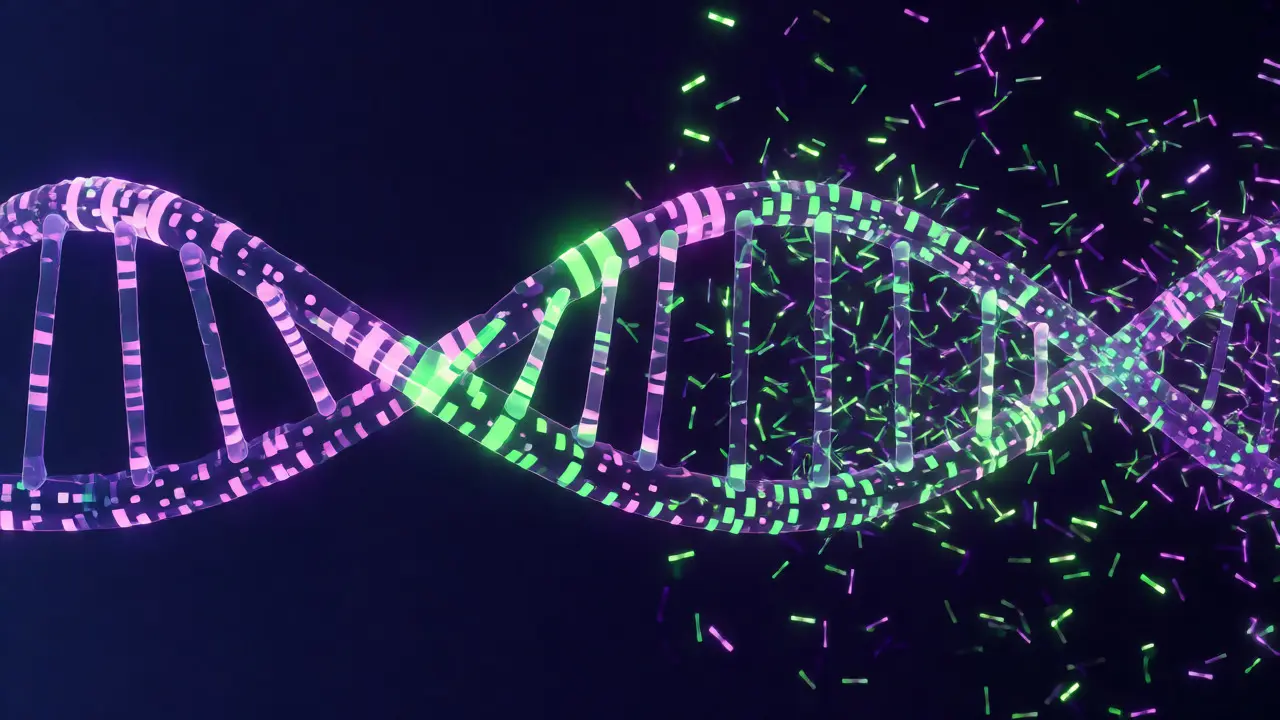
To get STR profiling, you first have to forget everything you think you know about your DNA being "code" for proteins. Only about 1-2% of human DNA actually codes for proteins. The rest? It’s often called "junk DNA," but that’s a misnomer. Much of it contains repetitive sequences. Think of these repeats like a stutter in a sentence. Instead of saying "the cat sat," a section of your DNA might say "GATA GATA GATA GATA." That little block-GATA-is the repeat unit. The number of times it repeats at a specific spot on your chromosome is what matters.
This is where the term Short Tandem Repeat (STR) comes from. "Short" refers to the length of the repeating unit (usually 2-6 base pairs). "Tandem" means they sit right next to each other in a row. And "Repeat" is self-explanatory. Everyone has these repeats. You have them, I have them, everyone does. But the number of repeats differs. At one specific location (called a locus), you might have 12 repeats on one chromosome and 14 on the other. Your neighbor might have 10 and 10. That variation is what makes STRs perfect for identification.
We don’t just look at one spot. If we did, too many people would share the same profile. Instead, forensic labs analyze a specific set of loci. The FBI’s Combined DNA Index System (CODIS) currently uses 20 core STR loci. When you combine the probabilities of matching all 20 loci, the chance of two unrelated people having the exact same profile drops to roughly one in several quadrillion. That’s more than the number of humans who have ever lived.
From Crime Scene to Profile: The Workflow
How do we get from a bloody footprint to those numbers? It’s not just throwing blood in a centrifuge. There’s a rigorous, multi-step process designed to ensure accuracy and prevent contamination.
- Collection and Extraction: First, you need cells. Whether it’s saliva on an envelope, skin cells under fingernails, or blood on a shirt, the lab extracts DNA from the cellular material using chemical buffers and enzymes.
- Quantitation: Before doing anything else, scientists measure how much human DNA is present. This step is crucial because if there’s too little DNA, the test won’t work; if there’s too much, the results can be skewed. They use quantitative PCR (qPCR) to get an exact count.
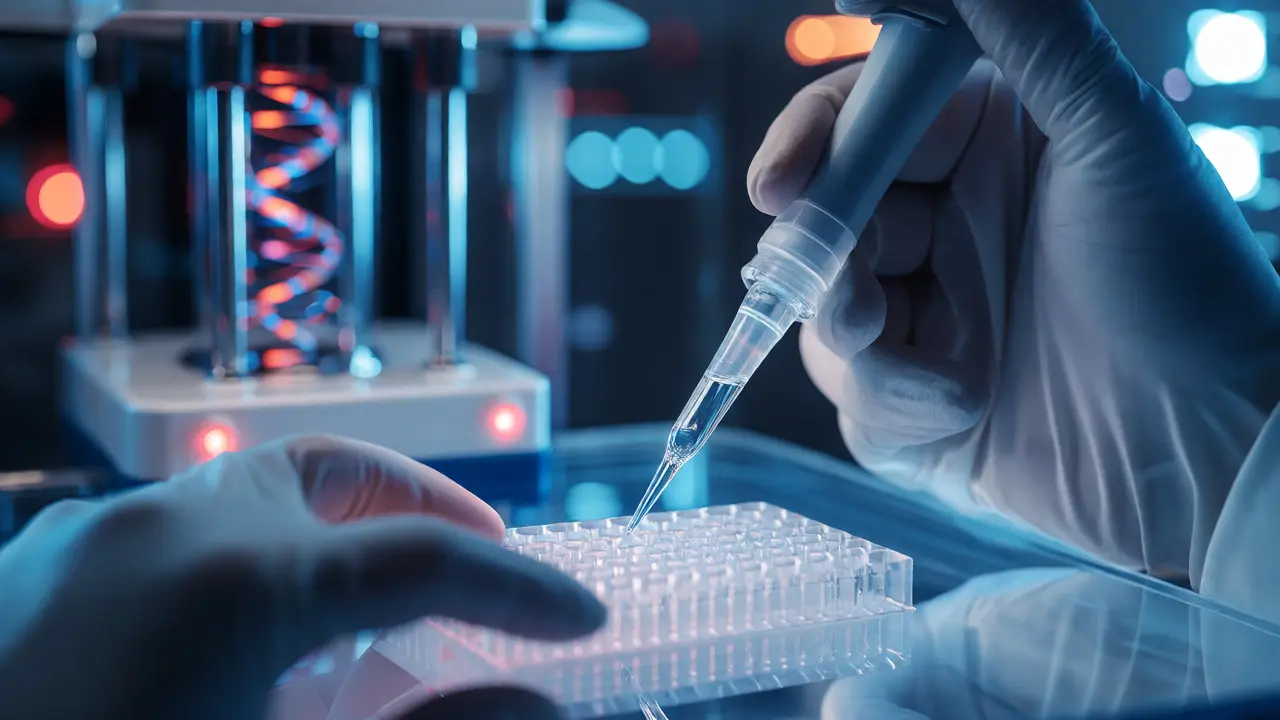
- Amplification: This is the engine room. Using Polymerase Chain Reaction (PCR), the lab targets only the specific STR loci of interest. Imagine photocopying just the pages of a book you care about, ignoring the rest. PCR makes millions of copies of those specific STR regions so they can be detected.
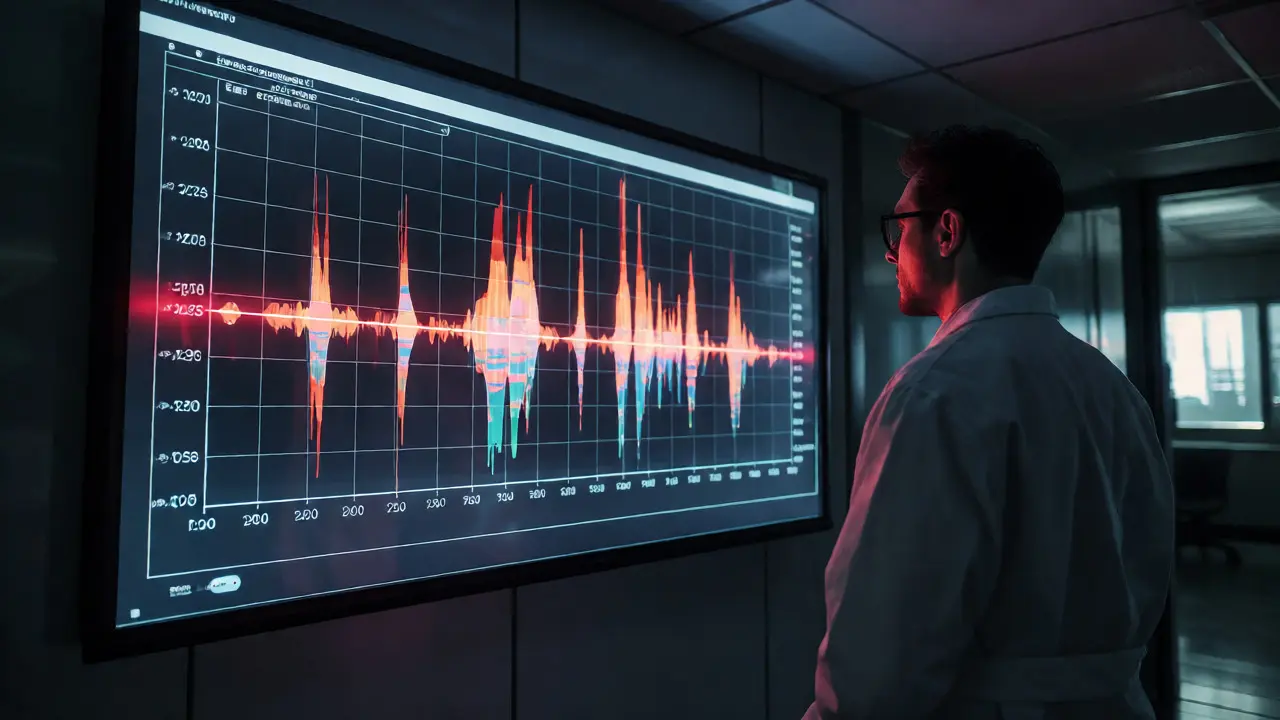
- Celebration Capillary Electrophoresis: The amplified fragments are separated by size. Since different alleles (versions of a gene) have different numbers of repeats, they travel at different speeds through a gel-like substance. Smaller fragments move faster. A laser detects fluorescent tags attached to the fragments, generating a graph called an electropherogram.
- Interpretation: Finally, a scientist looks at the peaks on that graph. Each peak represents an allele. If you see a peak at position 15 and another at 18, your genotype is 15,18. They do this for all 20+ loci to build the full profile.
Why STRs Beat Old-School RFLP
If you’re older, you might remember "DNA fingerprinting" referring to something else entirely: RFLP (Restriction Fragment Length Polymorphism). RFLP was the first method used in court cases, famously in the UK in the mid-1980s. But it had huge drawbacks. It required large amounts of fresh, high-quality DNA. It took weeks to process. And it couldn’t handle degraded samples well.
STR profiling changed the game because it’s compatible with PCR. PCR allows us to amplify tiny, even degraded, amounts of DNA. This means a single hair root, a few skin cells left on a steering wheel, or old bone fragments can now yield a profile. It’s faster (often done in a day or two), more sensitive, and standardized across labs worldwide. While RFLP looked at minisatellites (longer repeats), STRs focus on microsatellites (shorter repeats), which are more stable and easier to copy.
| Feature | RFLP (Old School) | STR Profiling (Current Standard) |
|---|---|---|
| DNA Quality Needed | High quality, large amount | Low quantity, can be degraded |
| Processing Time | Weeks | Days |
| Sensitivity | Low | High |
| Automation | Labor-intensive | Highly automated |
| Database Compatibility | Poor | Excellent (CODIS) |
The Power of Probability and Statistics
Here’s where things get tricky for juries and even some lawyers. A DNA profile doesn’t prove someone committed the crime. It proves the DNA found at the scene belongs to a specific person. But how confident can we be? This is where statistics come in. Forensic biologists calculate a Random Match Probability (RMP). This number answers the question: "If we picked a random person from the population, what are the odds they’d have this same DNA profile?"
For a full 20-locus STR profile, the RMP is astronomically low-often less than 1 in a trillion. But context matters. If the sample is a mixture of two people, the math gets complicated. If the sample is partial (only 10 loci match), the probability goes up. Scientists use population databases to determine how common certain alleles are in different ethnic groups. This ensures that the statistical weight given to a match is fair and accurate, avoiding biases that could arise if we assumed everyone’s genetics were the same.
When STR Profiling Hits a Wall
Despite its power, STR profiling isn’t infallible. There are specific scenarios where it fails or gives ambiguous results.
Mixtures: If three people touched a gun, the resulting profile is a mess of overlapping peaks. Disentangling who contributed what is difficult and subjective. Software helps, but it’s not perfect.
Identical Twins: Monozygotic twins share nearly identical nuclear DNA. Standard STR profiling cannot distinguish between them. You’d need whole genome sequencing or mitochondrial DNA analysis (which also shares limitations) to tell them apart.
Contamination: Because PCR is so sensitive, it amplifies everything. If the lab tech sneezes near the sample, their DNA shows up. Strict protocols, negative controls, and clean-room environments are essential to prevent false positives.
Inhibitors: Sometimes, substances in the sample-like humic acid in soil or heme in blood-inhibit the PCR reaction. The test fails or produces poor results. Labs must extract inhibitors out before proceeding, which can reduce yield further.
Beyond Identification: Kinship and Ancestry
While most people associate STRs with catching criminals, the technology serves other vital roles. One major application is kinship testing. If a body is unidentified, investigators can compare the victim’s STR profile to family members. Parents pass half their alleles to children, so a child’s profile will always share one allele with each parent at every locus. This allows for missing persons cases to be resolved without direct comparison to the individual.
Additionally, companies like AncestryDNA and 23andMe use similar principles, though they often look at SNPs (Single Nucleotide Polymorphisms) rather than just STRs for ancestry estimates. However, the underlying concept remains: analyzing genetic variation to trace lineage and relationships. In forensics, this has led to investigative genetic genealogy, where distant relatives in public databases help narrow down suspect lists when no direct match exists in CODIS.
Can DNA evidence be wrong?
Yes, but usually due to human error or mishandling, not the science itself. Contamination, mislabeling samples, or interpreting complex mixtures incorrectly can lead to wrongful convictions. The biological mechanism of STR inheritance is sound, but the chain of custody and laboratory procedures must be flawless.
How long does it take to get STR results?
In urgent cases, preliminary results can come back in 24-48 hours. For routine casework, it typically takes 2-4 weeks depending on the backlog at the local crime lab. Complex mixtures or degraded samples may take longer.
Does STR profiling work on ancient DNA?
It can, but it’s challenging. Ancient DNA is fragmented and contaminated with environmental microbes. Specialized techniques are needed to recover enough short fragments for STR analysis. Often, mitochondrial DNA or SNP arrays are preferred for very old samples.
What is the difference between a genotype and a phenotype?
A genotype is the genetic makeup-the actual DNA sequence (e.g., STR alleles 12,15). A phenotype is the observable trait resulting from that genotype, such as eye color or height. Forensic phenotyping predicts physical appearance from DNA, while STR profiling identifies identity.
Is my DNA protected in law enforcement databases?
In the US, CODIS stores only the STR profile numbers, not the full genetic code. This means the database doesn't reveal medical conditions or traits, just the identity marker. However, laws vary by state regarding who can be entered into the database (e.g., arrestees vs. convicted felons).