Category: Firearms & Ballistics
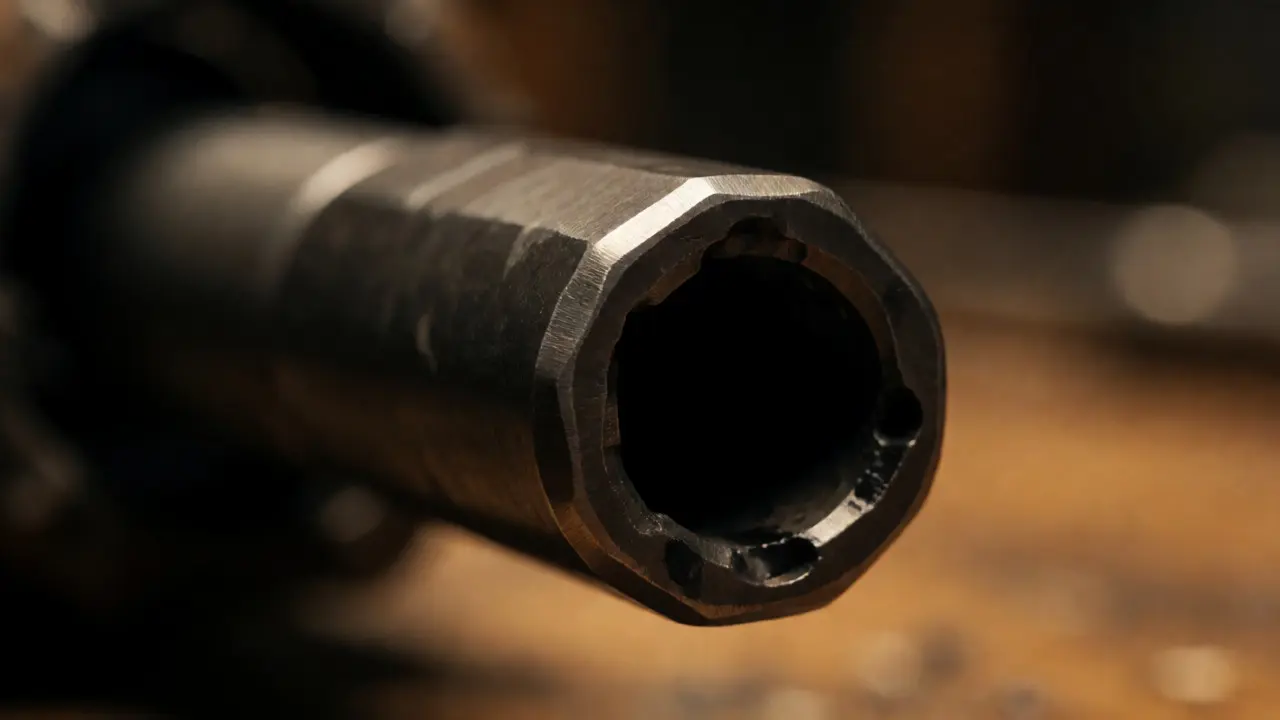
Firearm Maintenance Marks: A Guide to Identifying Weapon Condition
- By : Ian Brophy
- Date : Sep 5 2026
Learn to read firearm maintenance marks to assess weapon condition. Discover how barrel wear, finish patina, and wood grain reveal cleaning habits and potential safety issues.
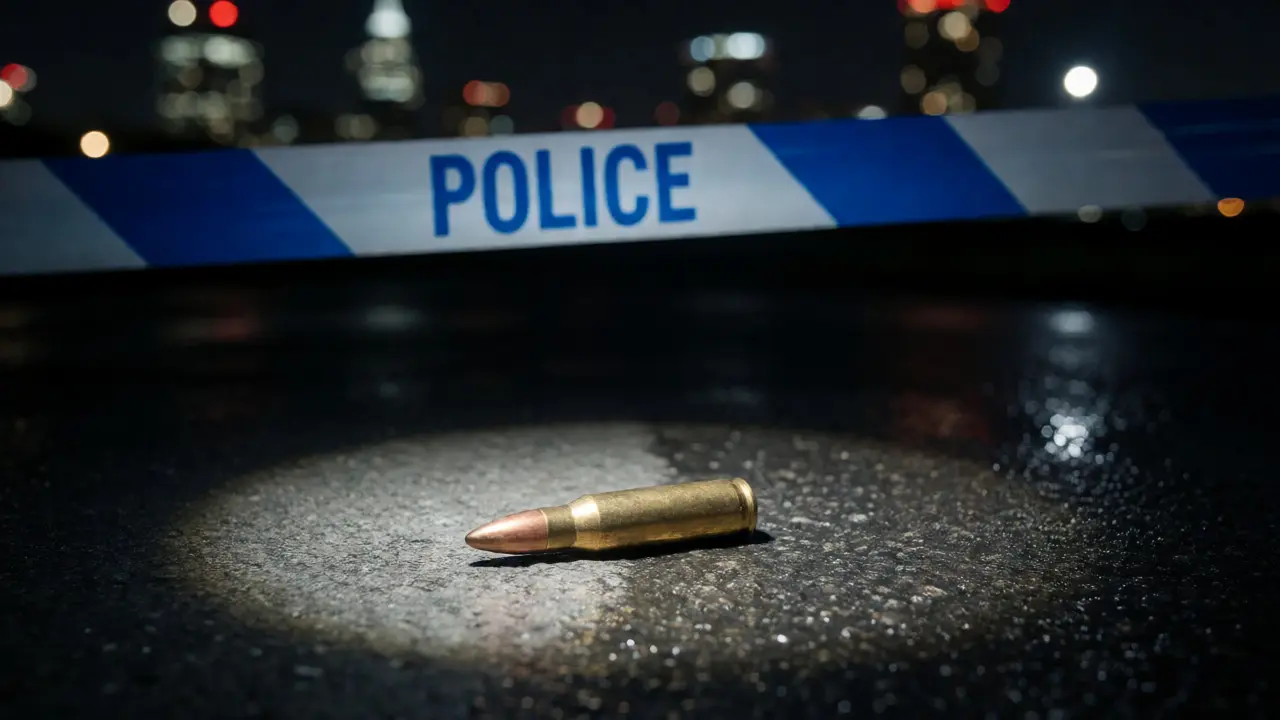
NIBIN Leads: From Entry to Investigative Action
- By : Ian Brophy
- Date : Sep 5 2026
Discover how NIBIN transforms ballistic evidence into actionable intelligence. Learn the workflow from scanning cartridge cases to confirming matches and solving crimes.
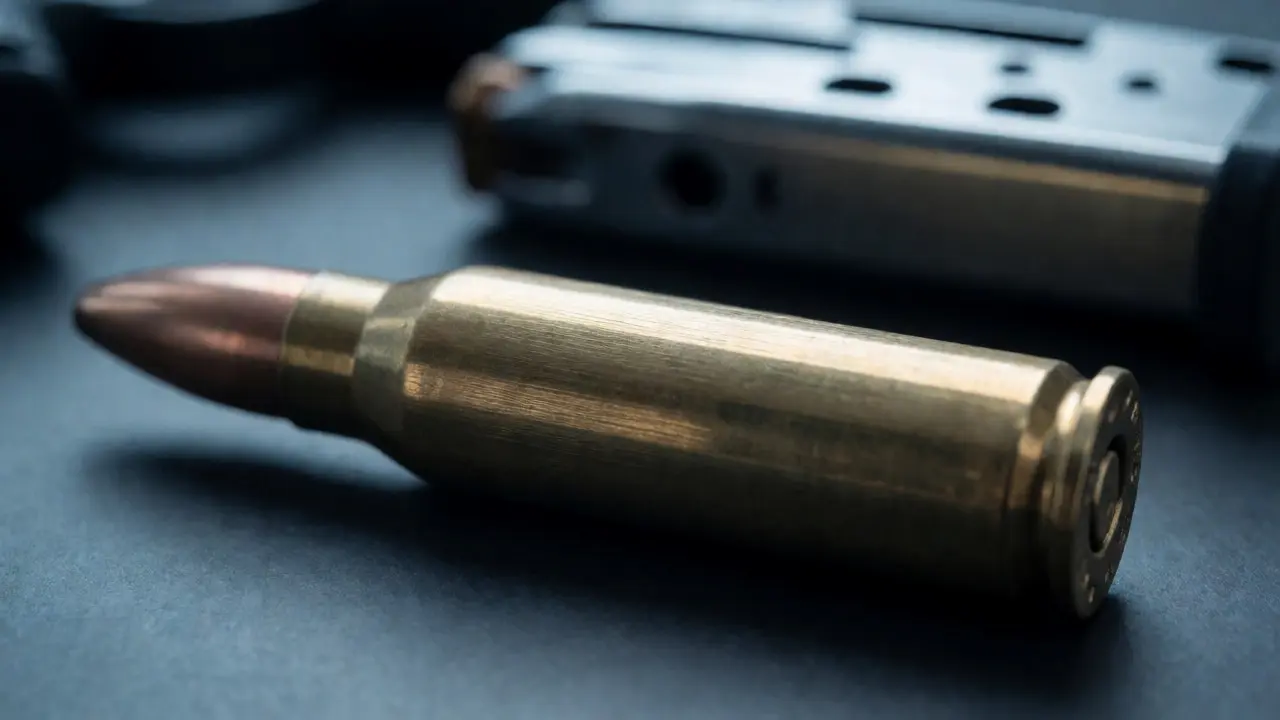
Magazine and Feed System Marks: Linking Firearms to Cases
- By : Ian Brophy
- Date : Sep 4 2026
Discover how magazine and feed system marks provide critical forensic links in firearm investigations. Learn how these unique wear patterns differentiate specific magazines and weapons, enhancing case resolution beyond traditional breech face analysis.
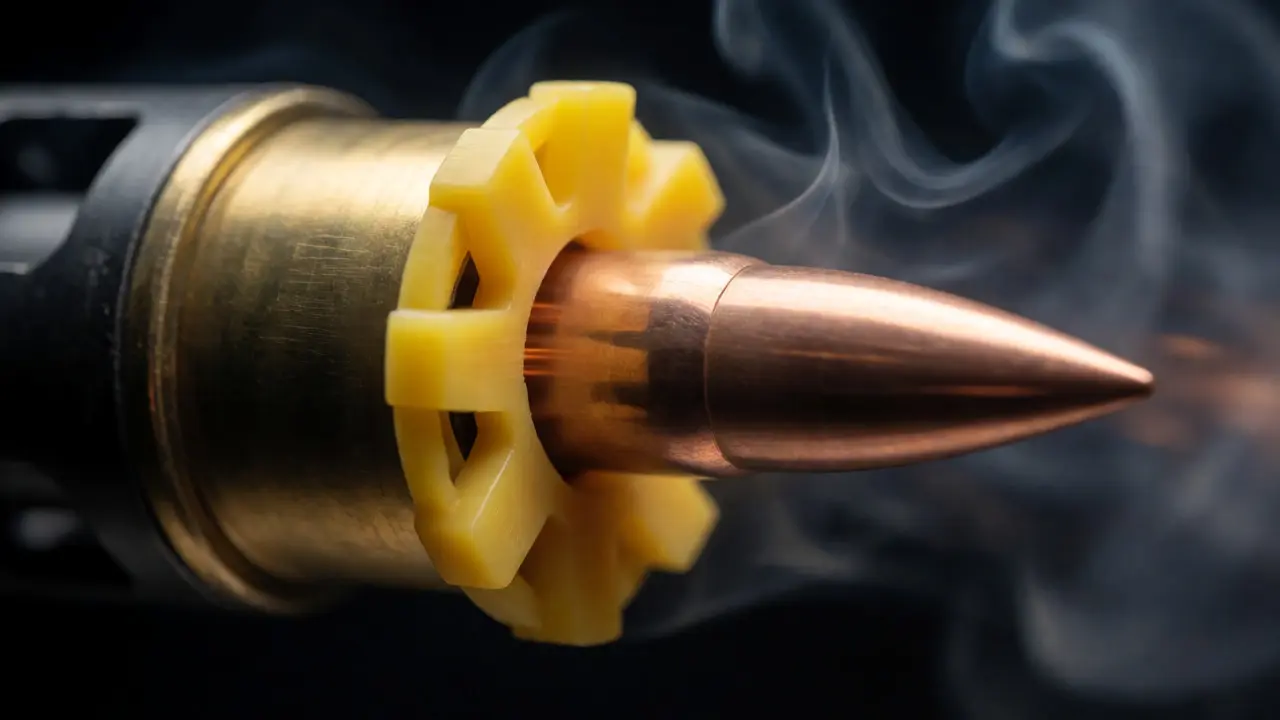
Unusual Ammunition: Sabots, Frangible Rounds, and Custom Reloads Explained
- By : Ian Brophy
- Date : Aug 31 2026
Explore the world of unusual ammunition including sabots, frangible rounds, and custom reloads. Learn how these specialized options improve accuracy, safety, and performance.
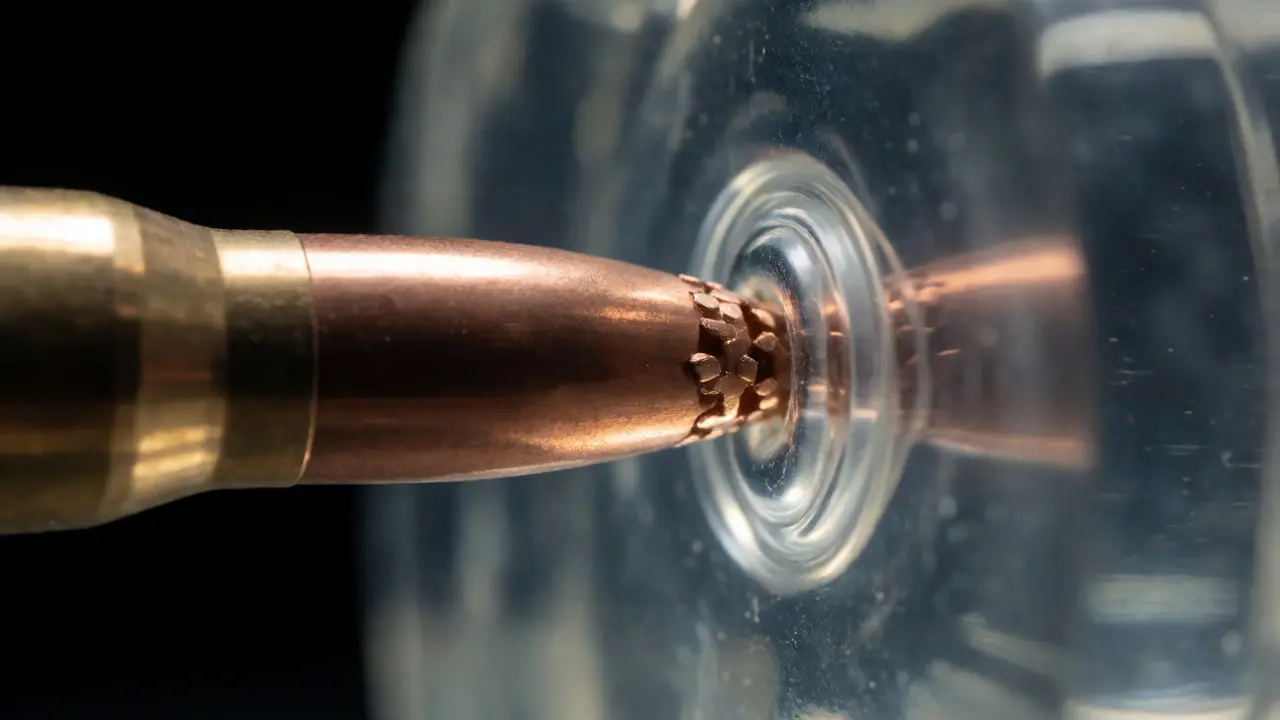
Bullet Fragmentation: Understanding Bullet Behavior in Ballistics
- By : Ian Brophy
- Date : Aug 30 2026
Discover how bullet fragmentation impacts terminal ballistics, forensic analysis, and shooting effectiveness. Learn the physics behind why bullets break and how to choose the right ammo.
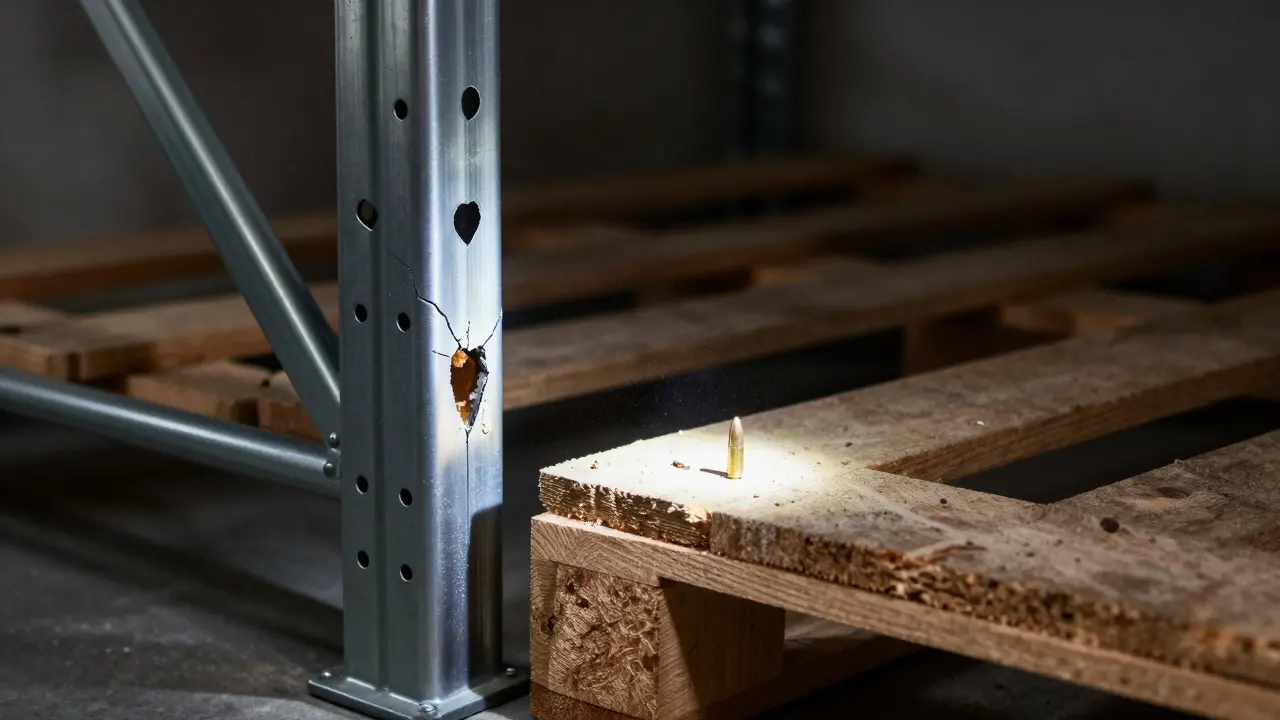
Ricochet Analysis: How to Trace Secondary Projectile Paths in Forensics
- By : Ian Brophy
- Date : Aug 17 2026
Learn how forensic experts trace secondary projectile paths after a ricochet. We cover physics, tools, and common pitfalls in reconstructing complex shooting scenes.
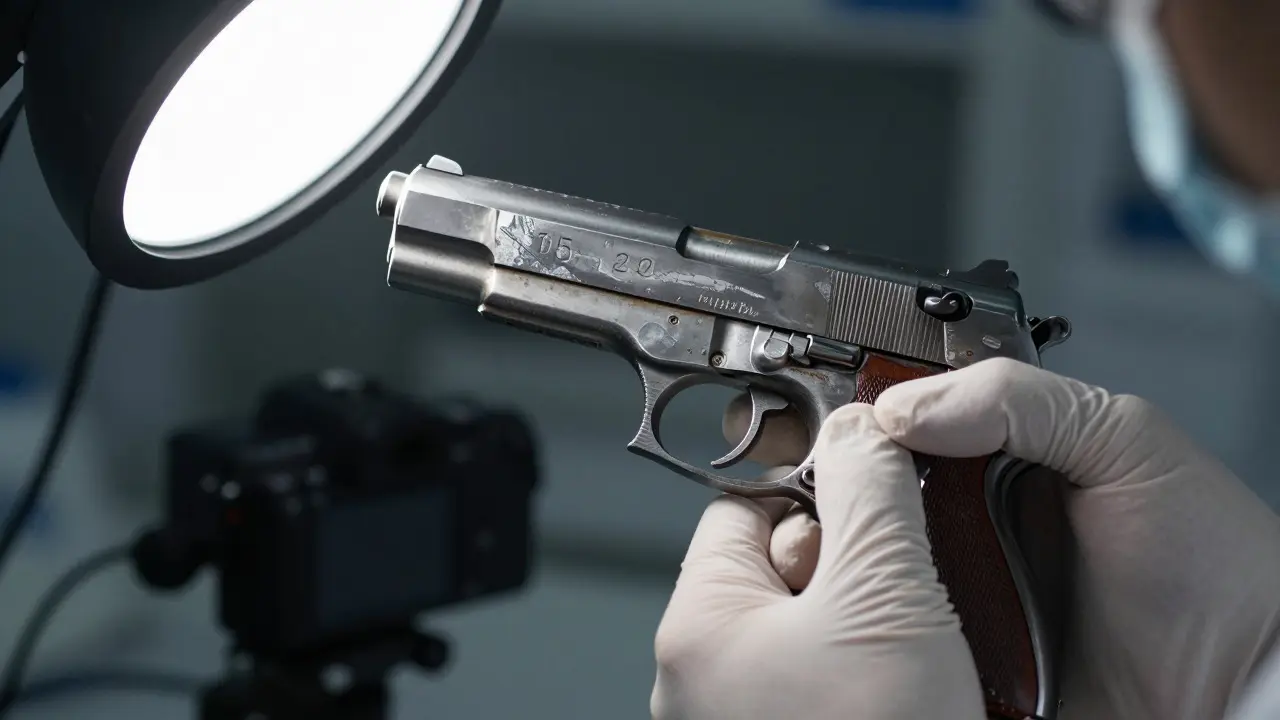
Gun Serial Numbers: How to Restore and Identify Damaged Markings
- By : Ian Brophy
- Date : Aug 17 2026
Learn how forensic experts restore damaged gun serial numbers using light, chemistry, and micro-etching. Discover the techniques, risks, and documentation standards required for legal evidence.
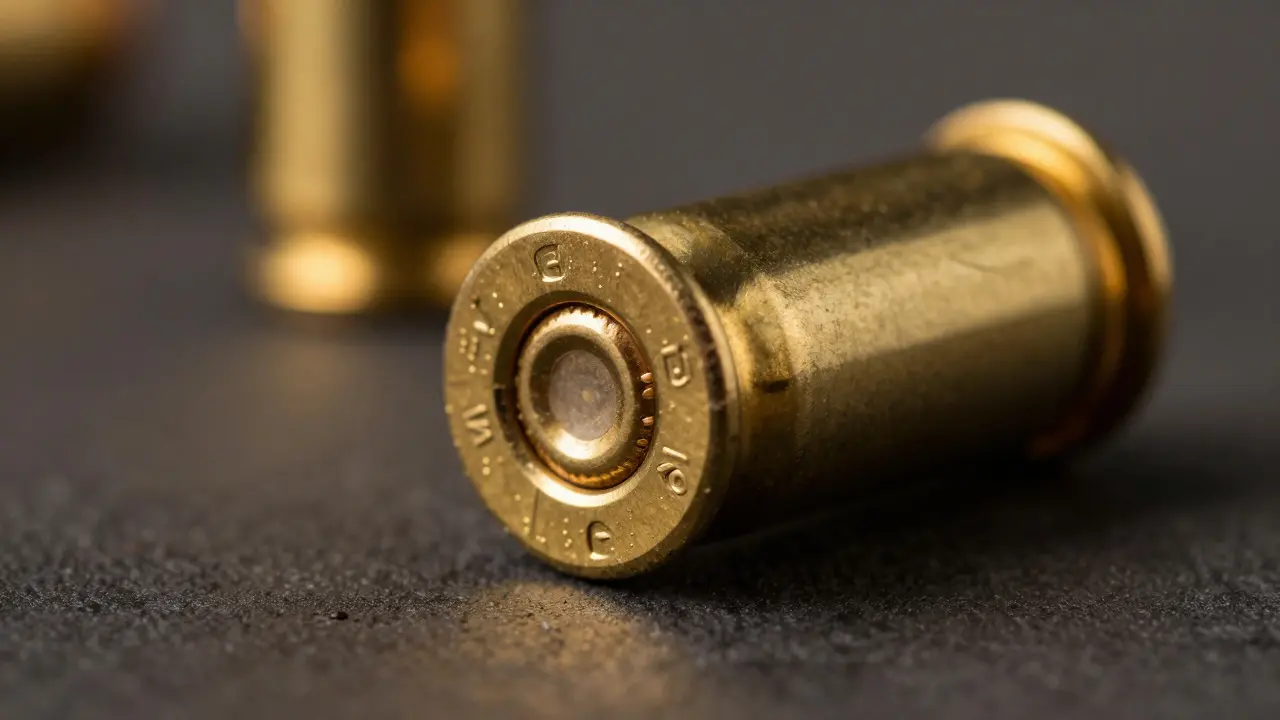
Cartridge Case Examination: Identifying Firing Pin and Ejector Marks
- By : Ian Brophy
- Date : Aug 17 2026
Learn how forensic examiners identify firearms using firing pin and ejector marks on cartridge cases. Discover the science, tools, and legal standards behind this critical ballistics technique.
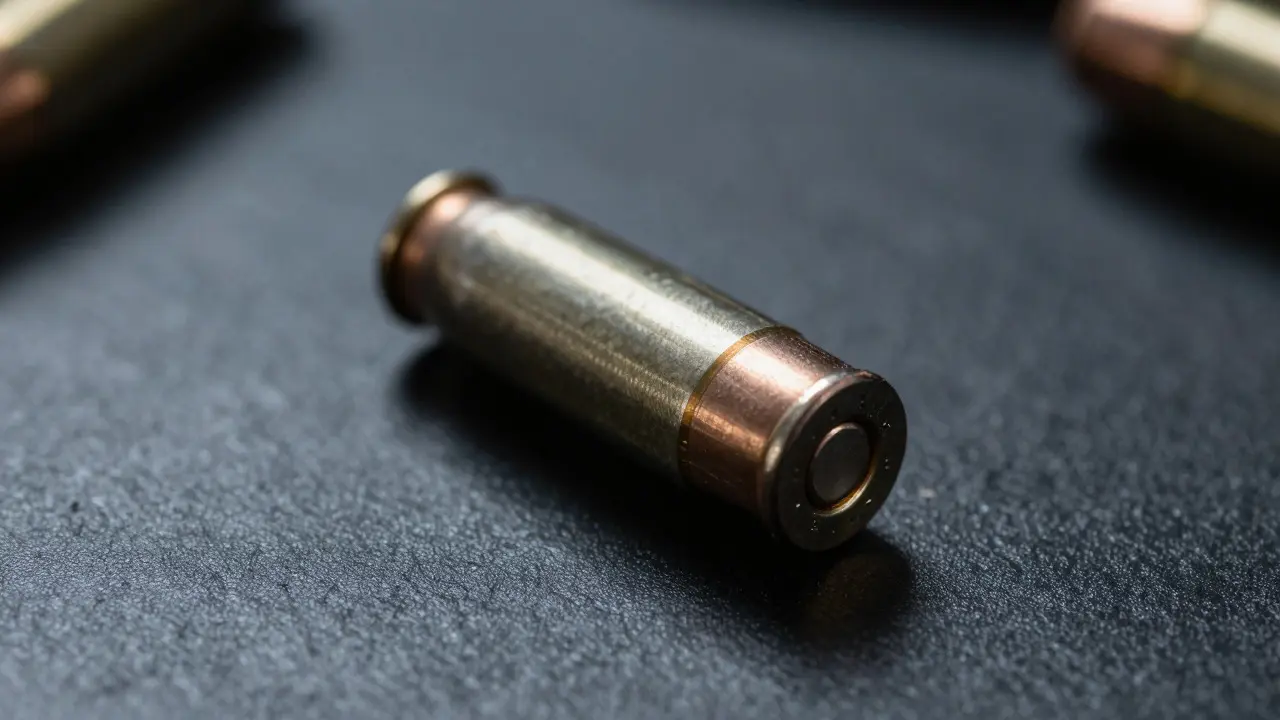
Class Characteristics: How Forensic Experts Identify Firearm Types from Bullets
- By : Ian Brophy
- Date : Aug 17 2026
Learn how forensic experts use class characteristics like caliber and rifling to identify the type of firearm that fired a bullet. Understand the difference between class and individual marks.
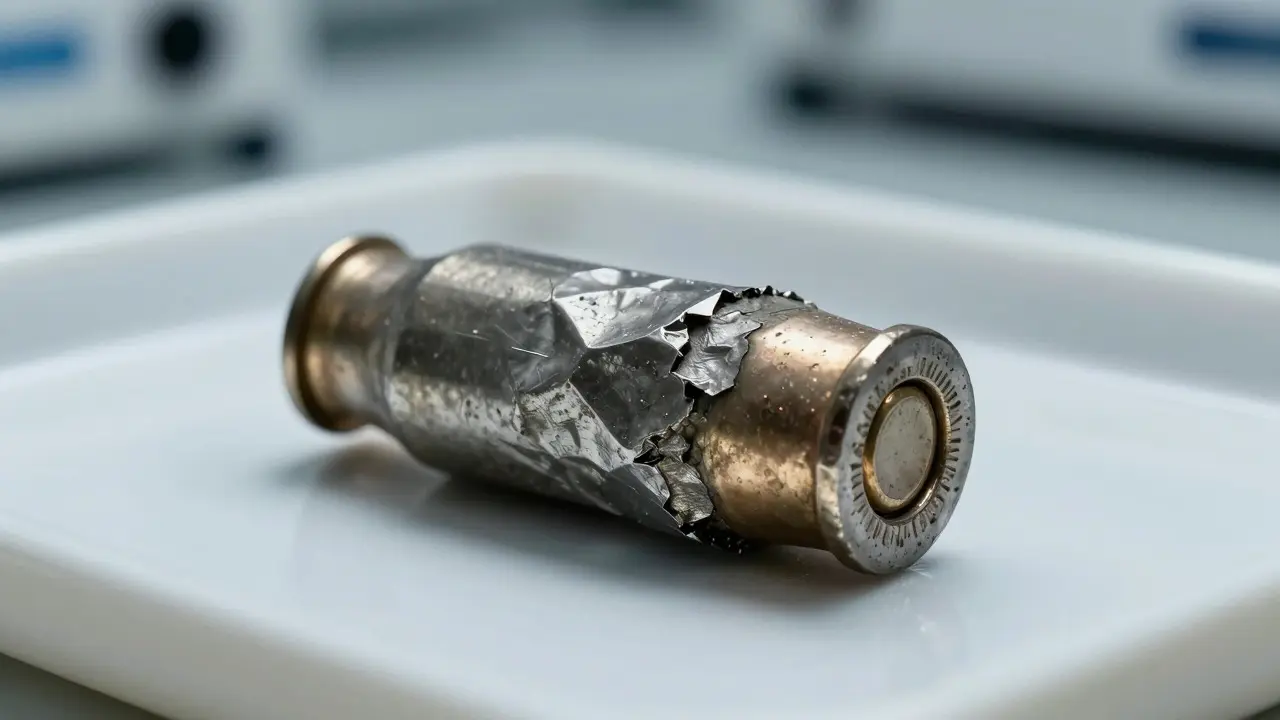
3-D Ballistic Imaging: How Advanced Bullet Comparison Technology Works
- By : Ian Brophy
- Date : Aug 17 2026
Discover how 3-D ballistic imaging revolutionizes forensic ballistics by replacing subjective visual checks with precise, data-driven bullet comparisons.
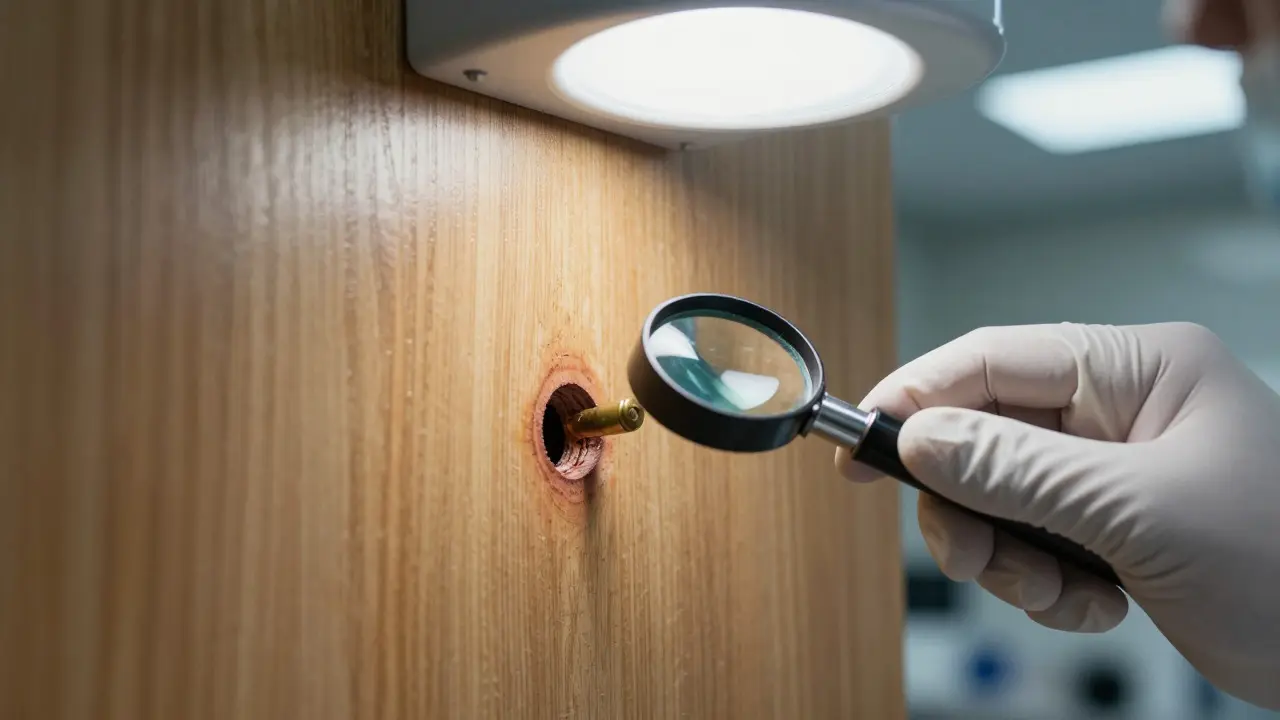
Muzzle-to-Target Distance Analysis: A Forensic Ballistics Guide
- By : Ian Brophy
- Date : Aug 17 2026
Learn how forensic experts determine muzzle-to-target distance using GSR analysis, wound morphology, and visual cues. Essential guide for understanding ballistic evidence.
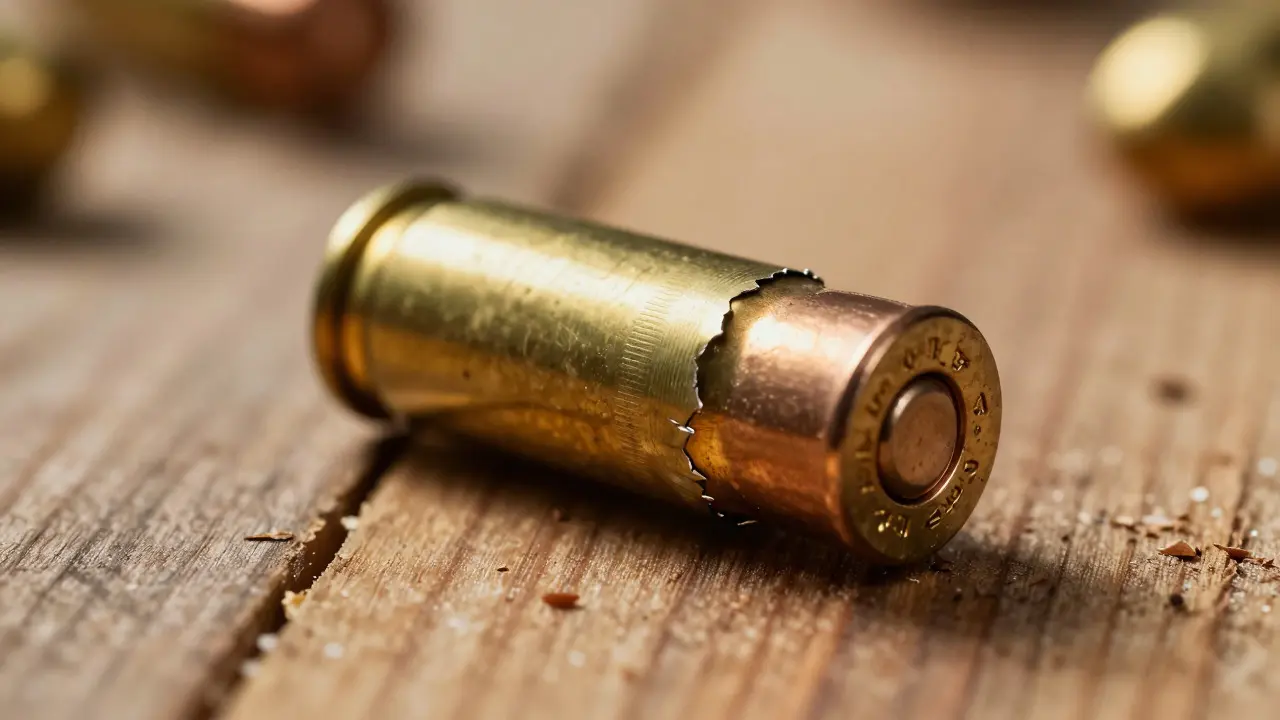
Deformed and Ricocheted Bullets: Forensic Confounding Factors
- By : Ian Brophy
- Date : Aug 17 2026
Discover how deformed and ricocheted bullets complicate forensic investigations. Learn the physics behind the damage, common pitfalls, and best practices for preserving ballistic evidence.
Popular Posts
-
Chain of Custody Gaps: How They Affect Cases
Aug 16 2026