You walk into a gun store or scroll through an online catalog, and the sheer variety of ammo can feel overwhelming. You see standard Full Metal Jacket (FMJ) rounds for target practice, Hollow Points (HP) for defense, and then there’s the weird stuff. The boxes labeled "Sabot," "Frangible," or hand-packed brass with no brand name. Why do these exist? Are they just marketing gimmicks, or do they solve specific problems that standard lead-core bullets can’t?
Here’s the truth: standard ammunition is a compromise. It tries to balance cost, reliability, and performance for the average shooter. But when you need extreme accuracy at long range, minimal over-penetration in a home defense scenario, or a specific ballistic coefficient for hunting, you step outside the norm. This article breaks down three categories of unusual ammunition-sabots, frangibles, and custom reloads-to help you decide if they belong in your safe.
Quick Summary: Key Takeaways
- Sabot Rounds: Designed for maximum velocity and flat trajectory in smoothbore firearms (like shotguns). They offer rifle-like accuracy but require precise barrel conditions.
- Frangible Ammo: Made from compressed powder or sintered metal. Ideal for steel targets and indoor ranges because it disintegrates on impact, reducing ricochet risk and lead exposure.
- Custom Reloads: Hand-loaded cartridges allow shooters to tune load data for their specific firearm’s chamber dimensions, often improving accuracy and consistency over factory ammo.
- Safety First: Never fire sabots or high-pressure loads in older or thin-walled barrels without checking pressure ratings.
The Physics of the Sabot: Shooting Rifle Bullets from a Shotgun
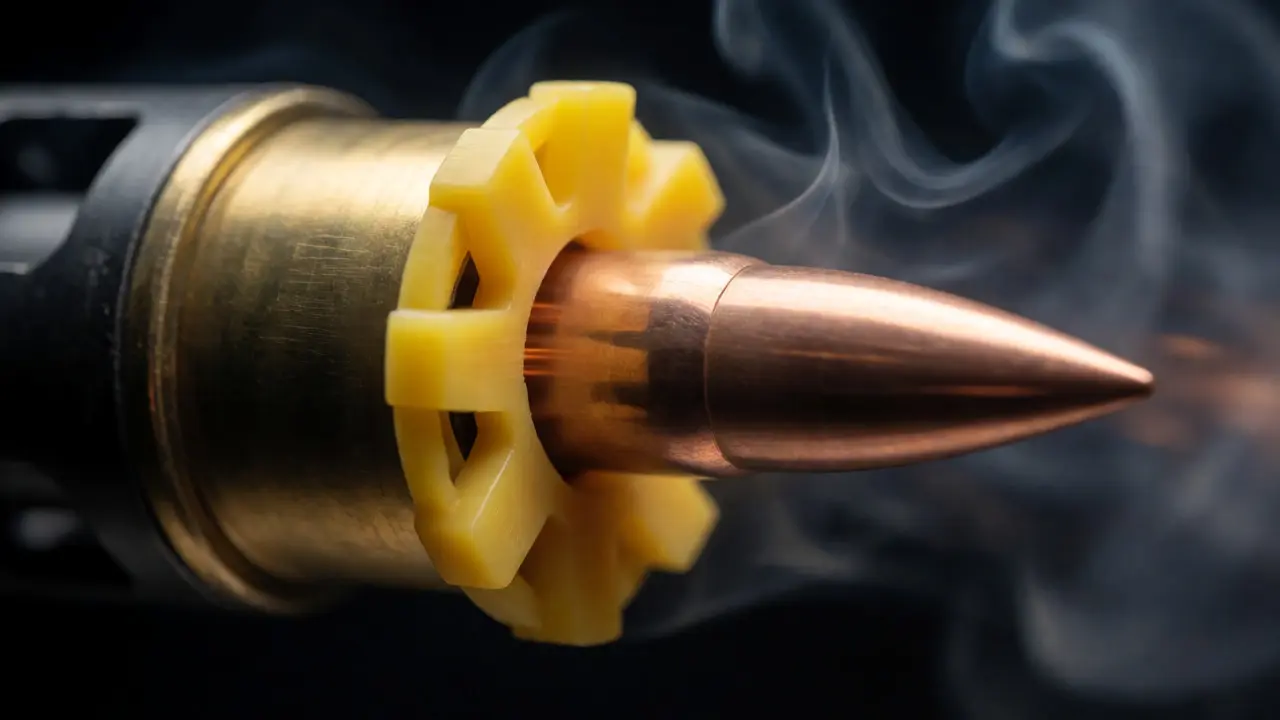
If you’ve ever tried to shoot a traditional shotgun slug past 100 yards, you know the frustration. The projectile wobbles, drops like a stone, and misses by feet. Enter the sabot a disposable carrier that holds a smaller-diameter bullet securely within a larger-caliber shell. In this case, a .50 caliber shotgun shell holds a .308 or .45 caliber rifle bullet.
Think of a sabot as a plastic cup that fits snugly inside the shotgun bore. When the gun fires, the expanding gases push the sabot and the bullet forward. Because the bullet is aerodynamic and spinning (if the barrel has rifling) or stabilized by fins (in smoothbore), it flies much straighter than a lead slug. Once the sabot exits the barrel, it peels away, leaving only the bullet to fly toward the target.
This setup offers two massive advantages: higher muzzle velocity and better ballistic coefficients. A typical 1-ounce shotgun slug might leave the barrel at 1,600 feet per second (fps). A sabot round using a 150-grain .308 bullet can easily hit 2,000-2,400 fps. That extra speed flattens the trajectory significantly. At 150 yards, a sabot might drop only 6 inches compared to a slug’s 18-inch drop.
| Feature | Traditional Slug | Sabot Round |
|---|---|---|
| Average Velocity | 1,400 - 1,600 fps | 1,800 - 2,400 fps |
| Effective Range | 75 - 100 yards | 150 - 200+ yards |
| Trajectory Drop @ 150 yds | ~18 inches | ~6 inches |
| Barrel Compatibility | All chokes | Cylinder or Improved Cylinder only |
| Cost Per Round | $1.50 - $2.50 | $3.00 - $6.00 |
But there’s a catch. Sabots are picky. If you use them in a tight choke (like Full Choke), the plastic petals can’t expand properly, leading to dangerous pressure spikes or poor accuracy. Most manufacturers explicitly state that sabots require a cylinder-bore barrel. Always check your manual before loading one.
Frangible Ammo: Safety and Performance in Tight Spaces
Ever shot at a steel plate indoors and worried about sparks flying back at you? Or worried about lead dust accumulating in a poorly ventilated range? That’s where frangible ammunition bullets made from compressed copper, zinc, or polymer powders that break apart upon hitting a hard surface comes in handy. Unlike lead-core bullets that deform and bounce off steel, frangible rounds disintegrate into tiny particles on impact.
The primary benefit here is safety. On a steel target, a lead bullet can ricochet unpredictably. A frangible bullet turns into dust. This makes it the go-to choice for indoor ranges with steel targets, which are common in urban areas like Portland where space is limited. It also reduces the risk of damaging expensive reactive targets.
However, don’t confuse "frangible" with "weak." While early versions lacked penetration, modern designs like those from RMR or Sinterfire offer impressive terminal performance. Some are designed specifically for law enforcement entry tasks-they penetrate drywall and wood barriers but stop immediately upon hitting bone or heavy clothing, reducing over-penetration risks in hostage situations.
There is a downside: wear. Frangible bullets are abrasive. They are harder than pure lead and can accelerate wear on your barrel’s throat and crown. For a casual shooter firing 500 rounds a year, this doesn’t matter. For someone shooting thousands of rounds annually, it might shorten barrel life slightly. Also, they are significantly more expensive than standard FMJ, often costing 2x to 3x more per round.

The Art of Reloading: Why Hand-Loaded Beats Factory
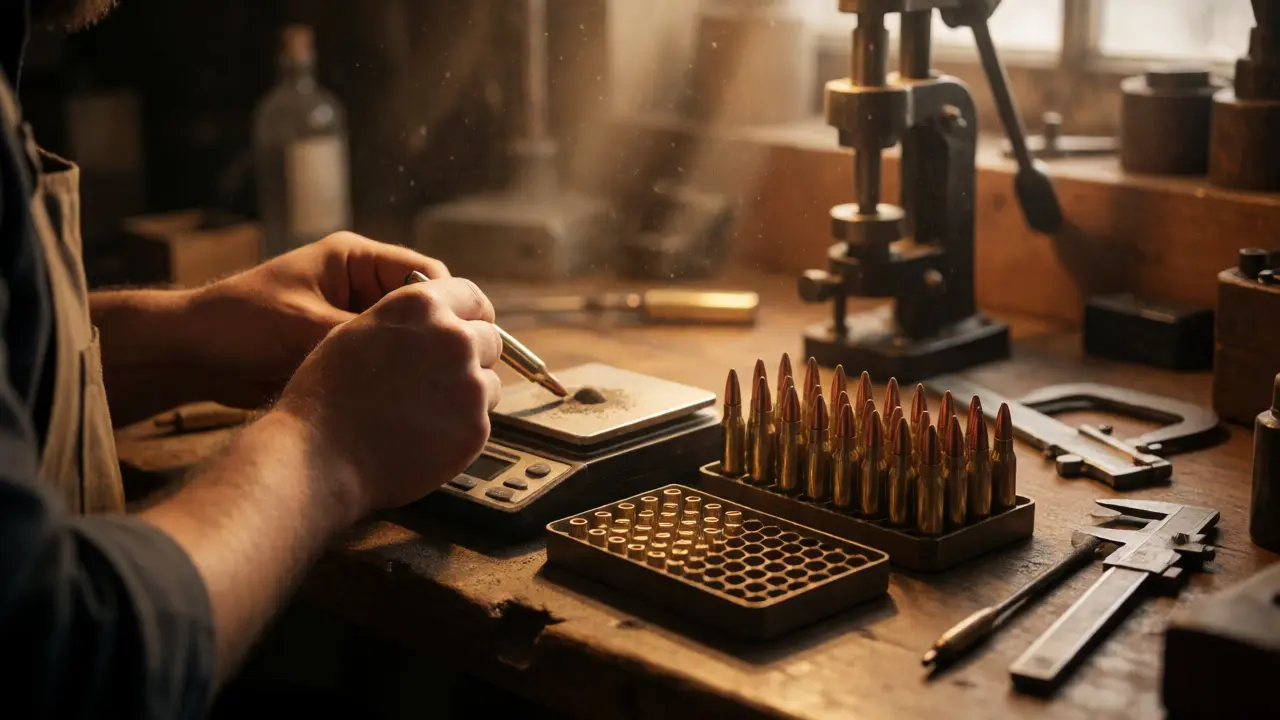
Factory ammunition is built for reliability across millions of different firearms. To achieve this, manufacturers use conservative load data. They ensure the round will cycle in a dirty pistol or a loose-action rifle, even if it means sacrificing some accuracy. Reloading the process of assembling new cartridges from used brass cases, primers, powder, and bullets allows you to tailor every component to your specific gun.
When you reload, you control the variables. You can adjust the overall length (OAL) of the cartridge so the bullet sits exactly right in your chamber. You can choose a slower-burning powder to reduce recoil while maintaining velocity. You can sort bullets by weight to ensure consistent flight paths. Many competitive shooters find that their best groups come from hand-loaded rounds, not premium factory match ammo.
Consider a hunter targeting elk at 300 yards. Factory ammo might have a variation in muzzle velocity of ±20 fps between rounds. Your hand-loaded version, carefully weighed and measured, might stay within ±5 fps. That consistency translates directly to tighter groups on paper. Plus, reloading saves money. After the initial investment in equipment ($300-$500 for a basic press and tools), the cost per round drops significantly. For a .308 Winchester, you might pay $1.00 per factory round but only $0.40 per reloaded round.
But reloading isn’t for everyone. It requires patience, attention to detail, and strict adherence to safety protocols. Double-charging a case (putting too much powder in) can destroy a rifle. Mis-seating a primer can cause misfires. If you’re short on time or prefer convenience, stick to factory ammo. But if you love the science behind ballistics, the hobby itself becomes part of the reward.
Choosing the Right Ammo for Your Job
So, how do you decide which of these unusual options fits your needs? It comes down to your primary use case. Here’s a quick decision framework:
- Hunting Deer in Dense Forest (Under 100 Yards): Stick to traditional slugs or buckshot. Sabots are overkill and risky in tight spaces due to potential over-penetration through trees and brush.
- Long-Range Target Shooting (Indoor Steel): Go with frangible ammo. It protects your eyes from ricochets and keeps your lungs free of lead dust.
- Precision Hunting (150+ Yards): Consider sabots if you have a rifled barrel, or invest in high-quality factory match ammo. If you hunt with a smoothbore, sabots are your only option for accurate shots beyond 100 yards.
- Budget-Conscious Plinking: Standard FMJ or cast lead bullets. Don’t waste money on frangibles or sabots for casual backyard shooting unless you have specific safety constraints.
Remember, "unusual" doesn’t mean "better." It means "specialized." A hammer is great for nails, but terrible for screws. Similarly, a sabot is great for distance, but useless in a trench fight. Match the tool to the task.
Frequently Asked Questions
Can I fire sabots in any shotgun?
No. Most sabots require a cylinder-bore barrel. Firing them in a modified or full choke can cause dangerous pressure buildup because the plastic sabot cannot expand freely. Always check your manufacturer’s guidelines and your shotgun’s manual.
Is frangible ammo good for self-defense?
It depends on the design. Traditional frangibles were meant for targets and lacked penetration. However, newer specialized frangible defensive rounds are engineered to penetrate clothing and skin while minimizing over-penetration through walls. Consult recent ballistic gel tests for specific brands before relying on them for defense.
How much does reloading save me?
For popular calibers like 9mm or .223 Remington, reloading can cut costs by 50-70% after the initial equipment investment. For less common calibers, savings may be lower, but you gain the ability to create loads that simply aren't available commercially.
Do sabots damage my barrel?
Generally, no. The plastic sabot protects the barrel from direct contact with the bullet base. However, residue from the plastic can build up in the bore, requiring more frequent cleaning than standard lead or copper-jacketed rounds.
Are custom reloads legal everywhere?
In the US, yes, provided you comply with local laws regarding possession and transport. Some states have restrictions on magazine capacity or bullet types (e.g., armor-piercing prohibitions), but standard hand-loaded rounds are generally treated the same as factory ammo legally.
Next Steps and Troubleshooting
If you’re curious about trying these unconventional rounds, start small. Buy a single box of sabots or frangibles rather than a case. Test them at the range to see how your specific firearm handles the recoil and accuracy differences. Keep a logbook noting group sizes and any malfunctions.
For reloaders, start with a reputable recipe from a trusted source like Hodgdon or Alliant. Never guess powder charges. Use a digital scale for every charge until you develop confidence in your technique. And always inspect your brass cases for cracks or headspace issues before reloading them again.