When a homicide occurs and there’s no clear suspect, no witnesses, and no physical evidence linking anyone to the crime, traditional detective work hits a wall. That’s where undercover operations come in-not as a last resort, but as one of the most effective tools in modern homicide investigations. These aren’t Hollywood-style stings with flashy cars and fake identities. They’re long-term, meticulously planned operations designed to get killers to confess-not by force, but by trust.
How Undercover Ops Break the Silence
Most homicides are solved through eyewitnesses, DNA, or surveillance footage. But in cold cases, gang-related murders, or contract killings, those clues vanish. That’s when law enforcement turns to infiltration. Instead of waiting for someone to talk, they send someone in-officer or cooperating witness-to become part of the suspect’s world. They don’t just ask questions. They build relationships. They share meals, drink together, talk about family, and slowly earn the suspect’s confidence. The most proven method for this is known as the Mr. Big technique. Developed by the Royal Canadian Mounted Police (RCMP) in the 1980s, it doesn’t rely on tricking suspects into admitting guilt during a single interview. It builds a fake criminal empire over weeks or months. The suspect is slowly drawn into a network of fake associates who pretend to be powerful crime bosses, money launderers, and enforcers. The suspect is given small jobs-delivering cash, handling stolen goods, even helping with "other" killings. In return, they’re offered money, protection, and status. Eventually, they’re told the truth: they’ve been under surveillance the whole time. And in over 75% of these operations, the suspect either confesses or is linked to a crime through other evidence. Why does it work? Because people talk to people they trust. A suspect won’t talk to a detective in a suit. But they’ll open up to someone they think is their boss, their friend, or their partner in crime. And when they do, it’s recorded. Audio. Video. Sometimes both. That’s evidence no defense attorney can easily dismiss.What Makes an Undercover Operation Work
Not every homicide case gets an undercover team. There are strict criteria. Agencies look at:- Is the suspect connected to a larger criminal network? (Gangs, drug rings, hitmen)
- Is there a pattern? (Multiple unsolved murders linked by location, weapon, or victim type?)
- Can officers safely infiltrate without risking lives?
- Is there enough intelligence to justify the cost? (These operations can run $500,000+)
More Than Just Confessions
The goal isn’t just to arrest someone. It’s to find closure. In many cases, the suspect doesn’t just admit to the murder-they reveal where the body is hidden. Families who’ve waited years for answers finally get them. In one case in British Columbia, a suspect led undercover agents to a remote forest where a missing woman had been buried for six years. That wasn’t just justice. That was peace. Undercover ops also help clear innocent people. If a suspect is brought in and doesn’t confess, and no other evidence ties them to the crime, they’re released. That’s rare in homicide cases. Most suspects are held based on circumstantial evidence. Undercover operations cut through the noise.How It’s Done: Infiltration vs. Surveillance
There are two main types of undercover work in homicide cases:- Infiltration: An officer becomes part of the suspect’s world. They join a crew, move in, and stay for months. This is how the Mr. Big technique works.
- Surveillance: Officers follow suspects, track their movements, record their calls, and monitor their digital activity. This is often used alongside infiltration to confirm what’s being said.

Legal and Ethical Boundaries
You might wonder: isn’t this entrapment? The answer is no. Courts have drawn a clear line. Entrapment means law enforcement pushes someone to commit a crime they wouldn’t have done otherwise. Undercover operations don’t do that. They don’t create crime. They uncover it. The Supreme Court of Canada ruled in 1981 that deceptive methods are legal if they’re proportionate and targeted. In the U.S., the FBI’s Attorney General Guidelines allow undercover operations when conventional methods fail. Every operation goes through multiple layers of approval-legal review, risk assessment, ethics checks. Officers aren’t left to make it up as they go. There are strict rules: no drugs, no violence, no illegal acts by the officer. The suspect must be the one committing the crime. The officer’s role is to listen, record, and document-not to lead.Technology Is Changing the Game
Today’s undercover ops don’t just rely on voice recordings. They use:- Body-worn cameras with encrypted storage
- Cell phone tracking and metadata analysis
- Social media monitoring (private messages, location tags)
- Crime analysis software that maps connections between suspects, victims, and locations
Global Use and Success Rates
The Mr. Big technique isn’t just Canadian. It’s used in the U.S., the U.K., Australia, New Zealand, South Africa, and parts of Europe. The conviction rate? Over 95% in cases that go to trial. Why? Because the evidence isn’t just a confession. It’s video of the suspect handling a murder weapon. It’s audio of them describing the killing. It’s digital records that match their story. Police in England used a similar method to solve a 12-year-old murder by posing as a drug dealer who needed a "cleaner." The suspect, a former soldier, admitted to the killing during a staged deal. He didn’t know the entire operation had been recorded from day one.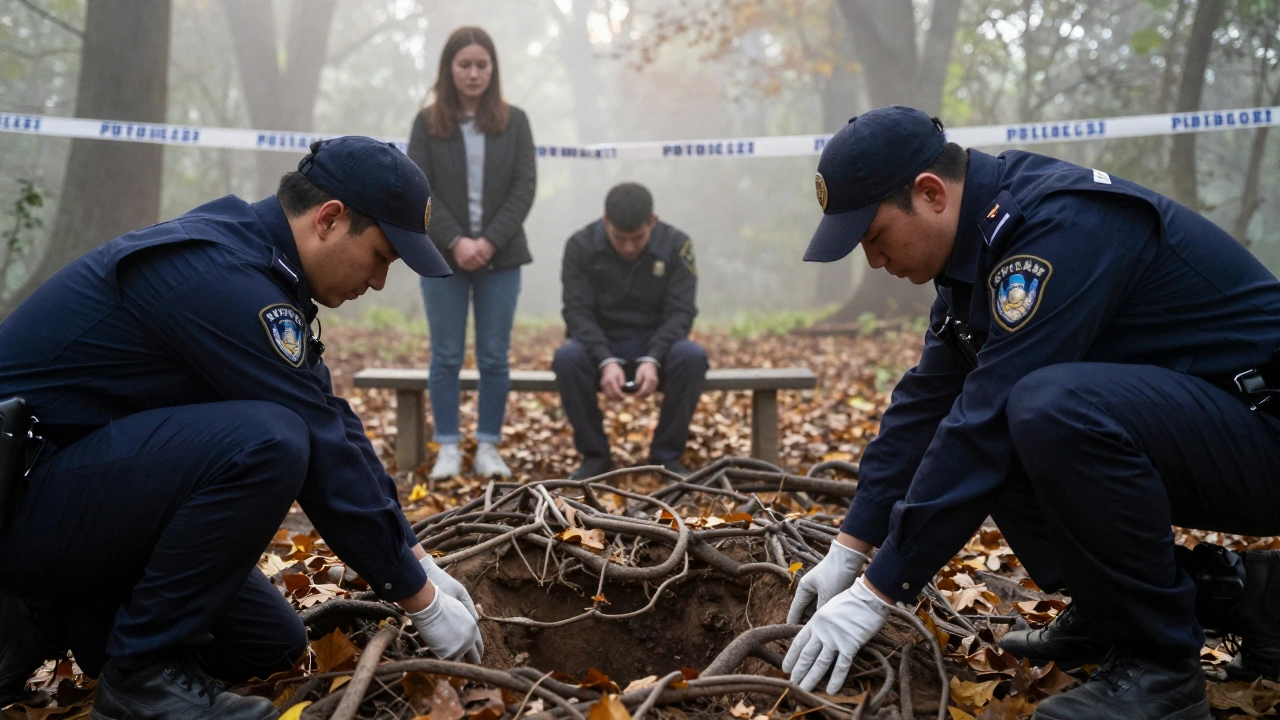
Why This Method Works Better Than Informants
Many homicide cases rely on snitches-criminals who testify in exchange for reduced sentences. But defense attorneys can easily tear them apart. "He’s a liar. He’s doing time. He’s lying to get out." Undercover operations solve that problem. The testimony comes from trained law enforcement officers. Not criminals. Not addicts. Not people with a motive to lie. And when combined with video, audio, and digital evidence, the case becomes nearly impossible to challenge.What Happens After the Confession
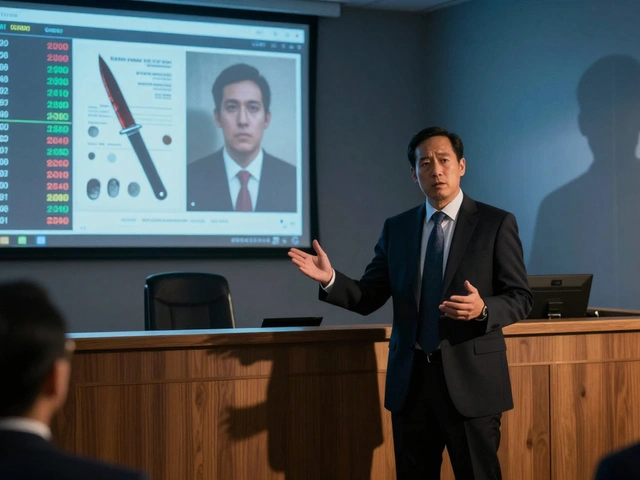
Once the suspect confesses, the operation doesn’t just end. Evidence is reviewed. Prosecutors meet with detectives. The suspect is arrested. And then, the real work begins: proving the confession wasn’t coerced, that the evidence was gathered legally, and that the operation met every ethical standard. In court, the undercover officer doesn’t just say, "He told me he did it." They play the video. They show the timeline. They present the financial records, the location data, the messages. The jury sees the whole picture. That’s why the conviction rate stays so high.Final Thoughts
Undercover operations aren’t magic. They’re hard, dangerous, and expensive. But when done right, they’re the only way to bring justice in cases where silence is the killer’s best ally. They don’t rely on luck. They rely on patience, discipline, and the deep understanding that people will talk-if they think they’re safe. For families waiting for answers, for detectives hitting dead ends, for prosecutors needing proof-this is how it gets done. Not with sirens. Not with raids. But with quiet conversations, hidden cameras, and the quiet power of truth, once it’s finally spoken.Are undercover operations legal in the U.S.?
Yes, undercover operations are legal in the U.S. when conducted under the FBI’s Attorney General Guidelines and state law enforcement protocols. They must be approved by supervisors, reviewed by legal counsel, and cannot involve inducing someone to commit a crime they wouldn’t have otherwise committed. The key is that the suspect must initiate or willingly participate in criminal activity. Courts have consistently upheld convictions based on undercover evidence when proper procedures are followed.
How long do undercover homicide operations usually last?
Most undercover operations targeting homicide take between 3 and 12 months. Shorter operations (under 30 days) are rare and usually only used when there’s an immediate threat or a known suspect with limited connections. Longer operations-sometimes over a year-are typical for organized crime, gang-related killings, or serial murder cases where building trust takes time. The average duration for a successful Mr. Big-style operation is about 6 months.
Can undercover officers lie about their identity?
Yes, undercover officers are legally allowed to lie about their identity, background, and affiliation. They can pretend to be gang members, drug dealers, or even family members of suspects. However, they cannot lie about being law enforcement if directly asked, and they cannot engage in illegal acts themselves (like selling drugs or committing violence). The deception is limited to who they claim to be-not what they do.
Do undercover operations always lead to arrests?
No. In about 25% of cases, the suspect is cleared after the operation. This happens when they refuse to confess, provide alibis that are verified, or show no connection to the crime. The goal isn’t to arrest everyone-it’s to find the truth. If the suspect didn’t do it, the operation helps clear their name. That’s just as important as convicting the guilty.
What’s the success rate of these operations?
In cases where the Mr. Big technique is used, over 75% result in either a charge or clearance. Of the cases that go to trial, more than 95% end in conviction. This is because the evidence is rarely based on a single confession-it’s backed by video, audio, digital records, and physical evidence collected independently. The combination makes the case nearly unbreakable in court.