Imagine a missing person case where a critical lead is sitting in a database, but the investigator can't see it because a single required field was left blank. In the world of missing persons, a missing piece of data can be the difference between a cold case and a recovered soul. The NamUs is the National Missing and Unidentified Persons System, a massive clearinghouse maintained by the National Institute of Justice to link missing persons with unidentified remains. Also known as the NamUs database, it serves as the primary bridge between law enforcement, medical examiners, and the public. But the system is only as powerful as the data put into it.
The 18-Field Rule: Why Completeness is Non-Negotiable
You might be tempted to rush a case into the system the second a report comes in, but NamUs doesn't work like a social media post. To actually get a case published and visible to other agencies and the public, you have to satisfy the 18 mandatory data fields. If one of these is missing, the case stays in a "draft" or "unverified" state, meaning it's essentially invisible to the people who could help solve the case.
These mandatory fields cover the basics: names, dates of last contact and disappearance, sex, race/ethnicity, age, and physical markers like hair and eye color, height, and weight. However, the real value lies in the descriptive fields. Distinguishing marks, clothing worn, and the specific circumstances of the disappearance are what allow investigators to narrow down a search from thousands of people to one specific individual.
The administrative side of this is just as important. You must include the investigating agency's name, case number, and a direct contact email. Without these, the Regional System Administrator can't verify the case. Think of it this way: the 18 fields aren't just a checklist; they are the minimum requirement for the case to actually exist in the eyes of the system.
| Category | Required Data Points | Purpose |
|---|---|---|
| Identity | First/Last Name, Age, Sex, Race/Ethnicity | Basic identification and filtering |
| Physicality | Height, Weight, Hair/Eye Color, Distinguishing Marks | Visual matching and forensic screening |
| Timeline | Date Missing, Date of Last Contact | Establishing the window of disappearance |
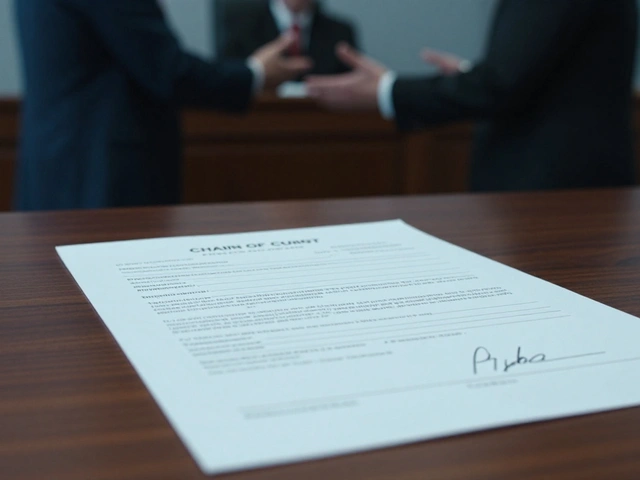
| Administrative | Agency Name, Case #, Contact Email, Relationship | Verification and legal chain of custody |
| Context | Circumstances of Disappearance, Clothing | Investigative leads and situational context |
Strategic Timeliness: Speed vs. Quality
There is a common misconception that "timeliness" means entering the data as fast as possible. In reality, the best practice for NamUs entry is to wait until you have all the mandatory information ready. If you enter a case with half the fields blank, it will be kicked back by the administrator, creating a cycle of edits and delays that actually slows down the publication date.
The goal is a single, clean submission. When a case is submitted complete, it moves through the verification pipeline much faster. Of course, this doesn't mean you wait to report the person to local police or the NCIC (National Crime Information Center). Those reports should happen instantly. The NamUs entry is the long-term forensic record, and it benefits more from accuracy than from a premature, incomplete draft.
That said, there is a critical exception: imminent risk. If there is an active threat or a high probability of bodily harm, cases can be expedited for rapid publication. Even in these high-pressure scenarios, the 18 fields must eventually be completed to keep the case active and useful for long-term identification.

Mastering the Workflow: From Draft to Publication
The system is designed to be iterative. You start with a short form to create a draft. This is where you dump everything you have. Once the draft is created, you can go back and refine the details. If you see a field highlighted in orange, that's the system telling you: "This is a required field; you can't publish without it."
Once you hit submit, the case goes to a Regional System Administrator. They aren't just checking boxes; they are verifying the report with the investigating agency to ensure the data is legitimate. This is why the contact information you provide is so vital. If the administrator can't reach the agency quickly, the case sits in limbo.
A major warning for those entering cases: once a case is published, the ability for public users to edit it vanishes. This makes the pre-submission phase the only time you can ensure every detail is perfect. While registered users can still make updates, the initial accuracy is what determines how the case is indexed in search results.
Forensic Rigor for Unidentified Remains
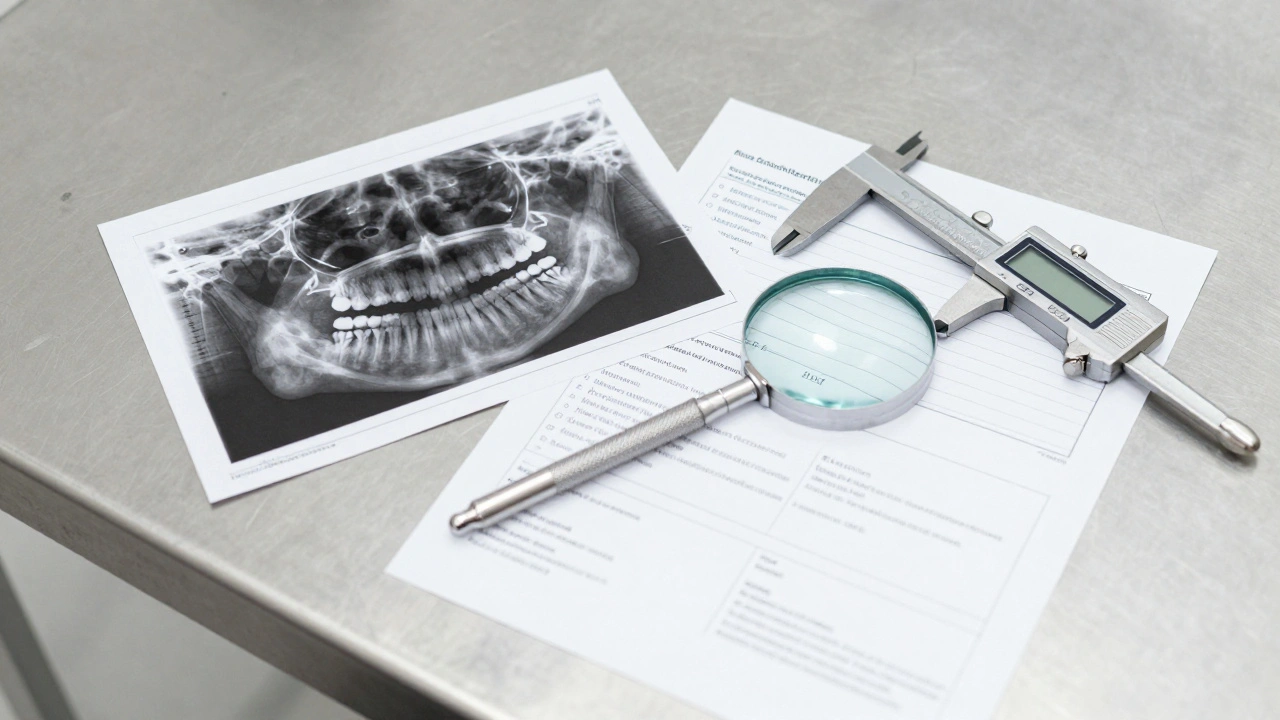
When dealing with unidentified remains, the standards for "completeness" go far beyond basic text fields. Forensic data is the only way to get a positive ID in many of these cases. For dental records, the gold standard is marked hard film radiographs and panorex films. If you're using digital scans, they need to be at least 300 dpi with a focus on high contrast. Anything less might be useless for a forensic dentist trying to match teeth.
The use of the NCIC Dental Condition Worksheet is a must. It provides a standardized way to document restorations and missing teeth, ensuring that a dentist in Oregon can understand the notes left by a coroner in Florida. Digital photos should be kept in JPEG or TIFF formats to prevent compression artifacts from hiding important details.
Under federal law (34 U.S.C. § 40502), agencies aren't just encouraged to do this-they are mandated to enter complete profiles of unidentified persons. This includes DNA records, x-rays, and fingerprints. The timeliness here is even stricter: once data is transmitted to NamUs, any updates to that case must be pushed through within 24 hours. This keeps the National Crime Information Center and NamUs in perfect sync.
Going Beyond the Minimums
If you only fill out the 18 mandatory fields, you've done the bare minimum. To truly increase the chances of a match, you need to lean into the "Physical Description" and "Circumstances" sections. Don't just list "a scar on the arm"; specify if it's a surgical scar, a burn, or a jagged injury, and exactly where it sits on the limb.
Address information should be as detailed as possible. Instead of just a city, include the type of residence-was it an apartment, a rural farmhouse, or a temporary shelter? The more context you provide in the circumstances of disappearance, the more a stranger might recognize the pattern. Maybe the person always walked a specific route to a park, or they had a habit of visiting a certain library. These "soft" details are often what trigger a witness's memory.
Remember, NamUs is a tool, not a replacement for an investigation. It's a way to broadcast a case to the entire country, but it works best when combined with traditional detective work. The database provides the match, but the investigator provides the confirmation.
What happens if I submit a NamUs case with missing required fields?
The case will remain in draft status and will not be published. This means it is not visible to other law enforcement agencies or the general public, significantly reducing the chance of finding a match. A Regional System Administrator will typically request the missing information before they can verify and publish the entry.
How quickly should I update a case after new information arrives?
For cases linked to NCIC, federal guidelines require that any updates be transmitted to NamUs within 24 hours. Maintaining this synchronization is critical for ensuring that the most current data is available to investigators nationwide.
Can family members enter a case if the police are slow to do it?
Yes, registered users, including family members, can enter missing person cases. However, NamUs staff must still verify the missing person status with the investigating agency and obtain their permission before the case can be published to the public.
What is the best format for uploading dental radiographs?
Original hard film radiographs are ideal. For digital uploads, use computer scans with a resolution of 300 dpi or higher, ensuring brightness and contrast are adjusted for clarity. Digital photographs should be saved as JPEG or TIFF files.
Why does NamUs recommend delaying entry until all 18 fields are ready?
Delaying entry until all mandatory data is gathered prevents the "administrative loop" where a case is repeatedly rejected or sent back for more info. This strategy actually results in a faster total time from entry to publication.
Next Steps for Case Managers
If you're currently managing a caseload, start by auditing your existing drafts. Check for those orange-highlighted fields and reach out to the investigating agencies to fill the gaps. If you're a new user, focus on the NCIC Dental Condition Worksheet for any unidentified remains cases to ensure your forensic data meets national standards.
For agencies struggling with synchronization, set up a 24-hour internal alert system. Whenever a local case file is updated, trigger a secondary task to mirror that update in NamUs. This ensures you stay compliant with 34 U.S.C. § 40502 and keep your cases visible to the broader investigative community.