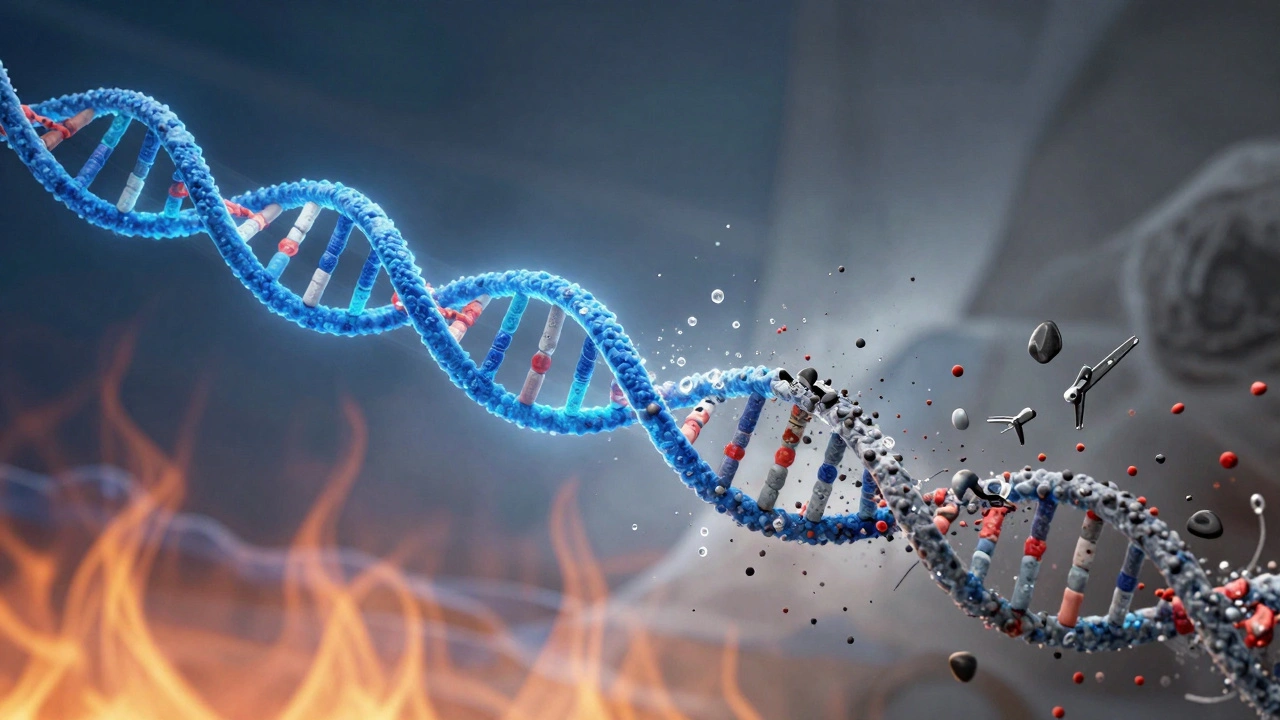
Imagine finding a crucial piece of evidence at a crime scene. It looks perfect. But inside that evidence, on a molecular level, the clock is already ticking. DNA sample degradation is the biological process where deoxyribonucleic acid molecules break down into smaller fragments over time due to environmental conditions and handling errors. For forensic investigators, this isn't just a theoretical concern; it’s the difference between solving a case and losing the lead forever.
We often think of DNA as indestructible. After all, we recover it from bones thousands of years old. But in the real world-where samples sit in hot cars, damp basements, or plastic bags-the story is very different. The integrity of your genetic material depends entirely on how you treat it from the moment of collection. If you get the storage wrong, no amount of high-tech lab equipment can bring the data back.
The Silent Killers: What Actually Breaks Down DNA?
DNA doesn’t just disappear; it gets chopped up. This fragmentation makes it useless for standard profiling techniques like Short Tandem Repeat (STR) analysis, which relies on amplifying specific repeating sequences of DNA to create a unique genetic profile. When these sequences are broken, the machine can’t read them.
There are three main culprits behind this destruction:
- Hydrolysis: Water molecules attack the phosphodiester bonds that hold the DNA backbone together. This happens fastest in acidic environments. According to guidelines from QIAGEN, a leading provider of life science tools and diagnostics for DNA extraction and analysis, purified DNA must be stored in slightly basic conditions (like Tris-HCl buffer at pH 8.0) to slow this chemical breakdown.
- Enzymatic Degradation: DNases are enzymes found in blood, saliva, and even on our skin. Their job is to eat DNA. If a sample isn’t dried properly or protected from bacterial growth, these enzymes will digest the genetic material rapidly.
- Physical Shearing: Vigorous mixing, vortexing, or repeated freezing and thawing physically snaps long DNA strands into tiny pieces. High-molecular-weight genomic DNA is especially fragile here.
Environmental factors accelerate all three processes. Sunlight contains UV radiation that breaks chemical bonds. Heat speeds up reactions exponentially. Humidity promotes mold and bacteria, which release those destructive DNases. A sample left in a humid bathroom is doomed much faster than one kept in a dry closet.
How Long Does DNA Last? A Realistic Timeline
You might have heard that DNA lasts forever. That’s only true under extreme preservation conditions, like permafrost or amber. In typical forensic scenarios, viability drops sharply. Here is what the data tells us about different sample types.
| Sample Type | Ideal Storage | Viable Duration | Risk Factors |
|---|---|---|---|
| Buccal Swabs | Dry, Room Temp | Up to 6 months | Moisture, heat |
| Buccal Swabs | Refrigerated (-15°C to -25°C) | Over 1 year | Freeze-thaw cycles |
| Hair with Root | Dry, Cool | Years | Root detachment |
| Dried Blood Stains | Dry, Cool | Several years | Mold growth |
| Semen/Saliva on Fabric | Dry, Paper Envelope | Weeks to Months | Washing, humidity |
| Used Tissues/Wipes | Dry, Cool | Days to Weeks | Bacterial contamination |
Note that "viable" means sufficient quality for accurate testing. Once a sample crosses into the "degraded" zone, results become unreliable. For instance, while hair shafts alone contain mitochondrial DNA, they lack the nuclear DNA needed for standard identification unless the root follicle is intact.
The Buccal Swab Gold Standard
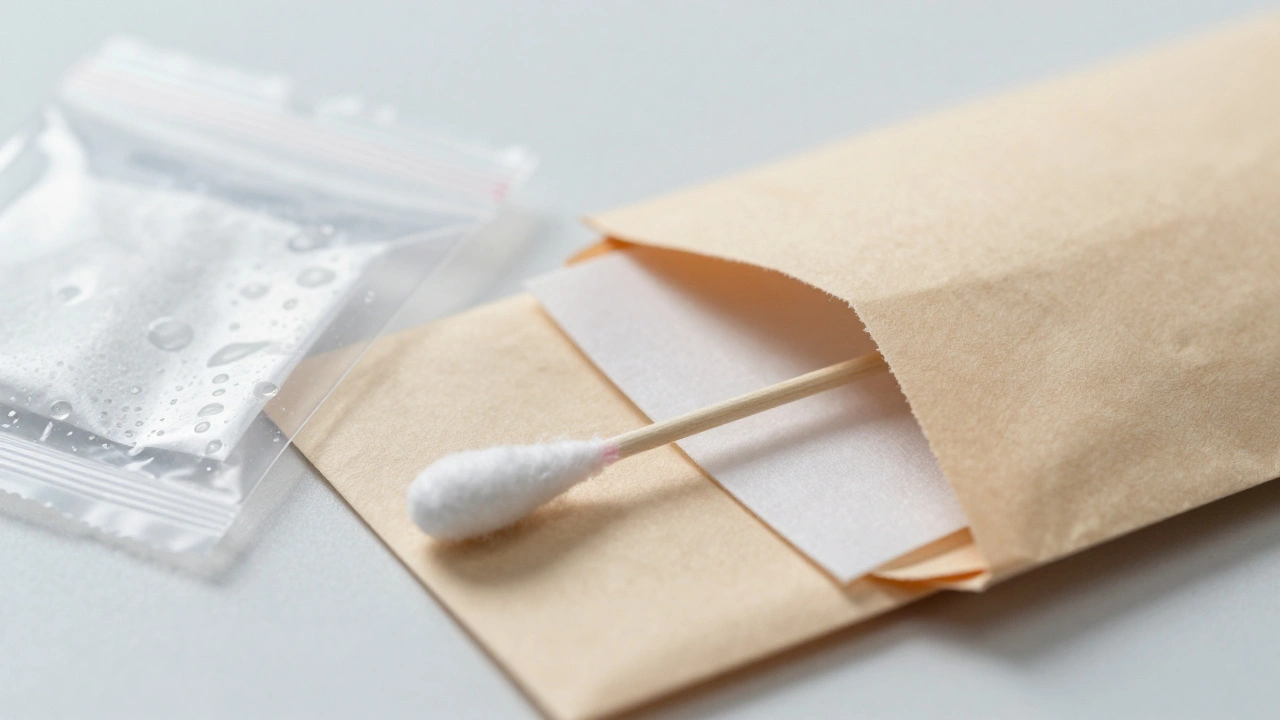
For relationship testing and non-emergency forensics, the buccal swab is a cotton or foam applicator used to collect cheek cells for DNA analysis, considered the most reliable source for routine testing. It is the gold standard because it provides a clean, high-yield sample with minimal risk of contamination compared to blood or tissue.
However, even buccal swabs are not immune to decay. The biggest mistake people make is moisture. If you collect a swab and immediately seal it in a plastic bag while it’s still damp, you create a petri dish. Bacteria multiply, and DNases go to work. Within days, the DNA quality plummets.
The correct protocol is simple but critical:
- Air Dry Completely: Let the swabs dry open-air for at least an hour before sealing.
- Use Paper, Not Plastic: Store dried swabs in paper envelopes. Paper breathes; plastic traps humidity.
- Keep it Cool and Dark: Store in a drawer away from direct sunlight and heat sources.
- Pre-Collection Hygiene: Ensure the donor hasn’t eaten, drunk, smoked, or chewed gum for 30 minutes prior. Food particles introduce contaminants that accelerate degradation.
If you need to store a swab longer than six months, refrigeration extends its life significantly. But remember: avoid repeated freeze-thaw cycles. Aliquot your samples if possible, so you only thaw what you need.
Challenges with Non-Standard Forensic Samples
In criminal investigations, you rarely get a neat buccal swab. You get a bloody shirt, a cigarette butt, or a bite mark on skin. These "touch DNA" or trace samples are far more fragile.
Clothing with dried biological stains can retain DNA for months if stored correctly. But washing that clothing reduces recovery chances to nearly zero. Detergents and agitation strip away cells and break remaining DNA strands. Similarly, used tissues degrade quickly because they are moist and porous, allowing rapid bacterial colonization.
When dealing with infidelity testing or sexual assault kits, time is pressure. Semen and saliva on fabric remain detectable for weeks to months if kept dry. But if that evidence sits in a trunk on a hot day, the heat accelerates hydrolysis and enzymatic activity. The National Institute of Justice (NIJ) notes that forensic samples typically require 5-7 business days for processing. Delays beyond this window increase the risk that degradation will render the sample uninterpretable.
Reading the Damage: How Labs Detect Degradation
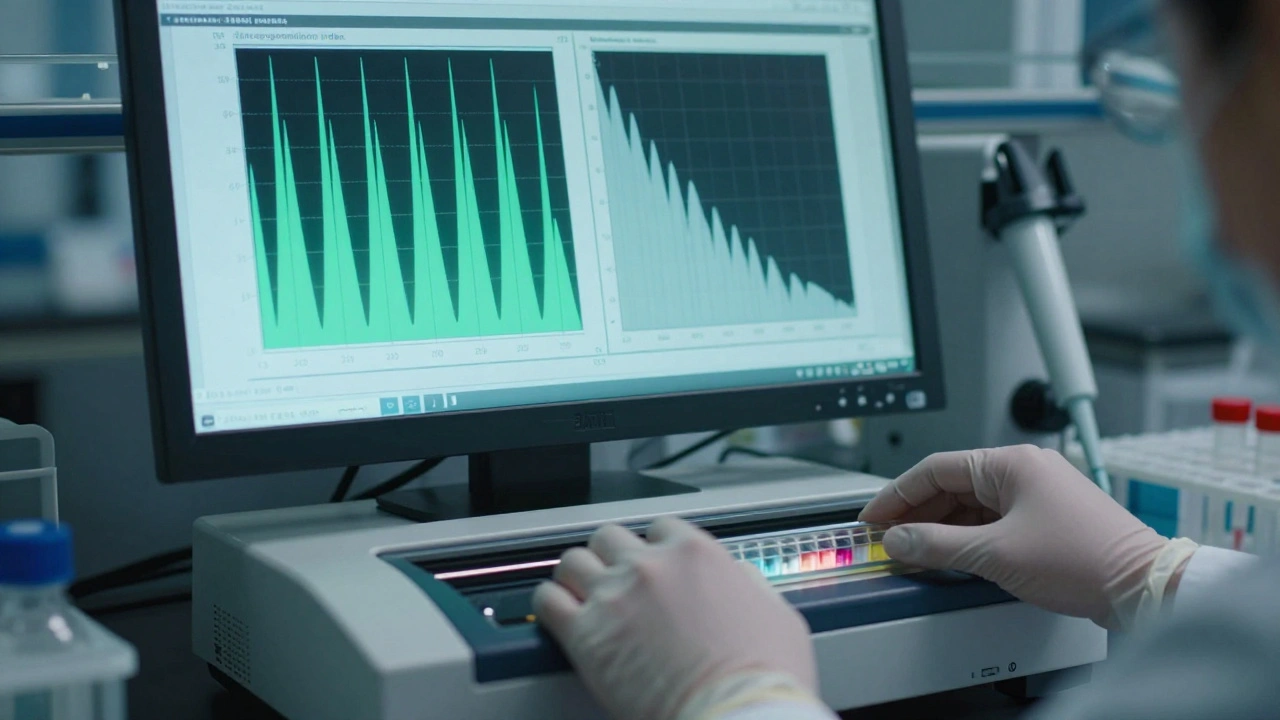
Labs don’t guess if DNA is degraded; they measure it. During electrophoresis, a technique that separates DNA fragments by size using an electric field to visualize genetic markers, analysts look at the electropherogram-a graph showing peak heights for each DNA marker.
In a healthy sample, peaks are relatively uniform. In a degraded sample, you see a distinct downward slope. Larger STR loci (longer DNA fragments) break first. So, the peaks for large markers drop below the detection threshold, looking like background noise. Only the smallest, most resilient markers remain visible.
This pattern is called the "degradation index." If the slope is too steep, the profile is incomplete. Worse, mixtures of two people’s DNA can show different levels of degradation, making interpretation incredibly complex. A major contributor might be fresh, while a minor contributor’s DNA is heavily degraded, leading to false exclusions or inconclusive results.
Best Practices for Long-Term Preservation
If you are collecting or storing DNA samples, follow these evidence-backed rules to maximize longevity:
- Temperature Control: For long-term storage, keep samples frozen. Whole blood and buffy coats should be stored at -15°C to -25°C. For archival purposes, liquid nitrogen (-196°C) or ultra-low freezers (-80°C) are ideal.
- Buffer Chemistry: Use nuclease-free water or TE buffer (Tris-EDTA) with a pH around 8.0. Acidic conditions destroy DNA via hydrolysis.
- Minimize Handling: Every time you open a tube, you risk contamination and temperature fluctuation. Aliquot samples into single-use portions to avoid repeated freeze-thaw cycles.
- Avoid Vortexing: Mix gently by inversion. Vortexing shears high-molecular-weight DNA into unusable fragments.
- Protect from Light: UV light causes thymine dimers, blocking replication and sequencing. Store tubes in opaque containers or dark boxes.
Remember, prevention is cheaper than repetition. If a sample degrades, you may lose the opportunity to test it entirely. There is no "undo" button in forensics.
Can DNA survive in water?
DNA does not survive well in water. Water promotes hydrolysis and allows bacterial growth, which releases DNases that digest DNA. While trace amounts might persist for hours, viable profiles are rarely recovered from submerged samples after more than a few days unless the water is cold and sterile.
Does freezing DNA damage it?
Freezing itself doesn’t damage DNA, but repeated freeze-thaw cycles do. Each cycle causes physical shearing as ice crystals form and expand. To prevent this, store DNA in small aliquots so you only thaw what you need once.
How long can I keep a buccal swab at room temperature?
If the swab is completely dry and stored in a paper envelope in a cool, dry place, it remains viable for up to 6 months. Beyond that, degradation increases significantly. Refrigeration extends this to over a year.
What is the best way to store hair for DNA testing?
Hair must have the root follicle attached to provide nuclear DNA. Store it dry in a paper envelope away from light and humidity. Hair shafts alone only contain mitochondrial DNA, which is less specific for identification.
Why is plastic bad for storing DNA samples?
Plastic traps moisture. If a sample isn’t 100% dry, humidity builds up inside the bag, promoting mold and bacterial growth. These microbes produce enzymes that rapidly degrade DNA. Paper envelopes allow airflow and maintain dryness.