Quick Summary
Crime scene investigation is the backbone of criminal justice, yet even small errors can derail a case. This guide breaks down the most critical mistakes made by first responders and investigators, from failing to secure the perimeter to mishandling evidence. We provide actionable steps to prevent contamination, maintain chain of custody, and ensure your documentation stands up in court. By understanding these pitfalls, you can protect the integrity of your investigation and increase the chances of a successful prosecution.
The High Cost of a Single Error
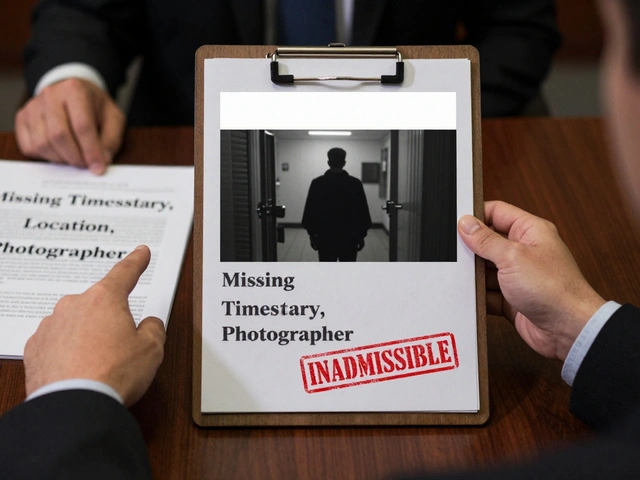
Imagine a murder case where the prosecution has a solid witness and a clear motive. The evidence looks ironclad. But then, during the trial, the defense attorney points out that the officer who collected the murder weapon didn't wear gloves. Suddenly, the weapon is inadmissible. The case collapses. This isn't just a hypothetical scenario; it happens in real courts every year. Crime Scene Investigation is the systematic collection, documentation, preservation, and analysis of physical evidence at the location where a crime has occurred. When you mess up the process, you don't just lose a case; you might let a dangerous person walk free.
The stakes are incredibly high. A single oversight can compromise the entire chain of evidence. Whether you are a rookie officer or a seasoned forensic technician, knowing where things go wrong is the first step to doing them right. The goal isn't just to gather clues; it's to gather them in a way that a judge and jury can trust completely.
Failure to Secure the Perimeter
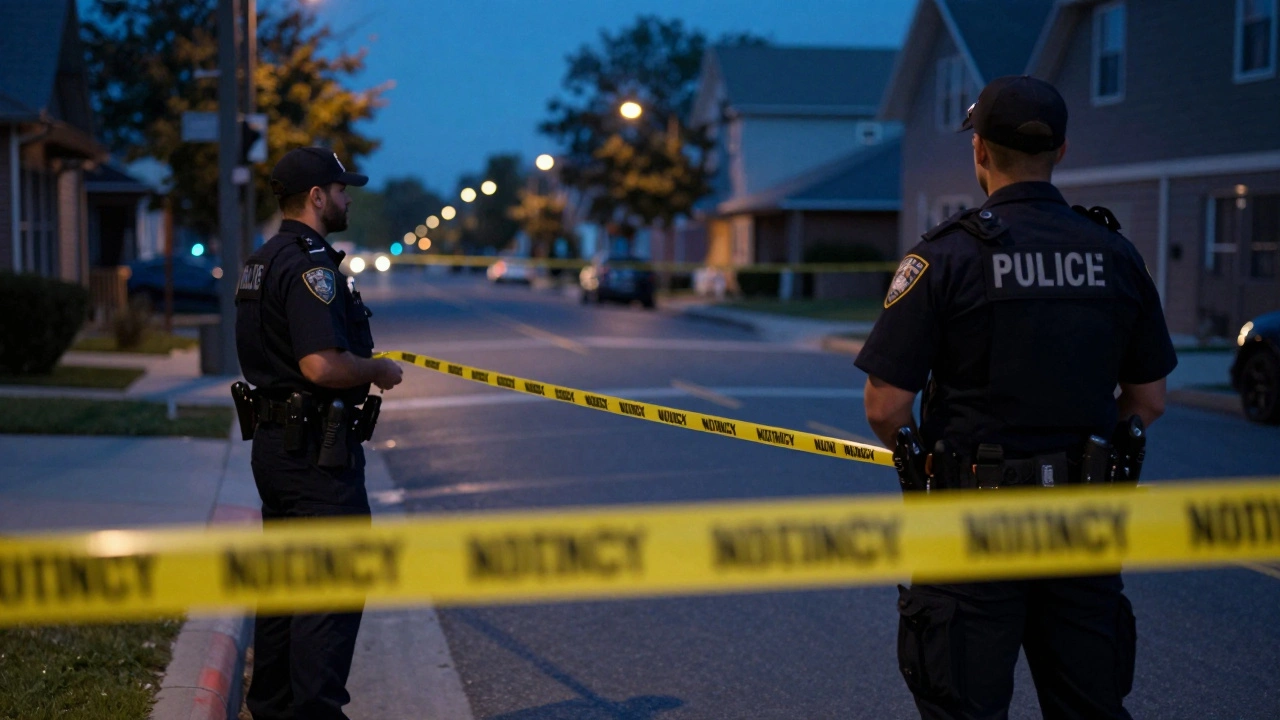
The very first mistake investigators make happens before they even pick up a camera. They fail to secure the crime scene properly. When police arrive, the immediate instinct is often to rush in and help the victim or look for the suspect. While the human urge to help is good, it is terrible for evidence. If you step into the scene without defining the boundaries, you become part of the problem.
First responders often gather too close to the body or the weapon. They might step over blood spatter or leave footprints that weren't there before. Neighbors and passersby might wander in out of curiosity. If the scene isn't locked down immediately, you lose the ability to prove that the evidence you find is actually from the crime and not from the crowd. According to coroner investigation documentation, uniformed officers frequently fail to stop people leaving the scene or detain everyone present. This creates a massive gap in the chain of custody right from the start.
To avoid this, you need to treat the scene like a fortress. Establish a wide perimeter that includes the immediate area and the likely exit paths. Use crime scene tape, but also use physical barriers if necessary. If the scene is outdoors, set up a barrier to protect against rain or wind that could wash away trace evidence. Remember, the scene includes the path the suspect took to leave, not just where the body lies.
Documentation Disasters
Once the scene is secure, the next biggest failure point is documentation. You might think you have a good memory, but in court, your memory is not evidence. Photos and notes are the only things that matter. Insufficient photography is a classic mistake, especially in shooting incidents. If you only take close-ups of the body, you miss the context. You need to show the trajectory, the position of the body relative to the room, and the surrounding environment.
Photographs provide visual evidence of the scene's initial state. They capture ballistic evidence, bullet defects, and the positioning of victims. Without photos from various angles and distances, analysts cannot reconstruct the incident accurately. Another common error is rushing the sketch. Sketches visualize spatial relationships. If your measurements are off by even a few inches, it can change the story of how a shot was fired. Inaccurate measurements lead to inaccurate representations, which defense attorneys will tear apart during cross-examination.
Don't forget the environment. Weather conditions, lighting, and the layout of the room affect how evidence behaves. If you ignore these factors, your notes will be incomplete. Detailed notes ensure that critical information is preserved and shared with other team members. If you skip a step in your notes, you create a gap that looks suspicious later. Comprehensive notes facilitate a more thorough analysis and a well-rounded investigation.
Evidence Contamination and Handling
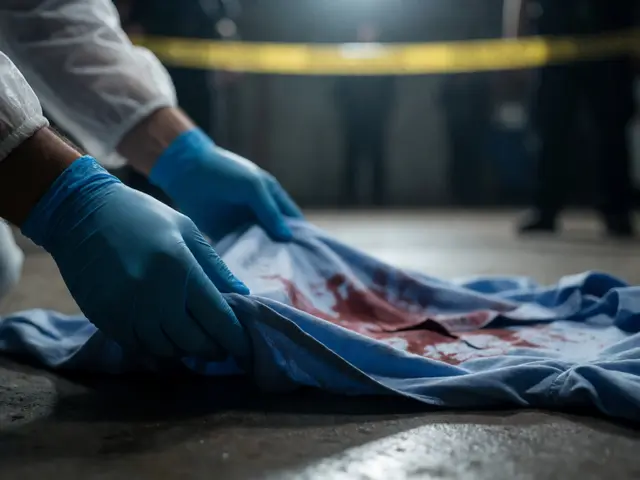
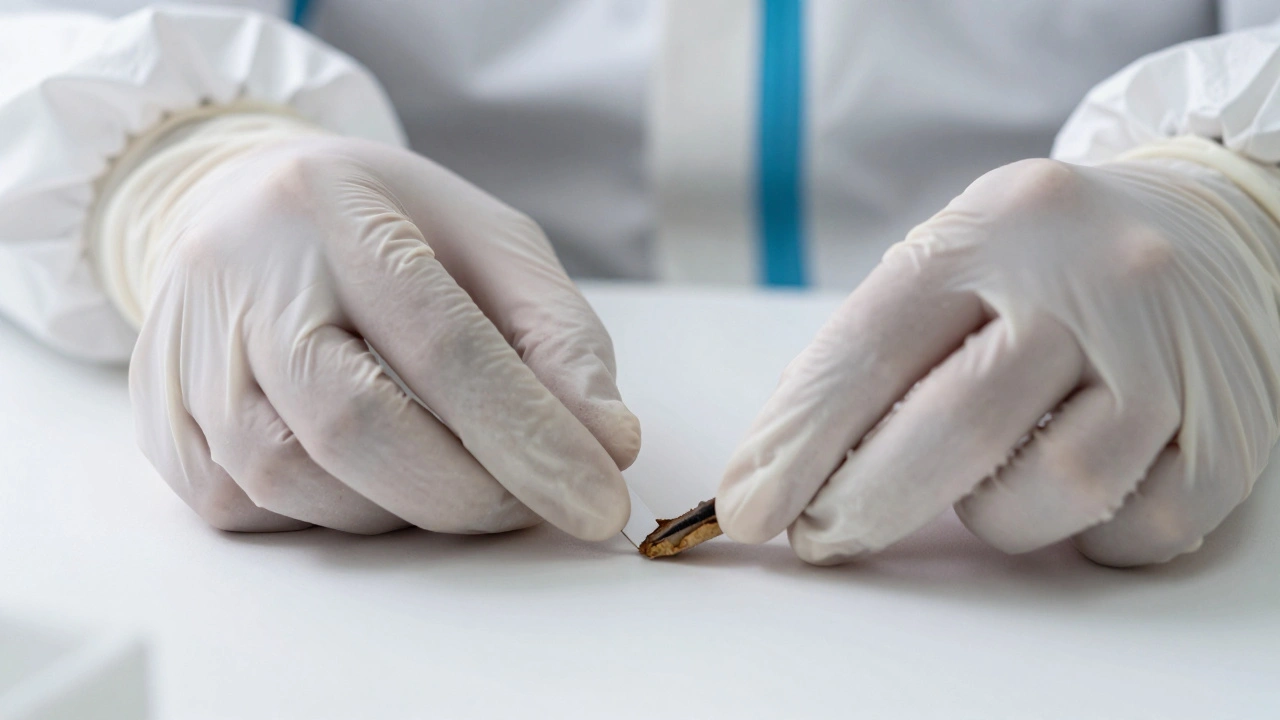
Contamination is the silent killer of investigations. It happens when foreign material is introduced to the scene or when evidence is mixed up. This can occur if law enforcement personnel enter the scene without proper protective gear. If you wear a jacket to the scene and then wear it to the next scene, you transfer trace evidence. This is called cross-contamination.
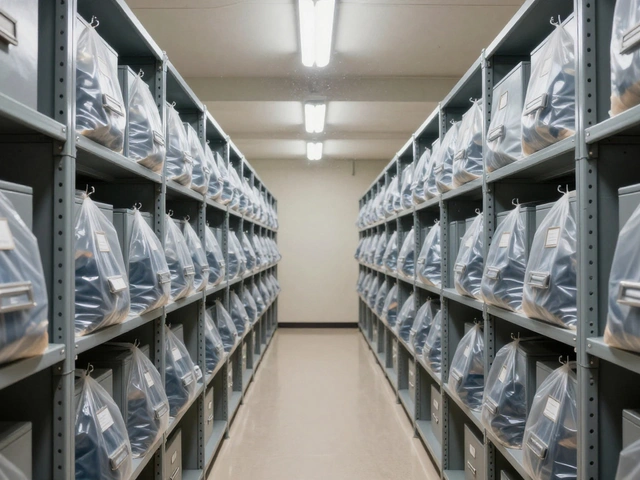
Improperly packing or storing collected evidence is another major issue. If you put a wet blood sample in a plastic bag without drying it, mold can grow and destroy the DNA. If you mix fingerprints from different people in the same box, you lose the ability to distinguish them. Evidence contamination represents a distinct and serious category of mistakes. It renders the evidence useless, or worse, it produces incorrect results that lead to the wrong conviction.
Victim bodies are often mishandled. The body should always be inspected and searched for trace evidence prior to being moved. Officers sometimes cover victims with blankets or coats found at the scene to preserve dignity. This is a huge mistake. You are adding evidence to the scene. If the body is found outdoors, use barriers instead of covering it. Using anything to add to and subsequently alter the initial crime scene is always harmful to the investigation.
Breaking the Chain of Custody
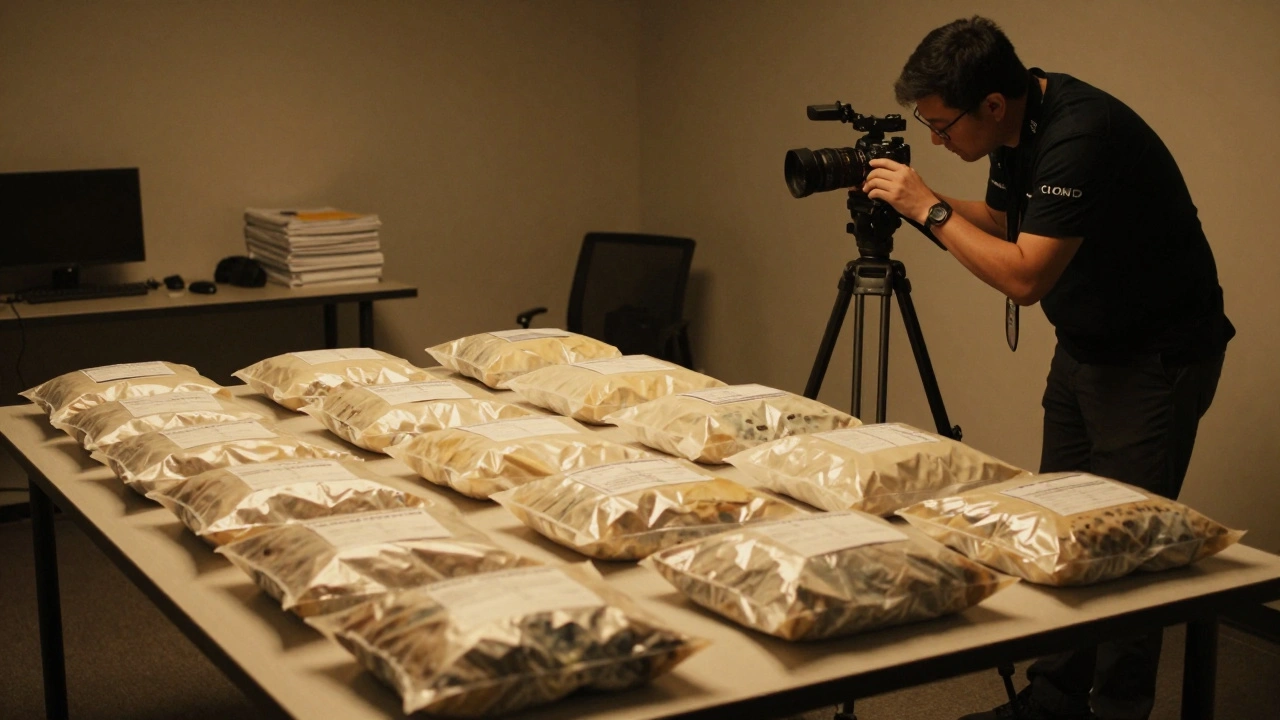
The chain of custody is the legal record of who handled the evidence, when, and why. It proves that the item presented in court is the same item found at the scene. Failure to maintain this chain is one of the seven common mistakes made by police in criminal investigations. If there is a gap in the log, the defense can argue that the evidence was planted or tampered with. The evidence's legitimacy and reliability cannot be demonstrated because of a lapse in the recorded process.
Every time evidence changes hands, it must be logged. If an officer hands a bag of drugs to a lab technician, both must sign the log. If the bag sits in a locker overnight, that needs to be noted. Breaking the chain of custody is listed as a critical failure that can result in case dismissal or acquittals. You cannot simply trust that the evidence is safe; you must prove it is safe.
Lack of Training and Protocol
Adequate training and clearly defined protocols are essential but are frequently absent in crime scene investigations. Many first responders make mistakes in the early phases because they are not adequately trained in current protocols. Investigators may overlook opportunities because they are unaware of all possible evidence types. Poor methods have the potential to contaminate evidence, making it ineffective. Lack of standardized procedures for documentation can lead to inconsistencies. Different investigators using different methods might result in varying levels of detail and quality.
Standard operating procedures should be established and followed to ensure a consistent and reliable approach. If you don't have a protocol for shooting scenes, you might miss shell casings. If you don't have a protocol for digital evidence, you might destroy data on a phone. Effective crime scene investigation requires systematic prevention of these documented mistakes through establishing clear investigative objectives.
| Common Mistake | Consequence | Best Practice |
|---|---|---|
| Entering without PPE | DNA Contamination | Wear full protective gear before entry |
| Missing Chain of Custody Log | Evidence Inadmissibility | Log every transfer immediately |
| Covering Victim Body | Lost Trace Evidence | Use barriers, do not touch body |
| Poor Photography | Inaccurate Reconstruction | Photo from multiple angles and distances |
| Undefined Objectives | Missed Evidence | Set clear goals before searching |
Scene Security Checklist
Before you leave the scene, run through this mental checklist to ensure you haven't missed the basics:
- Is the perimeter clearly marked with tape?
- Has everyone entering the scene signed a log?
- Are all evidence bags sealed and labeled?
- Have you photographed the scene from every corner?
- Is the victim's body covered only by approved barriers?
- Have you secured all digital devices found?
- Is the chain of custody log complete?
Collaboration and Communication
Lack of effective collaboration represents another critical failure. Effective crime scene investigation requires teamwork and communication among first responders, investigators, CSI personnel, and analysts. If the patrol officer doesn't tell the CSI tech about a witness they saw, that witness might leave. If the CSI tech doesn't tell the analyst about the condition of the evidence, the analysis might be flawed.
Failure to notify investigators soon enough or at all is a common error by first responders. They might assume the cause of death is a suicide or natural, eliminating the need to treat the scene as a crime scene. This assumption can be fatal to the investigation. Failure to detain all persons present at the scene might include the suspect. Furthermore, failing to separate possible witnesses and obtain initial statements allows them to talk to each other and align their stories.
Conclusion
Investigating a crime scene is not just about finding clues; it is about preserving the truth. The comprehensive research indicates that effective crime scene investigation requires systematic prevention of these documented mistakes. By establishing clear investigative objectives, properly securing and protecting the entire crime scene, and conducting meticulous documentation, you ensure evidence integrity. Remember, small evidence is sometimes the difference between conviction and acquittal. Don't overlook the small stuff. Maintain strict chain of custody protocols, ensure all personnel receive adequate training, and promote effective collaboration among all team members. When you follow these steps, you build a case that stands firm in the face of scrutiny.
What is the most common mistake at a crime scene?
The most frequently documented mistake is the failure to establish clear objectives at the beginning of an investigation. Without defined goals, inquiries lack focus, resulting in missed evidence and wasted resources.
Why is securing the crime scene important?
Adequate scene security prevents unwanted access that could result in evidence being altered, relocated, or destroyed. It is essential for establishing the chain of custody required for court admissibility.
Can a case be dismissed due to evidence contamination?
Yes. If the chain of custody is broken or evidence is contaminated, the defense can argue the evidence is unreliable. This can lead to evidence being excluded or the entire case being dismissed.
Should you cover a victim's body at the scene?
No. The body should never be covered with anything found at or near the scene, such as blankets or coats. This alters the scene and can destroy trace evidence. Use barriers instead.
What is the chain of custody?
The chain of custody is the documented process of handling, controlling, transferring, analyzing, and disposing of evidence. It proves the evidence presented in court is the same evidence found at the scene.