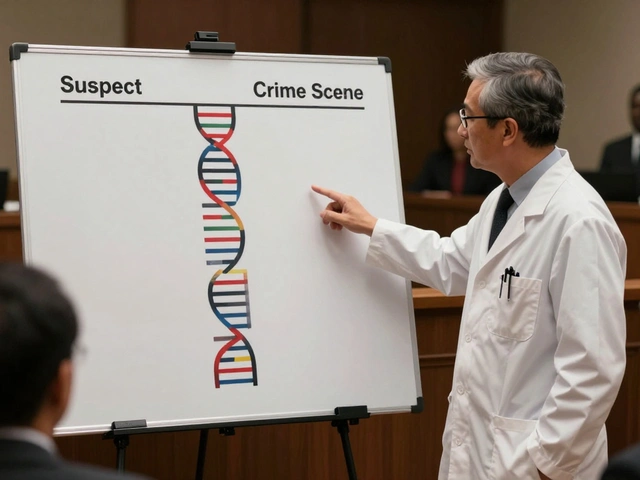
When a company gets hacked, an employee steals trade secrets, or a fraud scheme unfolds through email and database changes, the real question isn't just what happened-it's can you prove it in court? Digital forensics doesn't just find clues; it builds legal cases. And at the heart of every strong case? Business records. But not just any records. Only those that meet a strict legal foundation can be used.
What Exactly Is a Business Record in Digital Forensics?
A business record in digital forensics isn't just a file you saved. It’s data created and kept as part of your normal business operations. Think transaction logs from your accounting software, access timestamps on your server, email trails between employees, or even call detail records saved to a USB drive after a security alert. These aren’t random screenshots or copied files. They’re automated, routine, and tied to daily operations. The law doesn’t treat these like hearsay. Under Rule 803(6) of the Federal Rules of Evidence, business records are exempt from the hearsay rule-if they’re made correctly. That means if you want to use an email log or database change history as evidence, you have to prove it was created the right way. No shortcuts.The Three Legal Requirements for Admissibility
Courts don’t accept digital records just because they look official. There are three non-negotiable requirements, established by decades of case law including State v. Springer in 1973:- Made in the regular course of business - The record must be part of your standard operating procedure. If you only generate logs after a breach, that’s not regular. If you generate them every hour, 24/7, that’s good.
- Created at or near the time of the event - A log entry from 2025 about an event in 2023? That’s suspect. Records made in real-time or shortly after are trusted. Delayed entries raise red flags.
- Testified to by someone who understands how it was made - You can’t just hand over a file. Someone-whether the system admin, the records custodian, or even a sworn affidavit-must explain how the system works, who inputs data, and how it’s stored. No mystery boxes.
Chain of Custody: The Invisible Guardian
Even if your records meet the three requirements, they still need a trail. That’s the chain of custody. It’s not optional. It’s your armor. Every time digital evidence changes hands-whether from your IT team to the forensic analyst, from your server to a forensic drive, or from your office to the courthouse-you must document it. Who handled it? When? Where? What tool was used? Was the drive write-protected? Was the hash value recorded before and after transfer? A single gap-say, a drive was left unattended for 12 hours-can destroy the entire case. Judges don’t care if you’re 99% sure nothing was touched. If you can’t prove it, it’s not evidence. It’s just a file.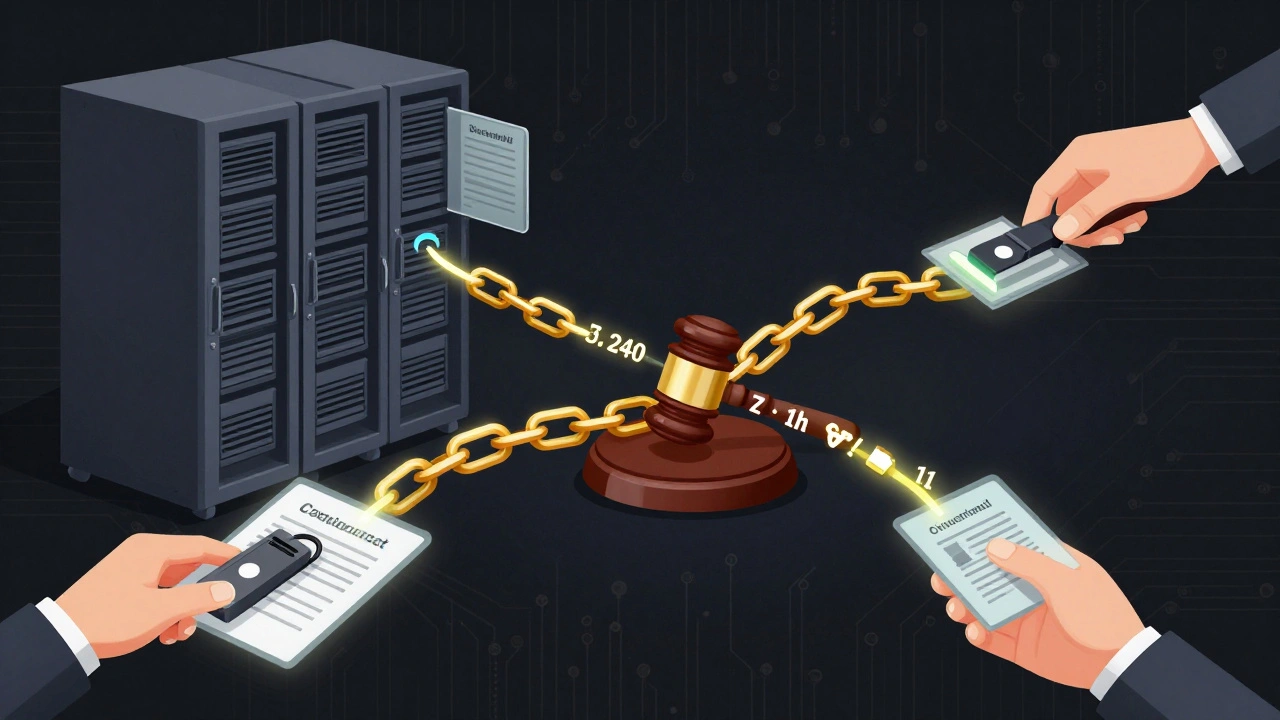
How Digital Forensics Turns Records Into Evidence
Digital forensics follows five steps. Business records must survive all five to be admissible:- Identification - You don’t just grab everything. You pinpoint exactly which systems, devices, or cloud accounts hold relevant records. A CFO’s laptop? The ERP system? The firewall logs? Be specific.
- Preservation - Make a forensic image. Don’t open files. Don’t run programs. Use write blockers. Copy the data with tools that generate cryptographic hashes (like SHA-256) to prove nothing changed.
- Analysis - This is where you look for patterns: unusual login times, mass file exports, altered database entries. You’re not just looking for what happened-you’re looking for intent.
- Documentation - Every step you took, every tool you used, every finding you made. Write it down. In detail. This becomes your report.
- Presentation - You need to explain it to a judge or jury who doesn’t know what a log file is. Your report must be clear, accurate, and backed by your testimony or affidavit.
Where Business Records Matter Most
These records aren’t just for criminal cases. They’re critical across industries:- Corporate investigations - If an employee leaks customer data, your DLP system logs, VPN access records, and file transfer timestamps become your evidence. Without them, you can’t prove theft.
- Financial fraud - Altered invoices, fake vendor payments, and unauthorized database changes? Database forensics traces every edit. Who changed it? When? From where?
- GDPR and compliance - If you have a data breach, you have 72 hours to report it. But you also need to prove what data was taken, how, and by whom. That’s forensic business records.
- Law enforcement - In the UK, over 90% of crimes now involve digital evidence. From child exploitation cases to homicide investigations, phone logs, cloud backups, and transaction histories are often the only link between suspect and crime.
- Cloud environments - Records stored in AWS, Microsoft Azure, or Google Cloud? You can’t just walk into a server room. You need legal requests, API access, and cooperation from providers-all while preserving chain of custody. It’s harder, but just as vital.
Forensics vs. Data Recovery: Don’t Mix Them Up
A lot of companies confuse digital forensics with data recovery. Big mistake. Data recovery is about getting your files back after a crash. You plug in a drive, run a tool, and hope for the best. No documentation. No chain of custody. No legal safeguards. Digital forensics? It’s the opposite. Every action is tracked. Every copy is hashed. Every tool is validated. You’re not trying to restore your business-you’re trying to prove a crime. If your IT team tries to “recover” a suspect’s hard drive without forensics protocols, they might accidentally overwrite evidence. Or worse-they create a record that looks tampered. That’s not helping. That’s hurting your case.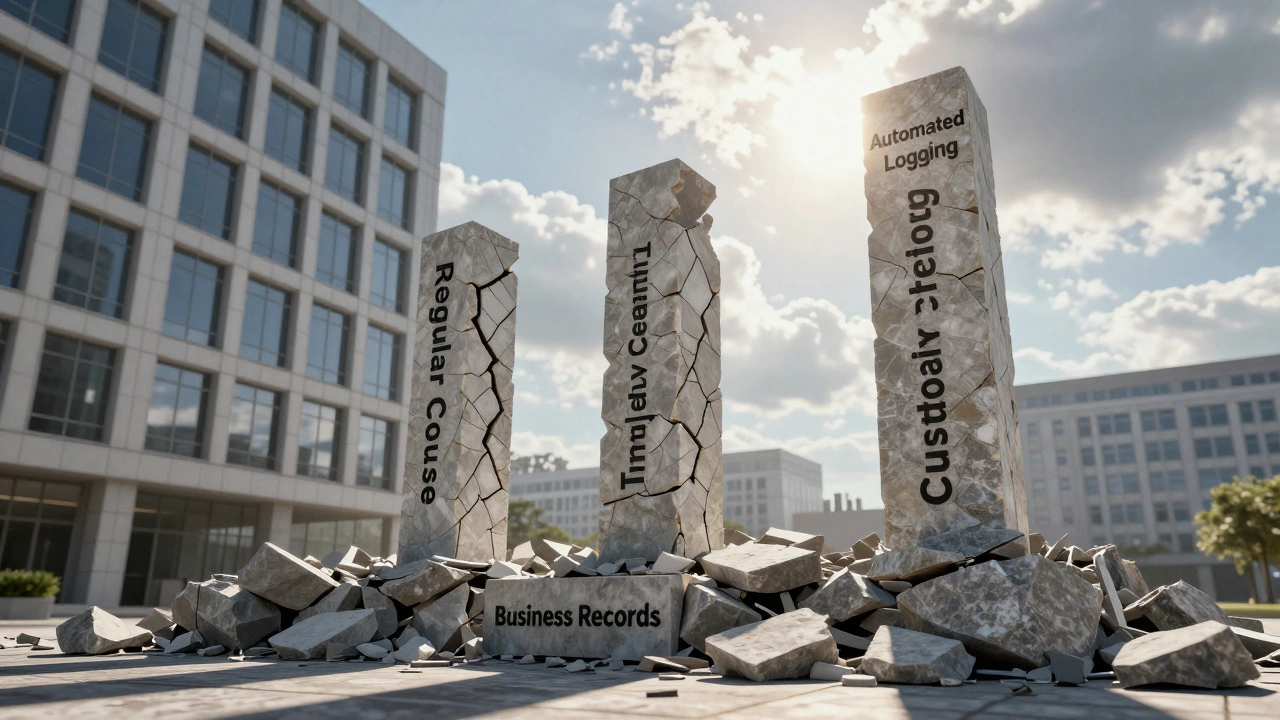
What Happens When the Foundation Cracks?
We’ve seen cases where investigators found the smoking gun-a deleted email, a hidden file, a suspicious database entry. But because the record wasn’t made in the regular course of business, or no one could testify to how it was created, the judge threw it out. One real case: A company suspected an employee of stealing client data. They pulled logs from their server, copied them onto a USB, and handed them to the police. No chain of custody. No forensic image. No affidavit. The defense argued the logs could’ve been altered. The court agreed. The case collapsed. It wasn’t that the evidence was fake. It was that the foundation wasn’t laid.How to Build a Solid Foundation
You don’t need to be a lawyer or a forensic expert to protect your records. But you do need structure:- Automate logging. Don’t rely on manual entries.
- Store logs in write-once, read-many systems. Avoid editable files.
- Assign a records custodian. Someone whose job it is to know how your systems work.
- Train your IT team on forensic preservation-not just repair.
- Use validated tools. NIST has lists of approved forensic software. Use them.
- Document everything. Even if you never go to court, you might need to prove you didn’t mess with the data.
Final Thought: Evidence Isn’t Found-It’s Built
Digital forensics isn’t magic. It’s procedure. Business records don’t magically become evidence because they’re digital. They become evidence because you treated them like evidence from day one. If your company handles sensitive data, you’re already in the forensic game. The question isn’t whether you’ll need digital evidence. It’s whether your records will hold up when it matters.Can a screenshot of a chat message be used as a business record?
No. A screenshot is not a business record unless it’s part of an automated system that captures and stores messages as part of routine operations. Screenshots are manually taken, easily altered, and lack timestamps or authentication. Courts treat them as hearsay unless they’re backed by a system-generated log that meets Rule 803(6) criteria.
Do cloud-based records count as business records?
Yes-if they’re created automatically as part of normal operations and you can prove how they were generated. For example, AWS CloudTrail logs that record API calls made by employees are admissible because they’re system-generated, time-stamped, and stored reliably. But if you manually export a report from a cloud dashboard and save it as a PDF, you’ll need someone to testify to its authenticity.
What if the person who made the records is no longer employed?
You can still use the record. A custodian of records, another employee familiar with the system, or a sworn affidavit can provide the foundation. You don’t need the original creator-just someone who understands how the system worked and can verify its reliability.
Is a timestamp enough to prove a record was made at the right time?
Not by itself. Timestamps can be manipulated. Courts look for consistency across multiple sources: server logs, network logs, user device logs, and system clocks. If all sources align and the system is known to be accurate, the timestamp gains credibility. Otherwise, it’s just a number.
Can I use business records from a third-party vendor in court?
Yes, if the vendor’s records meet the same criteria: made in the regular course of their business, created at or near the time of the event, and verified by someone who understands their systems. Many companies use vendor logs (like email providers or cloud platforms) as evidence-but only if the vendor can authenticate them.