When someone uses cocaine, the drug doesn’t just disappear after the high fades. The body breaks it down into chemical byproducts called cocaine metabolites. These aren’t just waste-they’re the real evidence that drug tests look for. If you’re trying to understand how long cocaine stays in your system, you’re not really looking for the drug itself. You’re looking at its metabolites. And that changes everything.
What Are Cocaine Metabolites?
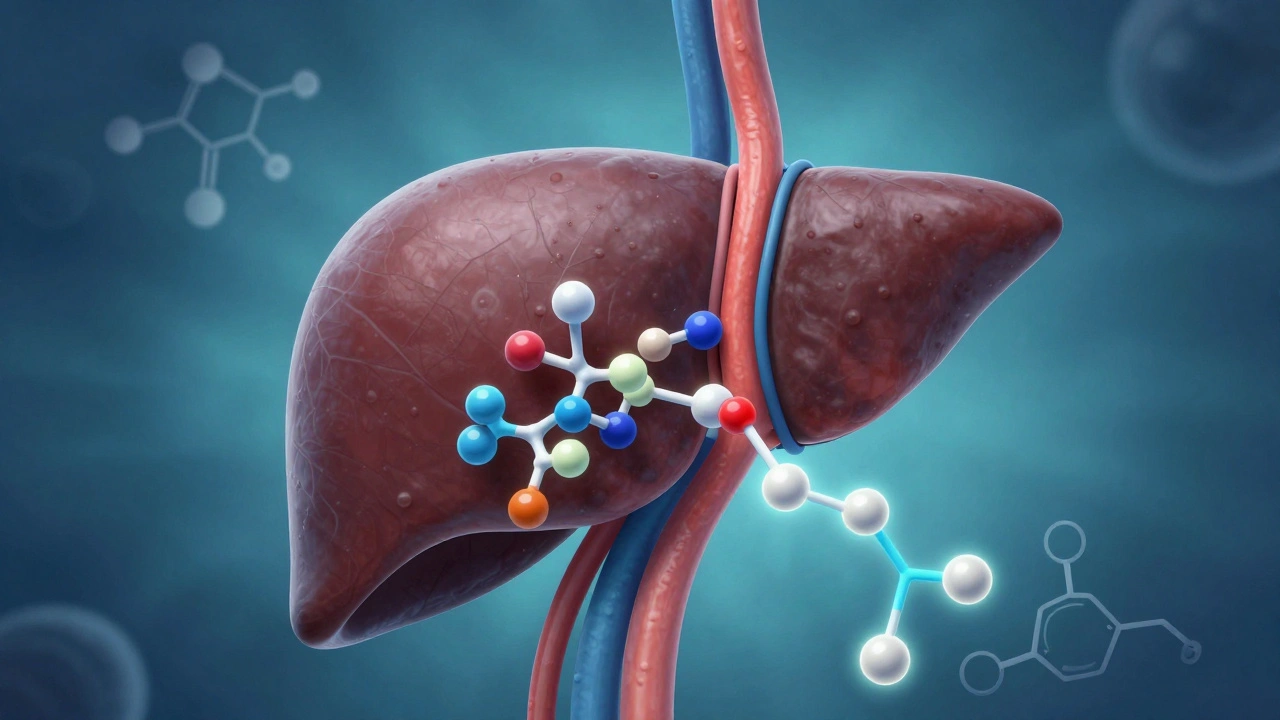
Cocaine gets processed by the liver using two main enzymes: pseudocholinesterase and carboxylesterase type 2. About 30% to 50% of the cocaine you take turns into metabolites before it leaves your body. The most important one is benzoylecgonine. It’s stable, lasts longer than cocaine, and is the main target in nearly all standard drug tests. Without benzoylecgonine, most urine tests wouldn’t work.
Other metabolites include ecgonine methyl ester and norcocaine. Ecgonine methyl ester shows up in tests too, but it doesn’t stick around as long. Norcocaine is active-meaning it can still affect the body-but it’s rare in standard testing because it’s harder to detect and less abundant.
Here’s the key: cocaine itself is gone from your bloodstream within hours. But benzoylecgonine? That’s what lingers. And that’s why tests focus on it.
How Long Do Cocaine Metabolites Stay in Your System?
The answer depends entirely on how you’re being tested. There’s no single timeline. Each method catches different pieces of the puzzle.
Urine Tests: The Most Common
Urine testing is the go-to for employers, courts, and probation officers. It’s cheap, easy, and detects metabolites, not just the drug. Benzoylecgonine shows up in urine within 2 to 6 hours after use. For a one-time user, it’s usually gone in 2 to 4 days. But that’s not the full story.
Chronic users? It’s a different game. With repeated use, the body can’t clear metabolites as fast. Fat cells store them. Liver enzymes get overwhelmed. Studies show that heavy, daily users can test positive for up to 14 days after their last use. Peak detection? Between 24 and 72 hours. That’s why someone who uses once a week might test clean after five days, while someone who uses daily might still test positive after two weeks.
Hydration matters. Drinking lots of water dilutes urine, but labs check for dilution. They don’t just look for benzoylecgonine-they look at creatinine levels too. So flushing your system won’t fool a lab test.
Blood Tests: Only for Recent Use
Blood tests are rare outside hospitals or crash investigations. Why? Because they only catch cocaine in real time. Cocaine itself peaks in blood within 30 minutes and drops fast. It’s usually gone in 12 hours. Even for heavy users, it rarely lasts beyond 48 hours.
Benzoylecgonine can show up in blood for up to 48 hours, but blood tests rarely look for metabolites. They’re designed to catch impairment-like if someone crashed a car. If you’re being tested for blood cocaine, you’re probably in an ER or under arrest for a recent incident. It’s not for routine screening.
Saliva Tests: Quick and Local
Saliva tests are becoming popular for on-the-spot workplace checks. They’re non-invasive and give results in minutes. But they’re not for history-they’re for recent use. Cocaine shows up in saliva within minutes and stays detectable for 1 to 2 days. Heavy users might test positive for up to 3 or 4 days.
Why use it? Because it tells you if someone used cocaine in the last 24 hours. If you’re a truck driver or pilot, this matters. It’s not about past use-it’s about whether you’re currently impaired.
Hair Follicle Tests: The Long View
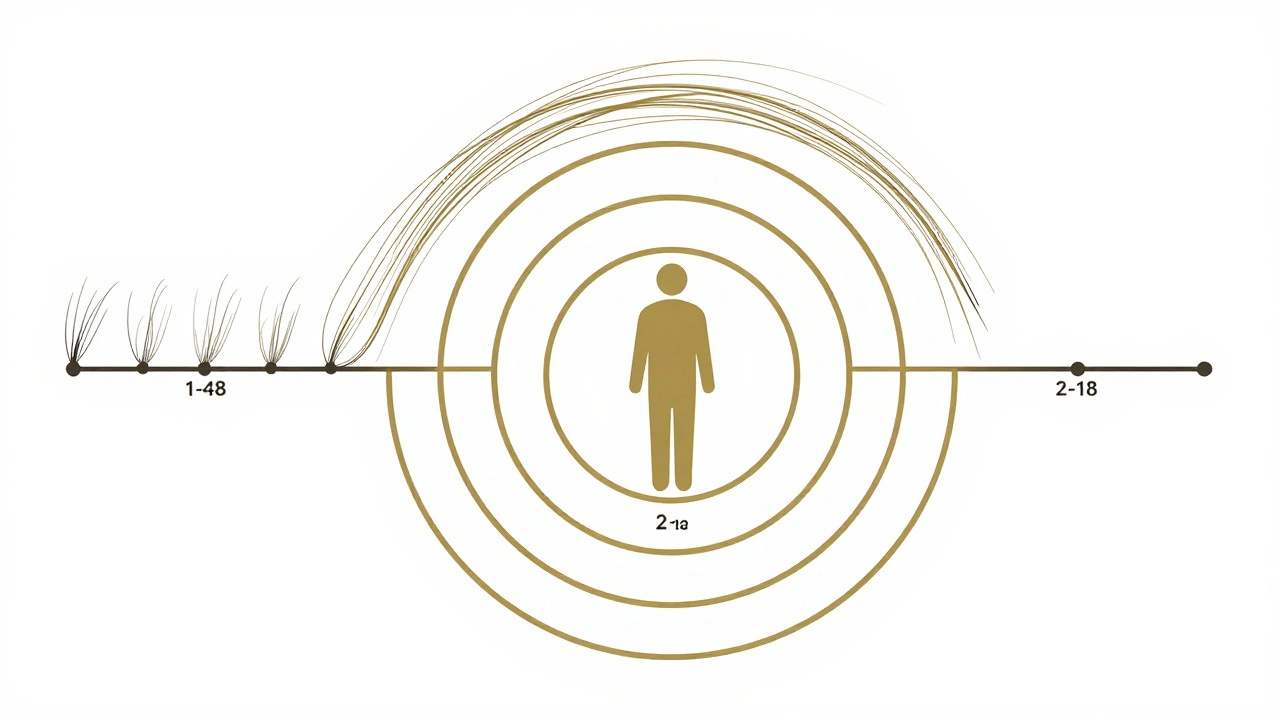
This is where things get serious. Hair testing can detect cocaine use for up to 90 days. A 1.5-inch scalp sample equals about three months of history. It doesn’t tell you when exactly you used-it tells you that you used, repeatedly, over weeks.
Here’s how it works: as blood flows through hair follicles, metabolites get trapped in the growing hair shaft. It takes 5 to 10 days for the metabolite to show up in hair after use. So if you used cocaine yesterday, it won’t show up until next week.
That delay makes hair tests useless for catching recent use. But they’re nearly impossible to beat. You can’t wash it out. You can’t bleach it enough to fool a lab. Even if you shave your head, body hair (chest, armpits, legs) can be used instead. Labs can test hair from almost anywhere on the body.
Some cases have detected cocaine use beyond 90 days, especially with long hair. One study found traces in a 6-inch strand that represented over a year of use. That’s not common, but it shows how powerful this method is for forensic investigations.
What Affects Detection Time?
Two people take the same dose of cocaine. One tests clean in three days. The other tests positive for two weeks. Why?
- Frequency of use: Chronic users build up metabolites in fat tissue. Their bodies get slower at clearing them.
- Dose and purity: Higher doses or purer cocaine mean more metabolites to process. That extends detection.
- Method of use: Smoking or injecting gets the drug into the bloodstream faster, but doesn’t change how long metabolites last. Snorting? Slower absorption, but same elimination.
- Body composition: People with higher body fat store more metabolites. Leaner people clear them faster.
- Liver and kidney health: If your liver is damaged, metabolism slows. If your kidneys are weak, elimination slows. Both extend detection.
- Metabolism speed: Some people naturally break down drugs faster. Genetics play a role.
There’s no universal clock. That’s why labs give ranges, not exact dates. A test result doesn’t mean “used yesterday.” It means “used sometime in the last X days.” Context matters.
Why This Matters in Forensics
In court cases, knowing the detection window helps determine timing. If someone claims they used cocaine a week before a traffic stop, but a hair test shows use two days before, that contradicts their story. A urine test showing benzoylecgonine 36 hours after a workplace accident supports intoxication at the time of the incident.
Forensic scientists don’t just look for a positive result. They look at the pattern. Did the person use once? Or repeatedly? Is the metabolite level consistent with occasional use or chronic abuse? That’s how they build a timeline.
And it’s not just about punishment. In medical settings, detecting metabolites helps doctors understand overdose risks. If a patient has benzoylecgonine in their system, they may have used cocaine recently-even if they deny it. That changes treatment.
Testing Methods Compared
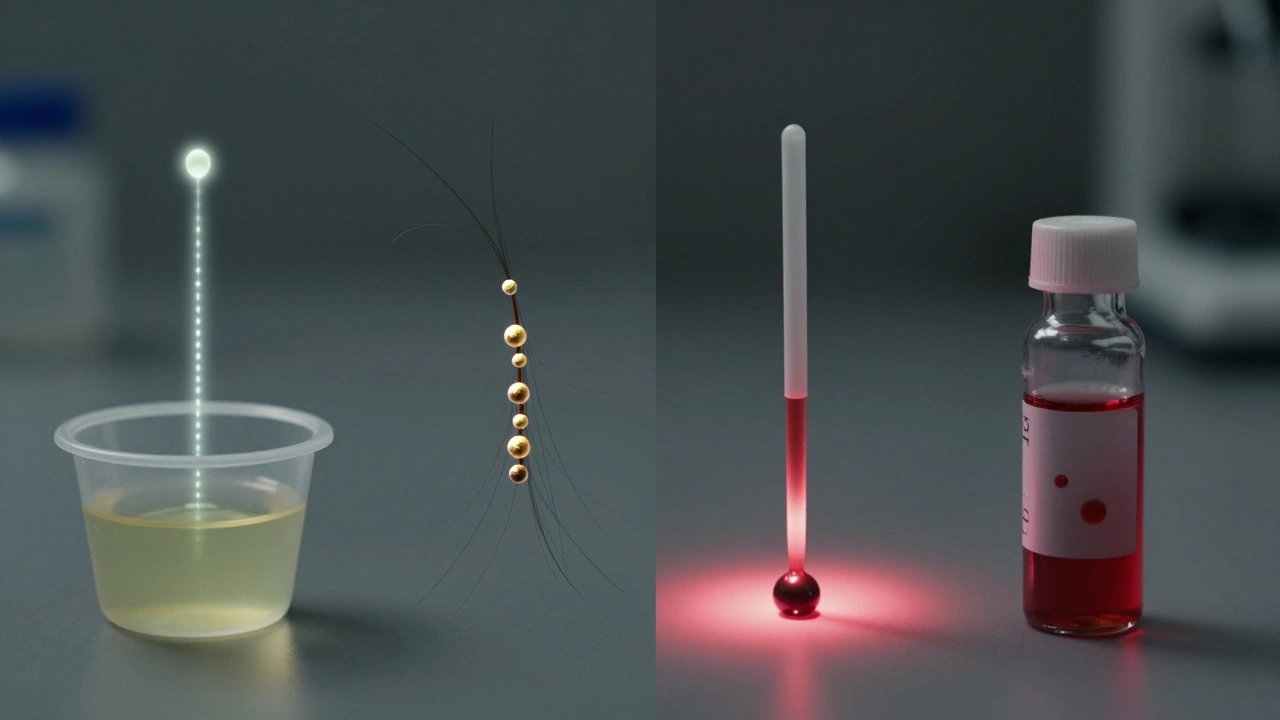
| Method | What It Detects | Time to First Detection | Typical Detection Window | Best For |
|---|---|---|---|---|
| Urine | Benzoylecgonine | 2-6 hours | 2-4 days (occasional) Up to 14 days (chronic) |
Workplace, legal, probation |
| Blood | Cocaine (parent drug) | 5-15 minutes | 12-48 hours | Medical emergencies, DUI cases |
| Saliva | Cocaine (parent drug) | 5-10 minutes | 1-4 days | On-site workplace screening |
| Hair Follicle | Benzoylecgonine (in hair shaft) | 5-10 days | Up to 90 days (or longer) | Long-term use, forensic history |
Myths and Misconceptions
People think they can beat a drug test by drinking water, using detox kits, or waiting a few days. But here’s the truth:
- You can’t dilute a lab urine test enough to hide metabolites-they check for creatinine and specific gravity.
- Detox drinks don’t remove metabolites from fat cells. They just mask dilution.
- Abstaining for 3 days won’t help if you’re a chronic user. Your body is still releasing stored metabolites.
- Hair tests can’t be fooled by shampoos, bleach, or dye. Labs look for the metabolite embedded in the hair, not on the surface.
The only way to test clean is to stop using. No shortcut works.
Final Takeaway
Cocaine metabolites are the real story behind drug tests. Benzoylecgonine is the star player-it’s stable, abundant, and lasts far longer than cocaine itself. Whether you’re a worker, a parent, a legal professional, or someone trying to understand their own test results, knowing the timeline matters.
Urine tests catch recent use. Hair tests catch history. Blood and saliva catch the moment. Each has a purpose. And none of them are fooled by tricks.
There’s no magic number. But there is science. And that science is clear: if you use cocaine, your body leaves a trail. And it’s harder to erase than you think.
How long does benzoylecgonine stay in urine?
For occasional users, benzoylecgonine is typically detectable in urine for 2 to 4 days after last use. For chronic or heavy users, it can remain detectable for up to 14 days. The peak detection window is between 24 and 72 hours after use. Factors like body fat, liver function, and frequency of use can extend this timeline.
Can you pass a drug test in 3 days after using cocaine?
It depends. If you’re an occasional user and took a small dose, you might test clean in 3 days. But if you’re a regular user, used a large amount, or have a slower metabolism, you’re likely still positive. Lab tests look for benzoylecgonine, which builds up in fat tissue over time. Three days is rarely enough for heavy users.
Does hair testing detect one-time cocaine use?
Yes, but not immediately. It takes 5 to 10 days for the metabolite to appear in hair after use. A single use can be detected in a 1.5-inch hair sample if the dose was high enough. However, hair tests are better at identifying patterns of use over weeks or months. A one-time use might be missed if the dose was very low or if the hair sample is too short.
Can drinking water help you pass a cocaine drug test?
No. While drinking water dilutes urine, labs test for creatinine and specific gravity to detect dilution. If your urine is too diluted, the test is flagged as invalid and may be repeated. You can’t flush out metabolites stored in fat cells. Dilution doesn’t remove benzoylecgonine-it just makes the sample look suspicious.
Why do blood tests detect cocaine but not its metabolites?
Blood tests are designed to detect active drug in the bloodstream to assess impairment, not past use. Cocaine has a very short half-life-about an hour-so it’s only detectable for 12 to 48 hours. Metabolites like benzoylecgonine are present in blood too, but they’re not the focus. Blood tests are used in emergencies or DUI cases where timing matters. For long-term detection, urine or hair tests are preferred.