Imagine a forensic lab facing a sample that's essentially a chemical mess-blood, tissue, or a piece of industrial plastic. If you inject that entire mixture directly into a gas chromatograph, you'll likely clog the instrument or drown out the signal you're actually looking for. This is where Headspace GC-MS is an analytical technique that extracts volatile and semi-volatile substances from a sample matrix without needing to inject the bulk material. By focusing only on the gas phase above the sample, scientists can isolate the "smoking gun" chemicals while leaving the sludge behind. This method is the gold standard for detecting everything from blood alcohol levels to lethal doses of cyanide in a biological sample.
How Headspace Analysis Actually Works
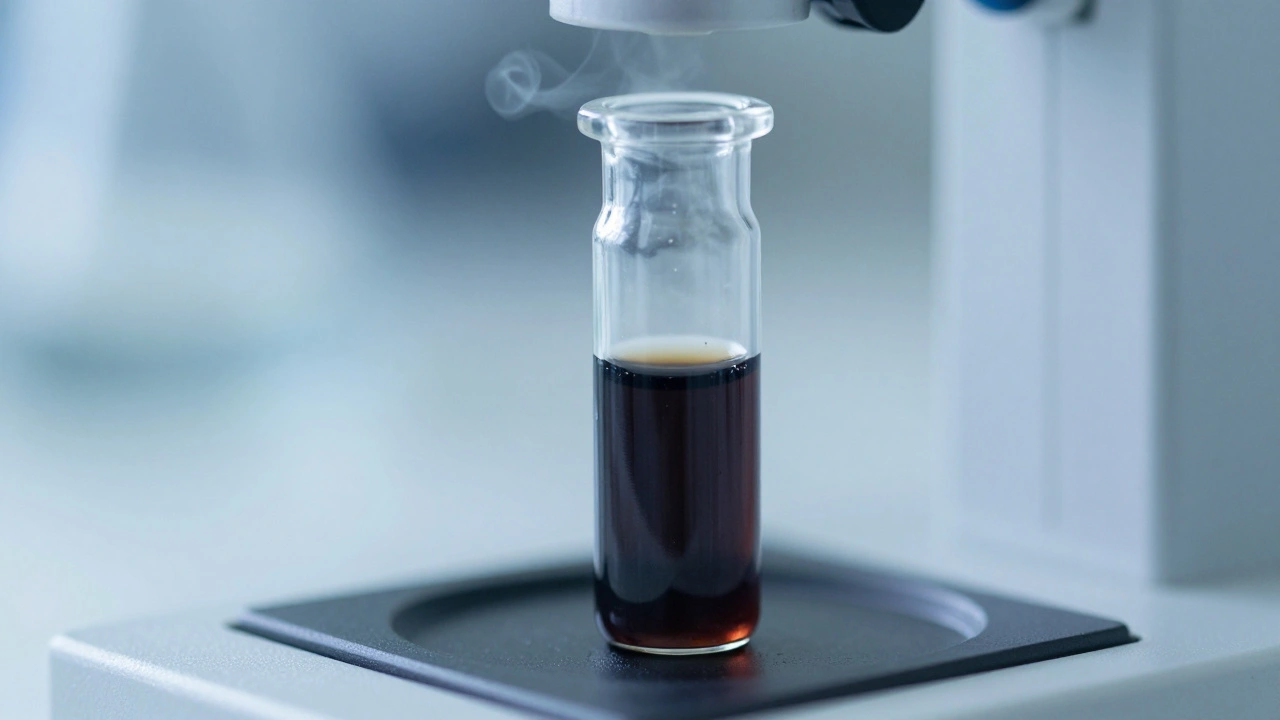
The core idea is simple: some chemicals evaporate more easily than others. In a headspace setup, a sample is placed in a sealed vial and heated. As the temperature rises, the volatile organic compounds (VOCs) move from the liquid or solid phase into the air space at the top of the vial. This creates an equilibrium where the gas phase represents a concentrated snapshot of the volatiles present.
Once the sample reaches this state, a needle draws a precise amount of that gas and shoots it into the Gas Chromatograph (GC). Because the "dirty" part of the sample (like proteins in blood or polymers in plastic) stays at the bottom of the vial, the GC column stays clean, and the resulting data is much sharper. This process completely removes the need for chemical derivatization-the tedious step of modifying molecules to make them volatile-which saves hours of lab work.
Static vs. Dynamic Headspace: Which One Wins?
Not all headspace analysis is the same. Depending on whether you're looking for a high concentration of alcohol or a trace amount of a rare toxin, you'll choose between two main approaches.
Static headspace is the traditional method. You heat the sample, wait for it to stabilize, and take one snapshot. It's perfect for routine blood alcohol tests where the analyte is plentiful. However, if you're dealing with extremely low concentrations, static analysis might not be sensitive enough.
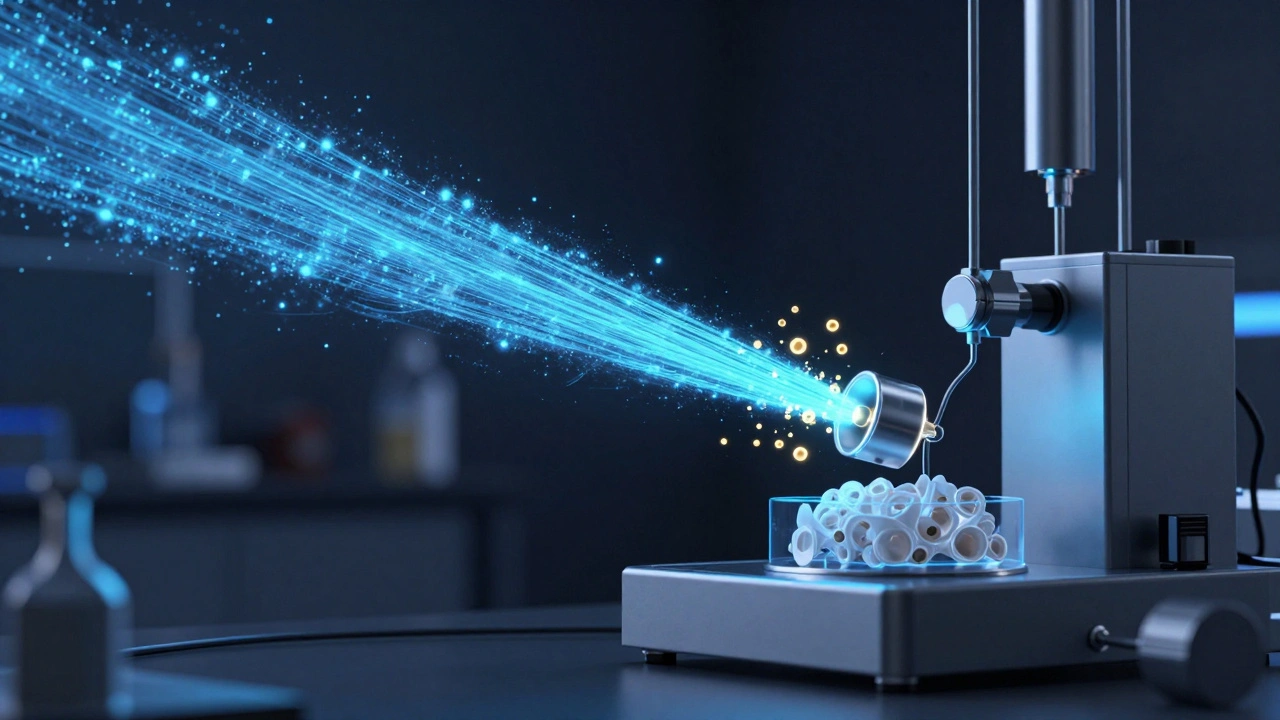
That's where Dynamic Headspace (DHS) is an advanced variant that uses continuous purging of the sample to strip out volatiles over time comes in. Instead of waiting for equilibrium, DHS constantly pushes an inert gas through the sample, "sweeping" the volatile compounds out and concentrating them. This is a game-changer for toxicological risk assessment in medical devices, where researchers need to detect tiny amounts of extractables from materials like acrylonitrile butadiene styrene (ABS) plastic.
| Feature | Static Headspace | Dynamic Headspace (DHS) |
|---|---|---|
| Mechanism | Equilibrium-based snapshot | Continuous purging/stripping |
| Sensitivity | Moderate | Very High (Trace levels) |
| Speed | Fast for routine screens | Slower due to purging time |
| Best Use Case | Blood alcohol, ethanol | Medical device extractables, rare toxins |
Critical Applications in Forensic Toxicology
In the world of forensics, precision is everything. A mistake in quantifying a volatile compound can change the outcome of a legal case. Headspace GC-MS is indispensable because it handles the most critical "volatiles" with ease.
Blood alcohol analysis is the most common use, but the technique's real power lies in its ability to run simultaneous screens. For instance, a single run can identify ethanol while simultaneously detecting Cyanide and Azide. These are highly toxic substances that require immediate and accurate detection in suspected poisoning cases. By using a specific alcohol analysis capillary column and a flame ionization detector, labs can separate these compounds based on their unique boiling points and chemical properties.
Beyond the morgue and the crime scene, this tech is used to screen e-liquids for dangerous additives. In one study, researchers screened 146 different e-liquids, identifying a wide array of aldehydes, ketones, and aromatics. They found that by equilibrating the liquids in amber vials for 24 hours, they could get a clear chemical profile without the matrix effects of propylene glycol or vegetable glycerin interfering with the results.
Navigating Regulatory and Quality Standards
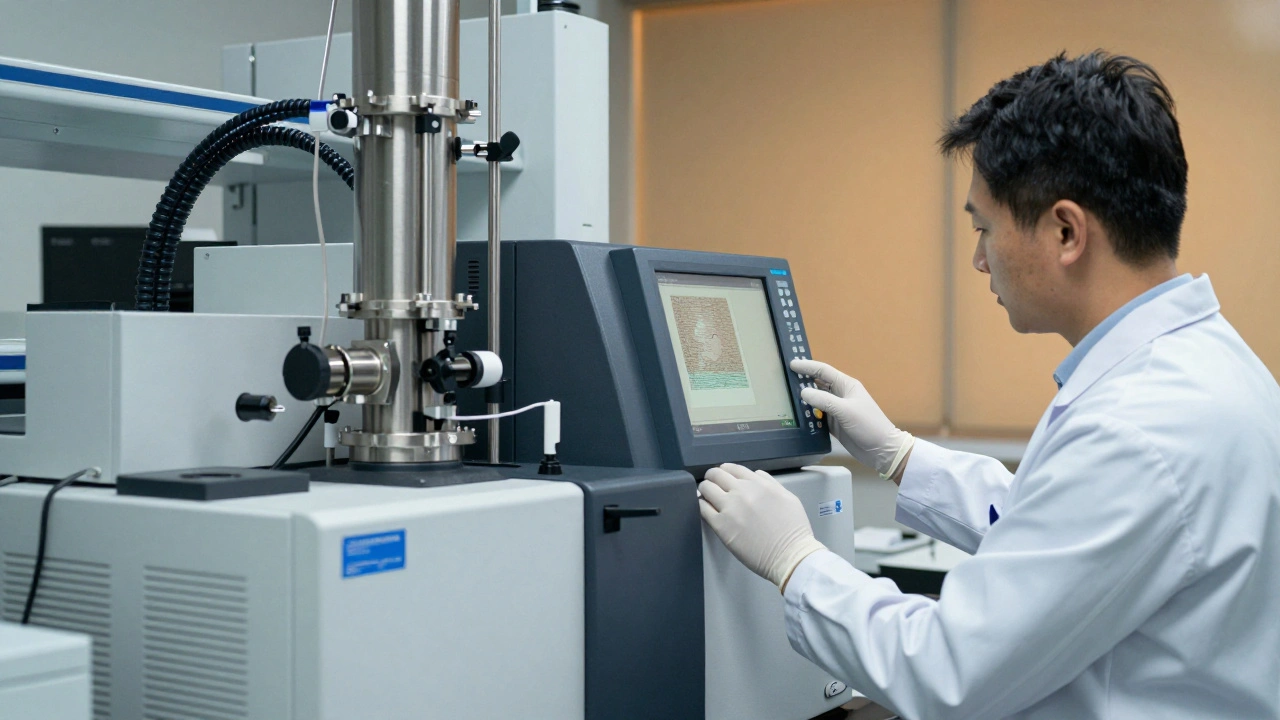
You can't just "wing it" in a forensic lab. To make the results hold up in court, labs follow strict Standard Operating Procedures (SOPs). For example, the Washington State Patrol employs a rigorous two-step verification process. First, they use headspace GC with a flame ionization detector for the initial find. Then, they move the sample to a Mass Spectrometer (MS) to confirm the chemical identity via a mass spectrum match. If the "fingerprint" of the molecule doesn't match the known standard, the result isn't confirmed.
For those in the medical device industry, the FDA recognizes dynamic headspace GC-MS as a valid way to ensure patient safety. When a company develops a new catheter or implant, they must prove that the volatile chemicals leaching out of the plastic won't poison the patient. The resulting chemical profiles are submitted as part of the regulatory approval process, ensuring that the device is biocompatible and safe for long-term use.
Common Pitfalls and Pro Tips for Analysts
Even with advanced gear, things can go wrong. One of the biggest risks in headspace analysis is contamination. Since you're measuring gases, a tiny amount of residue on the vial seal or an impure carrier gas can create a "ghost peak" that looks like a toxin but is actually just lab contamination.
To avoid this, experts use a technique called "spiking." This involves adding a known concentration of the target analyte (e.g., 0.1 to 10.0 mg/mL of cyanide) into a blank sample to create a calibration curve. This allows the analyst to mathematically determine the exact amount of the substance in the actual evidence sample through linear regression analysis. If the peak area doesn't align with the curve, you know you have an issue with the sample matrix or the instrument.
Why not just use liquid injection for these samples?
Liquid injection involves putting the entire sample into the GC. If the sample contains blood, proteins, or plastic polymers, these non-volatile materials will bake onto the column and ruin the instrument. Headspace analysis only injects the gas, keeping the machine clean and the results more accurate.
Does the sample need to be chemically modified before analysis?
No. One of the biggest advantages of headspace GC-MS is that it doesn't require derivatization. Because the target compounds are already volatile, they naturally migrate into the headspace, making the preparation much faster and less prone to human error than traditional liquid extraction.
How long does it take for a sample to equilibrate in a vial?
It depends on the protocol. For many forensic applications, 10 minutes of equilibration at a specific temperature is sufficient. However, for more complex screenings, such as e-liquid analysis, samples may be left to equilibrate at room temperature for up to 24 hours to ensure a stable gas phase.
Can this method detect both alcohol and poisons at once?
Yes. Modern headspace GC-MS systems can simultaneously analyze ethanol alongside other volatile toxins like cyanide and azide. This is incredibly useful in forensic investigations where the cause of death might be a combination of intoxication and poisoning.
What is the difference between a volatile and a semi-volatile compound?
Volatiles have a high vapor pressure and evaporate easily at room temperature or slight heat (like ethanol). Semi-volatiles require higher temperatures to move into the gas phase. Dynamic headspace methods are often better at capturing semi-volatiles because they can more aggressively strip these compounds from the matrix.
What to Do Next
If you're setting up a new toxicology screen, start by defining your target analytes. If you're looking for common alcohols, a static headspace setup with a flame ionization detector (FID) is your best bet for speed and cost. However, if you're performing a safety audit on a new medical material or searching for trace poisons, invest in a Dynamic Headspace system coupled with a Mass Spectrometer for the necessary sensitivity.
Always remember to run your blanks and positive controls. In a legal environment, the process is just as important as the result; if your calibration curve doesn't hold up or your blanks are contaminated, the most advanced GC-MS in the world won't save the evidence in court.