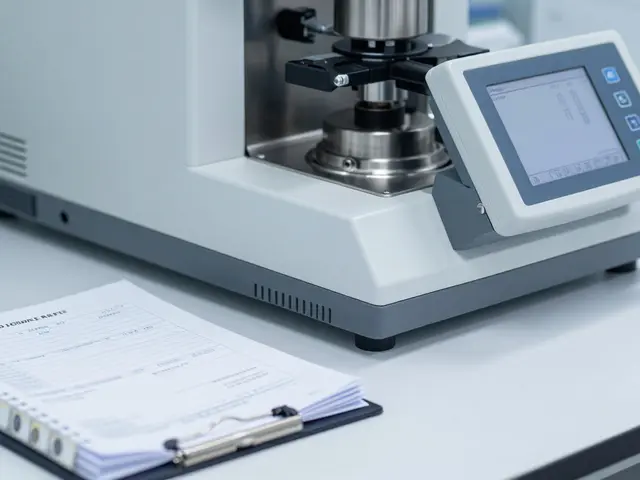
Ever wondered if you could take your lab skills and apply them to a global stage, perhaps investigating human rights violations or working with an international tribunal? The reality is that international forensic careers aren't just for movie characters; they are a legitimate, growing professional path. Whether you're a chemistry whiz or a digital sleuth, the ability to move your career across borders depends on a specific blend of credentials, language skills, and a willingness to work in some of the most volatile environments on earth.
Quick Guide to Global Forensic Mobility
- Core Credentials: A degree in natural sciences is the baseline; advanced degrees in forensic medicine are often required for high-level international roles.
- Key Certifications: Look into the American Board of Criminalistics or IAI certifications to boost your resume.
- Language Requirements: English and French are the primary languages for organizations like the ICC, with Spanish, Arabic, and Russian adding significant value.
- Mobility Factor: Be prepared for field deployments in diverse climates and stressful, high-stakes operational zones.
- Salary Outlook: International roles can be highly lucrative, with some P-3 level positions starting around €90,000 net annually.
The Educational Foundation and Credentials
If you're just starting out, you need a solid anchor in the natural sciences. For most Forensic Science Technicians, a university degree in chemistry, biology, or physics is the standard entry point. However, moving into the international arena usually requires a step up.
For those eyeing roles at the International Criminal Court (ICC), the bar is higher. An advanced university degree in forensic medicine is usually the gold standard. If you only have a first-level degree, you can often bridge the gap with a few extra years of specialized experience. For example, a Forensic Officer at the P-3 grade typically needs five years of relevant work experience, but that jumps to seven years if you don't have that master's degree.
Career growth isn't just about the degree, though. Moving from a junior role to a Senior Criminalist requires a proven track record. This usually means at least two years of direct experience as a criminalist, or a combination of four years in a biological lab as a biochemist plus a few years of forensic-specific research. Senior roles aren't just about doing more tests; they're about supervising teams and developing the training protocols that the next generation of analysts will use.
Specializations That Open Global Doors
Not all forensic paths are created equal when it comes to mobility. Some niches are in much higher demand globally than others. If you want to be a high-value asset, consider these specializations:
- DNA Analysis: This is a heavy-hitter. To be competitive, you need years of experience in a forensic lab, specifically with STR DNA profiles and probabilistic genotyping software. You'll need to be an expert in identifying bloodstains and body fluids under a microscope.
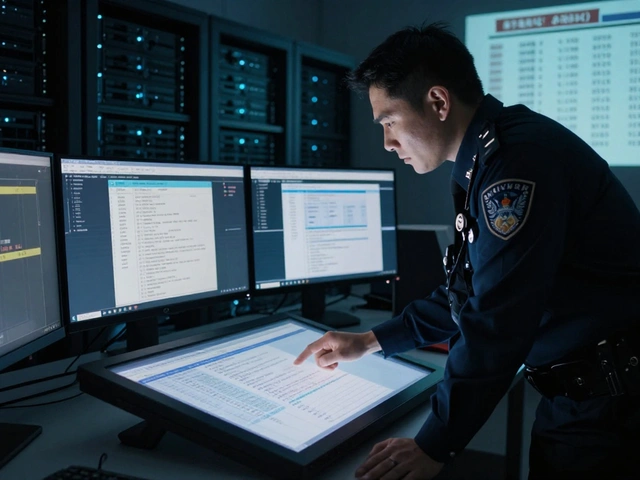
- Digital Forensics: As crime migrates to the cloud, the demand for people who can track digital evidence is skyrocketing. If you can navigate encrypted drives and recover deleted data, you're a prime candidate for international investigative units.
- Forensic Medicine: Specialists who can document torture-related abuse or handle gender-based violence cases are critically needed in humanitarian missions. This requires a deep understanding of clinical forensic medicine.
| Role | Minimum Education | Key Experience/Certs | Primary Work Environment |
|---|---|---|---|
| Forensic Technician | Bachelors (Science) | Lab experience | Public/Private Labs |
| ICC Forensic Officer (P-3) | Advanced Degree | 5-7 years in forensic medicine | International Tribunals / Field |
| Senior Criminalist | Bachelors/Masters | 2-4 years specialized lab work | Supervisory/Lab Management |
| Forensic Engineer | Engineering Degree | Professional Engineering License | Consultancy/Field Sites |

Navigating Geographic and Organizational Mobility
Working internationally is rarely as simple as applying for a job and moving. It involves "mobility," which is a mix of legal permissions, organizational agreements, and physical stamina. Many international bodies use systems like the Inter-Organization Mobility Accord, which makes it easier for staff to move between different United Nations agencies.
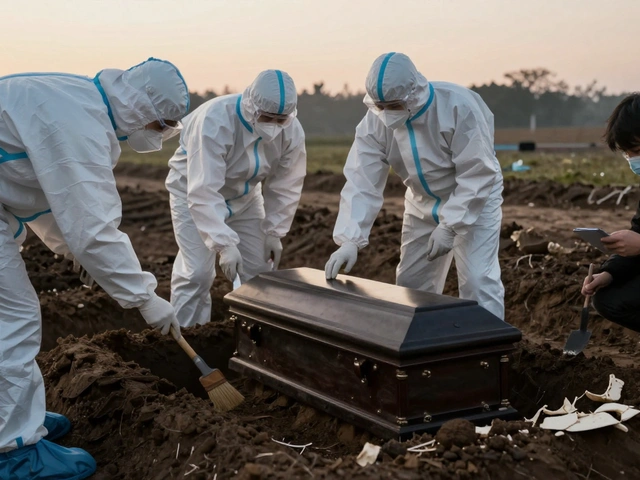
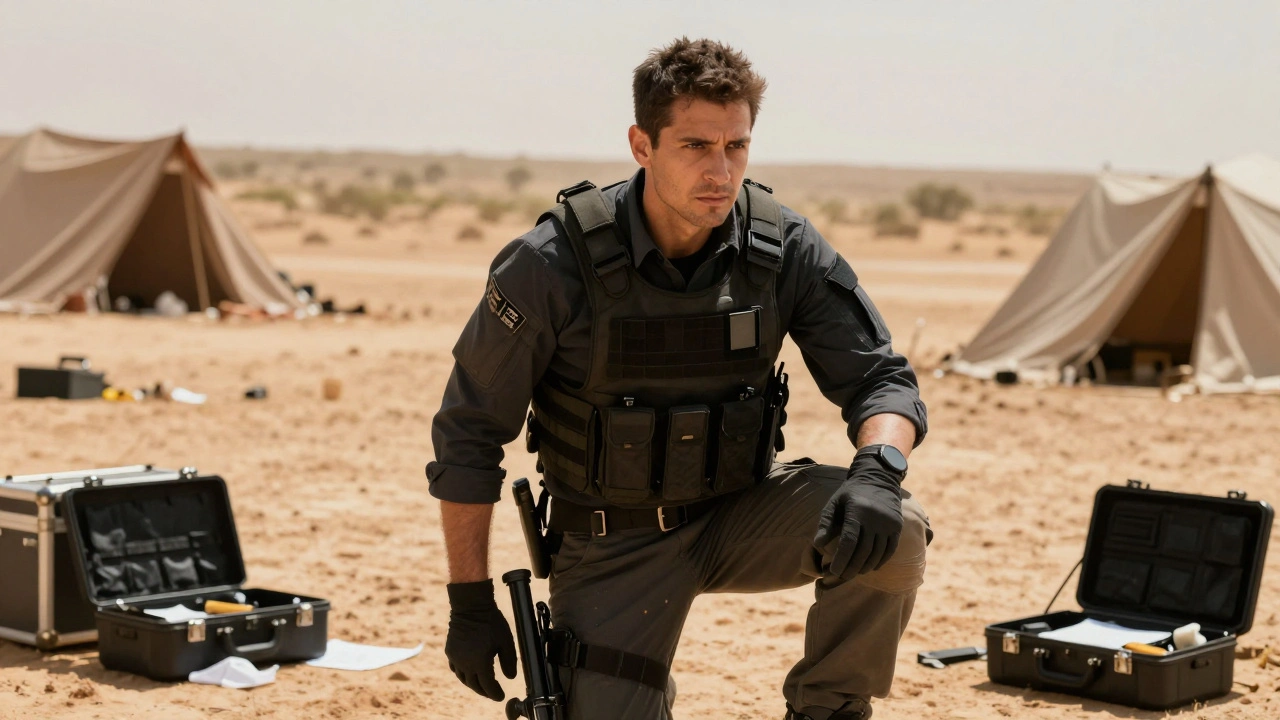
You also have to consider the "where." International forensic work isn't always in a pristine lab in The Hague. You might find yourself deployed to a volatile region with limited infrastructure, working under extreme heat or cold. This is why recruiters look for "physical capability" and a documented ability to work in non-discriminatory manners with a high respect for diversity. If you can't handle a high-stress environment or a 12-hour shift in a makeshift morgue, the international path might be a struggle.
There's also the matter of security. Depending on the role, especially those involving sensitive governmental investigations, you might need a DoD Secret security clearance and U.S. citizenship. Always check the clearance requirements before spending months on an application.
The Role of Professional Associations
How do you prove your credentials are valid in another country? That's where professional bodies come in. Joining the International Association for Identification (IAI) is a smart move. These organizations act as a bridge, providing a platform for credential recognition and continuing education that is respected across different jurisdictions.
Similarly, pursuing a certification from the American Board of Criminalistics can make your resume stand out. When a lab director in Europe or Asia sees a recognized certification, it reduces the perceived risk of hiring someone from a different educational system. It proves you adhere to international quality and accreditation standards.
Money, Market Trends, and the Future
Let's talk numbers. The pay varies wildly depending on whether you are in the public or private sector. In the U.S., a forensic review analyst might make around $40,000 to $45,000, while a senior analyst with a few years of experience can command $125,000 to $150,000.
International roles often offer a different compensation structure. A P-3 Forensic Officer at the ICC can see a minimum net annual salary of €90,628.00. However, keep in mind that some of these roles are fixed-term. If you reach a P-5 grade or a Director level, there's often a cap on your total length of service-usually around seven years-meaning you'll need to plan your long-term career trajectory carefully.
The outlook for the next decade is positive. The U.S. Bureau of Labor Statistics expects about 2,600 new forensic technician roles by 2034. On a global scale, the demand is even more diverse. As more countries adopt standardized laboratory quality assurance, the ability to move between national and international sectors becomes much easier. The field is moving away from "gut feeling" and toward rigorous, data-driven science that can hold up in any court in the world.
Do I need to be fluent in multiple languages to work in international forensics?
While not always mandatory for every single role, fluency in English or French is usually essential for major international organizations like the ICC. Having a working knowledge of the other is highly desirable. If you speak Arabic, Chinese, Russian, or Spanish, you have a massive competitive advantage in the global job market.
Can I work internationally with just a Bachelor's degree?
Yes, but your options may be more limited to entry-level technician roles. For specialized officer positions in international courts, a Bachelor's can work, but you'll typically need significantly more years of relevant work experience (often 7 years instead of 5) to compensate for the lack of a Master's or PhD.
What is the most in-demand forensic specialty right now?
Digital forensics and DNA analysis are currently the highest-demand areas. Because crime is increasingly digital, the ability to analyze multimedia evidence is critical. Similarly, the precision of STR DNA profiling makes it an essential tool for international justice mechanisms.
How do international forensic salaries compare to domestic ones?
International roles at organizations like the ICC often provide very competitive net salaries (e.g., €90,000+ for P-3 roles), which can be higher than entry-level domestic roles. However, domestic senior analysts in the U.S. can also earn very high salaries, ranging from $125,000 to $150,000 depending on experience.
What are the physical requirements for international forensic field work?
You must be capable of deploying globally to various climates and geographic regions. This includes the ability to work in volatile or unstable environments and handle stressful conditions without compromising your professional integrity or the quality of the evidence.
Next Steps for Aspiring International Professionals
If you're looking to make the jump, start by auditing your current skill set. Are you a generalist? If so, pick a specialty like digital evidence or DNA analysis. If you're already specialized, focus on the "soft" side of international mobility: start learning a second official UN language and join a professional association like the IAI.
For those already in the field, look into the secondment opportunities within the United Nations Common System. This can be a great way to test the waters of international work without permanently leaving your home organization. Finally, keep a close eye on the 2026 recruitment cycles for international tribunals, as these often have very specific windows for application.