Starting a career in forensic science doesn’t begin with a lab coat or a microscope-it starts with an internship. In 2026, the field is more competitive than ever, but also more accessible than in past decades. Whether you’re a sophomore in biology or a grad student in chemistry, there’s a forensic internship out there that matches your level, your interests, and even your budget. The key? Knowing where to look, what to expect, and how to stand out.
What Exactly Do Forensic Internships Do?
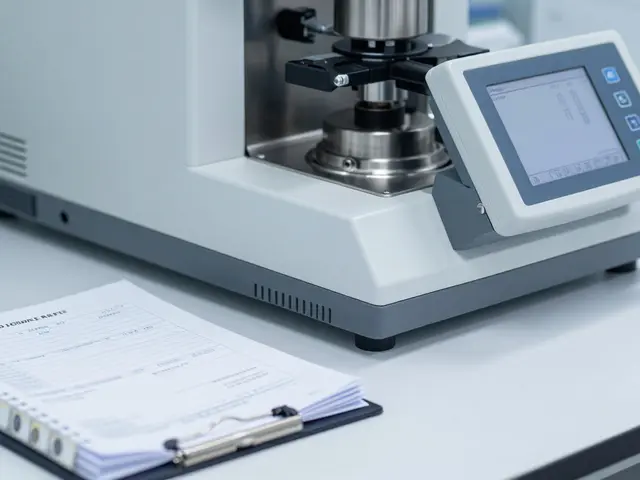
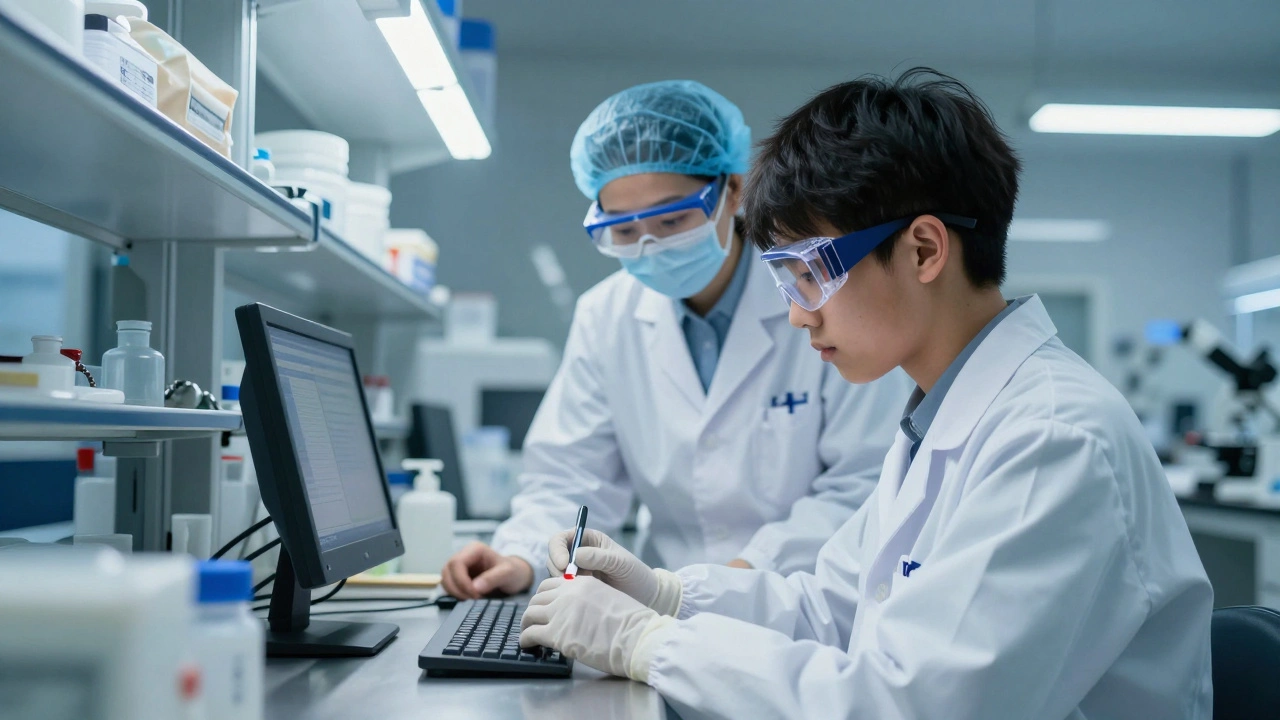
Forensic internships aren’t just resume boosters. They’re hands-on training grounds where you learn how real evidence is processed-before it ever hits a courtroom. You won’t be solving crimes like on TV. Instead, you’ll be logging samples, documenting chain-of-custody forms, running DNA extractions, or analyzing blood alcohol levels under the supervision of certified forensic scientists.Some internships focus on administrative tasks: organizing files, helping with lab reports, or assisting with policy updates. Others put you right at the bench: processing mock crime scene samples, validating new testing protocols, or even assisting in postmortem toxicology. The type of work you do depends entirely on the agency and your academic track.
Where to Find Forensic Internships in 2026
The best opportunities come from three main sources: government crime labs, university-affiliated research centers, and federal agencies. Here’s where the most active programs are right now.- Department of Forensic Sciences (Washington, D.C.) - Offers three tracks: programmatic (for undergrads), research (for grad students), and STEM (for top-tier candidates). No pay, but you’ll work alongside scientists who testify in federal cases.
- Center for Forensic Science Research & Education (CFSRE), Pennsylvania - This is the most intensive option. You’ll train in real forensic biology and toxicology using mock homicide and sexual assault cases. It costs $6,000 total ($3,000 bench fee + $3,000 deposit), but it’s one of the few programs that guarantees you’ll leave with lab-ready skills.
- New York State Police (NYSP-FLIP) - A well-structured, in-person program based in Albany. You’ll help with drug analysis, database work, and method validation. No fee, no pay, but the name on your resume opens doors.
- Orange County Sheriff-Coroner (California) - One of the few programs that lets you work directly with blood and alcohol samples. Requires 20+ hours a week and a strong biochemistry background.
- Harris County Institute of Forensic Sciences (Texas) - If you’re into photography, this is your niche. You’ll document autopsies, crime scenes, and evidence under real medical examiner conditions.
- Federal Agencies - The DEA, ICE, and U.S. Customs and Border Protection all offer internships in digital forensics, drug analysis, and evidence processing. These often require security clearances and background checks.
Who Can Apply? The Real Requirements
Forget the idea that you need to be a senior. Some programs accept students after their sophomore year. Others only take grad students. Here’s what most agencies look for:- Academic Standing - Most require at least a 3.0 GPA. The more competitive ones (like DFS Track 3) want 3.5 or higher.
- Relevant Coursework - You don’t need a forensic science major. Biology, chemistry, biochemistry, and even IT (for digital forensics) will work. Just make sure you’ve taken at least one lab-based class.
- Time Commitment - Summer internships are full-time (40 hours/week) and last 10-12 weeks. Academic-year internships usually run 10-20 hours per week over a semester.
- Age and Background - You must be at least 18. Many agencies require a background check. Some, like the Franklin County Coroner in Ohio, require you to pass a full investigation before you even step into the lab.
Pay or No Pay? The Financial Reality
Let’s be clear: most forensic internships are unpaid. Government labs like Maryland State Police, Indiana State Police, and Hennepin County don’t offer stipends. You’re there for experience.Then there’s the CFSRE model: you pay to play. The $6,000 fee covers intensive training, mentorship, resume coaching, and access to real-case simulations. It’s expensive-but for students who can’t afford to live in D.C. or New York on a stipend, it’s a shortcut to industry-level skills.
Some federal internships offer housing or travel stipends. Others don’t. Always ask: “Is there any financial support?” before you commit. Don’t assume.
When to Apply? Deadlines You Can’t Miss
Forensic internships don’t follow the same calendar as corporate jobs. They run on seasonal cycles tied to lab funding and case loads.Department of Forensic Sciences (D.C.):
- Winter/Spring 2026: Applications closed November 7, 2025
- Summer 2026: Applications open January 12-March 6, 2026
- Fall 2026: Applications open May 4-July 10, 2026
CFSRE (Pennsylvania):
- Applications open December 2025
- Accepted students must pay a $1,500 deposit within three weeks
- Final balance due by April 30, 2026
New York State Police:
- Typically opens applications in February for summer slots
- Interviews happen in March
Mark your calendar. These deadlines are strict. Missing one means waiting six months.
How to Get Selected
You’re not just applying for a job-you’re applying to work with people who handle evidence from homicides, fires, and mass disasters. They want someone reliable, detail-oriented, and calm under pressure.Here’s what gets you noticed:
- Transcripts matter - Even unofficial ones. If your GPA is below 3.0, don’t apply to top-tier programs.
- Resume isn’t enough - Highlight lab experience, even if it was in a college class. Did you run gel electrophoresis? Document it.
- Letters of recommendation - Get one from a professor who taught you in a lab. Not from your RA. Not from your boss at Starbucks.
- Interviews are real - CFSRE and DFS both require video interviews. Practice explaining why you want to work in forensics-not because it’s “cool,” but because you care about justice through science.
And don’t forget: networking works. Reach out to alumni from your school who work in crime labs. Ask for advice. Most will respond.
What Happens After the Internship?
Many interns don’t get hired right away. But they do get:- References from certified forensic scientists
- Real examples of work they’ve done (yes, you can ask for a letter of completion)
- Connections to people who hire
- Clarity on what kind of forensic work you actually like
Some programs, like NYSP-FLIP, have direct pipelines to full-time roles. Others? You’ll need to apply again next year. But now you’ll know what to say in your cover letter.
What’s Changing in 2026?
The field is shifting. More labs are using AI to analyze digital evidence. More internships now include training in data forensics, social media analysis, and cybercrime reconstruction. If you’re only focused on DNA or toxicology, you’re missing half the picture.Also, fee-based programs like CFSRE are becoming more common. They’re not going away. They’re filling a gap: universities aren’t teaching hands-on forensic skills, and public labs can’t afford to train students. So private centers stepped in.
If you can afford it, these programs give you a leg up. If you can’t, stick with government labs. They’re still the gold standard.
Final Advice: Don’t Wait for Perfect
You don’t need a 4.0 GPA. You don’t need to have taken every forensic class. You just need to show up, be curious, and follow through.Apply to two or three programs-even if you think you’re not qualified. The worst that happens? You get a rejection email. The best? You’re in a lab, holding a swab from a real evidence bag, learning how science helps solve crimes.
Start now. The next application window closes in March 2026.