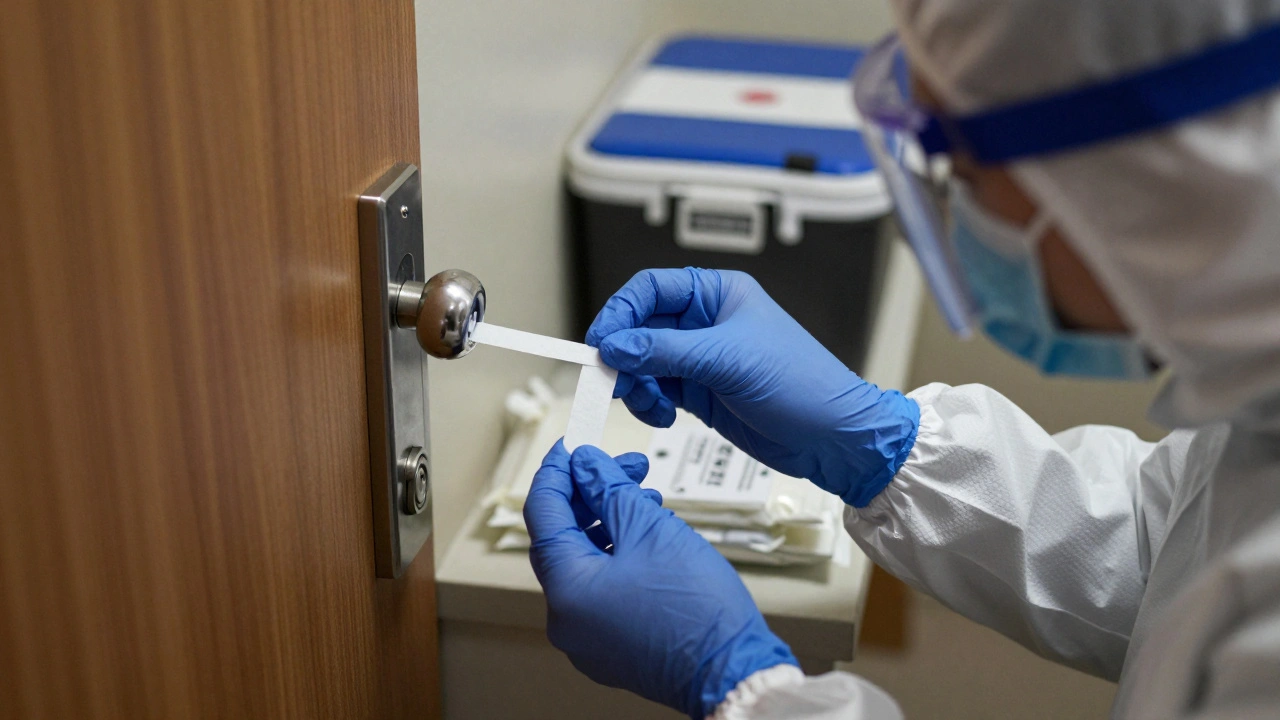
When a crime scene investigator collects a swab from a doorknob or a bloodstain from a shirt, they’re not just gathering evidence-they’re starting a clock. The question everyone asks is: how long does DNA testing take? The answer isn’t simple. It can be as fast as three days or stretch out over six weeks, depending on what’s being tested, who’s doing it, and how urgent it is.
What Happens After the Sample Is Collected?
The journey from a hair strand or a drop of blood to a court-ready DNA profile isn’t one step. It’s a chain of seven stages, each adding time, checks, and sometimes delays. Most people think labs get the sample and spit out a result. But that’s not how it works.Stage one is sample collection. This happens at the scene, in a hospital, or at a clinic. The sample-whether it’s saliva, blood, or skin cells-is labeled, sealed, and shipped in a temperature-controlled container (usually 2-8°C). If the sample isn’t labeled right or gets too hot during transport, it might be rejected. That means another swab, another wait.
Stage two is laboratory receipt and accessioning. This is where the sample officially enters the system. Lab techs log it in, verify the label matches the request, check the volume, and decide if it’s routine or urgent. Some labs, like those handling forensic cases, batch samples. They might wait until they have 20 samples before running them together. If your sample arrives on a Thursday and the lab only processes batches on Mondays, you’re already waiting three extra days.
Extracting DNA: The First Real Test
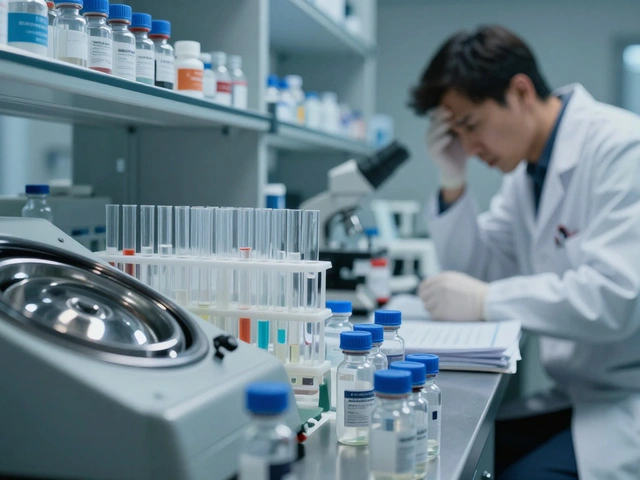
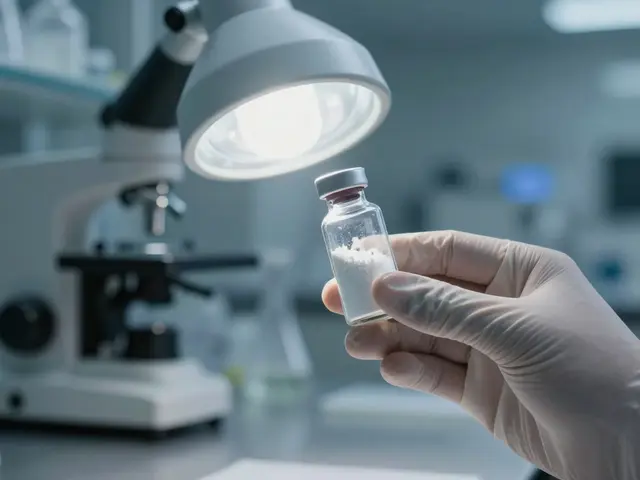
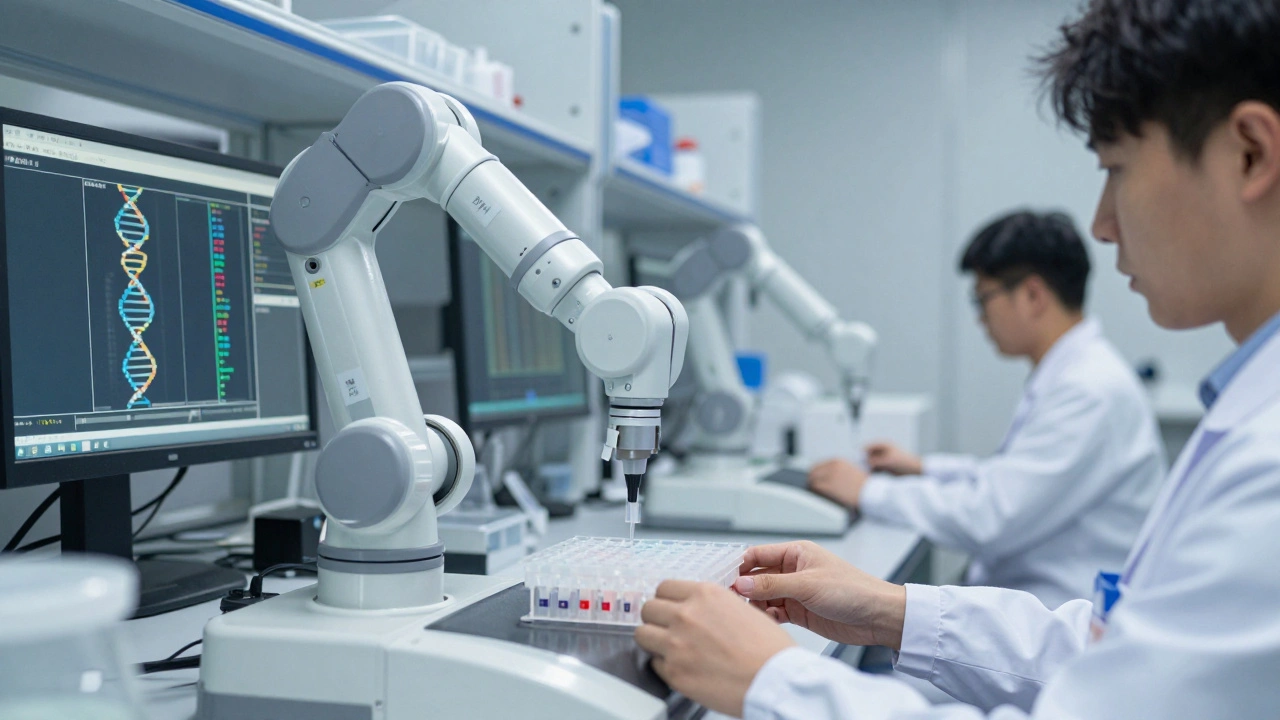
Stage three is DNA extraction. This is where the lab isolates genetic material from the rest of the sample. For blood or saliva, automated robots do this quickly. But for forensic samples-like a cigarette butt or a glove-things get messy. Labs use methods like Chelex extraction (a resin that grabs impurities), phenol-chloroform (a chemical cocktail that separates DNA from proteins), or solid-phase extraction (where DNA sticks to a tiny bead). Each method takes time. And if the sample is old, degraded, or mixed with dirt, they might have to try multiple times. One failed extraction can add 2-3 days.Once extracted, the DNA is measured. How much is there? If there’s too little, they can’t proceed. That’s why forensic labs often use PCR-polymerase chain reaction-to copy the DNA millions of times. Think of it like photocopying a single page until you have a stack 3 feet tall. This step alone can take 6-12 hours.
Testing and Analysis: Where the Real Work Begins
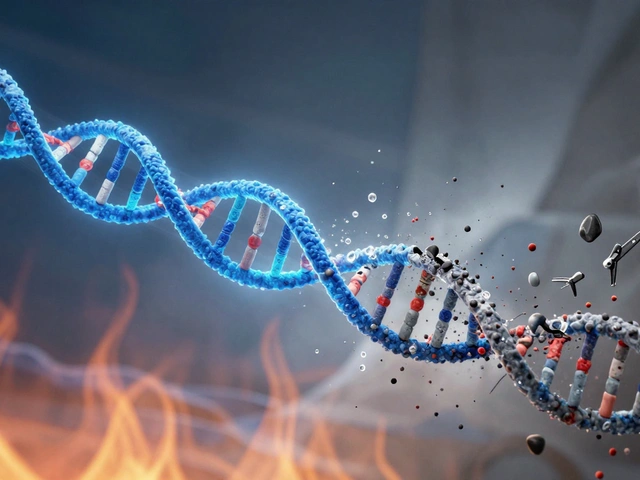
Stage four is where the actual DNA profile is built. Most forensic labs look at 20-25 specific markers, called STRs (short tandem repeats). These are regions where people differ in how many times a DNA sequence repeats. One person might have 12 repeats; another might have 18. That difference is what makes a DNA profile unique.The lab uses capillary electrophoresis to separate these fragments by size. It’s like running a race where each DNA fragment is a runner, and the machine sorts them by how fast they cross the finish line. This step takes 4-8 hours per sample. But labs don’t run one at a time. They batch them. If there are 50 samples waiting, you’re looking at 2-3 days just for processing.
For complex cases-like a mixed sample from multiple people or a degraded sample from a crime scene-the lab may need to do additional testing. That could mean using different chemical treatments, running the sample twice, or even sending it to a specialist lab. Each extra step adds time.
Interpretation: It’s Not Just Data-It’s Judgment
Stage five is analysis and interpretation. This is where the raw data turns into meaning. The machine spits out a graph of peaks. A technician looks at it and says: “This is a match.” But it’s not that simple.What if the sample has DNA from two people? How do you tell whose is whose? What if one person’s DNA is faint, buried under another’s? That’s called “stutter” or “dropout.” Experienced analysts spend hours comparing profiles, checking for contamination, ruling out lab errors, and documenting every decision.
And then there’s the reference sample. If you’re comparing a suspect’s DNA to evidence, you need their sample. If they haven’t been arrested yet? You’re waiting for a warrant. If the suspect is in another state? You’re waiting for a transfer. This part isn’t lab time-it’s legal time. And it can drag out for weeks.
Why Some Results Come Faster Than Others
Not all DNA tests are created equal. Here’s what you can realistically expect:- Simple STR profiling (forensic): 7-14 days from sample receipt. This is the standard for most criminal cases.
- Expedited forensic cases (homicide, sexual assault): 3-7 days. Labs prioritize these when there’s public safety at stake.
- Touch DNA (skin cells from a surface): 10-21 days. These samples often have very little DNA, so they need extra processing.
- Mixed samples (multiple contributors): 14-30 days. Requires advanced software and manual review.
- Deoxyribonucleic acid from degraded samples (old evidence): 21-45 days. May require multiple extraction attempts and specialized protocols.
Some labs offer “rapid DNA” machines-portable devices that can generate a profile in under 2 hours. But these are only used in police stations for booking suspects. They can’t handle complex or mixed samples. They’re useful for quick identification, not for court evidence.
What Slows Things Down?
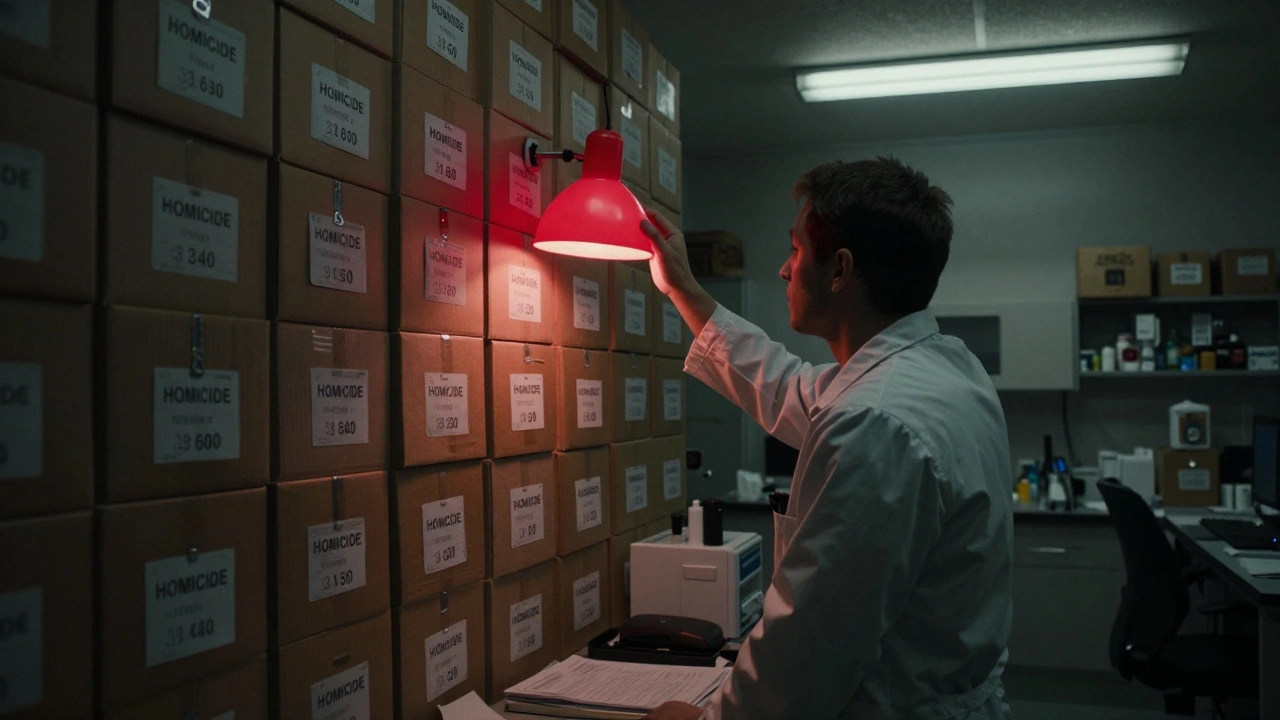
Backlogs are the biggest enemy. Many forensic labs are understaffed and underfunded. In 2025, the average backlog in U.S. state labs was over 12,000 unprocessed samples. That’s not a typo. Twelve thousand. If your case is low priority-say, a property crime with no suspect-you could wait 6-8 weeks.Quality control adds time too. Every step is double-checked. A single mismatch in a label can send a sample back to the start. And if a result is challenged in court, the lab might have to retest it. That’s not unusual. Defense attorneys often request independent analysis.
Then there’s the issue of secondary transfer. If someone touches a door handle, and someone else touches the same handle minutes later, their DNA can end up on the object-even if they never touched the original item. That’s not a mistake. It’s science. But it means analysts have to be extra careful about what they claim. And that caution takes time.
How This Affects Real Cases
In a murder investigation, a 7-day turnaround can mean catching a suspect before they leave the state. A 6-week delay? The trail goes cold.In sexual assault cases, victims often wait weeks for results. That’s not just frustrating-it’s retraumatizing. Some jurisdictions now prioritize rape kits, running them within 30 days. But not all do. In rural areas, kits can sit in evidence lockers for over a year.
For cold cases, DNA can sit in storage for decades. Advances in technology mean today’s lab can analyze a sample that was collected in 1995. But that requires re-extracting, re-testing, and re-interpreting. It’s not magic. It’s painstaking work.
What You Can Do to Speed Things Up
If you’re involved in a case-whether you’re law enforcement, a lawyer, or a victim-here’s what matters:- Make sure samples are labeled correctly. No abbreviations. No handwritten notes.
- Ship samples cold. Use insulated packaging with ice packs.
- Mark cases as “urgent” if they involve violence, children, or imminent threats.
- Provide reference samples early. Don’t wait for an arrest.
- Ask if the lab offers rapid processing. Some do-for a fee.
Forensic DNA testing isn’t like ordering a home DNA kit. There’s no overnight delivery. It’s a slow, meticulous process built on science, procedure, and sometimes, patience.
How long does it take to get DNA results from a crime scene?
Standard forensic DNA testing takes 7 to 14 days from the time the lab receives the sample. Urgent cases-like homicides or sexual assaults-can be processed in 3 to 7 days. But if the sample is small, degraded, or mixed with others, it can take 21 days or more. Backlogs in some labs can extend wait times to 6 weeks or longer.
Can DNA testing be done in less than 24 hours?
Only in very limited cases. Rapid DNA machines can generate a profile from a cheek swab in under 2 hours, but they’re only approved for use in police stations to identify suspects during booking. They can’t handle complex evidence like bloodstains, hair, or mixed samples. For forensic evidence submitted to a lab, 24-hour results are not possible with current standards.
Why do some DNA tests take longer than others?
It depends on the type of sample and the test. A simple blood sample from a suspect with a known profile takes less time than a touch DNA sample from a sweaty glove. Mixed samples, degraded evidence, or samples with very low DNA quantity require extra steps: multiple extractions, specialized amplification, and manual interpretation. These steps add days-or weeks.
Do private labs process forensic DNA faster than public ones?
Sometimes, but not always. Private labs may have fewer backlogs and faster equipment, but they’re not always certified for court use. Public forensic labs follow strict standards (like ISO 17025) to ensure evidence holds up in court. That means more checks, more documentation, and sometimes more time. Private labs can be faster for routine cases-but not for complex or legally challenged evidence.
What happens if a DNA sample is contaminated?
If contamination is detected, the sample is discarded and must be recollected. Contamination can come from the collector, the environment, or even lab personnel. Labs have strict protocols to prevent this-gloves, masks, clean rooms, and separate areas for different sample types. But if contamination is found after testing, the result is invalidated. That means restarting the entire process, which can add 2-3 weeks.