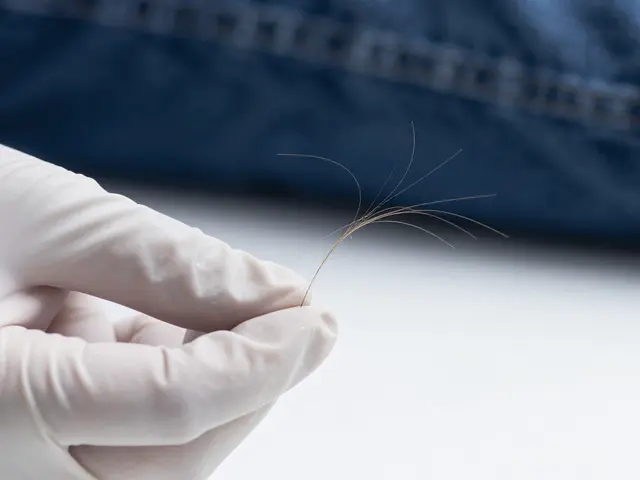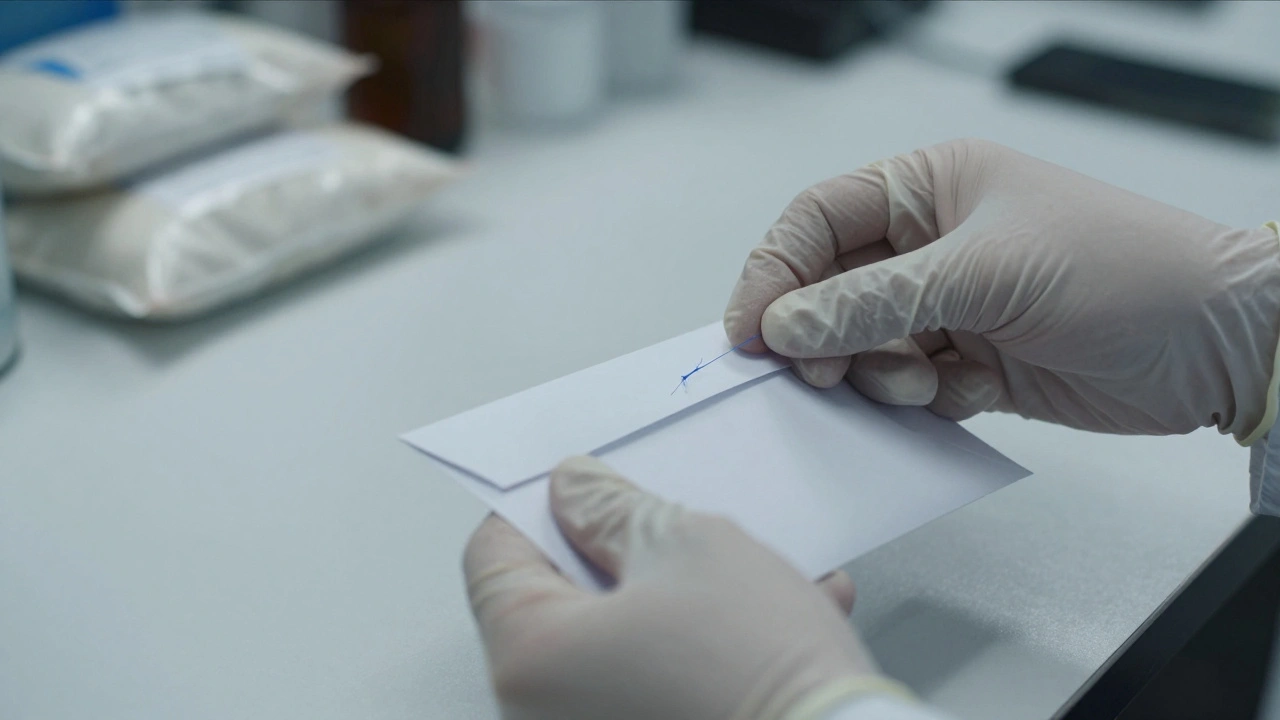
Imagine you just found a single fiber on a suspect’s jacket. It’s the only link connecting them to the victim. You bag it up, seal it tight, and send it off. But what if that bag leaks? What if another item in the evidence locker contaminates it during transport? Suddenly, your golden ticket is worthless. This isn’t just a hypothetical nightmare; it’s exactly why double-wrapping evidence is a critical forensic procedure where small or delicate items are placed in two layers of protective packaging to prevent contamination, loss, or degradation.
In the high-stakes world of criminal justice, how you handle evidence matters just as much as what you find. Courts have become increasingly strict about admissibility, often dismissing solid leads because they were packaged incorrectly. Double-wrapping isn’t just bureaucracy-it’s the difference between a conviction and an acquittal. Let’s break down when you absolutely must use this method, why it works, and how to do it right without wasting time.
Why Double-Wrapping Is Non-Negotiable for Trace Evidence
The primary reason we double-wrap is simple: protection. Specifically, protection against cross-contamination and physical loss. According to guidelines from the Wisconsin State Crime Laboratory (WSCL), which updated its submission standards effective November 1, 2024, all trace evidence submissions must be double-packaged to "prevent loss of evidence." This isn't unique to Wisconsin; it’s a standard across all 50 U.S. states and most common law jurisdictions.
Trace evidence includes things like hairs, fibers, paint chips, glass fragments, and soil particles. These items are tiny, easily overlooked, and incredibly fragile. If you place a loose hair in a single envelope, it can easily slip through microscopic tears or get blown out if the seal fails. Worse, if that envelope touches other evidence-say, a weapon with gunshot residue-you’ve just contaminated both items. The National Institute of Standards and Technology (NIST) found in a 2021 study that single-layer packaging results in 37% higher contamination rates compared to double-wrapping. That’s a massive risk for something so easy to mitigate.
Consider the California v. Martinez case from 2019. Prosecutors had strong witness testimony, but their key physical evidence-trace fibers linking the defendant to the crime scene-was dismissed. Why? Because the defense proved the fibers were collected in single-layer packaging that allowed potential cross-contamination during transport. The judge ruled the evidence inadmissible. One small mistake in packaging cost the state a major victory. Double-wrapping creates a buffer zone. Even if the outer layer gets damaged or dirty, the inner layer remains pristine.
When to Use Double-Wrapping: A Practical Guide
You don’t need to double-wrap everything. A large firearm doesn’t need two boxes. However, specific categories of evidence demand this extra step. Here is when you should always reach for that second container:
- Trace Evidence: Hairs, fibers, lint, dust, and small particles. These are the most vulnerable to loss. As Universal Class notes, "Small items of trace evidence should always be double-wrapped or packaged."
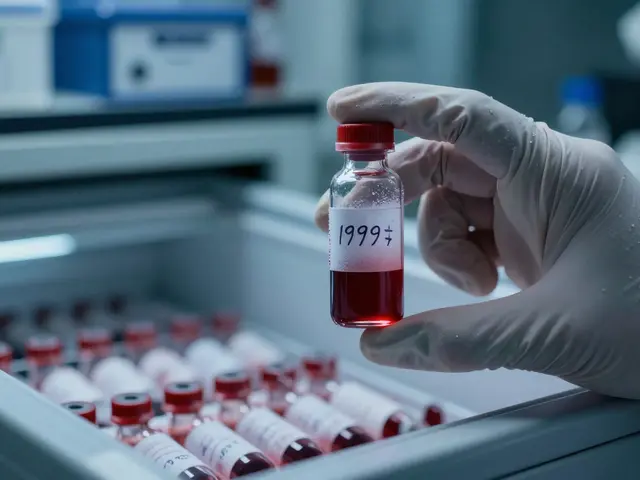
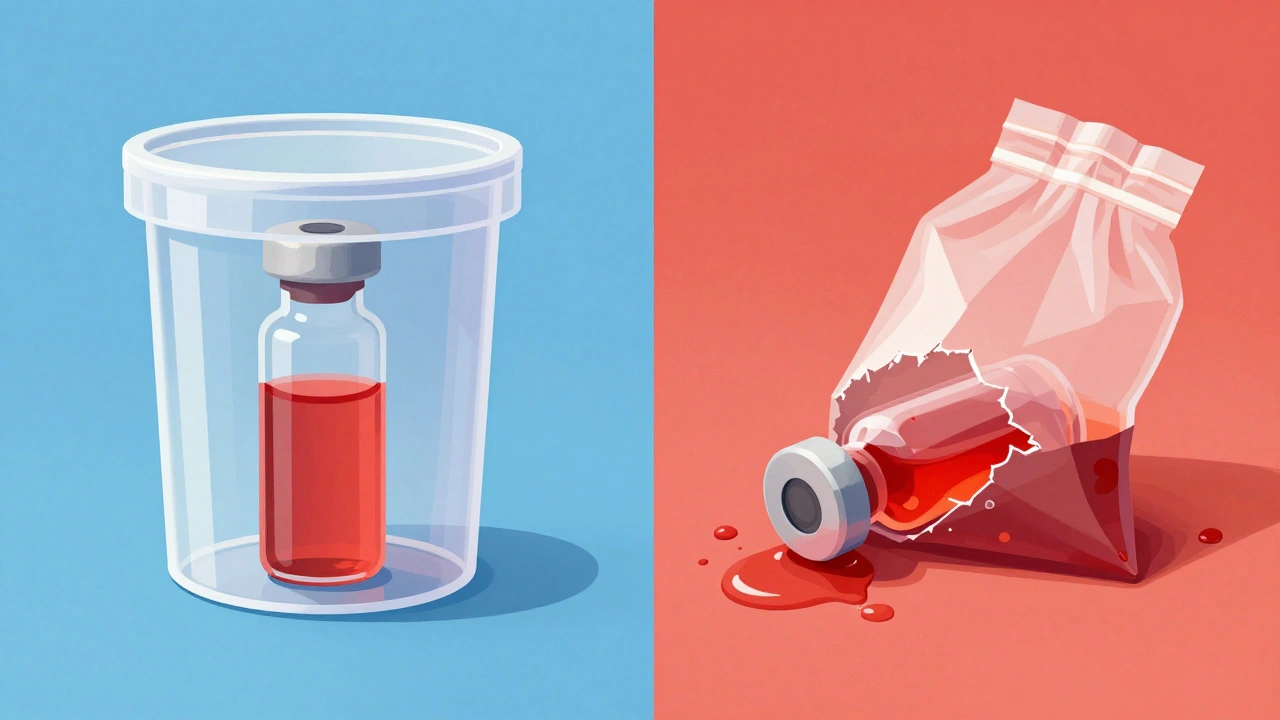
- Liquid Evidence: Blood, urine, alcohol samples, or unknown liquids. Liquids leak. If a vial breaks inside an evidence bag, it ruins everything else in the box. The WSCL mandates that liquids be placed in a primary container (like a glass vial) and then placed inside a secondary container (like a paint can or sturdy plastic tub).
- Biological Samples: Tissue swabs, bloodstained fabrics, or bodily fluids. These require careful handling to preserve DNA integrity. While large bloodstained items might just need thick paper wrapping, smaller biological samples benefit from double containment to protect against moisture and environmental factors.
- Fragile Items: Glass shards, broken electronics components, or delicate tools. The secondary layer provides cushioning and structural support during transport.
If you’re unsure, err on the side of caution. The cost of an extra envelope is negligible compared to the cost of lost evidence.
How to Double-Wrap Correctly: Step-by-Step
Doing it wrong is worse than not doing it at all. Improper sealing or using the wrong materials can compromise the entire process. Here is the standard protocol used by professional crime scene investigators:
- Select the Primary Container: For dry trace evidence, use a clean, sealed paper envelope or a "druggist fold" made from plain paper. Never use plastic bags for biological evidence, as they trap moisture and promote mold growth, which degrades DNA. For liquids, use a leak-proof glass vial or jar.
- Seal the Primary Layer: Ensure the first container is completely sealed. Use tamper-evident tape if available. Sign across the seal with a pen to create a unique identifier.
- Select the Secondary Container: Choose a larger, sturdy container. For envelopes, this might be a larger manila folder or a rigid cardboard box. For liquid vials, use a hard-sided plastic case or a metal paint can.
- Place and Label: Put the primary container inside the secondary one. Now, label the outer container with all necessary details: case number, date, collector’s name, description of contents, and location found. Do not rely on the inner label alone; it might not be visible during inventory checks.
- Final Seal: Seal the secondary container and sign across the seal again. This maintains the chain of custody.
A critical rule to remember: never use newspaper to wrap evidence. The ink contains chemicals that can contaminate DNA or interfere with chemical tests. Always use plain, unprinted paper.
The Risks of Skipping or Rushing the Process
We know double-wrapping takes time. FBI Evidence Response Team metrics from 2023 show it requires about 22% more time per evidence item than single-layer packaging. In a busy crime scene, that extra minute per item adds up. But cutting corners has serious consequences.
The Texas Forensic Science Commission reported in 2020 that 14% of double-wrapped evidence became compromised due to human error-specifically, inadequate sealing of the primary container or choosing the wrong secondary material. Dr. John Murdock, former FBI Laboratory Director, warned that "over-reliance on double-wrapping without proper training creates false security." If you double-wrap but forget to seal the inner envelope, you haven’t solved anything. You’ve just added bulk.
Furthermore, improper drying of wet evidence before packaging causes 28% of biological evidence degradation, according to NIST data. If you double-wrap a wet shirt without letting it air-dry first, you’re baking bacteria into the fabric. The packaging protects against external contaminants, but it can’t save evidence from internal decay caused by poor pre-processing.
Comparison: Double-Wrapping vs. Alternatives
Is there a better way? Some labs experiment with vacuum sealing or smart packaging. Here is how they stack up against traditional double-wrapping:
| Method | Cost Per Item | Contamination Risk | Best For | Limitations |
|---|---|---|---|---|
| Single-Layer Bagging | $0.15 | High (12.4%) | Large, non-porous items (firearms) | Not suitable for trace/biological evidence |
| Double-Wrapping | $0.87 | Low (3.1%) | Trace evidence, liquids, biologicals | Takes 22% more time; requires training |
| Vacuum Sealing | $3.25 | Very Low | Long-term storage of sensitive documents | Expensive; can crush fragile items; less effective for volatile compounds |
As you can see, double-wrapping offers the best balance of cost, effectiveness, and versatility. Vacuum sealing is great for archives but impractical for field work. Single-layer bagging is too risky for anything small or sensitive.
Future Trends: Smart Packaging and RFID
The basics of double-wrapping aren’t going away, but technology is enhancing it. The WSCL now requires RFID tagging on secondary containers for trace evidence. By December 2026, 92% of state crime labs are expected to implement similar tracking systems. This allows real-time monitoring of where evidence is located, reducing the chance of mix-ups.
The National Institute of Justice predicts "smart packaging" will integrate moisture sensors within the next five years. Imagine a double-wrapped container that alerts you if the humidity inside rises too high, threatening DNA integrity. This doesn’t replace the need for double-wrapping; it makes it smarter. Dr. Max Houck, a leading forensic expert, cautions that technology should support, not replace, fundamental practices. "Careful double-container packaging" remains the gold standard because it’s simple, cheap, and proven.
Common Mistakes to Avoid
Even experienced technicians make errors. Here are the top pitfalls identified by the FBI’s Evidence Response Team Handbook:
- Inadequate Sealing: 43% of packaging failures stem from poorly sealed primary containers. Always sign across the tape.
- Wrong Material Choice: Using plastic for biological evidence or newspaper for any evidence. Stick to ASTM E1492-20 compliant materials.
- Mixing Evidence Types: Never put two different pieces of evidence in the same primary container. Each item needs its own isolation.
- Poor Labeling: 18% of issues arise from insufficient labeling on the outer container. Make sure the case number and description are clear and legible.
Training is key. The National Forensic Science Training Committee recommends 16 hours of classroom instruction plus 40 supervised field hours to master these protocols. It’s worth the investment.
Conclusion
Double-wrapping evidence is more than just a checklist item. It’s a safeguard against the unpredictable nature of crime scenes and courtrooms. By adding a second layer of protection, you ensure that the evidence you collect stays pure, intact, and admissible. Whether you’re dealing with a single hair fiber or a vial of blood, taking the extra time to package correctly can mean the difference between justice served and justice denied. Don’t let sloppy packaging undo your hard work.
What is the main purpose of double-wrapping evidence?
The main purpose is to prevent contamination, loss, or degradation of small or delicate evidentiary items during collection, transportation, and storage. It ensures the integrity of the evidence for courtroom admissibility.
Which types of evidence require double-wrapping?
Double-wrapping is essential for trace evidence (hairs, fibers, paint chips), liquid evidence (blood, urine), biological samples, and fragile items. Large, non-porous items like firearms typically do not require it.
Can I use plastic bags for biological evidence?
No. Plastic bags trap moisture, which promotes mold growth and degrades DNA. Paper bags or envelopes are preferred for biological evidence to allow breathability.
What happens if evidence is not double-wrapped properly?
Improperly wrapped evidence may be ruled inadmissible in court due to risks of cross-contamination or loss. Cases like California v. Martinez have shown that defense attorneys can successfully challenge evidence based on packaging failures.
Does double-wrapping take significantly longer than single-layer packaging?
Yes, it takes approximately 22% more time per item. However, this small time investment prevents costly errors and ensures evidence integrity, making it a necessary step in professional forensic practice.
Is double-wrapping required by law?
While specific statutes vary by state, double-wrapping is a universal standard adopted by all 50 U.S. states and most common law jurisdictions for trace and biological evidence. Failure to comply can lead to evidence exclusion under Federal Rules of Evidence Rule 901.