Digital Evidence Collection: Chain of Custody for Digital Data
In any criminal investigation, the difference between a conviction and a dismissal often comes down to paperwork. You might spend weeks gathering data, analyzing files, and finding the smoking gun on a suspect's hard drive. But if you cannot prove who touched that drive and when, the judge might toss it out. This is where the concept of chain of custody becomes your lifeline. It isn't just a formality; it is the backbone of forensic integrity.
When handling sensitive information, a missing link in documentation can destroy an entire case. We see this frequently in complex cyber incidents where evidence moves across multiple departments. If the logbook says the drive was with Officer Smith on Tuesday, but there is a gap until Thursday with no explanation, the defense attorney will exploit that hole immediately. The system relies on total transparency from the moment evidence leaves the scene until it reaches the courtroom.
Understanding the Core Concept
To handle technology crimes effectively, investigators must understand exactly what constitutes a valid record. Digital Evidence refers to any information of probative value stored in binary format. Whether it is a corrupted memory card, a server log, or a cloud database export, the rules for handling it remain strict. Unlike a physical weapon found at a crime scene, digital data is invisible and easily altered without leaving a trace.
This fragility demands a rigorous protocol known as chain of custody. This term describes the chronological documentation showing the seizure, analysis, transfer, storage, and disposition of electronic data. According to the National Institute of Standards and Technology (NIST), this process tracks every person who handled the evidence, the exact time of transfer, and the purpose of that movement. It creates a "paper trail" that proves the evidence presented in court is the same material seized at the scene.
The National Institute of Justice reinforces this by stating that chain of custody is a recorded means of verifying where evidence has travelled before trial. Without this record, you cannot verify that the file on the screen matches the file on the suspect's device. In modern investigations, we treat every bit of data as if it belongs to the defendant until proven otherwise. Any ambiguity creates reasonable doubt.
The Six Critical Stages of Handling
Maintaining an unbroken link involves following specific procedural steps. Skipping even one part compromises the whole process. Here is how the workflow functions in a professional environment:
Collection: The initial seizure at the incident scene.
Documentation: Recording details like date, time, and collector identity.
Packaging and Sealing: Securing items to prevent tampering.
Preservation/Storage: Keeping evidence safe from theft or environmental damage.
Transfer: Logging every handoff between custodians.
Analysis: Examining data by qualified experts.
Each stage requires distinct actions. During the collection phase, the officer must photograph the device in place before disconnecting it. If possible, do not power off mobile devices abruptly as this can trigger remote wipe features. Instead, isolate the network connection using Faraday bags or airplane mode. Once secured, assign a unique identifier number to the item and seal it in an evidence bag. The seal itself becomes part of the chain; if someone breaks the seal to view the contents, they must re-seal it and document the reason.
Technical Validation Methods
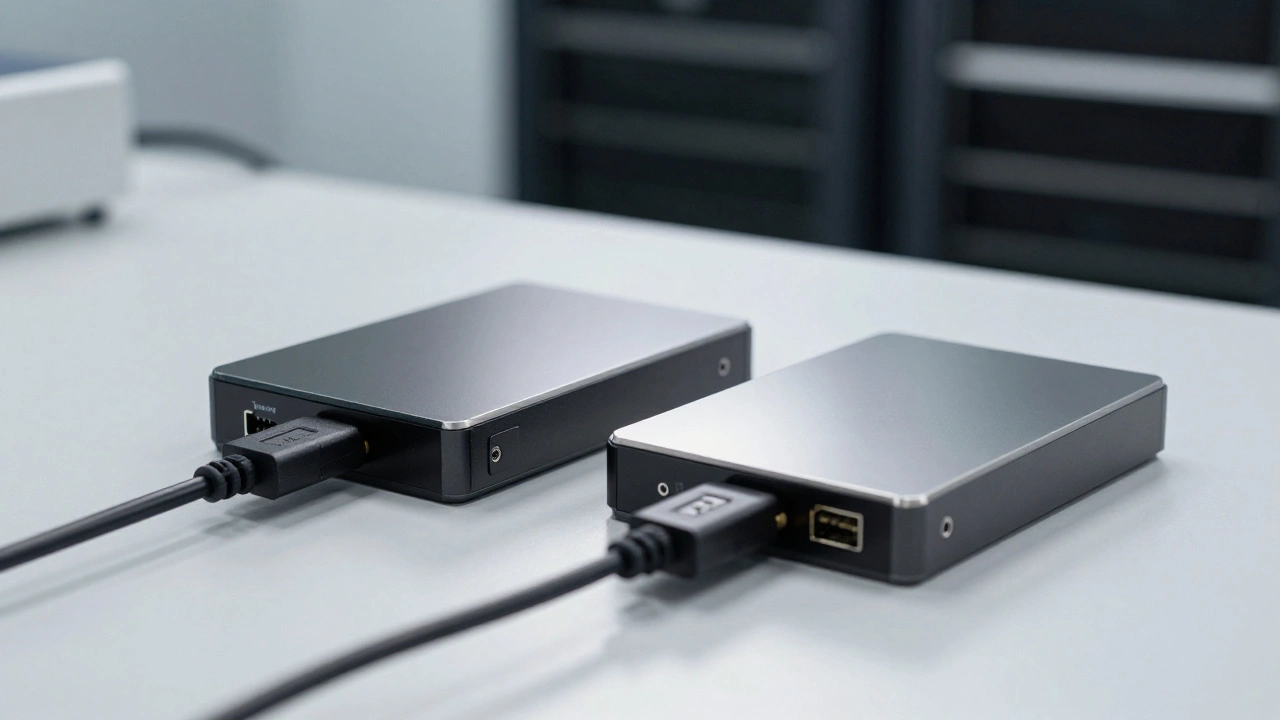
Beyond physical logs, technical verification ensures data hasn't changed during transit. When you bring a hard drive to the lab, you never work on the original media. This is a golden rule. Analysts create a forensic image, which is a bit-for-bit copy of the storage device. This clone preserves the exact state of the drive at the time of imaging.
Key Attributes of Digital Evidence Processing
Attribute
Description
Source Media
Original device seized at scene
Working Media
Forensic image used for analysis
Hash Algorithm
SHA-256 or MD5 for verification
Custodian Name
Person responsible for the item
To validate this copy, we use cryptographic hashing. A hash function converts the data into a fixed-length string of characters. Think of it as a digital fingerprint. If you calculate the hash of the original drive and then calculate the hash of the working copy, they must match perfectly. If even one bit changes, the hash value shifts completely. This mathematical proof confirms that the working copy is identical to the source. Under NIST SP 800-101 Revision 1 standards, performing hash test analysis authenticates the working clone.
If the hash does not match, it signals potential corruption. This could happen due to bad sectors, accidental overwriting, or malicious tampering. In such cases, the investigation halts because the data cannot be trusted. You must go back to the source and try a different imaging method or acknowledge the limitation in your report. Courts rely on these numbers more than human testimony because math does not lie.
Required Documentation Fields
Paperwork drives the legal process. A standard chain of custody form acts as the primary ledger for your investigation. It needs to capture specific details for every event involving the evidence. Vague entries like "moved to safe" are insufficient. You must record precise locations and names.
Date and Time Collected: Specific down to the minute.
Name and Badge Number: Who picked up the item?
Location of Collection: Exact address or room number.
Item Description: Serial numbers, model, distinguishing marks.
Receiving Person: Who accepted responsibility next?
Purpose of Transfer: Is it moving to a lab or back to evidence vault?
When evidence changes hands, both parties sign the log. The release gives up possession, while the receipt accepts liability. If a detective hands a drive to a forensic analyst, both sign the same entry line. This dual-signature requirement eliminates excuses later. It forces accountability at every single step. If a piece of evidence sits in a locker for three days without being logged, that gap is a vulnerability.
Modern labs often use automated tracking systems alongside paper logs. These systems generate barcodes scanned during transfers. However, technology fails. Power goes out, scanners break, databases corrupt. Always keep a handwritten backup. The simplest pen-and-paper logbook is often more reliable in a courtroom than a complex software glitch.
Consequences of Broken Chains
What happens when things go wrong? A broken chain of custody usually leads to suppressed evidence. If the prosecution cannot establish that the phone analyzed was the defendant's phone, the search warrant becomes invalid. The fruit of that poison tree gets tossed out. Defense attorneys look specifically for gaps in time, missing signatures, or unsealed evidence containers.
Sometimes, the break is minor, like a spelling error in the custodian's name. Other times, it is catastrophic, like a week-long period where nobody knows where the server rack sat. Research from SEFCOM highlights that holes in the timeline require further investigation. If you cannot explain where the evidence went, it suggests opportunity for planting or alteration. The presumption of guilt turns into reasonable doubt the moment the paper trail snaps.
Preparing for Court Presentation
Ultimately, the goal is admissibility. The investigator must testify about the collection methods and the preservation history. They need to show the unbroken chain from the arrest to the podium. Jurors may not understand hash values, but they understand consistency. A neatly maintained logbook demonstrates professionalism and care.
Everyone involved in the process, from the patrol officer to the lab tech, is potentially subpoenaed. Their presence validates the continuity. If a witness cannot be found to account for their time holding the evidence, the integrity of the entire case faces jeopardy. Proper management prevents guilty parties from avoiding prosecution simply due to clerical errors. It safeguards justice by ensuring the truth remains intact.
How long should the chain of custody documentation be kept?
Retention periods vary by jurisdiction and agency policy, but generally, records should be kept for the duration of the litigation plus several years. Federal guidelines often suggest retaining records for seven to ten years to cover statutes of limitations and potential civil discovery.
Can digital evidence be copied for court display?
Yes, copies can be made for presentation purposes. However, you must document this creation as a separate event in the chain of custody. The copy used in court should be hashed to match the master forensic image to prove it is an accurate representation.
What if the original device powers off during collection?
Document the battery level and status immediately. If possible, connect to a dummy power bank to keep it alive. Never force boot a device in an unknown state unless necessary, as this can encrypt data or alter system logs.
Is video recording of the scene required?
While not always mandatory, video is highly recommended. It captures context that photos miss, such as cable connections or surrounding environmental factors. Video files must also have their own chain of custody established.
Who can analyze the collected data?
Only certified digital forensics examiners should analyze evidence. They must possess qualifications that allow them to testify regarding reliability and methodology, ensuring the results stand up to cross-examination.