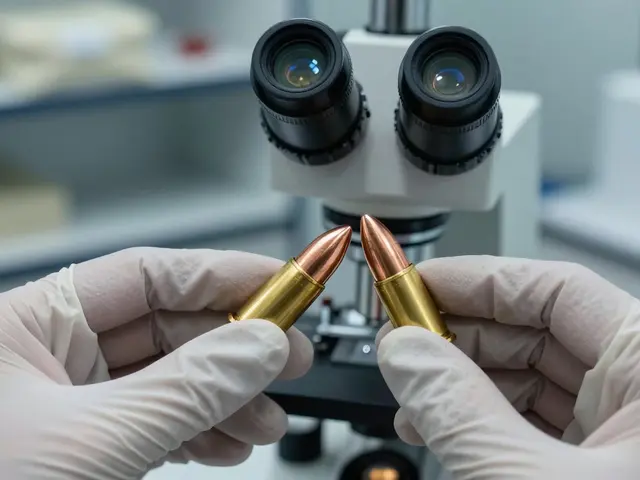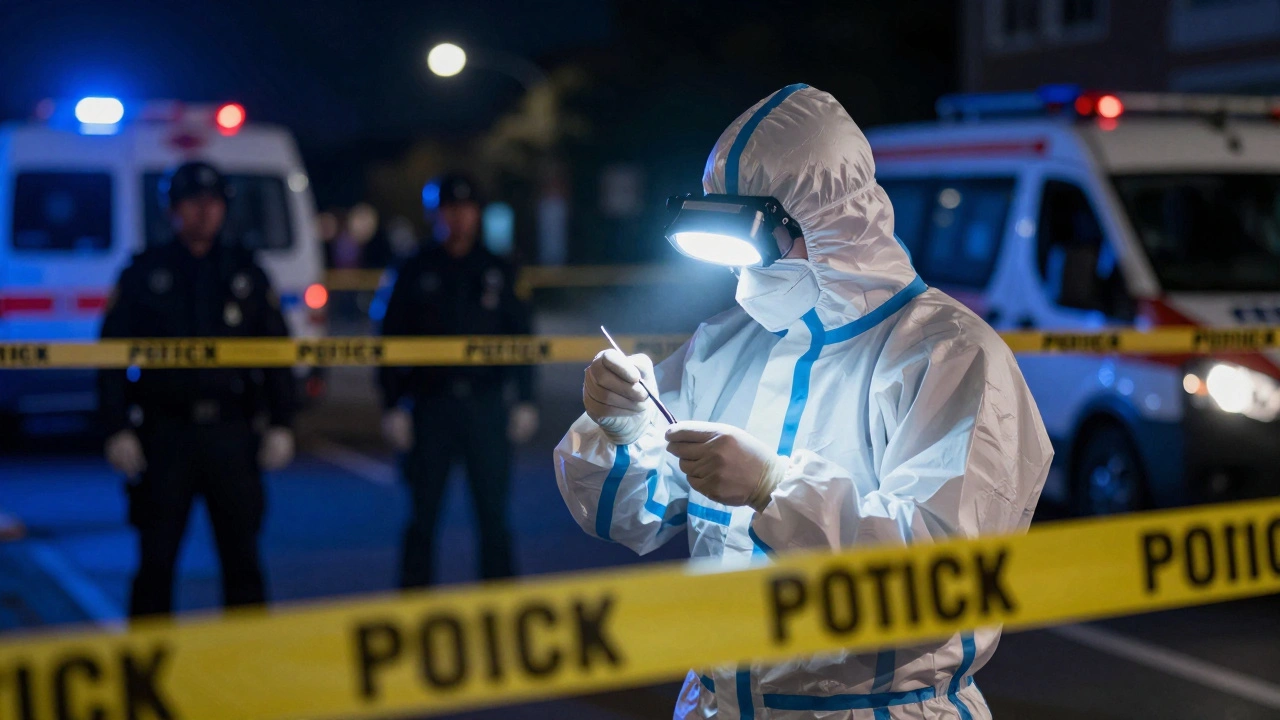
When a homicide occurs, the pressure to solve it is immense. Law enforcement agencies face public scrutiny, families demand answers, and prosecutors look for solid evidence to secure convictions. But amidst this urgency, there is a silent, critical framework that must hold firm: ethical considerations in homicide investigations. Without strict adherence to these moral and professional standards, the entire pursuit of justice can collapse into miscarriage, wrongful convictions, or eroded public trust.
Ethics in this context isn't just about following rules; it's about maintaining the integrity of truth when emotions run high. From the moment crime scene investigators (CSIs) arrive at the scene to the final courtroom testimony by forensic pathologists, every action carries weight. The National Institute of Justice (NIJ) identifies primary ethical failures-such as providing false data, altering results, or giving deceptive testimony-as direct threats to investigative integrity. These aren't minor oversights; they are fundamental breaches that can destroy lives.
The Foundation: Truthfulness and Accuracy
At the core of any homicide investigation lies the requirement for absolute truthfulness. Forensic scientists and law enforcement personnel must report all relevant details without bias. According to guidelines from the National Institutes of Health (NIH), forensic experts strive to reach conclusions based solely on examinations performed without external influence. This means if DNA evidence doesn't match a suspect, that negative result must be reported with the same rigor as a positive match.
Consider a scenario where a detective has strong circumstantial evidence pointing toward a suspect but lacks physical proof. An unethical approach might involve 'coaching' a witness or ignoring exculpatory evidence that clears the suspect. Ethical practice demands objectivity. As noted by researchers Murdock and Holmes, an ethical forensic scientist does not extend themselves beyond their capabilities and maintains objectivity as their primary attribute. If the science says 'inconclusive,' the report must say 'inconclusive,' even if it frustrates the prosecution.
| Principle | Definition | Common Pitfall |
|---|---|---|
| Truthfulness | Reporting accurate findings without alteration | Omitting negative test results |
| Impartiality | Making decisions free from personal bias | Racial profiling or stereotyping |
| Confidentiality | Protecting victim and witness privacy | Leaking details to media prematurely |
| Integrity | Maintaining honesty in all documentation | Fabricating evidence or notes |
Navigating Bias and Prejudice
Bias is perhaps the most insidious threat to ethical homicide investigations. It often operates unconsciously, influencing who gets suspected, how evidence is interpreted, and which leads are pursued. The Hilaris Publisher emphasizes that bias and prejudice have no place in the pursuit of justice. CSI professionals must actively acknowledge and confront their own biases to ensure equitable outcomes.
Racial profiling, stereotyping, and unconscious biases can taint the investigative process from day one. For example, if an investigator assumes a certain demographic is more likely to be guilty based on past experiences, they may overlook crucial clues elsewhere. Ethical protocols require implementing measures to mitigate bias, such as blind analysis techniques where possible, promoting diversity within teams, and fostering a culture of fairness. Investigators must remain cognizant of their personal feelings and ensure they do not interrupt objective, critical consideration of the case.
Furthermore, confirmation bias-the tendency to search for information that supports pre-existing beliefs-is a major risk. An ethical investigator routinely asks themselves: "How would this case look in court if defense counsel knew all the facts?" If the answer suggests credibility issues, the investigation needs immediate re-evaluation. This self-reflection prevents overzealous pursuit of a suspect when evidence is lacking.
Evidence Preservation and Chain of Custody
The cornerstone of any criminal investigation is the preservation of evidence. Tampering with evidence, whether intentional or negligent, violates the rights of both victims and suspects. The chain of custody-the documented trail showing who handled evidence, when, and why-must be unbroken and transparent.
Creating evidence or planting evidence represents one of the most severe ethical violations, alongside lying in reports or court testimony. Even unintentional contamination, such as failing to wear proper protective gear at a crime scene, can compromise biological samples like blood or hair. Forensic scientists bear a profound responsibility to handle evidence with utmost care. Storage conditions matter too; DNA degrades if exposed to heat or moisture, rendering potentially vital evidence useless. Proper documentation ensures that every piece of evidence remains admissible in court and retains its probative value.
Chain of Custody is a procedural history of the possession and control of evidence from collection to presentation in court. It is essential for proving that evidence has not been tampered with.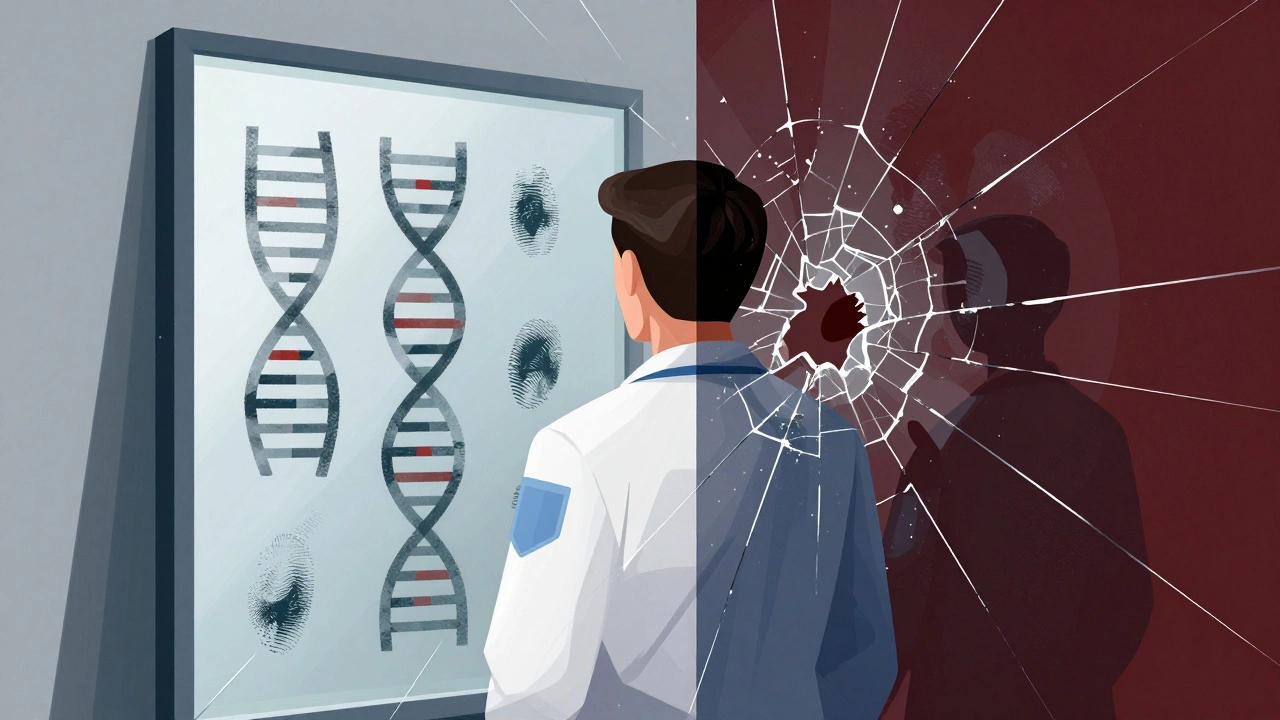
Confidentiality, Privacy, and Victim Rights
Homicide investigations involve deeply sensitive personal information. Balancing legal obligations with the right to privacy is a delicate ethical tightrope. In sexual assault and homicide cases, prosecutors and investigators must safeguard victim privacy throughout proceedings while satisfying discovery obligations. This includes managing how victim and witness information is disclosed to the defense and ensuring media interactions do not compromise dignity.
Victim rights extend beyond privacy. Victims deserve to be treated with compassion and kept informed about the progress of the investigation. However, this transparency must not interfere with the integrity of the case. For instance, releasing graphic photos to the press might satisfy public curiosity but violates the deceased’s dignity and traumatizes grieving families. Ethical guidelines stress respect for human dignity, including appropriate treatment of human remains. Forensic pathologists must balance scientific necessity with cultural and religious sensitivities when examining bodies.
Courtroom Testimony and Expert Responsibility
The role of the forensic expert extends beyond the lab into the courtroom. Here, ethical dilemmas intensify. Scientists face pressure to present findings clearly without using confusing jargon or deceptive language. Excessive equivocality-being vague to avoid being wrong-can mislead jurors. Conversely, overstating certainty ('this fingerprint is a 100% match') when the science only supports probability ('highly probable match') is misleading and unethical.
A significant issue identified in NIH research is that sometimes the forensic scientist who performed the analysis is not required to testify in court. This creates accountability gaps, allowing others to interpret complex data without full context. Ethical practice demands that the person who conducted the analysis should ideally be the one to explain it, ensuring accuracy and preventing misrepresentation. Advocacy goes beyond objective presentation; experts must remain neutral observers, not advocates for the prosecution or defense.

Transparency and Conflict of Interest
Transparency builds public trust. Ethical CSI practices necessitate openness in all stages, from evidence collection to interpretation. This includes documenting procedures thoroughly, disclosing potential conflicts of interest, and communicating findings comprehensively. If a forensic laboratory receives funding from a specific agency, that relationship must be disclosed if it could influence perception of independence.
Discovery obligations also play a key role. Prosecutors and investigators must comply with due process, making appropriate redactions while ensuring material information is disclosed to the defense. Material information is defined as anything relevant to the case that could lead to admissible evidence. Failure to disclose exculpatory evidence violates ethical and legal standards, undermining the fairness of the trial.
Emerging Technologies and Future Challenges
As technology evolves, so do ethical challenges. Advanced DNA analysis, digital forensics, and predictive algorithms offer powerful tools but introduce new risks. Responsible development requires collaboration between scientists, policymakers, and ethicists. For example, genetic genealogy databases raise privacy concerns about individuals who never consented to having their relatives' data used in criminal investigations.
Artificial intelligence used in facial recognition or behavior prediction must be scrutinized for algorithmic bias. If training data reflects historical prejudices, AI systems may perpetuate them. Ethical frameworks must adapt to ensure these technologies are used responsibly, avoiding new forms of discrimination or misuse. Ongoing education and training are essential for professionals to stay abreast of these advancements and their ethical implications.
What are the biggest ethical risks in homicide investigations?
The biggest risks include bias leading to wrongful suspicion, mishandling of evidence breaking the chain of custody, lack of transparency in forensic methods, and failure to disclose exculpatory evidence to the defense. These errors can result in miscarriages of justice.
How do forensic pathologists maintain impartiality?
Pathologists maintain impartiality by adhering to strict scientific protocols, avoiding contact with case-specific pressures before examination, and reporting all findings objectively regardless of whether they support or contradict initial theories. They must also recognize and mitigate their own unconscious biases.
Why is chain of custody so important ethically?
Chain of custody ensures that evidence has not been tampered with, contaminated, or lost. Ethically, it protects the rights of both the accused and the victim by guaranteeing that the evidence presented in court is authentic and reliable. Breaking this chain undermines the entire investigation's credibility.
Can technology create new ethical problems in forensics?
Yes, emerging technologies like AI and genetic genealogy can introduce biases if not properly regulated. They also raise privacy concerns regarding data usage. Ethical guidelines must evolve to address these issues, ensuring technology serves justice without infringing on individual rights.
What happens if an investigator discovers unethical behavior?
Ethical codes require reporting unethical behavior through proper channels. Organizations should encourage whistleblowing and protect those who report misconduct. Punishing unethical behavior reinforces standards and maintains public trust in the criminal justice system.