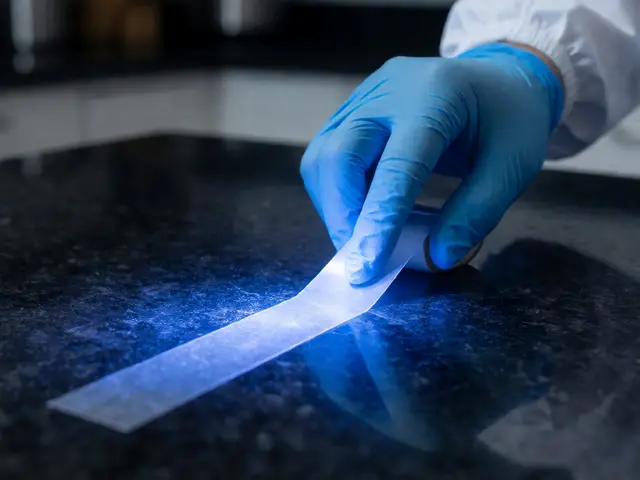
Imagine sitting in a courtroom, watching a video clip that supposedly proves your client’s innocence-or guilt. The defense attorney stands up and claims the footage is a deepfake. Suddenly, the judge asks you one simple question: "Can you prove this file hasn't been altered?" If your answer relies on "I trust the camera," you’re already losing. In 2026, trust isn’t enough. Courts demand cryptographic proof.
Evidence authentication for digital images and video has shifted from a loose procedural formality to a rigorous technical hurdle. With generative AI making it possible to create hyper-realistic forgeries in seconds, the legal standard for admitting digital media has tightened significantly. You can no longer just hand over an MP4 file. You must provide a defensible chain of custody, preserved metadata, and cryptographic verification that the file is exactly what it claims to be.
The Legal Foundation: FRE 901 and 902
To get digital evidence admitted in U.S. federal courts, you need to satisfy the Federal Rules of Evidence (FRE). Specifically, Rules 901 and 902 are your best friends-and your biggest hurdles.
FRE 901 requires that evidence be authenticated so that a reasonable juror can conclude it is what the proponent claims it is. For digital video, this usually means showing that the content accurately depicts the events shown. You can do this through witness testimony from someone with knowledge, or by pointing to distinctive characteristics like metadata, internal patterns, and surrounding circumstances.
Here’s where things get interesting. FRE 902(13) and 902(14) allow certain digital data to be self-authenticating. This means you don’t necessarily need a live witness at trial if you have a certification from a qualified person using a reliable process. That process almost always involves cryptographic hash verification. If you can show that the hash value recorded at ingestion matches the hash value at trial, you’ve met a massive part of the burden without needing the original operator to testify.
| Method | Requirement | Strengths | Weaknesses |
|---|---|---|---|
| Witness Testimony | Person with knowledge testifies | Human context | Vulnerable to credibility attacks |
| Distinctive Characteristics | Metadata, content, context align | No witness needed | Requires technical expertise |
| Cryptographic Certification | Hash match + certified process | Highly defensible | Requires robust DEMS infrastructure |
The Technical Backbone: SHA-256 Hashing
If there is one technical standard that dominates 2026 courtrooms, it is SHA-256. Recommended by the National Institute of Standards and Technology (NIST), this algorithm generates a unique digital fingerprint for every file.
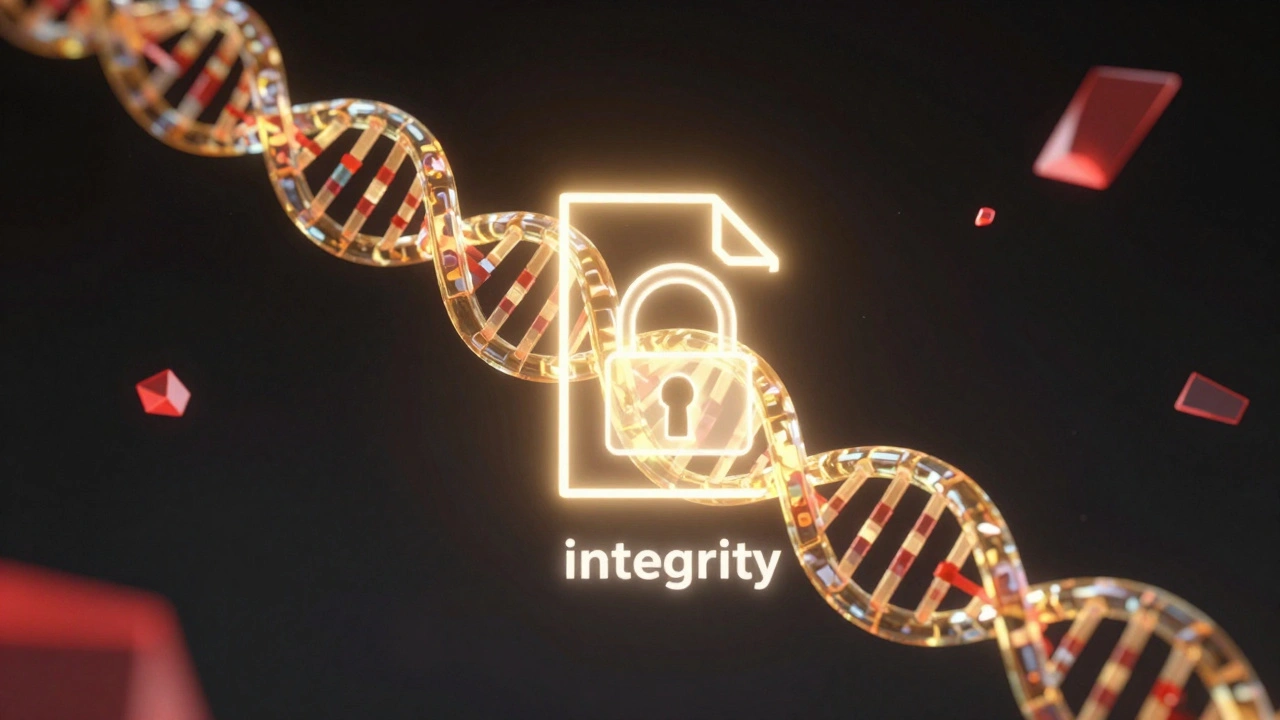
Think of a hash as a DNA sequence for a file. If you change even a single pixel in a video frame, the SHA-256 hash changes completely. This makes tampering immediately detectable. Courts no longer accept manual logs saying "no changes were made." They expect continuous, platform-level hash verification.
When you ingest evidence into a Digital Evidence Management System (DEMS), the system should automatically compute the SHA-256 hash. This value becomes the baseline. Every time the file is accessed, copied, or reviewed, the system verifies the hash against the original. If they match, integrity is proven. If they don’t, the evidence is compromised.
This isn’t just about preventing malicious edits. It’s about catching accidental corruption. Bit rot, storage errors, or improper conversion tools can all alter a file. By sealing the hash at the moment of capture, you eliminate the guesswork.
Metadata: The Four Critical Categories
Metadata is often called "data about data," but in forensics, it’s the story behind the image. According to the Scientific Working Group on Digital Evidence (SWGDE), authenticators must preserve four distinct types of metadata:
- Capture Metadata: Device identifier, GPS coordinates, recording start/stop times, and firmware version. This links the file to a specific place and time.
- File Metadata: Format, encoding parameters, file size, and creation date. This helps identify if re-encoding occurred.
- System Metadata: Ingestion timestamp, storage location, and user logs. This documents who handled the file and when.
- Hash Metadata: The original hash value, the algorithm used (e.g., SHA-256), and verification history. This proves integrity.
Defense attorneys love to attack gaps in this data. If your video lacks GPS coordinates or shows signs of re-encoding without explanation, they’ll argue it’s not the original file. Preserving all four categories ensures you have a complete narrative.
Chain of Custody: More Than a Paper Trail
A broken chain of custody is the fastest way to get evidence excluded. But in 2026, "chain of custody" doesn’t mean a logbook signed by three people. It means an immutable, digital audit trail.
Every interaction with the evidence must be logged: IP address, username, date, time, event type, and description. This supports FRE 901 by creating defensible documentation of handling. Ideally, this logging happens automatically within your DEMS, reducing human error.
For the highest level of security, look at hardware-based solutions. Some modern cameras use tamper-protected modules to sign the video stream at the moment of capture using the device’s globally unique ID. This removes the possibility of subsequent tampering with the stream itself. It’s proactive authentication rather than reactive validation.
Fighting Deepfakes and AI Manipulation
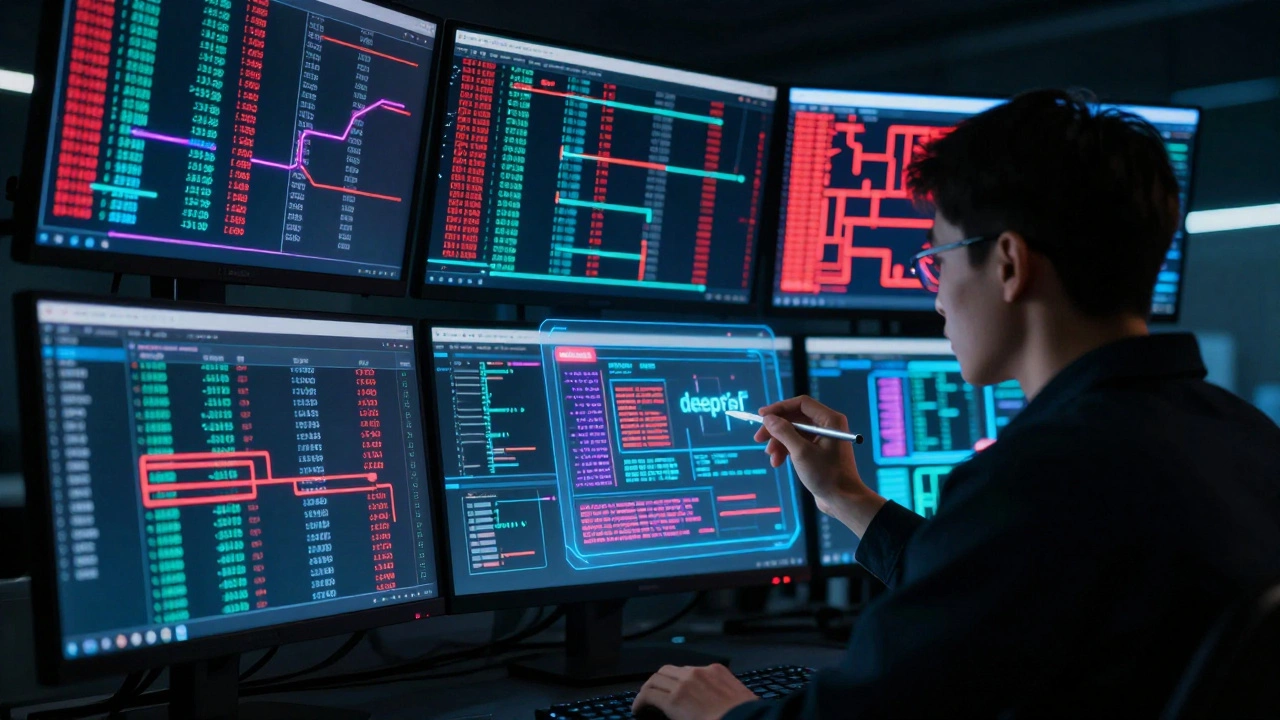
The rise of generative AI has changed the game. Defense teams now routinely raise deepfake objections, even when the evidence is genuine. To rebut these claims, you need more than just a hash.
You need source identification. Forensic analysts examine structural artifacts, compression levels, and sensor patterns. For example, different camera sensors leave unique noise patterns on images. If the noise pattern in the video matches the claimed camera model, it’s a strong indicator of authenticity.
Training matters here. Programs like the LEVA Image and Video Authentication-200 Course teach investigators how to perform pixel-level analysis, block-level examination, and generational analysis. These skills help distinguish between first-generation camera originals and second-generation re-encoded files.
If you suspect AI manipulation, look for inconsistencies in lighting, shadows, and facial micro-expressions. While automated detection tools exist, human expert analysis remains crucial for court testimony.
International Standards: ISO/IEC 27037 and eIDAS
If your work crosses borders, you need to know international standards. ISO/IEC 27037 provides guidelines for the collection, acquisition, and preservation of digital evidence. It emphasizes capturing metadata in its original state and using validated forensic tools.
In Europe, the eIDAS regulation offers a powerful tool: qualified timestamps and digital signatures issued by Qualified Trust Service Providers (QTSPs). When evidence is sealed with these, courts presume authenticity and integrity unless proven otherwise. This shifts the burden of proof to the opposing side, which is a significant strategic advantage.
Practical Steps for Investigators
So, how do you implement this in the field? Here is a checklist based on current best practices:
- Use Forensic-Grade Acquisition Tools: Don’t just copy files via USB. Use tools that write bit-for-bit copies and generate hashes simultaneously.
- Encrypt Everything: Use AES-256 encryption for storage and TLS 1.3 for transfer. This protects integrity during transit.
- Document Immediately: Record the device make, model, serial number, and firmware version at the scene.
- Preserve Originals: Never work on the original file. Always use forensic copies.
- Verify Continuously: Check hashes at every stage of the lifecycle, from ingestion to trial presentation.
Treating authentication as a platform-level capability, rather than a manual afterthought, is key. Agencies using integrated DEMS solutions are far better positioned to meet 2026 court standards.
What is the primary purpose of evidence authentication?
The primary purpose is to substantiate that digital media files accurately represent what they purport to show, ensuring their originality, integrity, and provenance from capture through legal proceedings.
Why is SHA-256 hashing critical for video evidence?
SHA-256 creates a unique digital fingerprint for each file. Any alteration, even a single bit change, results in a completely different hash, making tampering immediately detectable and providing cryptographic proof of integrity.
How does FRE 902 help authenticate digital evidence?
FRE 902(13) and 902(14) allow digital data to be self-authenticating if accompanied by a certification from a qualified person using a reliable process, such as cryptographic hash verification, potentially eliminating the need for live witness testimony.
What are the four categories of metadata required for authentication?
The four categories are Capture Metadata (device ID, GPS, time), File Metadata (format, encoding, size), System Metadata (ingestion logs, user actions), and Hash Metadata (original hash, algorithm, verification history).
How can investigators rebut deepfake objections?
Investigators can rebut deepfake claims by preserving complete metadata, using cryptographic verification, and performing forensic analysis such as sensor pattern matching, structural artifact examination, and generational analysis to prove the file is a camera-original capture.
What role does ISO/IEC 27037 play in evidence handling?
ISO/IEC 27037 provides international guidelines for the collection, acquisition, and preservation of digital evidence, emphasizing the capture of metadata in its original state and the use of validated forensic tools to ensure legal defensibility.