In the world of homicide investigations, a bullet is rarely just a piece of metal. It is a witness that cannot lie. When a firearm is discharged, it leaves behind a unique signature on the projectile and the cartridge case-markings as distinct as a fingerprint. This is the core promise of Forensic Ballistics, a specialized discipline that bridges the gap between a violent act and legal justice. By analyzing these microscopic details, investigators can link a specific weapon to a specific crime scene, transforming a chaotic event into a reconstructible sequence of facts.
You might wonder how a sliver of copper or brass tells a story. Every gun barrel has imperfections created during manufacturing. When a bullet travels down that barrel, the rifling-grooves cut into the metal-striates the lead surface. These striations vary slightly from one gun to another. This individuality is the foundation of ballistic evidence in murder cases. Without it, we could only guess at the weapon type. With it, we can identify the exact instrument used to commit the crime.
The Crime Scene: First Response and Recovery
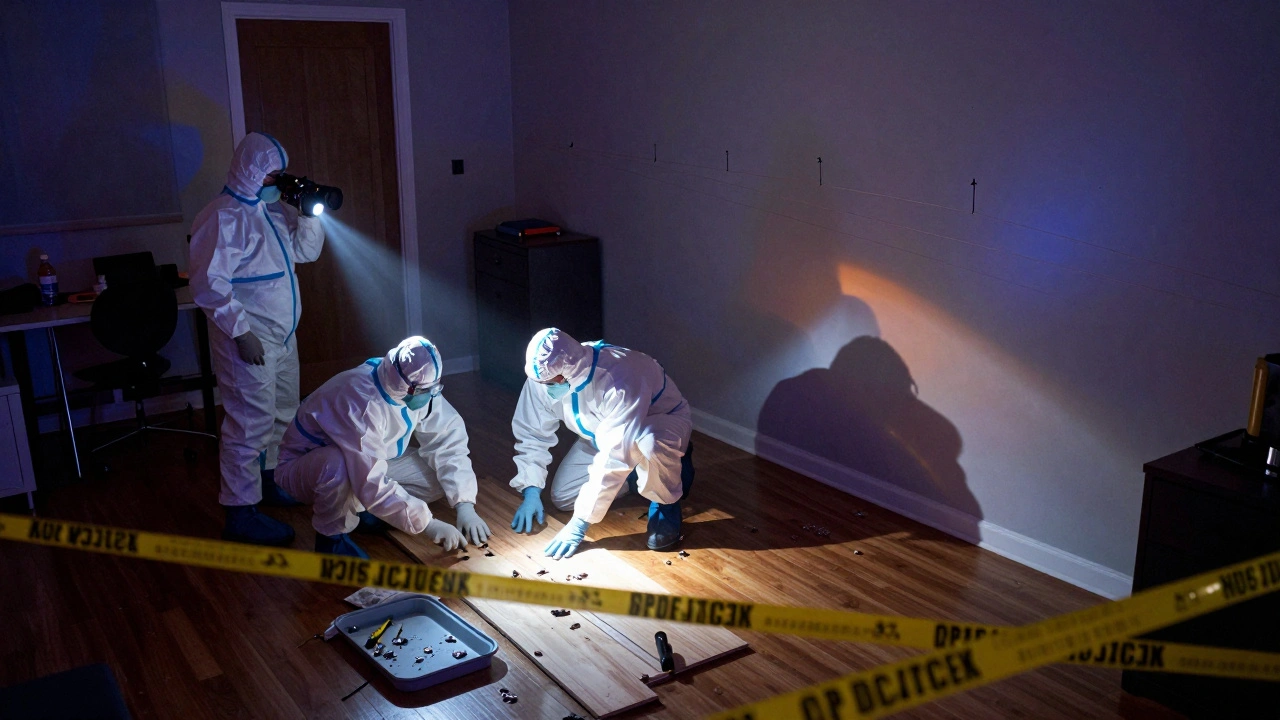
Before any analysis happens, the evidence must survive the initial chaos of a crime scene. In a murder investigation, time is critical. First responders often secure the area to prevent contamination. Once cleared for forensic processing, the focus shifts to locating the physical trace left behind. Examiners do not just look for whole bullets; they hunt for fragments lodged in walls, furniture, or even the victim’s body.
The recovery process involves several critical actions:
- Bullet Retrieval: Using water trays or sieves to catch small metallic debris without damaging fragile edges.
- Cartridge Case Collection: Empty casings ejected near the shooter offer valuable contact points for fingerprints and tool marks.
- Trajectory Mapping: Placing stakes and string to create a laser-like line showing where the projectile traveled.
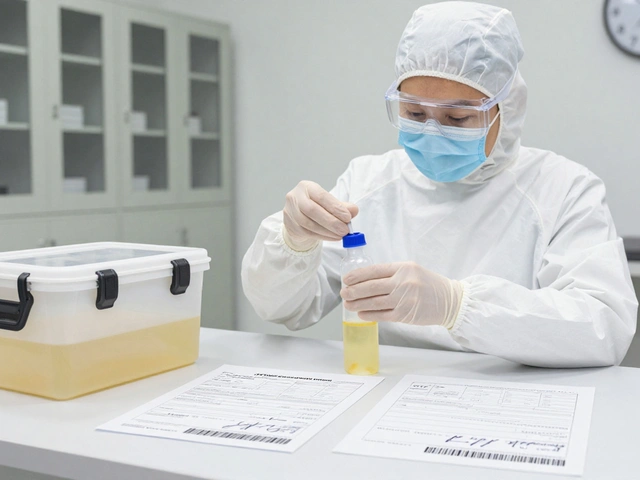
- GSR Sampling: Swabbing hands and clothing for Gunshot Residue (GSR), which indicates proximity to a fired weapon.
Imagine a scenario where a suspect claims to be miles away. If their shoes contain soil matching the mud splatter found at the scene, that's circumstantial. But if the trajectory lines converge on a location the suspect occupied, and their car contained ammunition of the same caliber, the physical picture tightens. The goal here isn't to convict immediately, but to narrow the pool of suspects.
The Laboratory: Under the Comparison Microscope
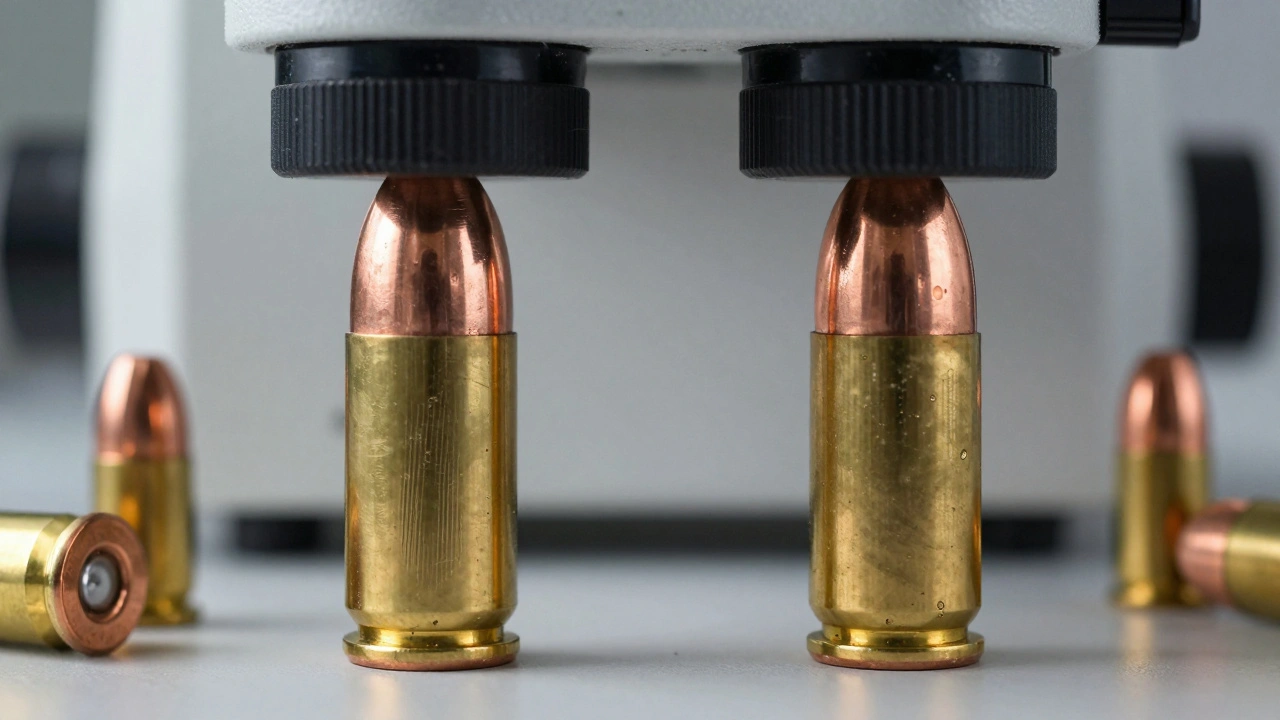
Once evidence reaches the lab, the real detective work begins. The centerpiece of this operation is the comparison microscope. Unlike a standard microscope, this device links two optical tubes into one eyepiece. On the left side, an examiner places a known test-fire bullet (from a suspect weapon). On the right sits the recovered evidence from the crime scene.
This setup allows for a simultaneous visual comparison. An expert scans for matching microscopic scratches. It isn't enough for them to look similar; they must match so precisely that the chance of random occurrence becomes statistically negligible. During this phase, examiners document specific features:
- Rifling Characteristics: Number of lands and grooves, direction of twist, and width.
- Firing Pin Impressions: A dimple on the primer cap indicating exactly how the hammer struck the cartridge.
- Extractor Marks: Scratches left by the mechanism that pulls the spent casing out of the chamber.
- Ejector Marks: Contact points that kick the shell out of the firearm after firing.
It sounds straightforward, but the environment matters. Humidity can corrode brass. Cleaning products can strip residue. That is why the chain of custody-a documented log of who touched the evidence-is vital. If a sample gets contaminated during transport, the scientific value evaporates.
Digital Databases: Connecting Jurisdictions
In the past, linking a murder in one city to a robbery in another relied on handwritten logs. Today, the landscape changed with the introduction of national imaging systems. The most prominent system in the United States is the Integrated Ballistic Identification System (IBIS). While similar networks exist globally, IBIS remains the standard reference point for modern forensic workflows.
How Digital Ballistics Work captures high-resolution images of cartridge cases. Algorithms scan millions of digital records to find potential matches based on firing pin impressions. When a query returns a "hit," a human analyst verifies the connection.
This technology does more than speed up cases; it exposes serial offenders. A single gun might be sold legally in one state but used criminally in three others years later. By uploading evidence from a cold case in 2025, an analyst might receive a notification from a new active shooting investigation. These automated links often provide the breakthrough needed to prioritize resource allocation for difficult investigations.
Wound Analysis and Distance Estimation
Beyond the lab bench, forensic ballistics intersects with pathology. Medical examiners play a crucial role in determining how the bullet interacted with the human body. They distinguish between contact wounds (gun muzzle against skin), close-range wounds, and distant wounds. Each stage produces different patterns.
Contact wounds often result in stippling-tiny burn marks or powder tattooing around the entry hole. If the shooter was across the room, those marks disappear. This distinction separates self-inflicted injuries from homicides effectively. Consider a death ruled suicide initially. If autopsy results show no soot on the palm or wrist despite a claim of holding the gun, the medical evidence contradicts the narrative.
Trajectory analysis further refines the story. By mathematically calculating the angle of penetration relative to the bone density, specialists determine if the shot came from above, below, or eye level. Combined with height data from the scene, they can build a 3D model of the incident. This helps prosecutors explain the sequence of events to a jury clearly.
Courtroom Testimony: Explaining the Science
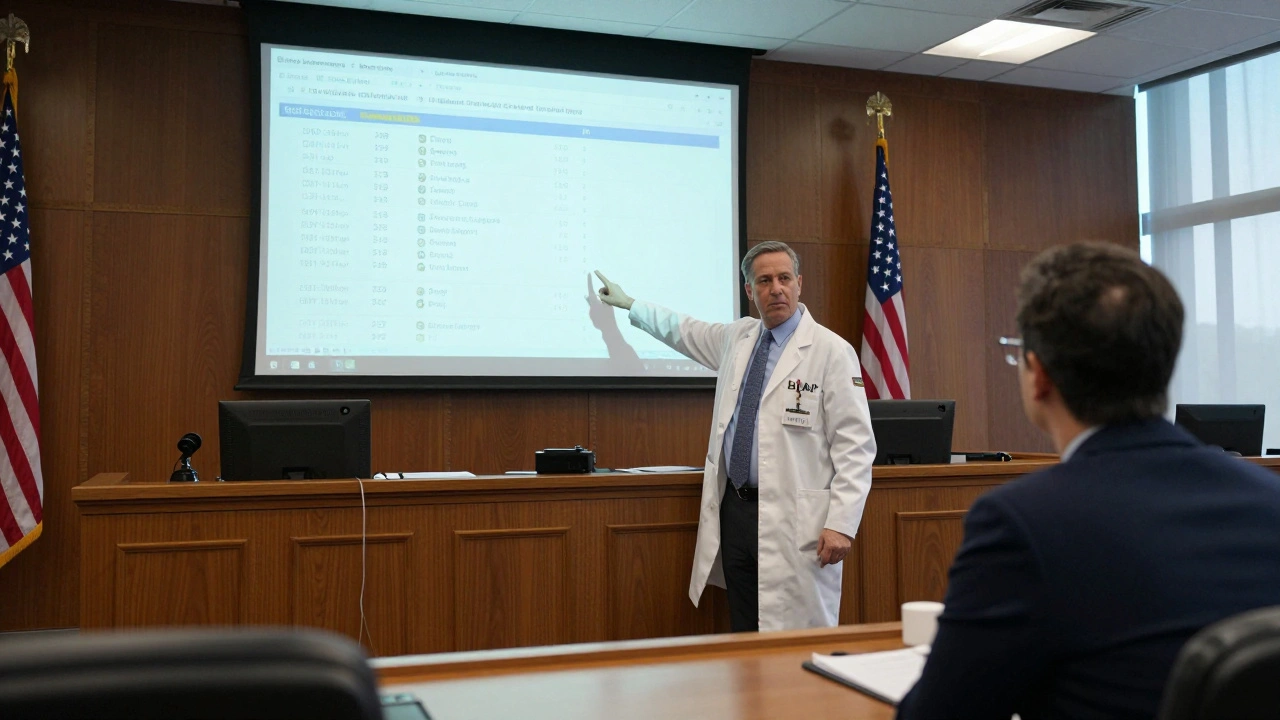
The final step involves presenting findings in court. An examiner doesn't just hand over a report; they must defend the methodology. Defense attorneys frequently challenge the subjectivity of ballistics. They ask questions about the margin of error. The standard answer rests on the consensus of the scientific community regarding tool-mark identification.
To maintain credibility, testimony focuses on probability rather than absolute certainty. We avoid saying "beyond doubt." Instead, we say "to the exclusion of all other weapons." The examiner explains the limitations of their tools. For instance, if a barrel is damaged or worn, the markings might be less distinct. Honest acknowledgment of these variables builds trust with the judge and jury.
Furthermore, cross-examination often probes the training requirements. A qualified examiner typically holds a bachelor's degree and completes years of supervised practical training. Certification boards monitor ongoing proficiency testing. This ensures that the opinion given is backed by institutional oversight, not just personal experience.
Can a ballistic match identify the shooter?
No, ballistics identifies the weapon, not the person. Matching a bullet to a gun proves who owned or possessed the weapon, but it does not prove who pulled the trigger unless supported by DNA, fingerprints, or video evidence.
What is the statute of limitations for ballistics databases?
There is generally no expiration date on ballistic evidence stored in databases. Old cases can be digitized and re-submitted to search engines like IBIS decades later to find new connections.
Does every gun leave a unique print?
Most firearms leave unique striations due to barrel wear and machining variations, but smooth-bore weapons like some shotguns lack rifling marks, making individualization significantly harder.
How long does a full ballistics examination take?
Preliminary analysis takes hours, but a full confirmation involving multiple comparisons and reporting can take weeks. Cold cases involving backlog might sit longer before reaching a senior examiner.
Can altered barrels affect ballistics?
Yes, severe modifications, sawed-off barrels, or extensive wear can degrade the quality of markings, sometimes making positive identification impossible.