When a patient with a super bug like MRSA or C. diff leaves a hospital room-or worse, contaminates a home-the cleanup isn’t just about wiping surfaces. It’s about stopping a silent, invisible threat that can live for weeks on doorknobs, bed rails, and even toilet seats. These aren’t ordinary germs. They’ve evolved to survive bleach, resist antibiotics, and bounce back after standard cleaning. If you’re dealing with this kind of contamination, you need more than a mop and disinfectant spray. You need a system.
What Makes a Super Bug So Hard to Kill?
Super bugs like methicillin-resistant Staphylococcus aureus (MRSA) and Clostridioides difficile (C. diff) aren’t just resistant to drugs-they’re built to survive. C. diff spores can last up to five months on surfaces. MRSA sticks to plastic, metal, and fabric like glue. Regular household cleaners? They don’t touch them. Even alcohol-based wipes often fail because they evaporate too fast. The CDC says you need disinfectants registered by the EPA with proven kill claims against these specific pathogens. That means checking the label: if it doesn’t say it kills MRSA or C. diff, it’s not good enough.
One study found that in hospitals where staff used only general-purpose disinfectants, 40% of high-touch surfaces still tested positive for MRSA after cleaning. But when they switched to EPA-approved sporicidal cleaners with a 10-minute contact time, contamination dropped by 85%. Contact time matters. You can’t just spray and walk away. You have to let it sit.
What Surfaces Need the Most Attention?
Not all surfaces are equal. The CDC breaks them into two categories: high-touch and low-touch. High-touch surfaces get cleaned at least twice a day-or immediately after contamination. These include:
- Bed rails and call buttons
- Doorknobs and light switches
- Toilet handles and flush levers
- Over-bed tables and IV poles
- Thermometers and blood pressure cuffs
- Remote controls and phones
Low-touch surfaces like walls and ceilings? Cleaned weekly. But if there’s a spill-blood, vomit, feces-that changes everything. Immediate cleanup is non-negotiable. You don’t wait until shift change. You stop what you’re doing and act. Use absorbent pads to contain the spill, then disinfect with an EPA-registered product. Never use a rag that’s been used elsewhere. Always use single-use materials.
Personal Protective Equipment Isn’t Optional
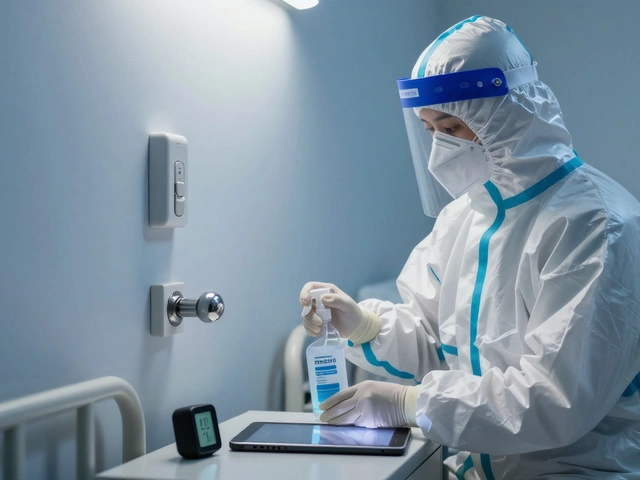
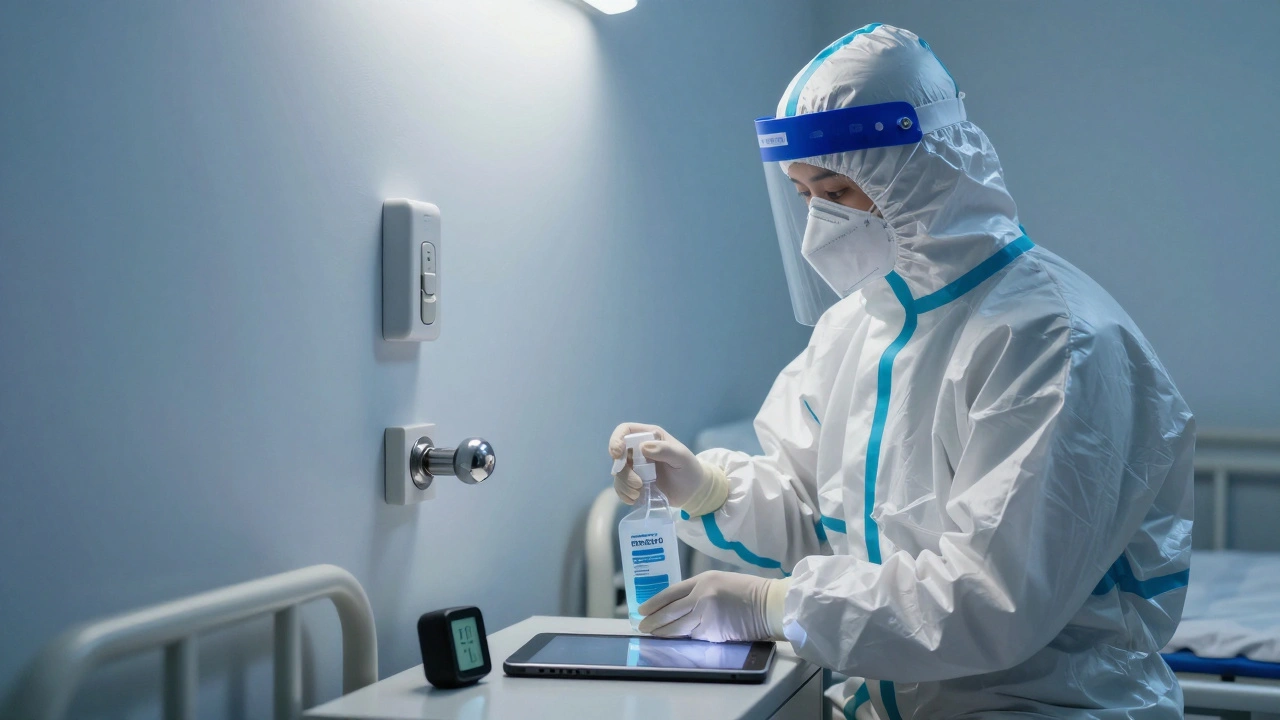
If you’re cleaning up after a super bug, you’re not a janitor-you’re frontline defense. Gloves, gowns, eye protection, and N95 respirators aren’t suggestions. They’re requirements. One mistake-touching your face after removing gloves-can spread spores to your nose or mouth. And once it’s inside you, it can multiply.
Remove PPE in this order: gloves first, then gown, then eye protection, then mask. Never pull gloves off over your face. Always wash hands after removal-even if you wore gloves. Soap and water is better than hand sanitizer here. Alcohol-based sanitizers don’t kill C. diff spores. You need physical scrubbing. Two full minutes. Under nails. Between fingers. Up to the wrists.
Why You Can’t Just Use Bleach
Bleach sounds powerful, and it is-but it’s not always the right tool. Many healthcare facilities avoid bleach because it damages surfaces, corrodes metal, and releases toxic fumes. It also breaks down quickly. A 1:10 bleach solution loses half its strength in 24 hours. If you’re mixing it fresh every day, you’re wasting time and risking exposure.
Instead, facilities are shifting to EPA-registered disinfectants with hydrogen peroxide or quaternary ammonium compounds. These are effective against spores, less corrosive, and safer for staff. Some products even come in ready-to-use wipes or sprays with built-in timers so you know when the contact time is done. No guessing. No rushing.
What About Home Cleanup?
Most people don’t realize super bugs can spread outside hospitals. A family member discharged with MRSA can bring it home. A loved one with C. diff after antibiotics can contaminate the bathroom. Home cleanup is trickier because most households don’t have hospital-grade supplies.
Here’s what works in a home setting:
- Use EPA-registered disinfectants labeled for C. diff or MRSA. Look for the registration number on the label.
- Replace bath mats, shower curtains, and towels used by the infected person. Wash others in hot water (at least 140°F) with bleach if fabric allows.
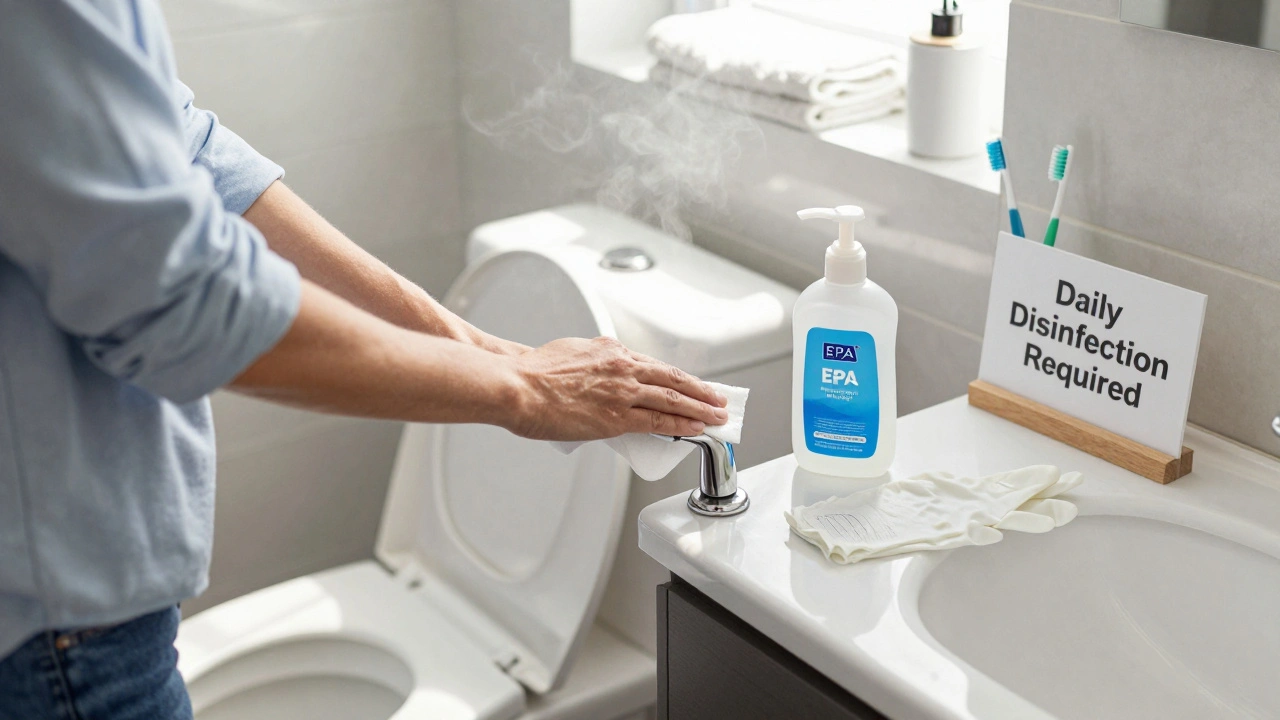
- Disinfect the toilet seat, handle, and flush button daily with a wipe or spray. Let it sit for 10 minutes.
- Keep medications, toothbrushes, and personal items separate. Don’t share.
- Wash hands after using the bathroom and before preparing food. No exceptions.
One family in Portland had a relative come home with C. diff after a hospital stay. They cleaned with vinegar and essential oils-common home remedies. Within two weeks, two other family members got sick. They switched to an EPA-approved disinfectant, replaced bathroom items, and started daily cleaning. No one else got sick. It wasn’t expensive. It was consistent.
Hand Hygiene: The First and Last Line of Defense
Everything else fails if hand hygiene fails. The CDC says handwashing is the single most effective way to prevent transmission. Not hand sanitizer. Not wipes. Washing with soap and water. It’s that simple. And it’s that hard to do right.
Most people wash for 5 seconds. You need 20. Hum the "Happy Birthday" song twice. Scrub under nails. Between fingers. Around thumbs. Rinse under running water. Dry with a paper towel. Turn off the faucet with the towel so you don’t re-contaminate your hands.
And never skip it. Not before touching a patient. Not after using the bathroom. Not after picking up trash. Not after checking your phone. Every single time.
When to Call a Professional
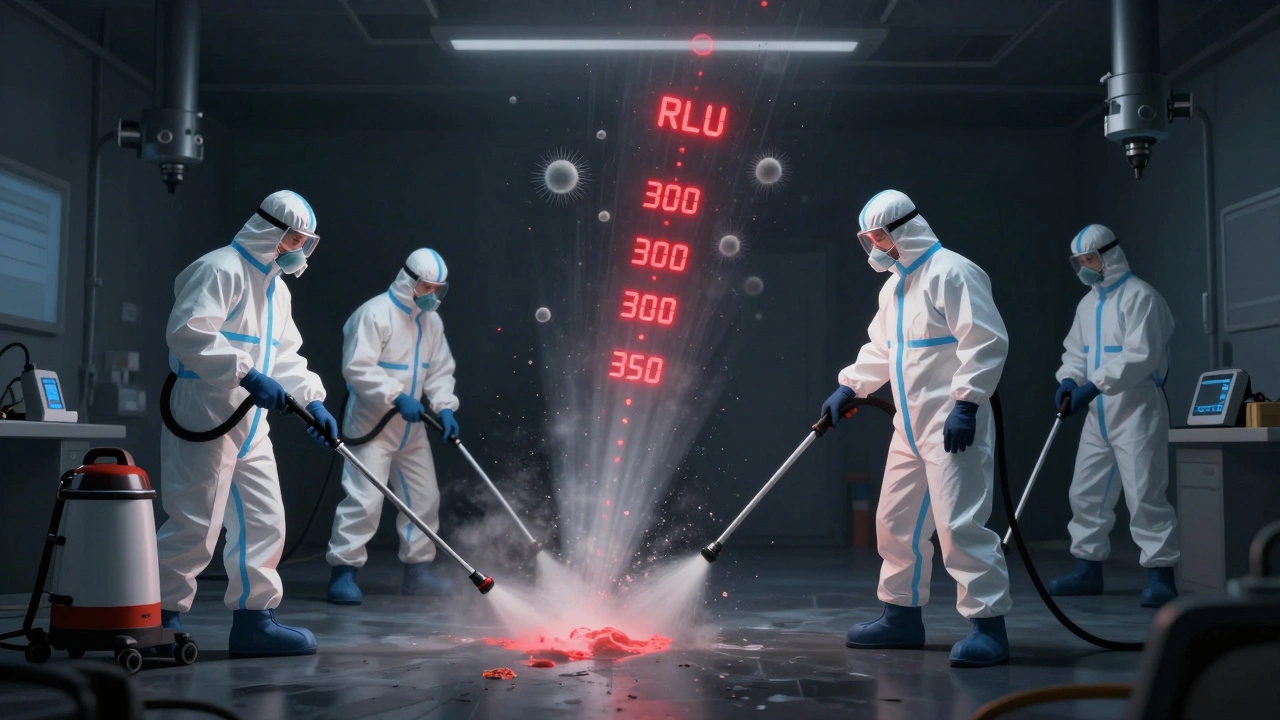
If the contamination is widespread-multiple rooms, blood spills, vomit, or fecal matter-you’re not equipped to handle it alone. That’s when you call a biohazard cleanup team. These aren’t just cleaners. They’re trained in OSHA standards, use HEPA vacuums, and have industrial-grade disinfectants. They seal off rooms, remove porous materials, and test surfaces afterward to confirm elimination.
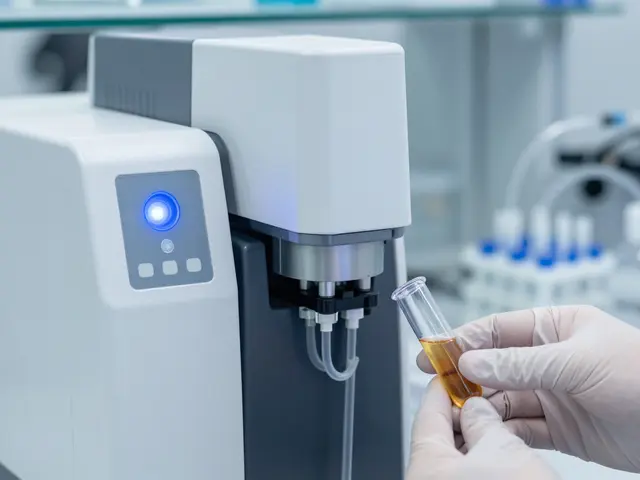
Some companies specialize in super bug cleanup. They use ATP testing to measure organic residue before and after. If the reading drops below 50 RLU (relative light units), they call it clean. Most home disinfectants can’t get there. Professionals can.
Cost? Around $800-$2,500 depending on size and contamination level. But compared to the cost of another infection, it’s cheap.
Prevention Is the Real Cleanup
The best way to handle super bug contamination? Don’t let it happen. Use isolation protocols. Screen patients for colonization. Train staff. Enforce hand hygiene. Keep surfaces dry. Replace worn equipment. Educate families.
One Oregon nursing home reduced C. diff rates by 70% in six months just by doing three things: installing automatic hand sanitizer dispensers at every door, replacing cloth curtains with disposable ones, and assigning a dedicated cleaning crew for isolation rooms-not the general janitorial staff.
Super bugs don’t care if you’re a hospital or a home. They only care if you’re careless. Clean isn’t a one-time task. It’s a habit. And habits save lives.