Key Takeaways
- Time sensitivity: Most common date-rape drugs leave the body quickly, making testing within 96 hours vital for urine samples.
- Beyond the myths: Alcohol remains the most common substance used in DFSA, followed by benzodiazepines and cannabis, not just Rohypnol or GHB.
- Evidence windows: Blood detects drugs within 24 hours, urine up to 96 hours, and hair can reveal exposure over weeks.
- Emerging science: Protein adduct testing extends detection windows significantly compared to traditional metabolite screening.
- Legal impact: Positive toxicology results often lead to heavier sentencing due to the heinous nature of incapacitated victimization.
The Hidden Clock of Forensic Toxicology
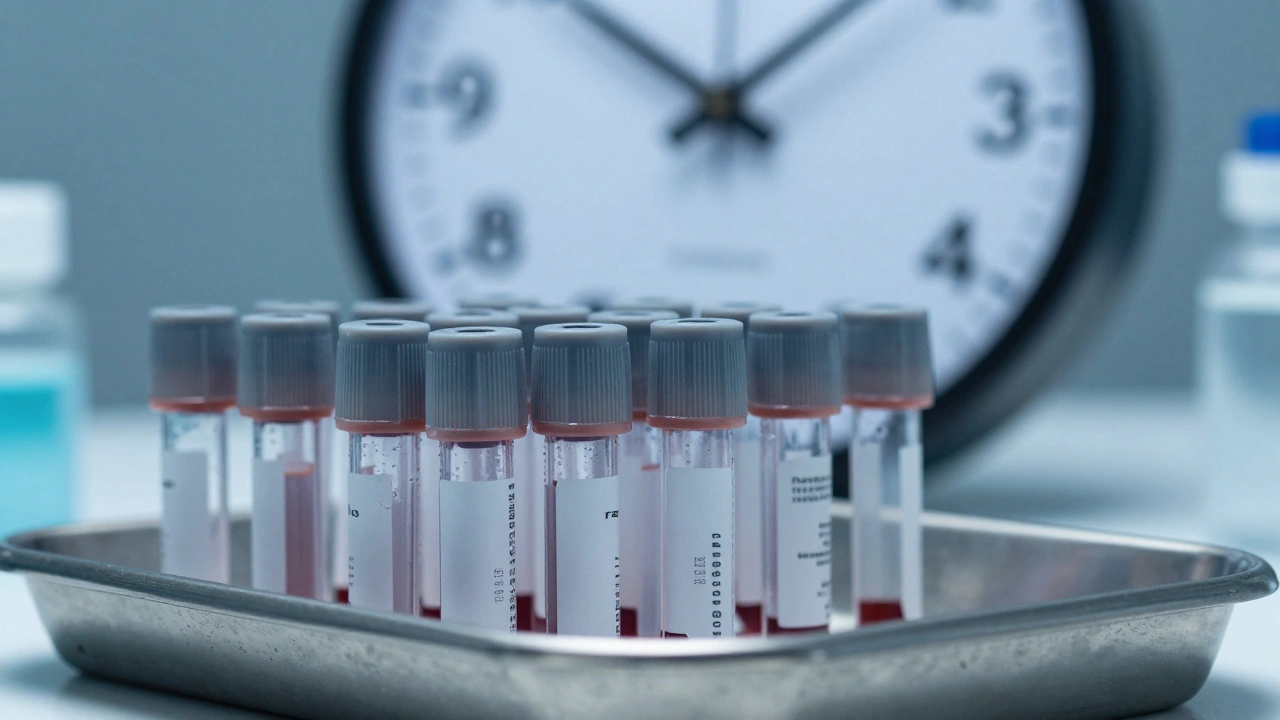
When someone walks into an emergency room suspecting they were drugged, a countdown begins immediately. In cases of Drug-Facilitated Sexual Assault a form of sexual violence where substances impair consent or resistance, every hour lost reduces the chance of finding chemical proof. You cannot reverse time, but you can understand the mechanics of the body's elimination systems. Victims often arrive late because of shock or fear of law enforcement. They worry their "window" has closed forever. That isn't always true, depending on the sample we collect.
The truth is often messy. Contrary to popular belief fueled by movies, perpetrators rarely use only the classic "date-rape drugs" seen on crime shows. While substances like flunitrazepam (Rohypnol) get the headlines, alcohol is actually the primary agent involved in these assaults. When combined with other sedatives, it amplifies impairment. This mix complicates the forensic picture because the body processes ethanol differently than it does a synthetic depressant. Understanding these timelines isn't just about chemistry; it determines whether justice is accessible.
What Actually Gets Used?
There is a persistent myth that a tiny tablet dropped in a drink is the main method. Data tells us otherwise. A comprehensive look at national surveys indicates that 1 in 4 women experience attempted or completed rape in their lifetime. In many of these scenarios, known to the victim, substances play a role.
We categorize these substances based on how the body handles them.
| Common Substances and Prevalence | |
|---|---|
| Alcohol The most frequently detected substance in DFSA | Primary facilitator; lowers inhibitions and impairs memory. |
| GHB (Gamma-hydroxybutyrate) | Short half-life; detectable in urine only for 6-12 hours. |
| Rohypnol (Flunitrazepam) | A benzodiazepine; typically undetectable after 24 hours. |
| Ketamine | Dissociative anesthetic; detectable via LC-MS methods. |
| Cannabis | Frequent co-ingestant; affects detection of other drugs. |
You need to understand that assailants often have access to prescription medications. Alprazolam (Xanax) is commonly found in these cases because people keep it in their own bathrooms or nightstands. It doesn't require buying illicit powder; it requires trust and proximity. This shifts the location of assaults too. Unlike mugging, which might happen on the street, DFSA usually occurs in private residences, specifically the assailant's home, during weekend nights. Recognizing this pattern helps investigators correlate the setting with the evidence.
The Critical Biological Timelines
If you are dealing with a suspected case, the clock starts ticking the moment the substance enters the system. However, the hands of the clock move differently depending on the test matrix-the biological fluid we analyze. You might think a blood draw is standard, but sometimes it misses the drug entirely by the time you sit down for the appointment.
Blood Samples
Blood offers a narrow snapshot. If a person ingested a drug 24 hours ago, that blood sample might come back negative even if they were incapacitated. For blood alcohol determination specifically, you need to collect the sample within 24 hours of ingestion. The protocol is strict: we collect at least 20 milliliters in a gray-top tube containing sodium fluoride and potassium oxalate preservatives. These chemicals stop the red blood cells from consuming the alcohol, keeping the level accurate. If the victim hasn't urinated yet, the urine test often provides a wider net, but blood remains crucial for establishing blood concentration levels at specific times.
Urine Specimens
Urine provides the most extended window for detection among routine fluids. It acts as a filter, collecting waste products over several hours. If a patient comes in within 96 hours of the alleged assault, we prioritize a urine specimen. We aim for 100 milliliters, though 30 milliliters is the bare minimum. The sooner we get this sample, the higher the probability of catching trace metabolites. Specifically for GHB, urine is vital because its natural production in the body creates background noise, but distinct elevation suggests external intake. Remember, GHB is gone from urine in as little as 6 to 12 hours. By day three, the likelihood of detection drops near zero for this specific compound.
Extending the Window with Advanced Techniques
What happens when the victim waits months or years to report? Traditional toxicology hits a dead end. Fortunately, forensic science has evolved to catch up with the reality of delayed reporting. We now look deeper into human biology.
Hair Follicle Analysis
Hair grows at a predictable rate-approximately one centimeter per month. By cutting a sample close to the root, we can map exposure back in time. If the event happened a month ago, we can analyze the specific segment of hair that grew during that period. This method solves the "missed window" problem completely, allowing us to document history rather than just immediate presence. While costly, it provides a record that cannot be argued away easily.
Protein Adduct Technology
Chemists are moving toward detecting protein adducts. In simple terms, some drugs don't just pass through the blood; they attach themselves permanently to large proteins within the bloodstream. Think of it as the drug leaving a sticky residue on the proteins themselves. Even if the original drug molecule is gone and metabolized out of the kidneys, this "scar" remains. This technique extends the potential testing window significantly, offering a complementary approach to hair testing. It is becoming more standard in specialized labs to look for these attachments, providing another layer of security for justice seekers who missed the standard urine window.
Collection Protocols and Best Practices
Collecting the right sample correctly matters as much as the test itself. Contamination or improper storage leads to false negatives. In 2026, protocols emphasize informed consent. Patients must know exactly what tests are happening. Chain of custody begins the moment the sample is taken.
Medical examiners follow specific checklists. They need documentation including the complainant's full name, exact date and time of sampling, and the estimated time of the assault. They also ask about medication history. Did the person take allergy meds yesterday? Was there drinking 48 hours prior? All these factors influence how fast the liver metabolizes toxins. First responders must understand that obtaining these samples is medically necessary, regardless of whether the patient reports to police immediately. We encourage collection even if they are undecided about prosecution, preserving the option to act later.
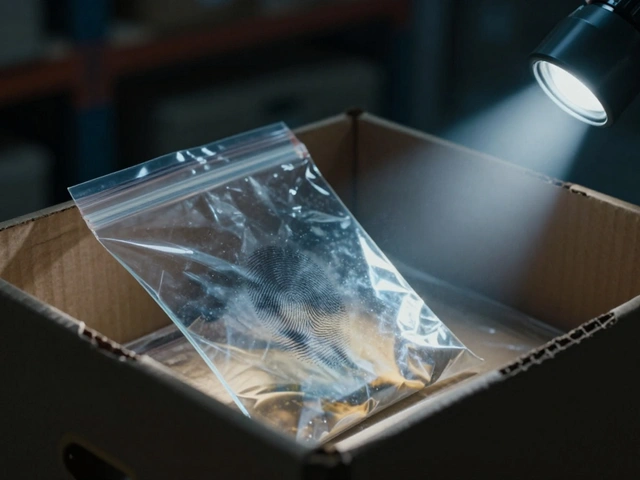
Storage is another factor. Urine degrades. Short-term versus long-term storage options described by the U.S. Department of Justice National Best Practices emphasize freezing specimens if they won't be processed quickly. Temperature control preserves the integrity of the analytes until a lab can run gas chromatography-mass spectrometry (GC-MS).

Analytical Methods in the Lab
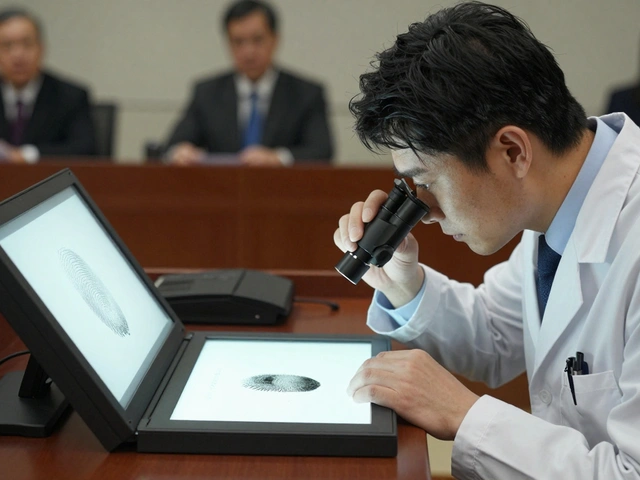
Labs aren't guessing; they are identifying precise molecular structures. Highly specific confirmatory techniques drive the verdicts. Liquid chromatography coupled to mass spectrometry (LC-MS) is the workhorse for ketamine and benzodiazepines. It separates the mixture and identifies the unique mass-to-charge ratio of the drug particles.
Nuclear magnetic resonance (NMR) and infrared spectroscopy (IR) are also employed for complex cases where identification must be indisputable. Rapid advances in electrospray ionization have made LC-MS incredibly sensitive. We can detect minute quantities that older equipment would miss. This precision is essential because the doses in DFSA are often low-just enough to daze, not kill. Standard workplace drug screens miss these nuances entirely.
Impact on Legal Outcomes
Why does all this detail matter? Because it changes the sentence. Courts view incapacitated assaults as more heinous than consensual encounters that went wrong. If toxicology proves the inability to consent due to intoxication, the severity of charges increases. Knowing the specific drug helps reconstruct the scene. Did the victim lose memory? Were they paralyzed? These symptoms align with the pharmacological profile of the substance found. It moves the conversation from "he said, she said" to objective chemical data.
How long do date-rape drugs stay in your system?
Detection varies by substance and sample type. GHB is detectable in urine for only 6 to 12 hours. Rohypnol (flunitrazepam) is rarely found after 24 hours. Benzodiazepines can linger longer, and hair follicle testing can show exposure dating back months.
Can blood tests detect drug use after 24 hours?
For most volatile substances like alcohol or GHB, a blood test is unlikely to yield positive results after 24 hours. However, urine and blood samples collected earlier, or alternative matrices like hair and protein adduct analysis, offer better windows for delayed testing.
What is the difference between GHB and Flunitrazepam?
GHB is a central nervous system depressant produced naturally in small amounts by the body, making background interference an issue. Flunitrazepam is a benzodiazepine manufactured for medicinal use. Both induce sedation, but GHB eliminates much faster in urine.
Is it safe to get tested if I'm unsure about pressing charges?
Yes, you can request a Sexual Assault Forensic Exam (SAFE) solely to preserve evidence. Hospitals often provide this service under anonymous protocols. It preserves the evidence without forcing immediate engagement with law enforcement.
Why is urine preferred over blood for some drugs?
Urine accumulates metabolic waste over time, creating a longer detection window for rapidly eliminated drugs like GHB. Blood reflects the concentration at a single moment in time, which may be too low if the drug has already cleared the bloodstream.