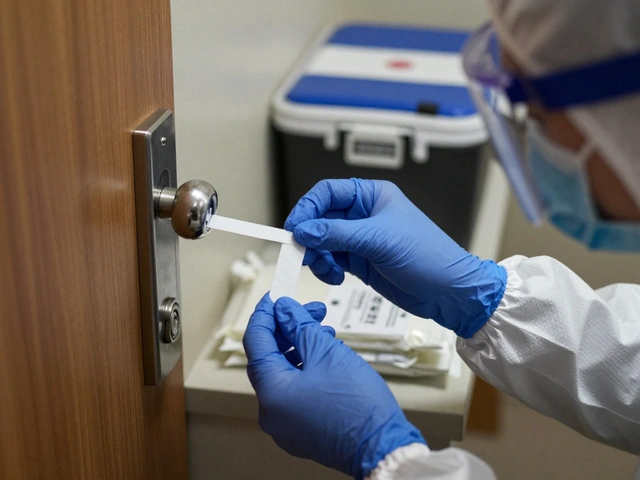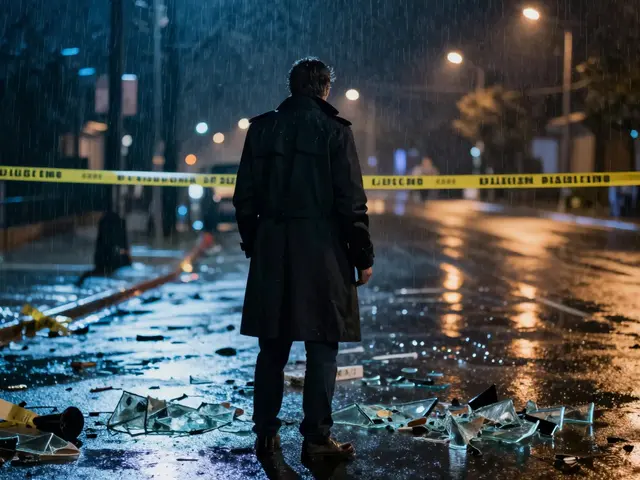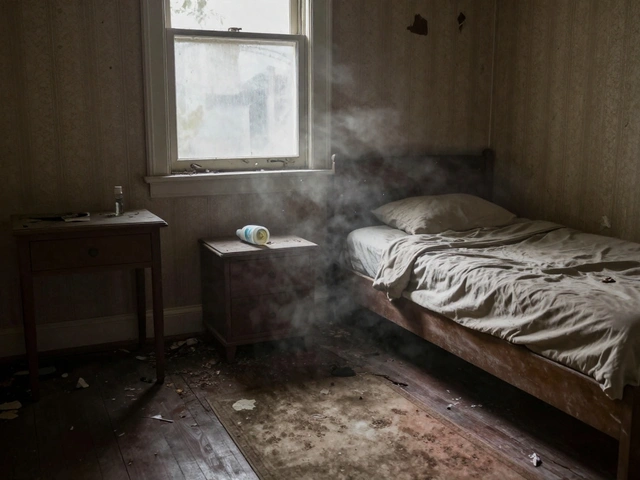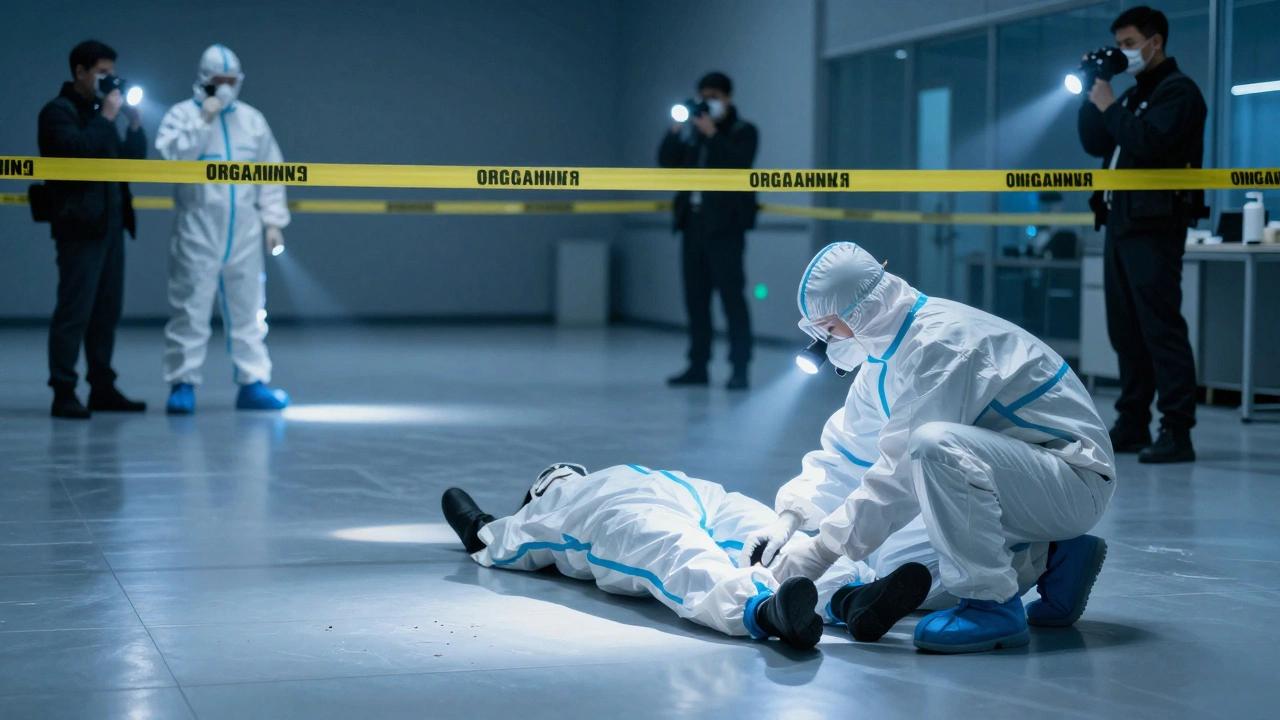
When a detective arrives at a crime scene, the chaos is often overwhelming. Blood, broken glass, and scattered personal items create a mess that seems random. But for a criminal profiler, that mess tells a story. The way a killer interacts with a victim-and what they do afterward-reveals their psychological makeup. This is where the concept of crime scene control comes into play. It isn't just about securing the perimeter; it's about understanding who controlled the environment during the crime.
The most influential framework for this analysis divides offenders into two distinct categories: organized and disorganized. Developed by the FBI's Behavioral Science Unit in the 1970s, this dichotomy helps investigators narrow down suspect pools based on behavioral evidence left behind. If you're studying forensic psychology or just curious about how shows like *Mindhunter* get their facts right, understanding this split is essential.
The Origins of the Organized-Disorganized Dichotomy
This classification system didn't appear out of thin air. It was born from rigorous research conducted by legendary FBI agents, including John Douglas, Robert Ressler, and Roy Hazelwood. They spent years interviewing convicted serial murderers in prisons across the United States.
Their seminal study focused on 36 convicted sexual murderers. Of these, 24 were classified as organized, and 12 as disorganized. The core assumption was simple but powerful: the crime scene reflects the offender’s personality. An organized crime scene suggests an organized person; a chaotic one suggests a disorganized individual. While modern criminology acknowledges that some offenders display mixed traits, this binary model remains the foundation of behavioral profiling.
Profiling the Organized Offender
An organized offender operates with meticulous planning. These individuals are not acting on impulse. They calculate risks, select victims carefully, and execute crimes with precision. Here is what defines them:
- Intelligence and Social Skills: They typically possess average to above-average intelligence. They are socially adept, charming, and often maintain stable relationships or marriages. They hold jobs, though their performance might be mediocre due to lack of interest rather than inability.
- Background: Many come from families with inconsistent parental discipline. They are often high birth order (firstborns) and exhibit antisocial or psychopathic traits without being clinically insane.
- Victim Selection: They target strangers who fit specific criteria. The victim is often lured using verbal manipulation, seduction, or authority rather than brute force.
- Covering Tracks: This is their hallmark. They bring weapons to the scene, wear gloves, and clean up thoroughly. Forensic evidence is scarce because they know how police investigations work.
Consider Ted Bundy. He was charming, intelligent, and used deception to lure victims. His crime scenes showed little evidence because he moved bodies and cleaned up. Another example is Dennis Rader (BTK), who evaded capture for decades by maintaining a normal family life while meticulously planning his murders.
Profiling the Disorganized Offender
In stark contrast, the disorganized offender acts on impulse. Their crimes are sudden, violent, and messy. There is no long-term plan, only immediate gratification or rage.
- Intelligence and Social Skills: They often have below-average intelligence and limited education. They struggle with social interactions, appearing awkward or incompetent. Employment is unstable or non-existent.
- Background: These individuals frequently experienced harsh physical abuse or severe trauma in childhood. They may be suffering from untreated mental illness or substance intoxication at the time of the crime.
- Victim Selection: Victims are chosen opportunistically. The offender lives near the crime scene and targets whoever is available. There is no careful screening.
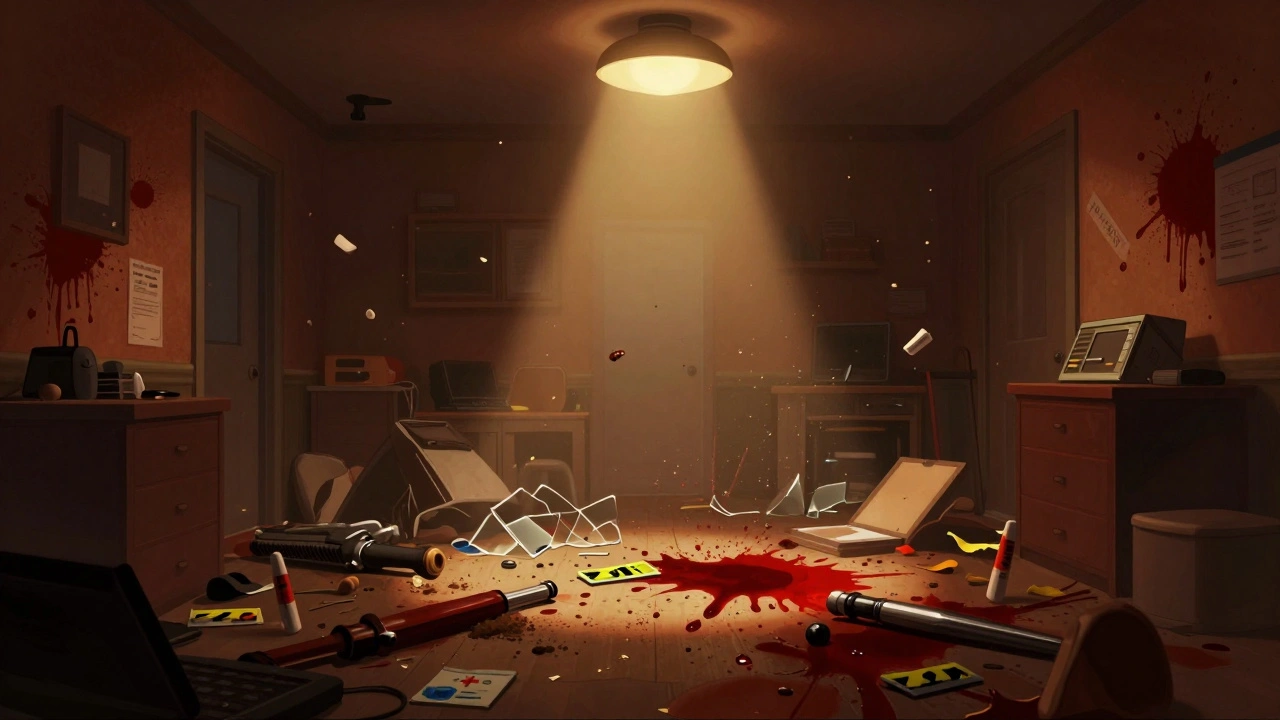
- Covering Tracks: They leave significant forensic evidence. Fingerprints, blood spatter, and improvised weapons (found at the scene) are common. They do not move the body, leaving it exactly where the violence occurred.
A classic historical example is Jack the Ripper. While debated, his crimes displayed sudden violence, lack of concealment, and opportunistic targeting. Modern disorganized offenders often use "blitz" attacks-rapid, overwhelming force that leaves the victim no chance to resist.
Key Differences in Crime Scene Behavior
To truly understand crime scene control, you must look at the physical evidence. The differences between organized and disorganized scenes are stark. Use this table to compare the key indicators.
| Feature | Organized Offender | Disorganized Offender |
|---|---|---|
| Planning | Meticulous, premeditated | Impulsive, unplanned |
| Weapon | Brought to the scene | Improvised at the scene |
| Body Position | Moved or concealed | Left in position of death |
| Forensic Evidence | Minimal (cleaned up) | Abundant (left behind) |
| Victim Restraint | Tied up, controlled | Sudden force, little restraint |
| Media Interaction | Follows news, may contact press | Avoids media, fears spotlight |
| Intelligence | Average to Above Average | Below Average |
The Role of Modus Operandi and Signature
Understanding modus operandi (MO) is crucial for linking crimes. MO refers to the methods an offender uses to commit the crime. For an organized offender, the MO is sophisticated and evolves to avoid detection. For a disorganized offender, the MO is crude and repetitive.
However, there is also the "signature." This is the unique emotional need the offender fulfills during the crime. An organized offender might pose the body to send a message. A disorganized offender might mutilate the face in a rage-driven act. Distinguishing between MO (practical) and signature (emotional) helps profilers understand why the crime happened, not just how.
Limitations and Modern Perspectives
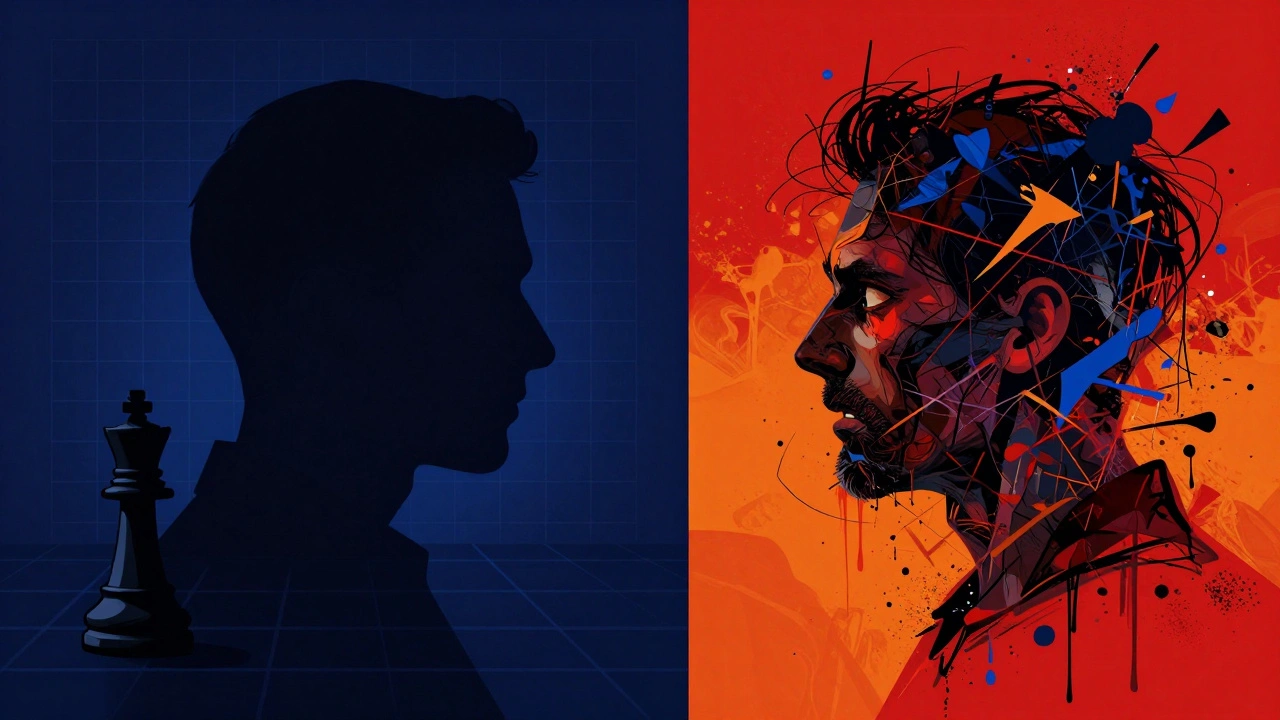
While the organized-disorganized dichotomy is foundational, it is not perfect. Critics point out that many offenders fall somewhere in the middle. Some start as disorganized young offenders and become more organized as they gain experience-a process known as "professionalization." Others may display organized traits in planning but disorganized traits in execution due to panic.
Modern profiling now incorporates more nuanced models, such as the Investigative Decision Process (IDP), which looks at offender behavior in broader contexts. However, for initial triage of a crime scene, the FBI’s original framework remains a vital heuristic tool. It helps detectives ask the right questions early: Did the killer plan this? Did they want to be found?
Practical Application for Investigators
If you are working a case, here is how you apply this knowledge:
- Assess the Scene: Look for signs of staging. Is the body posed? Are there ligature marks suggesting binding? This points to organized behavior.
- Check for Evidence: If DNA and fingerprints are abundant, consider a disorganized profile. If the scene is sterile, expect a savvy, organized suspect.
- Profile the Suspect Pool: For organized crimes, look for employed, socially integrated individuals with possible prior convictions. For disorganized crimes, look for locals with histories of mental health issues or substance abuse.
- Monitor Media: Organized killers often watch the investigation. Anonymous tips or letters to the press can be a sign of an organized offender seeking control.
Crime scene control is about reading the silence between the actions. By recognizing whether a scene was controlled by a calculated mind or a chaotic impulse, investigators can turn a dead end into a breakthrough.
Who developed the organized vs. disorganized offender theory?
The theory was pioneered by the FBI's Behavioral Science Unit in the 1970s. Key figures included John Douglas, Robert Ressler, and Roy Hazelwood, who conducted extensive interviews with convicted serial murderers to establish the behavioral patterns.
Can an offender change from disorganized to organized?
Yes. This phenomenon is known as professionalization. As an offender gains experience, they may learn to cover their tracks better, adopt more planned approaches, and mimic organized behaviors to avoid capture.
What is the difference between MO and signature?
Modus Operandi (MO) refers to the practical methods used to commit the crime (e.g., wearing gloves, bringing a weapon). Signature refers to the unique emotional or psychological needs fulfilled during the crime (e.g., posing the body, specific torture methods).
Why do organized offenders leave less forensic evidence?
Organized offenders are typically forensically savvy. They understand police procedures, so they take steps to remove evidence, such as cleaning the scene, wearing protective gear, and moving the body to a secondary location.
Is the organized-disorganized dichotomy still used today?
Yes, it remains a foundational tool in criminal profiling. While modern techniques offer more nuance, this framework provides a quick and effective way for investigators to generate initial suspect profiles and predict offender behavior.