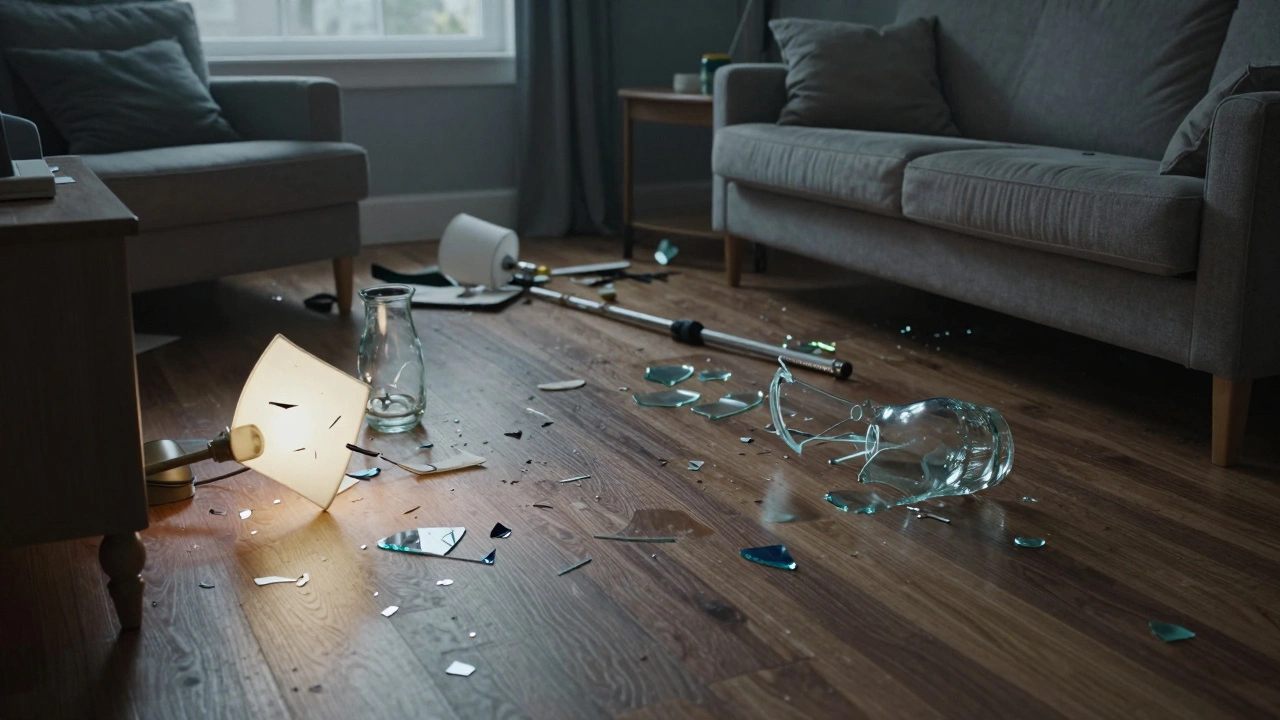
The Legal Shift: When Intent Moves
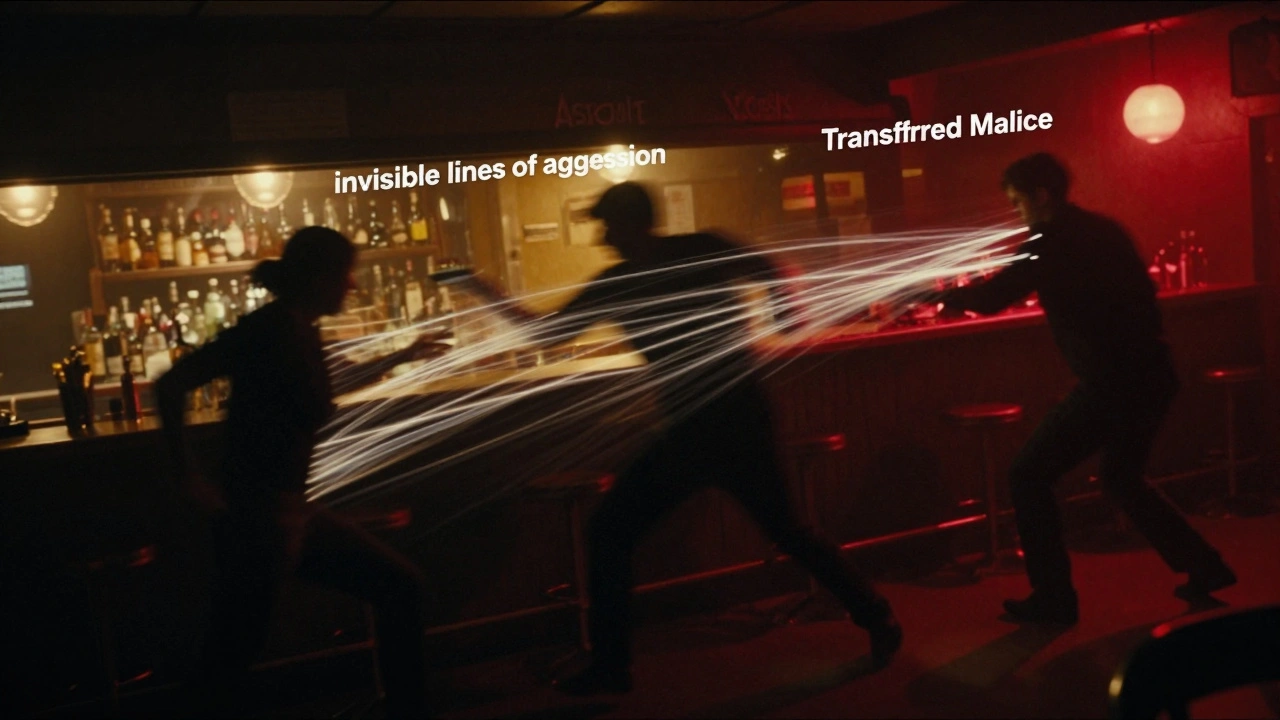
One of the most confusing parts of a struggle is when the intended target isn't the one who gets hurt. In the legal world, this is handled by Transferred Malice, a doctrine where the intent to harm one person "transfers" to the actual victim. Think of a bar fight where Person A tries to punch Person B, but Person B ducks, and Person A hits Person C instead. Even though Person A never intended to touch Person C, the law treats the intent as if it were directed at them from the start. This becomes incredibly complex in multi-person struggles. If three people are fighting, the sequence of who struck whom and who was the original target creates a web of culpability. Investigators have to piece together the timeline to figure out if a strike was a planned attack or a byproduct of a chaotic environment.The Psychology of the Fight: The Assault Cycle
Violence rarely happens in a vacuum. It usually follows a predictable pattern known as the Assault Cycle. By understanding these five phases, forensic experts can better interpret the physical evidence left behind.- The Trigger: This is the spark. It could be a fear-inducing event or a frustrating situation where a person feels their demands are being ignored.
- Escalation: The "warm-up." The body primes itself for a fight. You might see evidence of taunting or pacing here.
- The Crisis: The explosion. This is where the actual physical struggle happens-the pushing, hitting, and scratching that leave behind the most trace evidence.
- Recovery: The immediate aftermath. The body relaxes, and vigilance drops. This is often when perpetrators try to manipulate the scene.
- Post-Crisis Depression: The crash. Guilt and fatigue set in as the body returns to its baseline state.
Assault vs. Battery: Why the Distinction Matters
In common conversation, we use "assault" to describe any attack. In forensics and law, they are very different. Assault is the *threat* or *attempt* to cause harm. It is the act of swinging a fist that misses or threatening someone with a knife. Battery is the actual physical contact-the punch that lands, the cut from the knife. Why does this matter for transfer dynamics? Because transfers happen at both stages. An assault (the threat) can cause a victim to flee, leaving behind trace evidence in a different area of the house. A battery (the contact) causes the actual exchange of skin cells, fabric fibers, and hair. If an investigator only looks for battery evidence, they might miss the psychological trail of the assault that led up to it.| Feature | Assault | Battery |
|---|---|---|
| Physical Contact | Not required | Required |
| Primary Evidence | Witness testimony, recordings, footprints from flight | Bruises, DNA, torn clothing, blood spatter |
| Core Element | Fear/Threat of harm | Actual physical injury/touching |
| Transfer Type | Behavioral/Psychological | Physical/Biological |
The Danger of Cross-Allegations in Domestic Violence
In domestic and intimate partner violence, cross-transfer dynamics take a darker turn through "mutual allegations." This is when both people in a struggle claim the other person started it. If an investigator uses an "incident-based" approach-only looking at the specific fight-they might conclude that both parties are equally abusive. This is a dangerous mistake. Often, what looks like mutual abuse is actually Violent Resistance. This happens when a victim of long-term control finally snaps and fights back. The physical evidence of the fight might look the same for both parties, but the *pattern* is entirely different. One person is using violence to maintain power; the other is using violence to survive. To fix this, experts use the Perpetrator Pattern Mapping Tool (PPMT). Instead of just listing what happened during the fight, the PPMT uses a two-column method to track behavior over time. For example, if Person A stopped Person B from leaving the house, that is a controlling behavior. If Person B then tried to grab Person A's phone to call for help, and a fight broke out, Person B's actions are contextualized as resistance, even if they left a bruise on Person A. Without this pattern mapping, the victim can be mislabeled as the perpetrator, losing access to vital support services.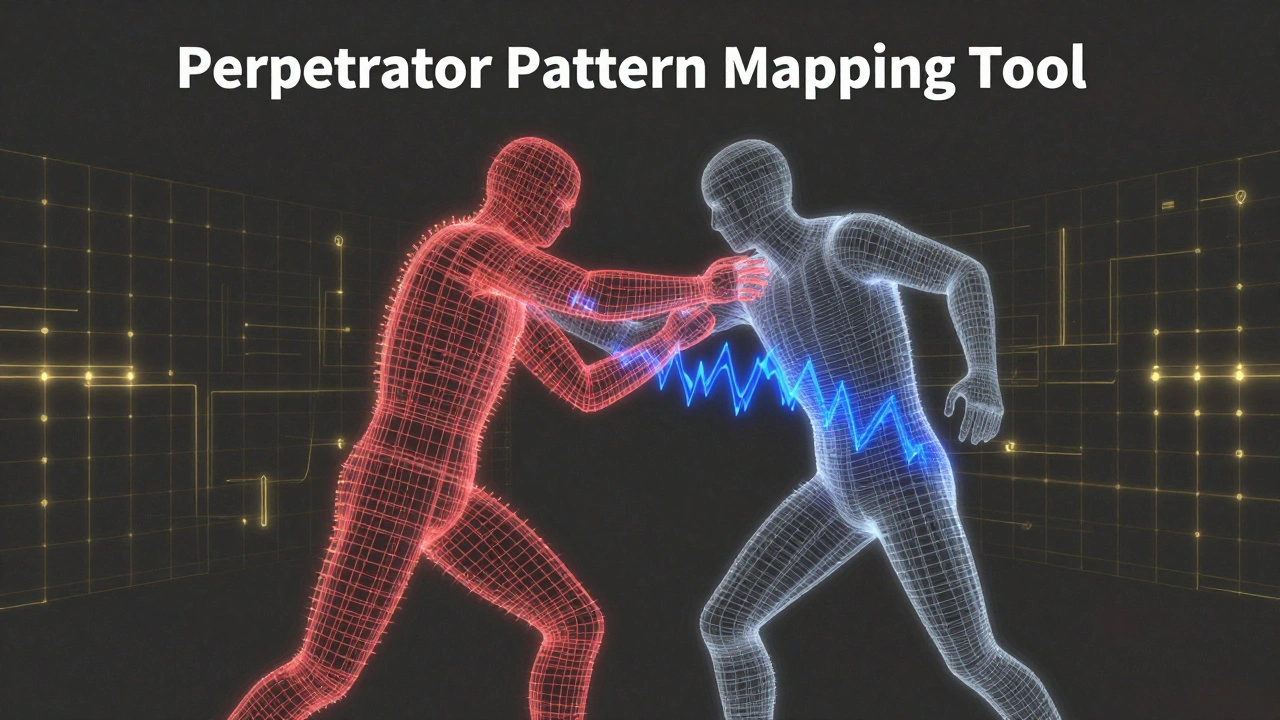
Power and Control in Sexual Assault
Sexual assault dynamics follow a different but related transfer of control. It rarely starts with a physical struggle. Instead, it often begins with Grooming. This is a process where the perpetrator slowly violates a victim's boundaries over days or months to test their reactions and build a false sense of trust. In these scenarios, the "transfer" is the gradual shift of power from the victim to the aggressor. Perpetrators often target people they perceive as vulnerable-those who are isolated or impaired by alcohol. By the time the physical struggle occurs, the perpetrator has already spent weeks eroding the victim's defenses. This explains why some victims may not show "traditional" signs of struggle (like torn clothes) even when the assault was non-consensual; the psychological control was established long before the physical act.Systemic Responses: SARTs and CCRs
Handling these complex dynamics requires more than just one detective. It requires a multidisciplinary approach. Sexual Assault Response Teams (SARTs) and Coordinated Community Response (CCR) teams bring together medical professionals, law enforcement, and victim advocates. When these teams work together, they can combine the physical trace evidence (DNA, bruising) with the behavioral patterns (grooming, control dynamics) to build a much stronger case. However, it isn't always easy. Combining these responses can be tricky because domestic violence and sexual assault share similarities that can lead to training gaps if the teams aren't carefully managed.What is the difference between transferred malice and cross-transfer dynamics?
Transferred malice is a specific legal doctrine where the intent to harm one person is shifted to the person who was actually harmed. Cross-transfer dynamics is a broader term encompassing the physical exchange of evidence, the psychological shift in aggression, and the legal movement of culpability during a struggle.
How do investigators tell the difference between a perpetrator and a victim in mutual abuse cases?
They move away from "incident-based" analysis and use "pattern-based" analysis. Tools like the Perpetrator Pattern Mapping Tool (PPMT) help them see if the violence is used for control (perpetrator) or as a means of resistance and survival (victim).
Why is grooming considered part of the dynamics of assault?
Grooming is the process of boundary violation. It establishes a power imbalance and prepares the victim to be more receptive or compliant, making the eventual physical assault easier for the perpetrator to execute and harder for the victim to resist.
Can a person be charged with battery if they only intended to commit assault?
Yes. If the attempt to harm (assault) results in actual physical contact or injury, it becomes battery. The legal focus shifts from the threat of harm to the actual execution of that harm.
What happens during the recovery phase of the assault cycle?
During the recovery phase, the aggressor's physical arousal decreases and their vigilance drops. They often believe the confrontation is over, which can lead them to make mistakes, leave behind evidence, or attempt to manipulate the victim into believing the event wasn't serious.