When someone collapses after taking what they thought was a harmless party drug, forensic toxicologists don’t just look for cocaine or MDMA. They scan for something far more dangerous and harder to detect: synthetic cathinones. These aren’t ancient street drugs. They’re lab-made stimulants, constantly redesigned to slip past laws, and they’re showing up in emergency rooms, morgues, and drug tests across the U.S. - including here in Portland.
What Are Synthetic Cathinones?
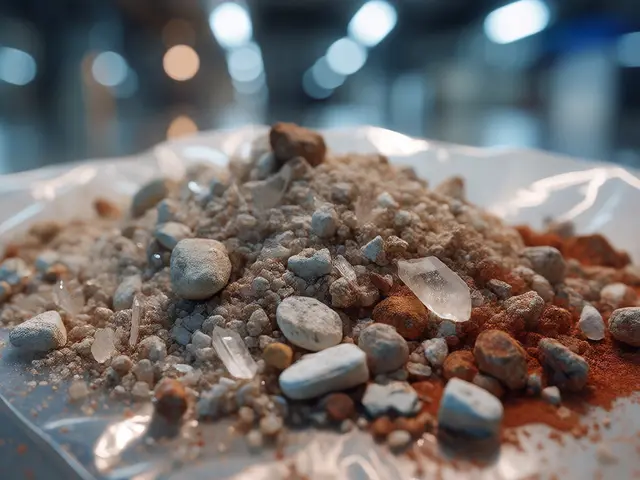
Synthetic cathinones are man-made chemicals built to mimic the effects of cathinone, the natural stimulant found in the khat plant. But unlike khat, which has been chewed for centuries in parts of Africa and the Middle East, these lab versions are far more potent and unpredictable. They’re sold under names like "bath salts," "plant food," or "research chemicals," often packaged to look harmless. The truth? They’re powerful stimulants that hijack your brain’s reward system.Chemically, they’re similar to amphetamines - but with one key difference: a ketone group. That small change makes them behave differently in the body. The most common variants are mephedrone, methylone, and alpha-PVP (also called "flakka"). Alpha-PVP is especially dangerous. It’s not just a stimulant. It’s a dopamine and norepinephrine bulldozer, flooding your system with chemicals that trigger panic, aggression, and extreme hyperactivity.
How Do They Work in the Brain?
These drugs don’t just make you feel good - they rewire your brain’s signaling. Synthetic cathinones force neurons to dump out massive amounts of dopamine, serotonin, and norepinephrine. They also block the brain’s natural cleanup system, so those chemicals stick around longer than they should. The result? A rush of energy, euphoria, and heightened senses.At low doses, users report feeling alert, talkative, and sexually aroused. Some say they feel more connected to music or people. But this is where the danger begins. The same chemistry that creates pleasure also triggers fear. As doses climb, serotonin levels spike so high they push the brain into a state that looks like serotonin syndrome - confusion, muscle rigidity, overheating. Meanwhile, dopamine surges cause agitation, paranoia, and hallucinations. At high doses, the brain loses control. People have been seen climbing walls, tearing off clothes, or attacking others - not because they’re violent by nature, but because their brain chemistry has completely broken down.
How Fast and How Long?
The timeline of a cathinone high is brutal in its precision. If snorted - which is the most common way - effects hit within 10 to 20 minutes. Peak intensity comes in 45 to 90 minutes. The high lasts 2 to 3 hours, but the crash? That lingers for 6 to 12 hours. Many users don’t wait for the crash. They take another dose, then another. This cycle of redosing is what turns a single night into a multi-day spiral.Oral ingestion delays the onset to about 90 minutes, but the effects last longer - up to 8 hours. Injecting? That’s a whole other level of risk. Veins collapse. Skin infections spread. And sharing needles? That’s how hepatitis C and HIV spread through populations that never expected to be at risk.

What Are the Real-World Effects?
In the ER, these drugs show up as a nightmare combo: racing heart, high blood pressure, extreme body temperature, and violent agitation. Emergency responders in Oregon have reported patients with body temps over 108°F - hot enough to melt muscle tissue. Seizures are common. Heart rhythms go haywire. Some die from cardiac arrest before they even reach the hospital.Psychiatric effects are just as alarming. Users report terrifying hallucinations - seeing insects crawling under their skin, believing they’re being chased, or thinking they’re invincible. These aren’t just "bad trips." They’re neurological breakdowns. One study found that alpha-PVP users were 17 times more likely to require sedation than those who used methamphetamine. And unlike meth, which takes years to cause brain damage, cathinones can trigger psychosis after just one use.
Why Are They So Dangerous?
The biggest problem? No one knows what’s in the bag. Street dealers don’t test their product. Labs keep tweaking the chemical structure - changing one atom, swapping a methyl group for an ethyl group - to stay one step ahead of the law. What was banned last month is already back on the streets under a new name. A batch labeled "mephedrone" might actually contain 3-FMC, alpha-PVP, and a third unknown compound. The dose? Unpredictable. The effects? Unknowable.And then there are the interactions. Mixing cathinones with alcohol? Bad. With opioids? Deadly - the stimulant masks the depressant, so users take more than they should. Combine them with MDMA? You’re asking for serotonin overload. With cocaine? Double the heart strain. There’s no safe mix. And because these drugs aren’t regulated, users have no way to know what they’re taking - or how much.
Long-Term Damage and Addiction
Chronic use doesn’t just wear you out - it rewires your brain. Users develop tolerance quickly, needing more just to feel normal. Withdrawal hits hard: crushing fatigue, depression, hot flashes, and an intense, almost physical craving. Sleep disappears. Appetite vanishes. Some users report being unable to feel pleasure from anything - food, music, even family - for weeks after stopping.Neurotoxicity is still being studied, but early evidence shows cathinones damage dopamine and serotonin systems differently than traditional stimulants. Some variants, like 4-CMC, are actually more potent than their amphetamine cousins. The brain’s reward pathway gets so overstimulated it starts shutting down. That’s why many long-term users never fully recover their emotional balance.

Forensic Detection Challenges
In toxicology labs, identifying these drugs is a race against time. Standard drug screens don’t catch most synthetic cathinones. Labs need specialized mass spectrometry to spot them. Even then, new variants pop up faster than reference standards can be created. In 2025, Oregon’s forensic lab identified over 18 different cathinone analogs in seized samples - more than ever before. Many of these compounds weren’t even on the DEA’s watch list six months earlier.That’s why forensic toxicology is now the frontline defense. Blood and urine tests are the only way to confirm exposure. But by the time a sample is collected, the drug may have already cleared the system. Hair tests can show use over weeks, but they’re not used in emergency cases. So labs rely on a combination of clinical symptoms, toxicology reports, and real-time intelligence from street-level drug monitoring.
Legal Status and the Cat-and-Mouse Game
The DEA has banned over 40 cathinone variants since 2011. But manufacturers just tweak the molecule - change a carbon chain, add a fluorine atom - and call it a new compound. It’s like a chemical game of whack-a-mole. One day it’s illegal. The next, it’s sold openly online as "not for human consumption." By the time regulators act, it’s already in circulation.Some states have passed analog laws that ban entire classes of chemicals. But enforcement is patchy. In Oregon, possession of any cathinone derivative is a Class A misdemeanor. But without a clear lab report, prosecutors struggle to prove what was actually in the substance. This legal gray zone is why these drugs keep spreading.
What’s Next?
The rise of synthetic cathinones shows how easily chemistry can outpace law, medicine, and public awareness. These aren’t just "party drugs." They’re neurochemical weapons, designed for profit, not pleasure. Forensic labs are the only ones who can identify them. Emergency rooms are the only ones who can save lives. And until we treat these substances as the public health crisis they are - not just a criminal issue - more people will die.There’s no magic bullet. But better lab tools, faster regulatory updates, and public education about the real risks - not the marketing - are the only ways forward.
Are bath salts the same as methamphetamine?
No. While both are stimulants, bath salts (synthetic cathinones) have a different chemical structure and act more aggressively on serotonin and dopamine systems. Methamphetamine primarily targets dopamine, while cathinones like mephedrone and alpha-PVP flood both dopamine and serotonin, leading to more intense psychological effects like paranoia and hallucinations. They also have shorter half-lives and are more likely to cause acute overheating and seizures.
Can you overdose on synthetic cathinones?
Yes - and it’s often fatal. Overdose symptoms include extreme hyperthermia (body temperature above 107°F), seizures, heart arrhythmias, kidney failure, and violent aggression. Deaths from alpha-PVP alone have been documented in multiple states, including Oregon. Unlike opioids, there’s no antidote like naloxone. Treatment is supportive: cooling the body, sedating the patient, and stabilizing heart function. Survival depends on how fast medical help arrives.
Why are synthetic cathinones hard to detect in drug tests?
Standard urine drug screens look for common drugs like cocaine, marijuana, or meth. Synthetic cathinones have unique chemical structures that don’t trigger those tests. Labs need advanced tools like gas or liquid chromatography-mass spectrometry (GC-MS or LC-MS) to identify them. Even then, new variants appear faster than reference standards can be developed. This means many positive cases go undetected unless the lab is specifically testing for cathinones.
Do synthetic cathinones cause addiction?
Absolutely. Studies show these drugs activate the brain’s reward pathway more intensely than cocaine in some cases. Users develop tolerance quickly and experience severe withdrawal symptoms - including depression, fatigue, and cravings - within 48 hours of last use. Animal studies confirm they have high abuse potential, especially compounds with high dopamine transporter binding. Addiction is real, and recovery often requires long-term behavioral therapy.
Are there any safe or legal versions of these drugs?
No. Any product sold as "bath salts," "research chemicals," or "plant food" containing cathinones is illegal in the U.S. and most countries. Even if labeled "not for human consumption," these substances are still controlled under analog laws. There is no legal, safe, or regulated version of synthetic cathinones available to the public. Any claim otherwise is false and dangerous.