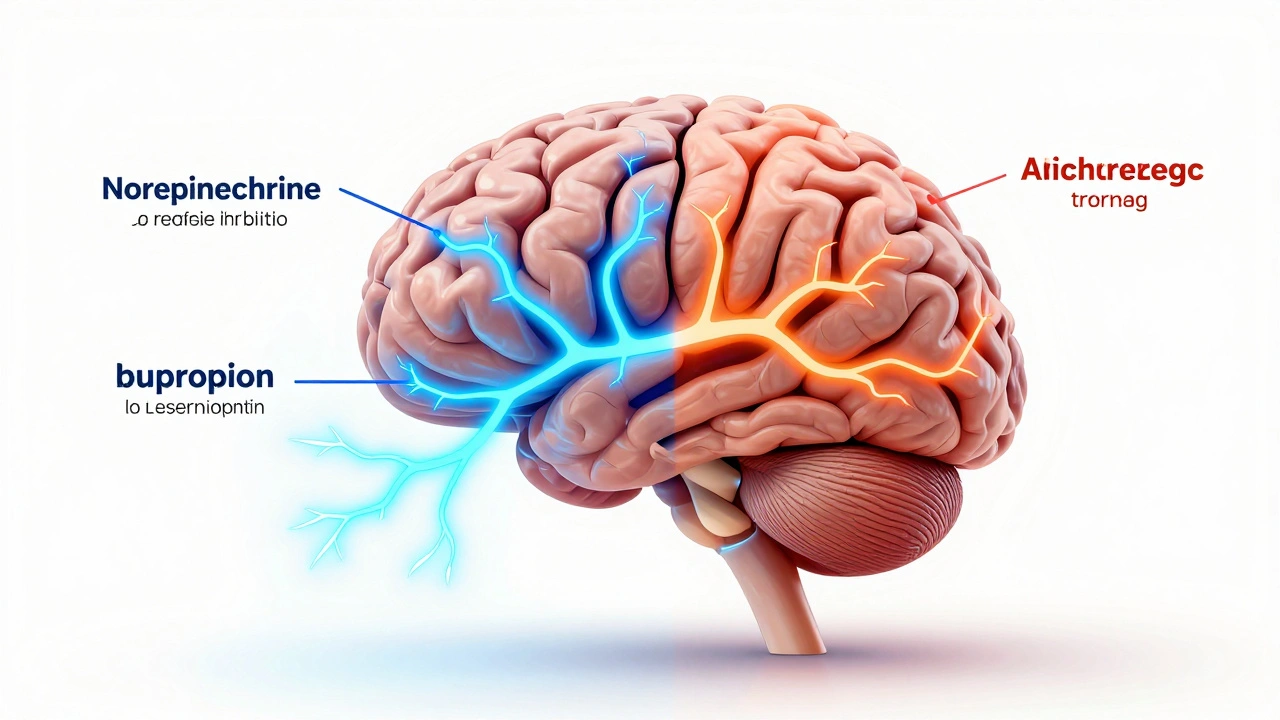
When a toxicology report shows bupropion is an atypical antidepressant that functions as a norepinephrine-dopamine reuptake inhibitor (NDRI) alongside tricyclic antidepressants are a class of older antidepressants known for their distinct side effect profile and overdose risks, the immediate question isn't just about depression treatment. It’s about safety. Specifically, seizure risk. In forensic investigations, distinguishing between therapeutic use, accidental overdose, and intentional self-harm requires understanding how these drugs interact with the brain’s electrical stability. Bupropion carries a significantly higher seizure risk than most other antidepressants, while TCAs present different, yet serious, cardiovascular and neurological dangers.
The Core Problem: Why Seizures Happen
To interpret seizure risk correctly, you first need to understand why these specific medications trigger seizures. Unlike selective serotonin reuptake inhibitors (SSRIs), which primarily boost serotonin levels, bupropion works by blocking the reuptake of norepinephrine is a neurotransmitter involved in the body's stress response and alertness and dopamine is a neurotransmitter associated with reward, motivation, and movement. This mechanism makes it effective for certain patients but creates a unique vulnerability. The hypothalamus, a critical part of the brain regulating homeostasis, becomes hypersensitive to these elevated catecholamine levels. This stimulation lowers the seizure threshold, making electrical storms in the brain more likely.
Tricyclic antidepressants, on the other hand, work differently. They block the reuptake of both serotonin and norepinephrine but also have strong anticholinergic properties. While they do carry a seizure risk, it is generally lower than that of bupropion at therapeutic doses. However, in overdose scenarios, TCAs can cause severe cardiac arrhythmias and hypotension, which complicate the clinical picture and can lead to secondary seizures due to reduced oxygen flow to the brain.
Bupropion’s Seizure Profile: Dose-Dependent Danger
Bupropion is not just a mild risk; it is the antidepressant with the strongest seizure signal among all evaluated classes. According to data from the FDA Adverse Event Reporting System (FAERS), bupropion has a Reporting Odds Ratio (ROR) for seizures of 8.63. To put that in perspective, this is nearly double the ROR of amitriptyline, a common TCA, which sits at 4.65. This statistic alone should make any clinician or forensic analyst pause.
The risk is heavily tied to dosage. At therapeutic doses of 450 mg per day or less, the seizure incidence ranges from 0.35% to 0.44%. That might sound small, but it is four times higher than the risk associated with many other marketed antidepressants. When doses exceed 450 mg daily, especially with the Immediate Release (IR) formulation, the risk jumps tenfold. This narrow therapeutic window means that even slight deviations in dosing can lead to catastrophic outcomes.
| Antidepressant Class | Representative Drug | Reporting Odds Ratio (ROR) | Therapeutic Seizure Incidence |
|---|---|---|---|
| NDRI | Bupropion | 8.63 | 0.35% - 0.44% |
| TCA | Amitriptyline | 4.65 | ~0.1% - 0.3% |
| TCA | Imipramine | 3.38 | ~0.1% - 0.2% |
| SSRI | Sertraline | < 1.0 | ~0.1% |
| SNRI | Venlafaxine | ~2.0 | ~0.3% |
Formulation Matters: IR vs. SR/XR
Not all bupropion is created equal when it comes to safety. The formulation plays a massive role in seizure likelihood. The original Immediate Release (IR) version was notorious for causing spikes in blood concentration, leading to those tenfold increases in seizure risk at higher doses. This led to the development of Sustained Release (SR) and Extended Release (XR) formulations.
In studies involving over 3,000 patients taking bupropion SR doses between 50 and 300 mg, the seizure incidence dropped dramatically to 0.1%. This rate is comparable to the general population’s seizure rate and similar to SSRIs. For forensic interpretation, finding XR or SR forms in a patient’s history suggests a more controlled, albeit still risky, administration compared to IR. If an investigation reveals crushed tablets or irregular dosing patterns, the risk profile shifts back toward the dangerous IR-like spike.

Overdose Dynamics: What Happens When Things Go Wrong
In cases of suspected overdose, the timeline and symptoms provide crucial clues. Bupropion overdoses are particularly insidious because seizures can occur anywhere from 30 minutes to 24 hours after ingestion. About 25% of seizures happen more than 8 hours post-ingestion, meaning a patient who seems stable initially can suddenly deteriorate.
At doses above 2.7 grams, seizures become highly probable, often accompanied by encephalopathy and cardiovascular effects. Over 10 grams introduces significant cardiac toxicity. A key marker in these cases is QTc prolongation. While a QTc interval greater than 500 milliseconds increases seizure risk with an odds ratio of 3.4, remember that the mean QTc for patients experiencing seizures was actually 482 ms. This means you cannot rule out seizure risk just because the QTc is under 500 ms. Additionally, half of overdose patients experience multiple seizures rather than a single event, complicating medical management and increasing the likelihood of long-term neurological damage.
Predisposing Factors: Who Is Most at Risk?
Not everyone reacts the same way to these medications. Certain factors drastically increase the likelihood of seizures. The FDA explicitly contraindicates bupropion for individuals with a history of epilepsy or seizure disorders. Other high-risk factors include:
- History of head trauma
- Presence of central nervous system (CNS) tumors
- Severe hepatic cirrhosis, which impairs drug metabolism
- Concomitant use of other medications that lower seizure thresholds
In forensic analyses, identifying these predisposing factors helps determine whether a seizure was an expected adverse reaction or an anomaly. For instance, if a patient with severe liver disease took a standard dose of bupropion and seized, the toxicology report must highlight the metabolic impairment as a contributing factor.

Clinical Nuances: ECT and Conflicting Data
Interestingly, bupropion’s ability to lower seizure thresholds is sometimes used intentionally. In electroconvulsive therapy (ECT), bupropion can be administered to modulate seizure duration and intensity, potentially improving therapeutic outcomes for depressed patients. This dual nature-dangerous in overdose, useful in controlled settings-highlights the complexity of interpreting its presence in a toxicology screen.
However, recent systematic reviews have presented conflicting findings. Some studies suggest bupropion has a relatively low correlation with seizures compared to other agents, ranking it 10th among antidepressants. These discrepancies likely stem from differences in study populations, dosing regimens, and whether IR or XR formulations were used. As a forensic professional, you must weigh the robust FAERS data against these newer, potentially methodologically flawed reviews. The consensus remains clear: bupropion poses a unique and elevated risk.
Practical Takeaways for Forensic Interpretation
When reviewing a case involving bupropion and TCAs, focus on these key points:
- Dosage Context: Determine if the patient was on therapeutic doses (<450 mg/day) or if there was evidence of overdose (>2.7 g). Therapeutic use still carries a 0.4% seizure risk, but overdose changes the narrative entirely.
- Formulation Check: Identify if the medication was IR, SR, or XR. IR formulations carry exponentially higher risks.
- Cardiac Markers: Look for QTc prolongation and other cardiac abnormalities, which often accompany bupropion-induced seizures in overdose cases.
- Comorbidities: Assess for liver disease, head trauma, or prior seizure history, which amplify risk.
- Timing: Remember that seizures can occur up to 24 hours post-ingestion, so early negative findings do not rule out bupropion toxicity.
Understanding these dynamics ensures that your interpretation is not just reactive but predictive, helping clinicians and legal teams make informed decisions based on solid pharmacological evidence.
What is the seizure risk of bupropion compared to SSRIs?
Bupropion has a significantly higher seizure risk than SSRIs. While SSRIs typically show a seizure incidence of around 0.1%, bupropion’s incidence at therapeutic doses ranges from 0.35% to 0.44%, making it approximately four times more likely to cause seizures.
Can bupropion cause seizures at therapeutic doses?
Yes. Even at recommended doses of up to 450 mg per day, bupropion carries a measurable seizure risk of 0.35%-0.44%. This risk is dose-dependent and higher than most other antidepressant classes.
How does the formulation of bupropion affect seizure risk?
The formulation matters greatly. Immediate Release (IR) bupropion leads to a tenfold increase in seizure incidence at doses above 450 mg. Sustained Release (SR) and Extended Release (XR) formulations reduce this risk significantly, bringing incidence down to 0.1%, comparable to the general population.
What are the signs of bupropion overdose?
Signs include seizures (which can occur 30 minutes to 24 hours after ingestion), encephalopathy, cardiac arrhythmias, and QTc prolongation. Over 2.7 grams, seizures become increasingly likely, and over 10 grams, severe cardiac toxicity may occur.
Are there specific patient groups who should avoid bupropion?
Yes. Bupropion is contraindicated in patients with a history of epilepsy, seizure disorders, head trauma, CNS tumors, or severe hepatic cirrhosis. These conditions significantly elevate the risk of seizure occurrence.