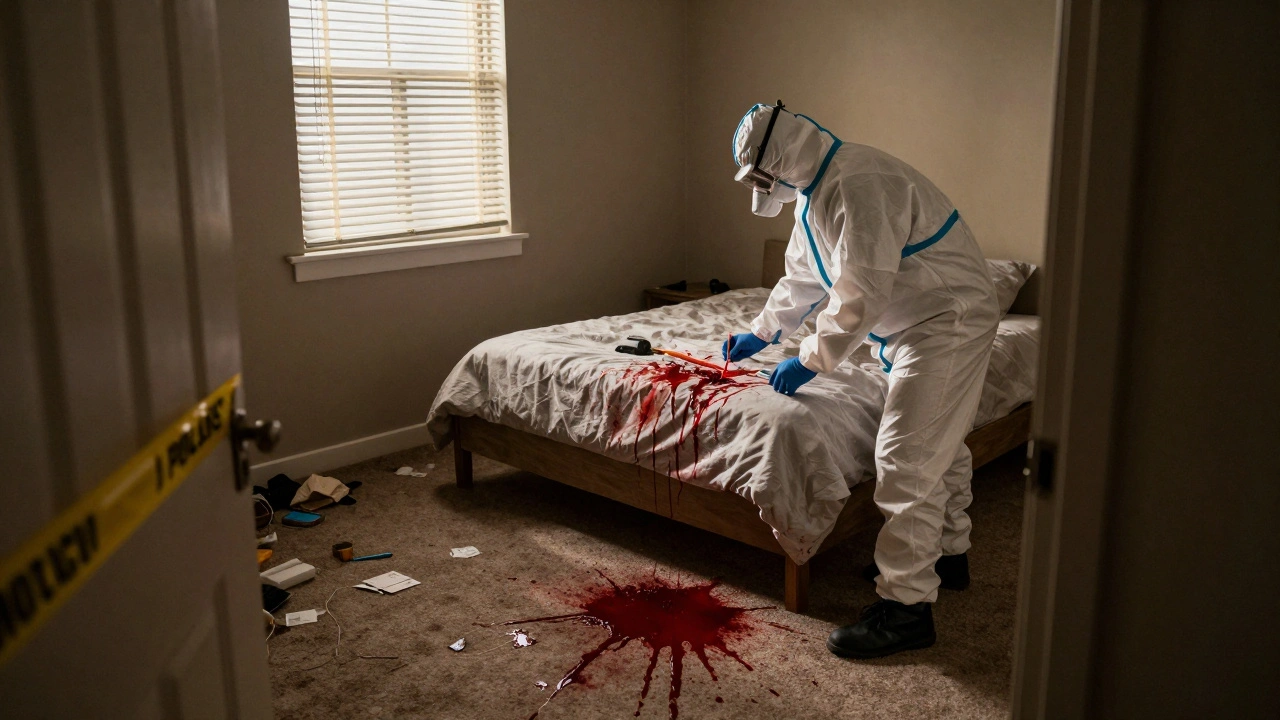
When a violent crime, suicide, or unattended death happens in a home or business, the emotional toll is overwhelming. But long before grief settles, a grim practical question emerges: who pays for crime scene cleanup? Many assume police or emergency crews handle it. Others think insurance automatically covers it. The truth is far more complicated - and if you don’t understand your responsibility, you could be left with thousands in unexpected bills, or worse, exposed to dangerous biohazards.
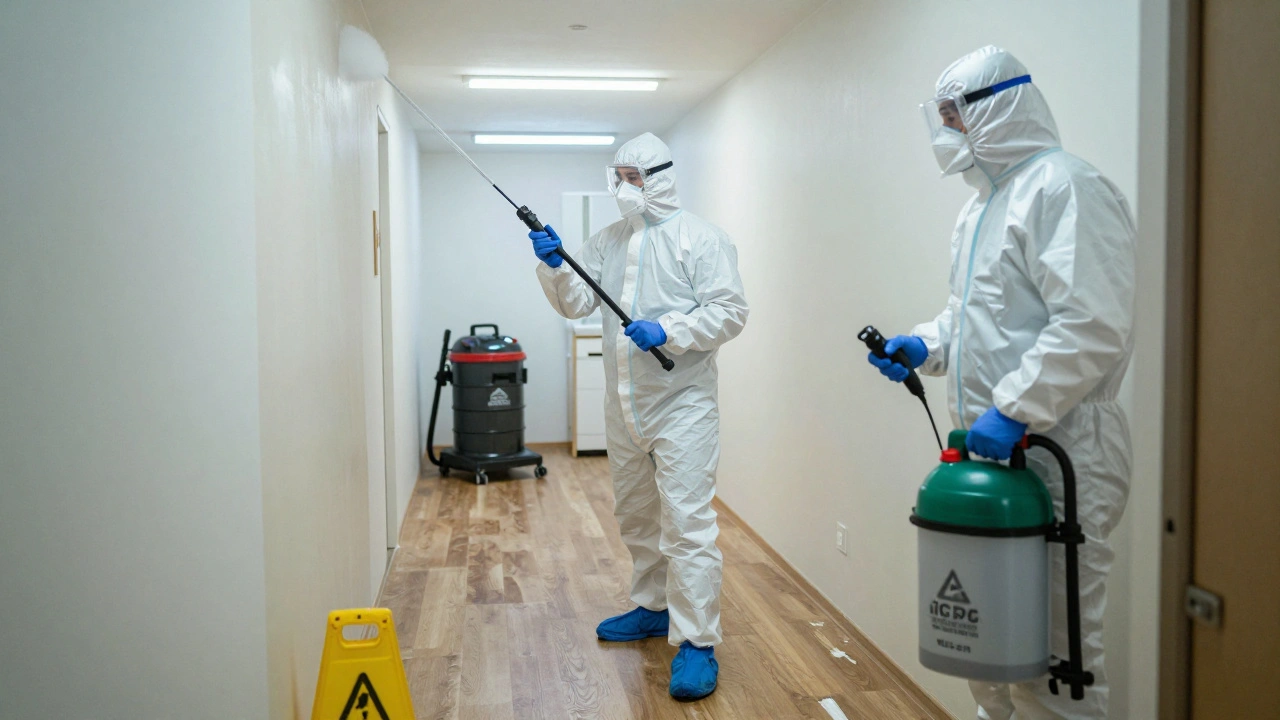
Crime scene cleanup isn’t just mopping up blood. It’s a regulated biohazard remediation process. This involves removing blood, bodily fluids, tissues, and other infectious materials using hospital-grade disinfectants, specialized PPE, and licensed medical waste disposal. The CDC and OSHA treat these scenes as high-risk environments. Left untreated, pathogens like HIV, hepatitis B, and hepatitis C can linger for weeks - even months - on surfaces, carpets, and drywall. The average cleanup takes 3 to 7 days. Complex cases, like unattended deaths where decomposition has occurred, can stretch to 14 days or more.
The Property Owner Is Almost Always Responsible
Here’s the hard truth: the property owner pays. Whether it’s a rented apartment, a family home, or a commercial space, the legal duty to restore the property to a safe condition falls on the owner. This isn’t a suggestion - it’s the standard across all 50 states. Police and EMS respond to the incident. They secure the scene, collect evidence, and clear the area. But they don’t clean. That’s not their job. And if you wait for someone else to step in, you’re risking health hazards and delaying recovery.
Advanced Bio-Treatment confirms this: “It’s the owner of the home, business or other type of property who is almost always responsible for biohazardous decontamination.” This applies even if the incident was caused by someone else - like a violent intruder or a tenant who died alone. The cleanup isn’t a public service. It’s a property restoration issue. And that responsibility doesn’t vanish because the event was traumatic.
Homeowners Insurance: Your Best Bet - But Not Guaranteed
Most property owners turn to insurance first. And for good reason. About 85% of standard homeowners policies include some level of coverage for biohazard cleanup under dwelling or additional living expenses sections. But coverage isn’t automatic. It’s often capped. Most policies limit cleanup reimbursement to $1,000 to $5,000. The national average cleanup cost? Between $3,000 and $5,000. So even if you’re covered, you might still owe hundreds - or thousands - out of pocket.
Here’s where things get messy. Insurance companies are tightening rules. Since 2022, claim denials for biohazard cleanup have jumped 22%. Why? Two big reasons:
- Policy exclusions: Some insurers now exclude suicide-related cleanup - especially if the homeowner knew about prior mental health issues. Robert Jenkins, a property law expert, says this affects roughly 18% of homeowners.
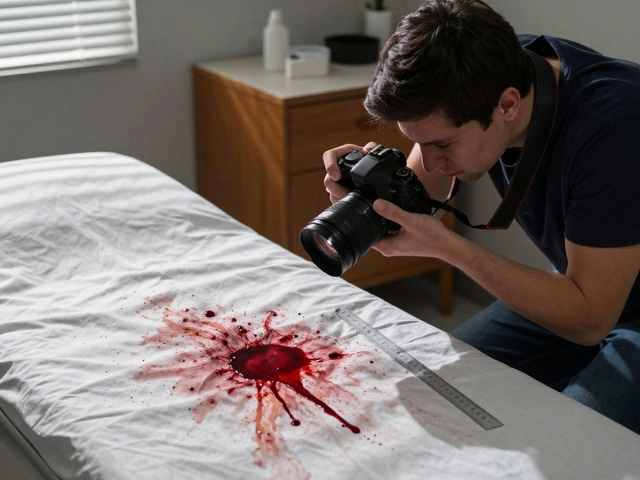
- Missing documentation: Nearly 40% of denied claims happen because the owner didn’t take clear photos of the scene before cleanup began. Insurers require proof of contamination extent. Without it, they won’t pay.
And here’s another trap: 62% of new homeowners policies in 2025 require a separate biohazard remediation rider. If you didn’t buy one, you might have zero coverage. Check your policy. Don’t assume.
Renter’s Insurance: Partial Coverage - If You Have It
If you’re a renter, your chances of coverage are lower. About 65% of renter’s insurance policies include biohazard cleanup, but limits are usually lower - $1,000 to $2,500. And if the incident was caused by you or someone you allowed in the home? Your policy might not cover it at all. Landlords aren’t required to cover cleanup unless state law says otherwise. Only 12% of states have laws forcing landlords to use security deposits or pay directly. In most places, the renter’s insurance (or the renter’s pocket) picks up the bill.
State Victim Compensation Programs: A Lifeline for Families
When insurance falls short - and it often does - state victim compensation programs can help. All but one state (Alabama) offer financial aid for crime-related expenses, including cleanup. These programs are designed for victims and their families, not property owners. So if a homicide or assault occurred, the surviving family members can apply.
Typical awards range from $1,000 to $10,000. California’s AB 1842, passed in January 2025, raised its maximum from $5,000 to $10,000. But there are rules:
- You must report the crime to police within 72 hours.
- You must cooperate fully with the investigation.
- You have 1 to 3 years to apply - depending on your state.
These programs aren’t easy to access. They require paperwork, proof of relationship to the victim, and sometimes court involvement. But for families who’ve lost someone, this is often the only way to avoid financial ruin.
Restitution from the Perpetrator? Don’t Count on It
It sounds fair: the person who caused the crime should pay for the cleanup. Courts can order restitution. But collection rates? Below 35%. Why? Most offenders are incarcerated or have no income. Even if a judge orders $5,000 in restitution, it rarely gets paid. The Bureau of Justice Statistics confirms this: financial restitution is a legal formality more than a practical solution.
What About Public Agencies?
Public health departments only step in under very specific conditions:
- Unattended deaths in public spaces - like a park bench or sidewalk.
- No next of kin can be located.
In those rare cases, the city or county may cover the cost. But if the incident happened inside a private residence - even if the person was homeless - the property owner is still responsible.
How Much Does It Really Cost?
There’s no single price. Cleanup costs depend on:
- Type of incident: A homicide with heavy blood loss? $5,000-$10,000. A suicide? $3,000-$7,000. An unattended death? $1,000-$10,000 - and the longer the body went undiscovered, the higher the cost.
- Time elapsed: Each day the biohazard sits increases contamination. Advanced Bio-Treatment says costs rise 15-20% per day after the first 48 hours.
- Size and structure: A small bedroom is cheaper than a whole apartment with carpet, drywall, and ventilation systems soaked in fluids.
- Location: Urban areas with strict disposal rules cost more. California, Texas, and New York have the highest demand and pricing.
Some companies charge hourly ($50-$500). Others use flat rates based on assessment. The key? Get an in-person estimate. Never trust a quote over the phone.
What You Must Do - Step by Step
If you’re facing this situation, here’s your action plan:
- Wait for police clearance. Do NOT start cleaning. The scene must be officially released before any remediation begins.
- Document everything. Take clear, well-lit photos of the entire affected area - before anyone touches anything. This is critical for insurance.
- Contact your insurance provider. Ask: “Does my policy cover biohazard cleanup? What’s the limit? Do I need a rider?”
- Call a certified biohazard company. Look for IICRC-certified technicians. 92% of insurers require this certification.
- Apply for victim compensation - if applicable. Visit your state’s crime victim compensation website. Deadlines matter.
- Ask about payment plans. 78% of cleanup companies offer financing, often 0% APR for 6-12 months through partners like CareCredit.
Why This Matters More Than You Think
Dr. Emily Carter from Johns Hopkins says the biggest danger isn’t the cost - it’s the delay. “The misconception that police handle cleanup creates dangerous delays,” she says. “Families are exposed to biohazards for an average of 8.7 extra days while they figure out who pays.” That’s not just inconvenient. That’s a health emergency.
And the industry is changing fast. More states are requiring licensing for cleanup companies. Insurance rules are getting stricter. Costs are rising. If you don’t act fast and correctly, you’re not just risking your wallet - you’re risking your family’s health.
Does homeowners insurance always cover crime scene cleanup?
No. While about 85% of standard policies include some coverage, it’s often capped at $1,000-$5,000. Many insurers now require separate riders for biohazard cleanup. Some even exclude suicide-related claims, especially if there’s a history of mental health issues. Always check your policy wording - don’t assume you’re covered.
Can I clean up the scene myself to save money?
Absolutely not. Blood and bodily fluids can carry HIV, hepatitis B, and other life-threatening pathogens. Standard household cleaners don’t kill them. OSHA requires specialized training, PPE, and disposal procedures. Attempting cleanup yourself puts you and others at serious risk - and could void your insurance claim. Professional biohazard teams use hospital-grade disinfectants and follow strict protocols. It’s not a DIY job.
Who pays if the person who died was a tenant?
The property owner. Unless state law says otherwise (only 12% of states do), the landlord is responsible. Renter’s insurance may help if the tenant had it, but it rarely covers the full cost. Landlords often use security deposits to offset expenses, but this rarely covers the full cleanup - especially if structural damage occurred.
How long do I have to apply for victim compensation?
Typically 1 to 3 years after the incident, depending on your state. But you must report the crime to police within 72 hours and cooperate with the investigation. Missing these deadlines means you lose eligibility. Don’t wait - apply as soon as possible.
Do police or fire departments handle cleanup?
No. Police secure the scene and collect evidence. Fire and EMS provide medical response. Neither cleans biohazards. Many families wait days or weeks because they believe someone else will take care of it - which leads to dangerous contamination. The property owner must hire a certified biohazard cleanup company after the scene is released.