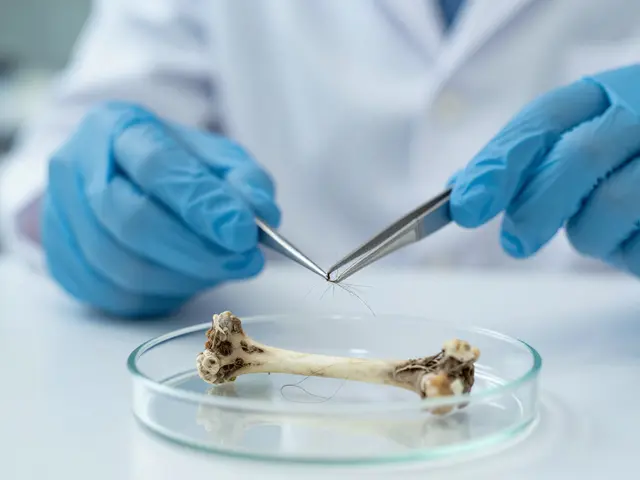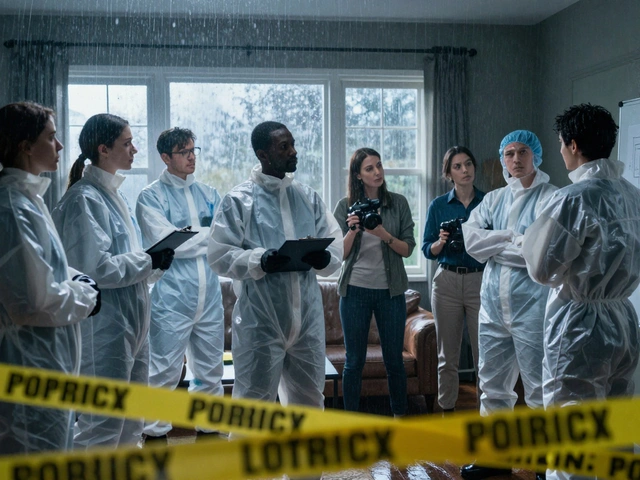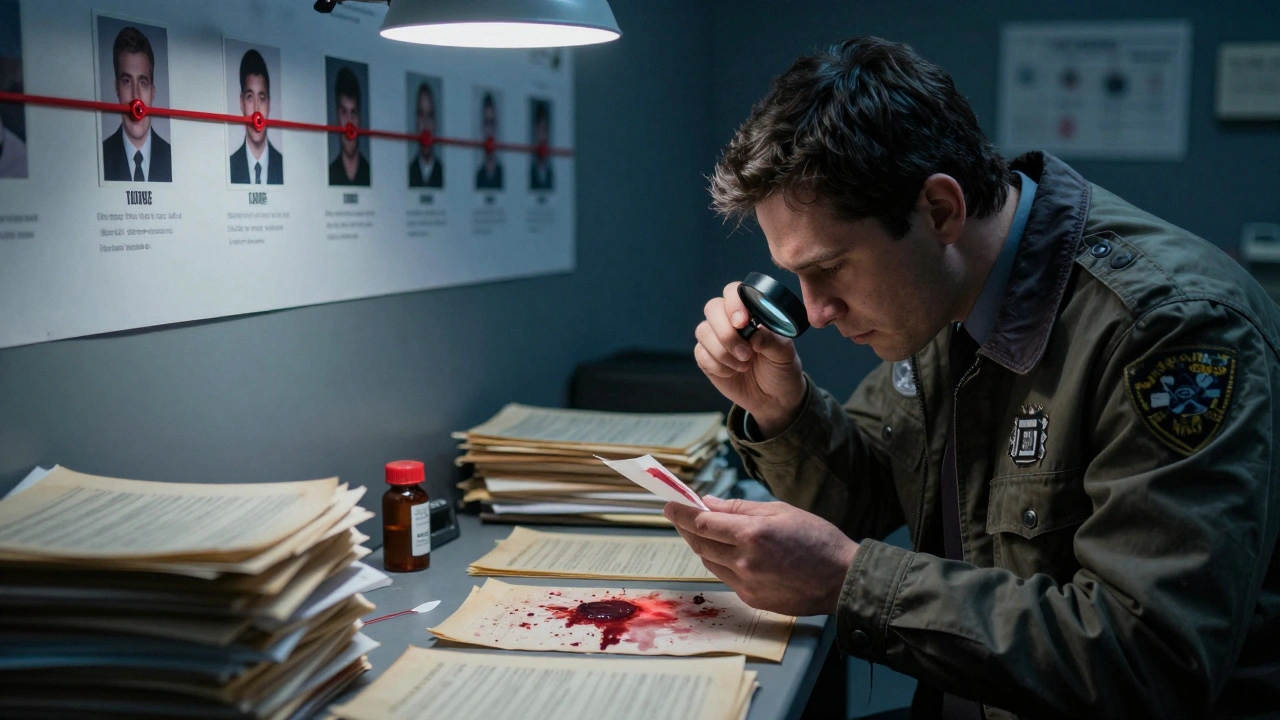
Every year in the U.S., over 15,000 homicides go unsolved. Many of these cases grow cold within weeks. But for families waiting decades for answers, the fight doesn’t end. Cold case funding is what keeps these investigations alive. It’s not just about money-it’s about access to technology, trained personnel, and legal support that most police departments simply can’t afford on their own.
Where the Money Comes From
The main source of cold case funding in the U.S. is the federal government, specifically through the Bureau of Justice Assistance (BJA). Since 2008, the Emmett Till Unsolved Civil Rights Crime Act has directed millions toward reopening racially motivated murders from before 1980. But that’s just one piece. Today, BJA runs seven separate grant programs targeting different parts of the cold case puzzle. The biggest of these is the Prosecuting Cold Cases Using DNA program, which handed out $15 million in FY2025. This program doesn’t just fund lab tests-it pays for detectives to re-interview witnesses, hire forensic genealogists, and even cover courtroom costs. Another $5 million goes to the Emmett Till program, which focuses exclusively on civil rights-era killings. Then there’s the National Sexual Assault Kit Initiative (SAKI), which, while not for homicides, often overlaps with cold murder cases because of shared evidence. Even more flexible is the Edward Byrne Memorial Justice Assistance (JAG) Program, which gives out $325 million a year. Local agencies can use JAG funds to build cold case units, but they have to compete with other priorities like drug enforcement or community policing. That means many departments never get the money-even if they have open cases.What You Need to Qualify
Applying for cold case funding isn’t like filling out a grant for a new computer. It’s rigorous. To even be considered, your agency must prove three things:- You have at least 10 unsolved homicide cases that could be solved with DNA or other forensic methods
- A prosecutor’s office is fully involved-either as the lead applicant or with a signed letter of support
- Your agency is certified under Executive Order 13929, meaning your use-of-force policies meet federal standards
The Real Limits of Federal Grants
Most grants cap out at $750,000. That sounds like a lot-until you break it down. A single forensic genetic genealogy test can cost $5,000. Hiring a part-time detective for a year? $80,000. Paying for a private lab to re-analyze 20 old evidence samples? $120,000. Add in travel, court transcripts, and victim advocacy services, and you’re looking at $500,000 before you even open a case file. The Brennan Center found that most agencies use these grants to solve 3 to 5 cases max. Not because they’re not trying harder-but because the money doesn’t stretch further. One sheriff’s office in Ohio told investigators they spent 220 staff hours just preparing their application. They got rejected because the prosecutor’s letter didn’t say “fully engaged” in the exact wording the BJA template required. It’s not just bureaucracy. It’s a system built for efficiency, not justice. The BJA wants results fast. Applications require a 6-month turnaround for DNA results. But genealogy work often takes 9 to 18 months. If you’re chasing a lead that needs three generations of family trees to trace? You’re already behind schedule.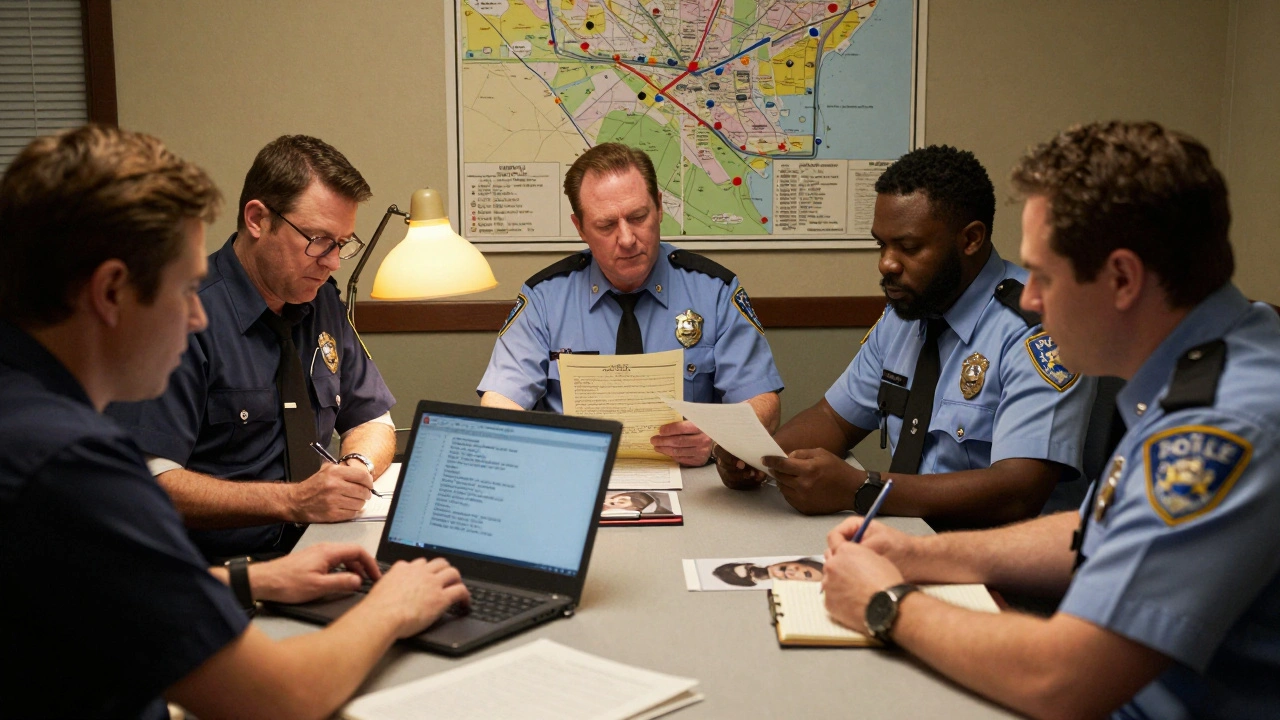
How Some Agencies Are Winning
Fort Worth PD got a $680,000 grant in 2022. They used it to solve 14 homicides in two years. How? They didn’t try to do everything. They picked five cases with the strongest DNA samples and focused everything on those. They hired a retired FBI forensic genealogist on contract. They set up weekly check-ins with victims’ families. They didn’t just send a report-they sent photos of the suspect’s relatives, maps of where they lived, even handwritten letters from the detective. The key? They treated each case like a person, not a file. Another success story came from a small county in Iowa. They didn’t qualify for federal funding because they had no DNA profiles. But they partnered with the Cold Case Foundation, a nonprofit that gives out $25,000 grants for specific steps: a DNA extraction, a genealogy subscription, an expert witness fee. They used that to reopen a 1987 case. The suspect? A man who’d moved to Texas and changed his name. He was arrested in 2024.The Private Funding Gap
When federal grants fall short, nonprofits step in. The Cold Case Foundation alone funded 48 cases in 2024. Season of Justice gave out $1.2 million. These aren’t large sums, but they’re targeted. They pay for one test. One interview. One expert opinion. That’s often all it takes to break a case open. Private donors also help where government won’t. A family in Minnesota raised $18,000 on GoFundMe to fund a DNA test on their daughter’s 1992 murder case. The result? A match to a man who’d been in prison for another crime-200 miles away. He’s now facing charges. These aren’t charity cases. They’re evidence that funding doesn’t always come from a government form. Sometimes, it comes from a community that refuses to let a loved one be forgotten.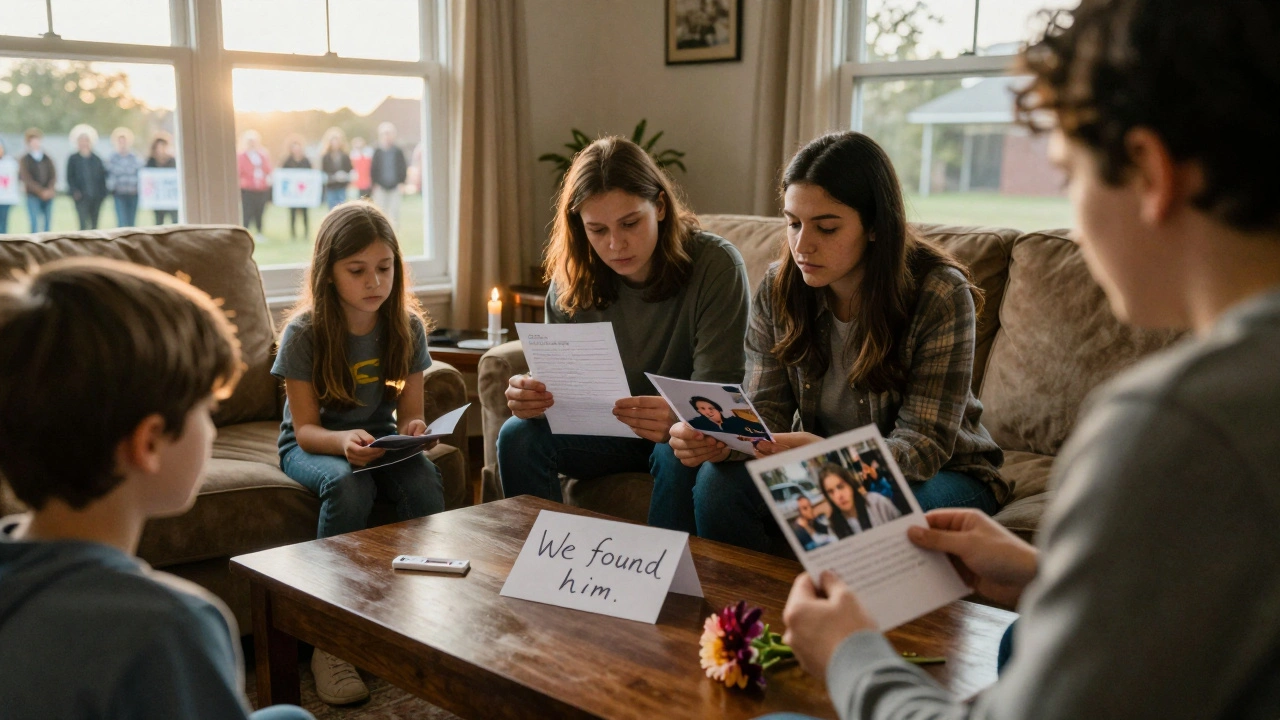
What’s Changing in 2025 and Beyond
The BJA just updated its FY2025 guidelines to require that 25% of funded cases come from communities with historically low clearance rates-often Black, Indigenous, or low-income neighborhoods. That’s a big shift. For decades, cold cases in wealthier areas got more attention. Now, there’s pressure to fix that. There’s also a new pilot with NIST to fund advanced DNA analysis for degraded samples. This could unlock thousands of cases where blood or saliva was too old to test before. $5 million might not sound like much, but if it works, it could double the number of cases eligible for funding. And if the bipartisan Cold Case Justice Act passes in 2025? That would create a permanent $100 million annual fund just for civil rights-era murders. No more annual applications. No more uncertainty. Just steady funding.What You Can Do
If you’re part of a law enforcement agency: Start building your case now. Don’t wait for the grant announcement. Document your cold cases. Build relationships with your prosecutor’s office. Get certified. Train your staff in forensic genealogy basics. The best applications don’t come from last-minute rushes-they come from years of preparation. If you’re a family member of a victim: Keep records. Save every letter, photo, and police report. Contact the Cold Case Foundation or Season of Justice. They don’t just give money-they give guidance. And if you’re in a community with few resources, organize. Fundraisers, awareness events, petitions-they all add up. Cold cases aren’t just about solving crimes. They’re about closing doors that were slammed shut too soon. And for that, you don’t need a big budget. You need persistence. And the right kind of support.Can a small police department apply for cold case funding?
Yes. Size doesn’t matter. Small departments have won grants before. What matters is having a clear plan, a prosecutor’s support, and at least 10 cases that can be solved with DNA or other forensic methods. Many small agencies partner with county or state labs to meet technical requirements.
What if my case has no DNA evidence?
Federal DNA grants won’t help. But other funding sources might. The JAG program allows funds to be used for cold case unit staffing, interviews, or evidence re-examination. Nonprofits like the Cold Case Foundation can pay for fingerprint analysis, ballistics re-testing, or even private investigators. You just have to look beyond DNA.
How long does it take to get a cold case grant approved?
The application window opens in early spring. Deadlines are usually in October or November. If you’re selected, funding starts in January of the next year. That means from submission to cash in hand, it’s about 14 months. Many agencies start preparing their applications 6 to 8 months in advance.
Are there grants for cold missing persons cases?
Yes. The Prosecuting Cold Cases Using DNA program includes missing persons cases if they’re classified as potential homicides. The Emmett Till program also covers civil rights-era disappearances. Some nonprofits specifically fund missing persons investigations, especially when there’s reason to believe foul play was involved.
What’s the biggest mistake applicants make?
Trying to fund an entire cold case unit. Grants aren’t meant to pay salaries long-term. They’re meant to solve specific cases. The most successful applicants focus on 3 to 5 high-potential cases, show exactly how the money will be used, and prove they’ve already started the work-like gathering evidence or identifying DNA samples.