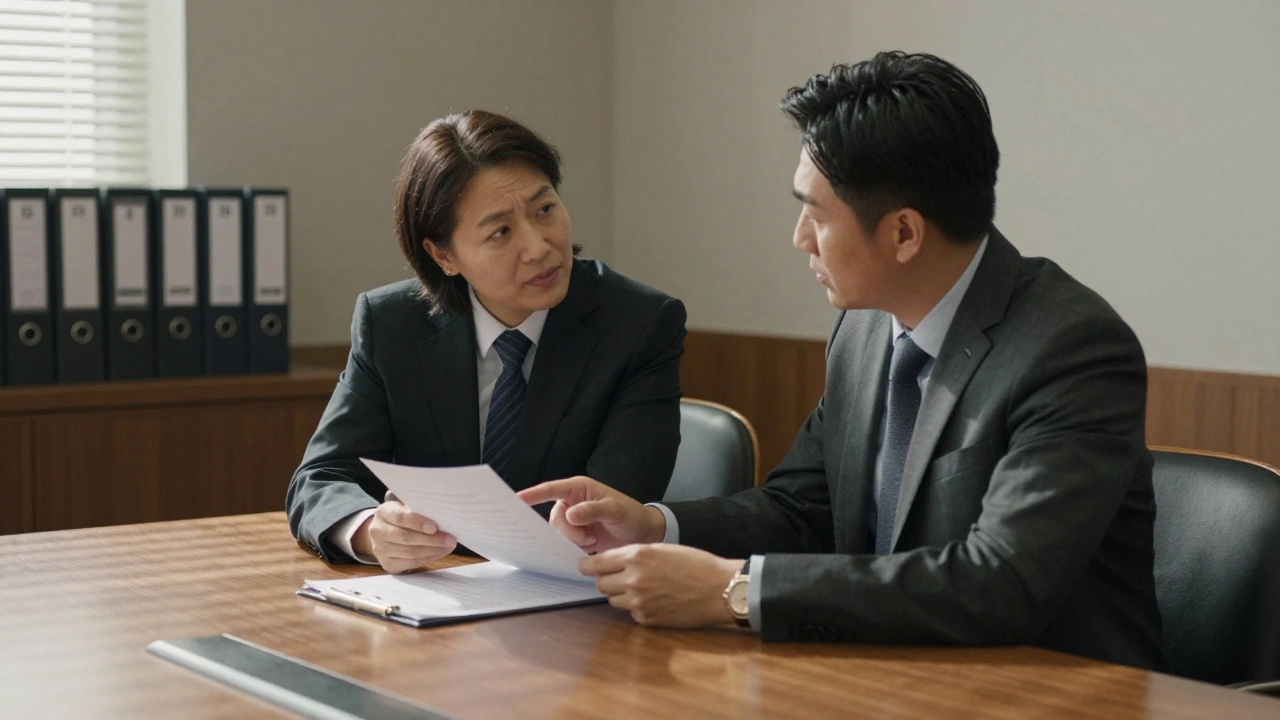
Why Testimony and Reports Must Match
If your expert witness says one thing in their written report and something different during a deposition, your case could collapse. It’s not just about being inconsistent-it’s about credibility. Opposing counsel doesn’t need to prove you’re lying. They just need to show that your witness changed their story. And once that happens, the jury starts wondering what else might be wrong.
This isn’t a new problem. Since the 1993 Daubert ruling, courts have demanded that expert testimony be grounded in reliable methods and consistent documentation. The rule is simple: align testimony with reports. Anything else opens the door to impeachment, exclusion, or worse-losing the case.
The Core Principle: Extract, Don’t Inject
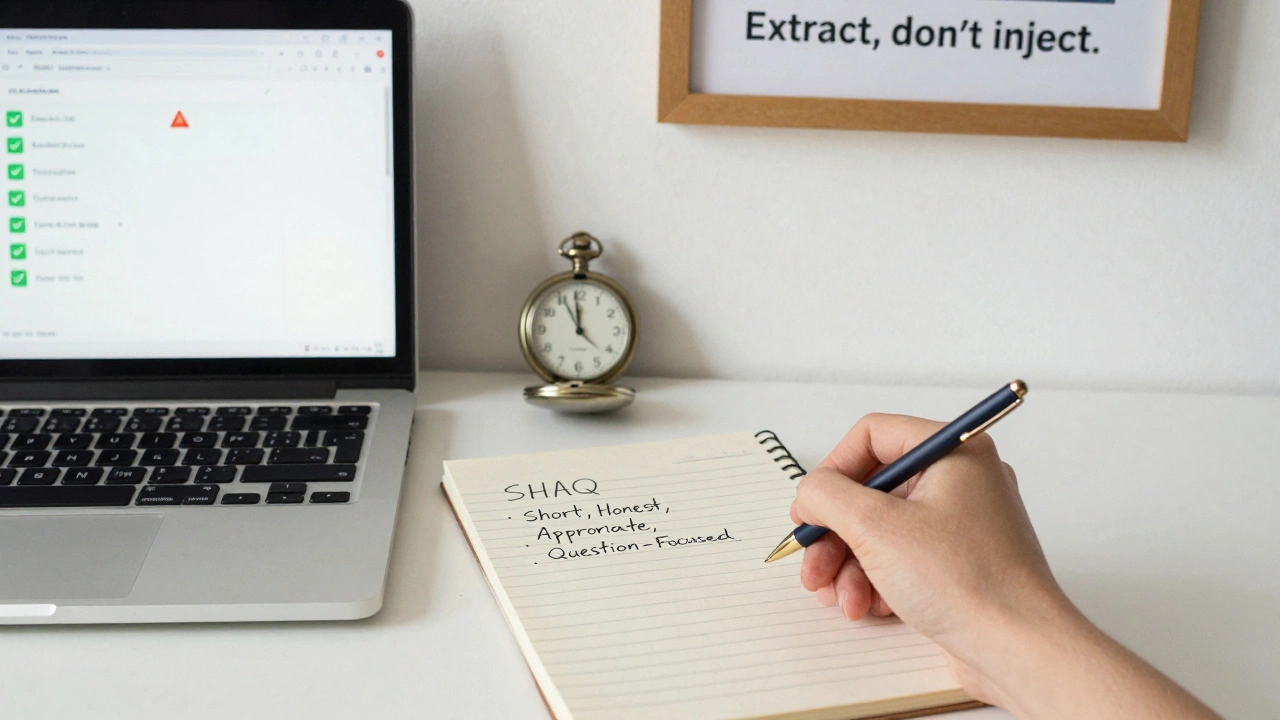
A veteran trial lawyer once said it best: "Extract, don’t inject." That means your job as legal counsel isn’t to teach your witness what to say. It’s to help them recall what they already wrote-and why.
Many attorneys make the mistake of rehearsing scripted answers. They think, "If we make them say this, it’ll sound better." But that backfires. Witnesses who repeat rehearsed phrases sound unnatural. They freeze when asked follow-ups. And if they slip up, they look dishonest-even if they didn’t mean to mislead.
Instead, walk them through their own report. Ask: "Where did you get this number?" "What data did you rely on?" "Why did you choose this method?" Let them explain it in their own words. The goal isn’t perfection. It’s accuracy. If they can’t remember a detail, they should say, "I don’t recall." Not "I think it was..." Not "Maybe it was this..."
The SHAQ Method: Short, Honest, Appropriate, Question-Focused
When answering questions in a deposition, the best responses follow SHAQ:
- Short - Give only what’s asked. No extras. No explanations unless pressed.
- Honest - Never guess. Never assume. If you don’t know, say so.
- Appropriate - Tone matters. Saying "Of course" before an answer sounds more confident than "Yes." It’s subtle, but it reduces defensiveness.
- Question-focused - Answer the question asked. Not the one you wish they’d asked.
For example, if asked, "Did you review the security footage?" The right answer isn’t, "I reviewed the footage from three cameras, and here’s what I found..." It’s simply, "Yes." If they want more, they’ll ask. Giving too much gives them ammunition.
Build the Chronology First
Before you even meet with your witness, create a written chronology. This isn’t a summary. It’s a timeline. Every key event, every document, every interview-sorted by date. And every item must tie back to its source: "May 12, 2023 - Email from client (Exhibit 7)," or "June 3, 2023 - Lab report (Exhibit 12)."
This chronology becomes your anchor. It’s what you use to check the witness’s memory against the record. If they say, "I remember seeing the data on the 15th," you can immediately respond, "But your report says you received it on the 18th. Why the difference?" That’s not an ambush-it’s clarification.
And here’s the trick: include all facts, even the ones that hurt your case. If the witness saw something that contradicts your theory, document it. If you ignore it, opposing counsel will use it to destroy your credibility. Facing it head-on makes you look thorough.
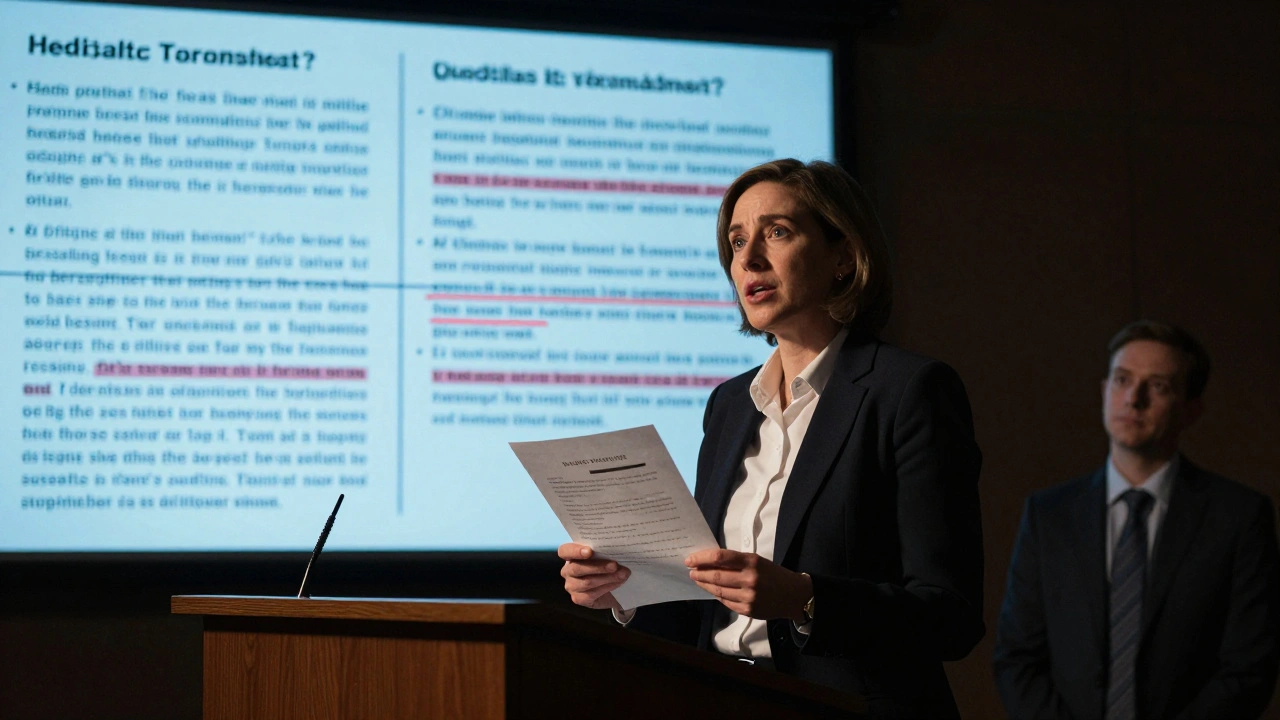
Practice Like It’s Real
Don’t just talk through the report. Simulate the deposition. Set up a mock session. Use the same binders. Sit in the same chairs. Have someone play the opposing counsel. Ask tough questions-especially about methodology.
Experts get grilled on their methods. Always. "Why did you use regression analysis instead of a control group?" "Didn’t the ASTM standard say otherwise?" "How do you explain the outlier in your dataset?"
Practice these answers. Not by memorizing. But by understanding the reasoning behind them. If they can explain why they chose a method, they can defend it. If they can’t, they’ll look like they’re guessing.
And don’t forget the quiet moments. The pauses. Experts who rush to answer look nervous. Experts who take three to five seconds before replying look confident. They’re not stalling-they’re checking their memory against the report.
What Happens When Alignment Fails
There are real cases where testimony mismatched reports-and the consequences were brutal.
In one 2024 federal case, an expert’s deposition testimony contradicted his report on the cause of a structural failure. The opposing side pulled out the report, read the exact line, and asked, "Is this still your opinion?" The expert hesitated. Then said, "I think I misspoke." The judge later excluded his entire testimony. The case was dismissed.
Another case involved a lab report that listed a sample ID incorrectly. During deposition, the expert referred to the wrong sample. The opposing counsel had the original file. The discrepancy was caught. The expert’s entire analysis was thrown out. Why? Because the court couldn’t tell which data he was actually relying on.
These aren’t rare. In 2024, 68% of deposition objections in complex litigation were based on testimony-report inconsistencies. That’s not luck. That’s poor preparation.
Technology Is Helping-But Not Replacing
Today, 82% of litigation teams use software to cross-check testimony against reports. These tools scan transcripts, flag discrepancies, and highlight where words don’t match documents. Some even use AI to predict where a witness might stumble.
One tool, trained on 12,000 deposition transcripts, now detects alignment errors with 92.7% accuracy. That’s powerful. But here’s the catch: AI can’t understand context. It can’t tell if a witness meant to correct themselves. It can’t sense tone. It can’t judge whether a small inconsistency is harmless or fatal.
That’s why the American Bar Association says: "These tools should supplement-but not replace-attorney oversight." The best preparation still happens face-to-face, with a binder in hand, asking, "What did you write here? And why?"
Preparation Timing Matters
Don’t prep too early. Don’t prep too late.
Starfield Smith’s research shows the sweet spot is 48 to 72 hours before the deposition. Too early, and the witness forgets key details. Too late, and they’re overwhelmed.
Then, right before the deposition-about an hour before-you do a final review. No new info. Just reminders: "Your report says X. That’s what you’ll be asked about. If they challenge it, here’s how you explain it." Keep it light. Keep it calm.
And don’t forget: ease the expert’s nerves. When they’re relaxed, they think clearer. When they’re tense, they guess. And guessing is the enemy of alignment.
The New Ethical Standard
In December 2024, the American Bar Association updated its Model Code of Professional Responsibility. Now, attorneys are ethically required to "take reasonable measures to ensure that testimony remains consistent with disclosed reports." That’s not optional. It’s mandatory. If you prepare a witness in a way that encourages deviation from their report, you’re violating professional conduct rules.
And courts are watching. More than 61% of federal courts now allow opposing counsel to play video clips of deposition testimony that contradict reports-right in front of the jury. That’s up from 35% just five years ago.
Transparency isn’t weakness. It’s strength. Preparing a copy of your deposition outline for opposing counsel? That used to be seen as giving away strategy. Now, it’s standard. Why? Because when both sides know what to expect, the process becomes fairer-and your credibility grows.
Final Rule: When in Doubt, Say Nothing
The most powerful thing a witness can do in a deposition isn’t to answer. It’s to pause. To breathe. To think.
If a question makes them uncomfortable-if it’s about something they didn’t write, didn’t review, or don’t understand-they should say, "I don’t know." Or, "I don’t recall." Or, "I’d need to check my report to be sure." Those are safe answers. They protect the witness. They protect the case. And they keep testimony aligned with the record.
What happens if an expert witness changes their testimony during a deposition?
If an expert changes their testimony without a clear, documented reason, opposing counsel can use it to challenge their credibility. Courts may exclude their testimony entirely if the inconsistency is material. Even small changes-like altering a date, method, or conclusion-can be used to impeach the witness. The key is whether the change contradicts their written report. If it does, and there’s no legitimate explanation, the risk of exclusion rises sharply.
Can an expert witness use their report during a deposition?
Yes-but only under specific conditions. Most courts allow experts to refer to their own report to refresh their memory, as long as they don’t read from it. They can say, "I reviewed my report, and it confirms my opinion." But they can’t hold it up and quote paragraph by paragraph. The goal is to recall, not recite. If they rely too heavily on the report, it can look like they’re not truly familiar with their own analysis.
How do I know if my expert’s testimony matches their report?
Compare every key point side by side. Start with the conclusions, then move to methodology, data sources, and assumptions. Use a checklist: Did they state the same opinion? Did they cite the same documents? Did they use the same terms? Even small word changes matter-for example, "likely" vs. "definitely" or "approximately" vs. "exactly." Tools that cross-reference transcripts with reports can help, but human review is still essential to catch context.
Is it okay for an expert to say "I don’t remember" during a deposition?
Yes-and it’s often the best answer. Saying "I don’t remember" is far better than guessing or making up an answer. Courts expect experts to be honest about limits of their knowledge. The problem isn’t forgetting-it’s pretending to remember. If they truly don’t recall a detail, they should say so. If they’re unsure, they can say, "I’d need to check my report," then confirm the answer later. That’s professionalism.
Do virtual depositions make testimony-report alignment harder?
Yes. Virtual depositions have increased testimony inconsistencies by about 22%, according to FedBar data. Distractions-poor audio, lag, background noise, or multitasking-cause witnesses to miss questions or give incomplete answers. They also make it harder for attorneys to read body language, which often reveals uncertainty. To counter this, use high-quality video, require witnesses to have their report open on screen, and schedule a pre-deposition tech check. Practice sessions should also be done virtually to simulate real conditions.