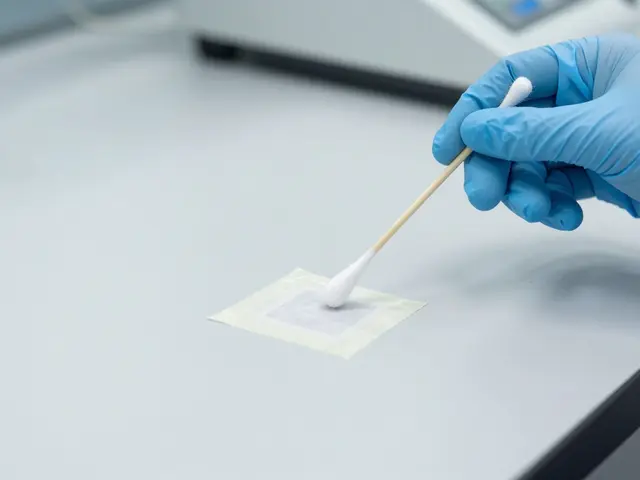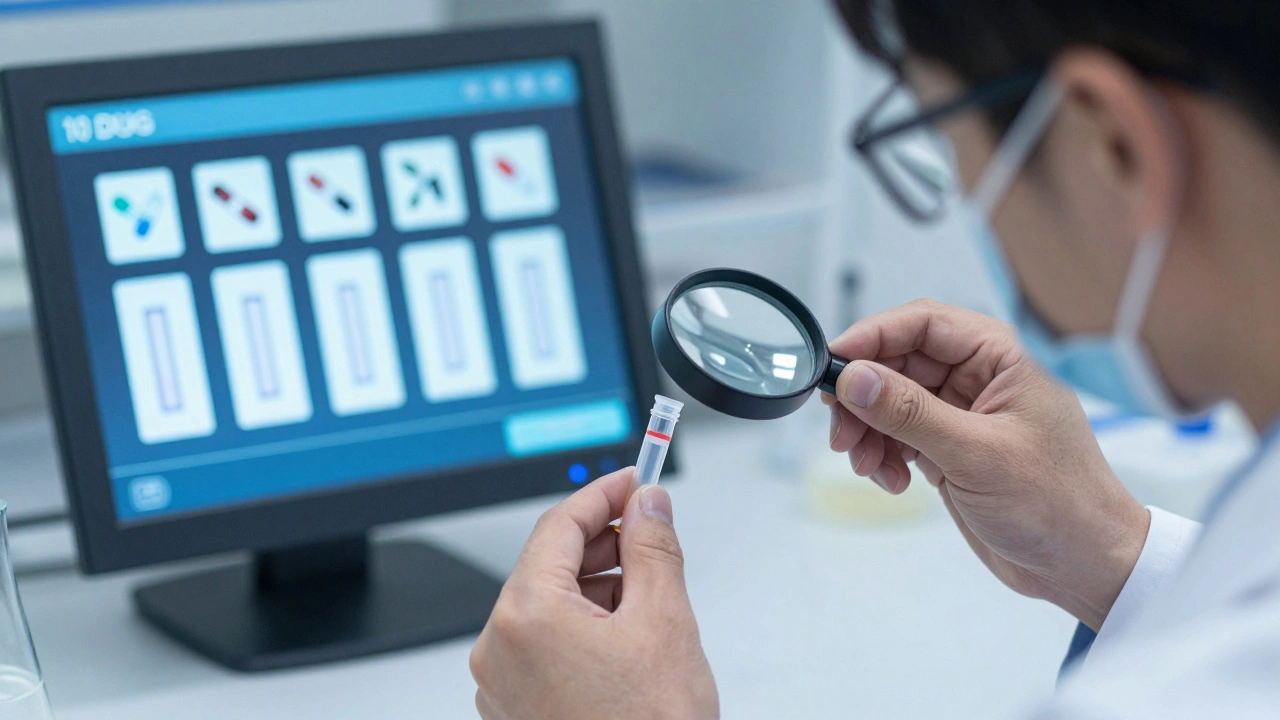
When someone takes a drug test, what’s actually being looked for? It’s not just about catching someone using marijuana or cocaine. Toxicology screens are detailed, science-backed tools that reveal a lot more than most people realize. Whether it’s for a job, probation, or medical care, these tests are designed to catch specific substances - and their metabolites - that can affect safety, judgment, and health.
What’s Actually in a Standard Drug Test?
Most people think a drug test is just a quick check for weed or cocaine. But the reality is more complex. The most common test used in workplaces and clinics is the 10-panel drug screen. This isn’t random. It’s based on years of data showing which drugs are most frequently misused and pose the biggest risks in safety-sensitive jobs. The 10-panel test checks for ten specific categories:- Amphetamines (including methamphetamine and prescription stimulants like Adderall and Vyvanse)
- Cannabis (THC from marijuana, hashish, and synthetic versions like K2 or Spice)
- Cocaine (both powder and crack)
- Opiates (heroin, codeine, morphine)
- Barbiturates (like phenobarbital and secobarbital)
- Benzodiazepines (Xanax, Valium, Klonopin)
- Phencyclidine (PCP)
- Methadone
- Propoxyphene (a now-rare painkiller)
- Methaqualone (Quaaludes, mostly historical but still tracked)
This list isn’t arbitrary. Each drug was included because of how often it shows up in real-world cases and how dangerous it can be when misused. For example, benzodiazepines like Xanax can make someone dangerously drowsy behind the wheel or operating machinery. Amphetamines might keep someone awake, but they also cause jitteriness, poor decision-making, and heart strain.
Why Detection Windows Matter
A positive test doesn’t always mean someone used drugs yesterday. Detection times vary wildly depending on the drug, how often someone uses it, and their body chemistry.- Cocaine: Detectable for 2-10 days. The body breaks it down into benzoylecgonine, which labs actually test for - not cocaine itself.
- Amphetamines: 2 days max. If you took Adderall on Monday, you might test clean by Wednesday.
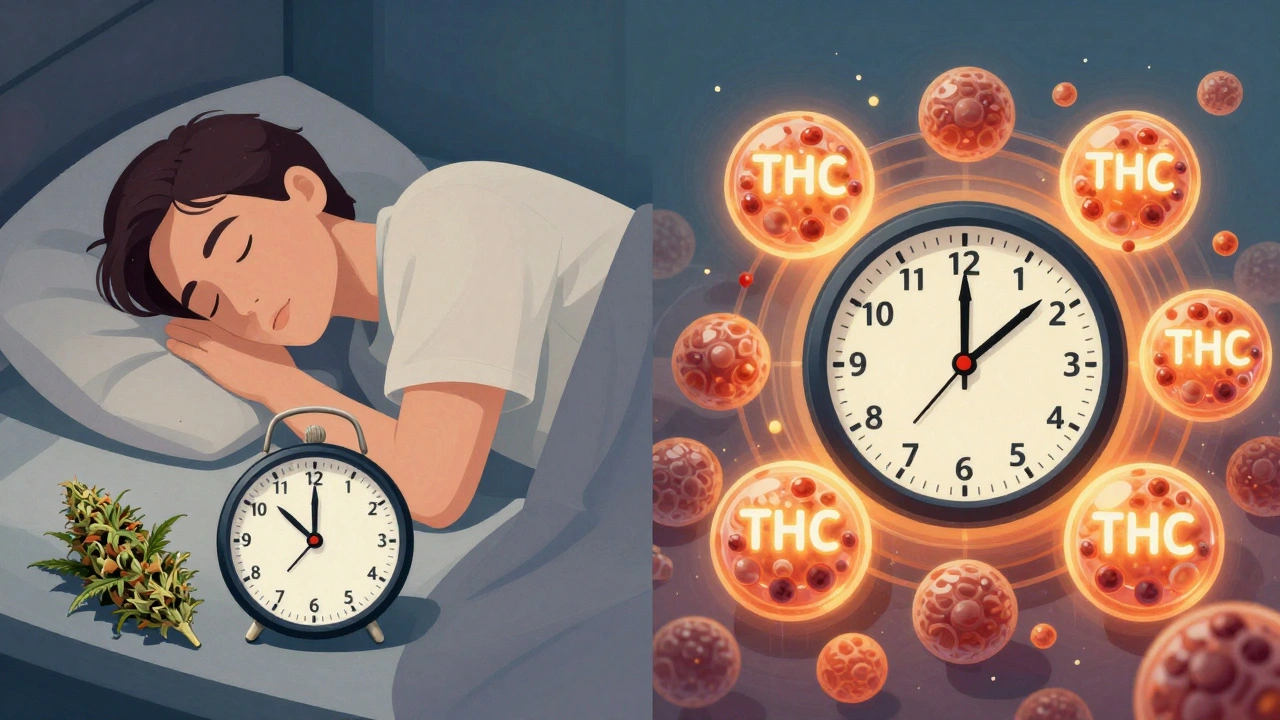
- THC (marijuana): 3-30 days. For occasional users, it clears in a few days. For daily users, it can stick around for weeks because it stores in fat tissue.
- Benzodiazepines: 2-10 days. Some, like Valium, linger longer than others.
- Barbiturates: 2-15 days. These are older sedatives, but still found in some prescriptions and misuse cases.
- Opiates: 1-3 days. Heroin and codeine clear quickly, but long-acting ones like methadone can be detected longer.
This is why timing matters. If someone uses cocaine on Friday night and gets tested Monday morning, they’ll likely test positive. But if they use marijuana on Monday and get tested Friday, they might be fine - unless they’re a daily user. That’s why many employers test randomly, not just after accidents or hires.
What About Prescription Drugs?
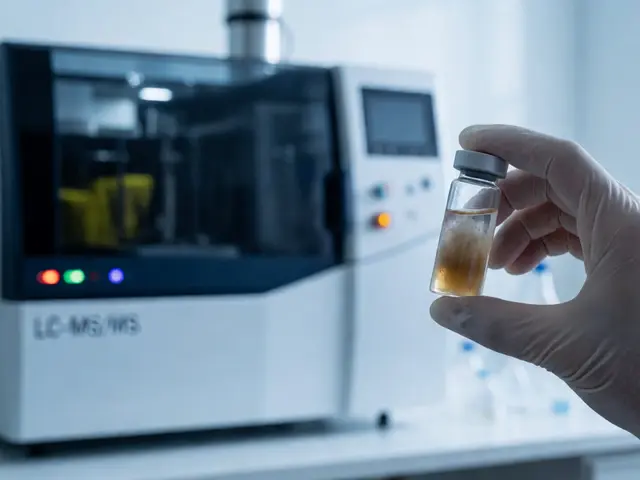
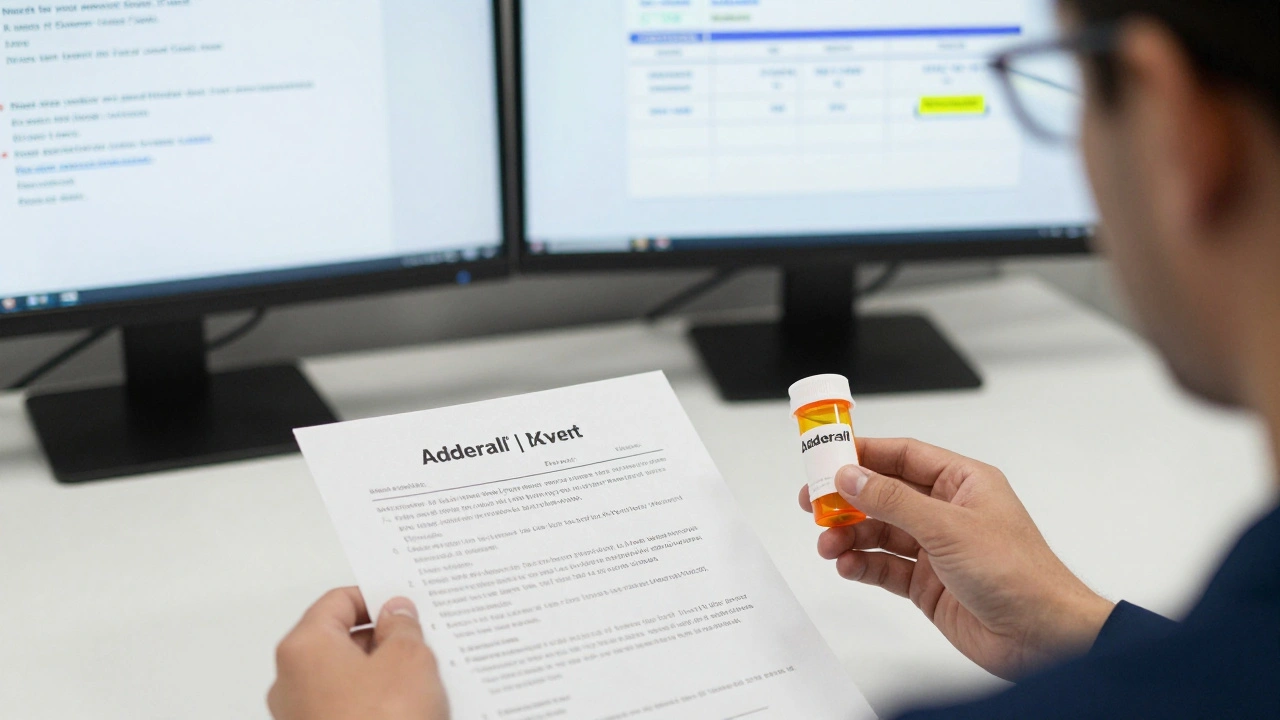
Many people don’t realize that some legal prescriptions show up as positives. Adderall? It’s an amphetamine. Xanax? A benzodiazepine. Even some ADHD meds can trigger a positive on a standard panel.That’s why confirmation testing exists. A first test is a quick screen - it’s designed to catch anything unusual. But if it comes back positive, the sample is sent to a second lab for a more precise test called gas chromatography-mass spectrometry (GC-MS). This can tell the difference between, say, taking Adderall as prescribed and using street methamphetamine. It’s not about punishing people for taking meds - it’s about knowing whether the drug use is legal, controlled, and medically supervised.
False Positives Are Real - And Common
You might be surprised to hear that everyday medications can cause false positives. Things like:- Decongestants (pseudoephedrine in cold meds) - can trigger amphetamine positives
- Dextromethorphan (in cough syrups like Robitussin) - sometimes mistaken for PCP
- Antidepressants (like SSRIs) - can mimic benzodiazepines in basic screens
That’s why no one gets fired or punished based on a single test. The system is built to protect people from mistakes. A positive result triggers a second test - and often a review by a Medical Review Officer (MRO). The MRO talks to the person, checks their prescriptions, and decides if the result is legitimate. This step is required by federal law for workplace testing.
Why the 10-Panel Is the Gold Standard
You might see 4-panel, 5-panel, or even 13-panel tests advertised. But in practice, the 10-panel is what most employers, courts, and clinics use. Why?It covers the drugs that cause the most real-world problems:
- Impaired driving (THC, benzodiazepines, opioids)
- Workplace accidents (amphetamines, barbiturates)
- Overdose risks (opioids, methadone)
- Violent behavior (PCP, synthetic cannabinoids)
It’s not about catching every possible drug - it’s about catching the ones that actually change how people behave, think, and react. The 13-panel adds tricyclic antidepressants and buprenorphine, but those are mostly used in addiction treatment programs, not general screening.
What’s Missing? Synthetic Drugs and New Threats
The biggest challenge today isn’t heroin or cocaine - it’s synthetic drugs. K2, Spice, and other lab-made cannabinoids aren’t always caught by older tests. But modern 10-panel screens now include them. Labs look for the same metabolites found in natural marijuana, even if the chemical structure is different.Similarly, MDMA (ecstasy) and fentanyl are becoming more common. Fentanyl is especially dangerous - even a tiny amount can kill. Many 10-panel tests don’t include it yet, but extended panels (12 or 13-panel) are starting to add it. That’s because fentanyl is now found in nearly every other drug - even pills people think are oxycodone.
Who Uses These Tests and Why?
It’s not just employers. Toxicology screens are used everywhere:- Commercial truck drivers: Required by the FMCSA to test for marijuana, cocaine, opiates, amphetamines, and PCP.
- Hospitals: To check for overdose, monitor addiction treatment, or rule out drug-related causes of confusion or coma.
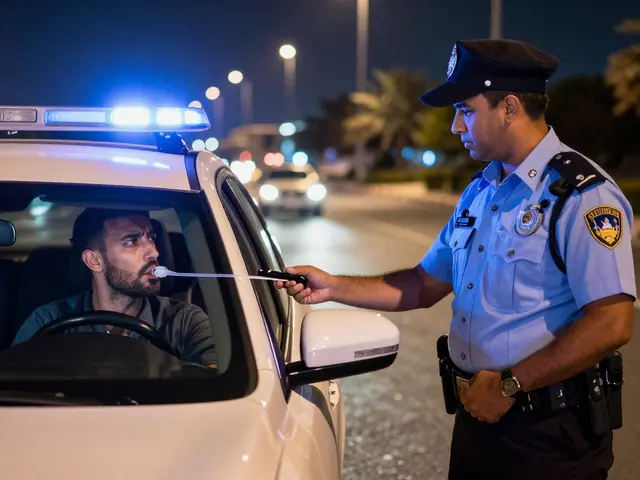
- Courts and probation: To ensure people aren’t using drugs while under supervision.
- Child protective services: To assess risk in custody cases.
In each case, the goal isn’t punishment - it’s safety. For a trucker, a positive test could mean a life-threatening crash. For someone in recovery, a positive test might trigger support, not jail.
What’s Next? More Precision, Less Guesswork
The future of toxicology screens is moving toward more targeted testing. Instead of broad panels, labs are starting to test for specific metabolites that tell you exactly when and how much someone used. This helps distinguish between occasional use and chronic dependence.Also, saliva and hair tests are gaining ground. Saliva tests can show recent use (within hours), while hair tests can show use over months. But urine remains the standard because it’s cheap, reliable, and well-understood.
One thing won’t change: the goal of these tests. They’re not about catching people. They’re about keeping people safe - on the road, at work, and in recovery.
Can I fail a drug test from secondhand smoke?
No, not realistically. While trace amounts of THC can be detected in very rare cases from heavy exposure, standard tests have cutoff levels designed to ignore passive exposure. You’d need to be in a sealed room with multiple people smoking for hours to even come close to triggering a positive.
How long does it take to get drug test results?
Initial screening takes 1-3 days. If it’s positive, the confirmation test adds another 3-5 days. So total turnaround is usually 5-7 business days. Some urgent cases (like hospital overdoses) get results in hours.
Do all employers test the same way?
No. Federal contractors and transportation jobs follow strict guidelines (usually 5-panel or 10-panel). Private companies can choose their own panels - some do 4-panel for low-risk jobs, others do 12-panel for high-safety roles like construction or healthcare.
Can I beat a drug test with detox drinks or vinegar?
No. Detox drinks, bleach, vinegar, or drinking gallons of water won’t work. Labs test for dilution, temperature, and adulterants. If your sample is tampered with, it’s flagged as invalid - and you’ll likely be retested or face consequences.
Why do some tests detect marijuana for 30 days?
THC is stored in fat cells. For occasional users, it clears in days. But daily users build up levels over time. Their body releases it slowly, so it shows up in urine for weeks. That’s why testing for marijuana doesn’t tell you if someone is impaired - just that they used it recently.