The Lifeline of Evidence Integrity
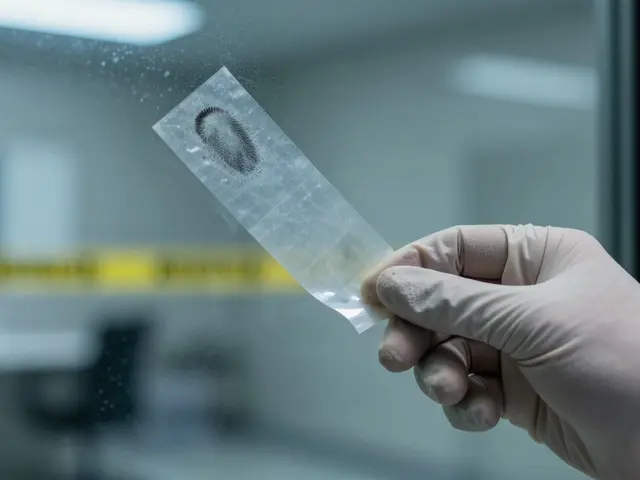
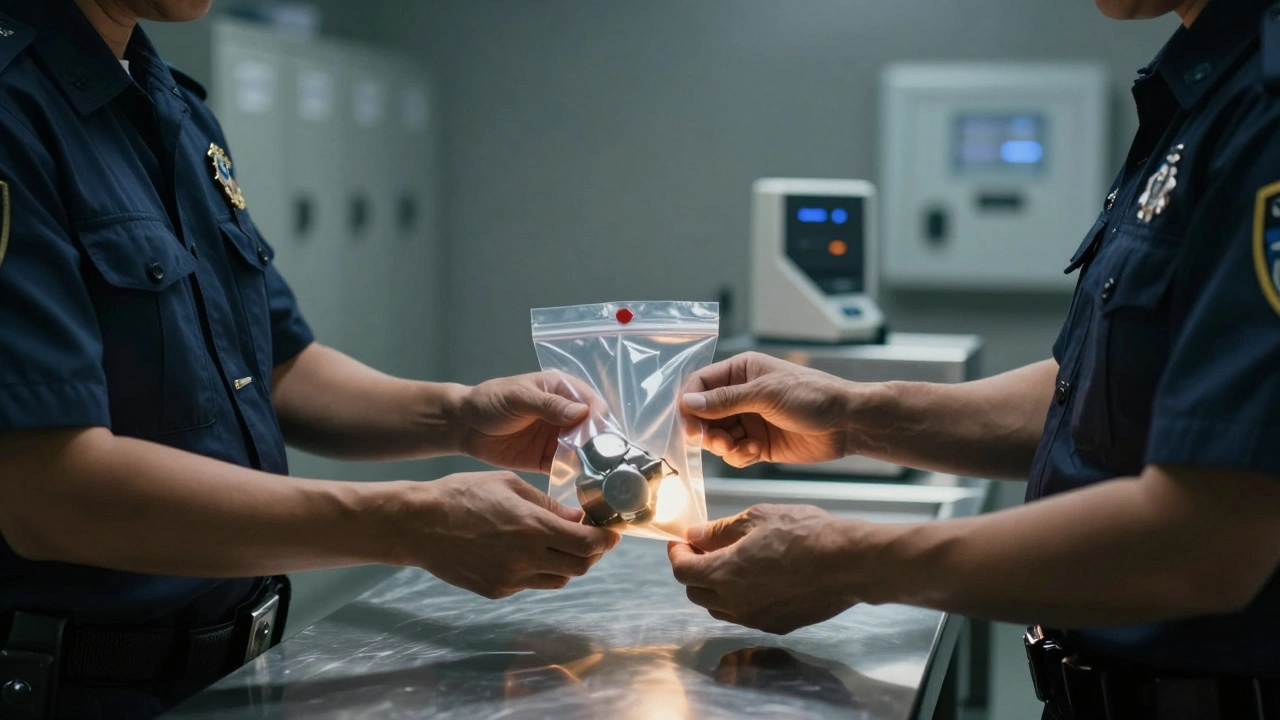
Imagine spending months processing a murder case, gathering DNA, weapons, and witness statements. You have a strong lead. Then, the defense lawyer points out a gap in your paperwork regarding a piece of the victim's clothing. Suddenly, that crucial evidence becomes inadmissible. The timeline doesn't add up. The prosecutor cannot prove who touched the item. In the courtroom, nothing matters more than the Chain of Custody, which is the chronological documentation and paper trail that records the sequence of custody, control, transfer, analysis, and disposition of physical evidence. Also known as Evidence Trail, this system serves as the foundation to assure courts that evidence is authentic.
This isn't just bureaucracy. It is the difference between conviction and acquittal. When we talk about long-term storage, the stakes get even higher. A gun locked in a cabinet for three years needs to be handled differently than one moved for immediate ballistics testing. If you lose track of where an item is sitting for six months, you risk its entire value in a trial. Proper maintenance ensures that every link-from the officer who found it to the clerk who stored it-is accounted for.
Understanding the Core Definitions
To handle evidence correctly, you must understand what distinguishes short-term holding from permanent keeping. The National Institute of Standards and Technology (NIST) defines long-term evidence storage as any location where evidence may be stored for more than 72 hours. Temporary storage, by contrast, is anything less than 72 hours. This distinction dictates how secure the facility needs to be and what kind of access logs are required.
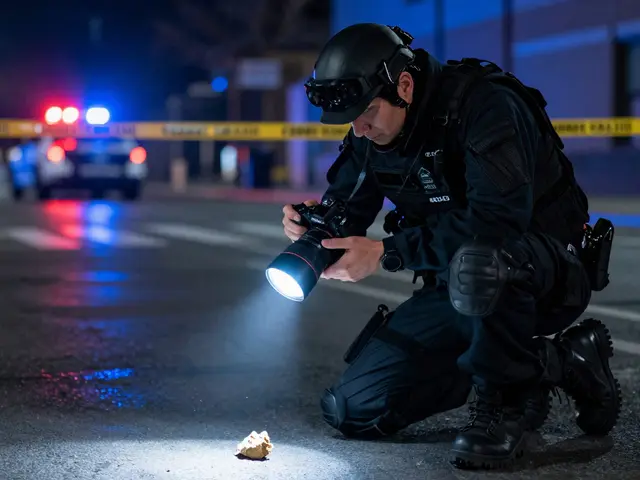
Consider the concept of a "link." According to the Alabama Department of Forensic Sciences, the chain is composed of links, where a "link" is anyone who handled the item. The State must identify each link from the time the item was seized. For each link's possession, the record must show receipt, ultimate disposition, and safeguarding conditions. There is no room for ambiguity here. If a detective hands a bagged sample to a lab technician, that handoff is a link. If a clerk moves it from a locker to a freezer, that is another link. Every handover requires a signature and a timestamp.
Setting Up Secure Storage Facilities
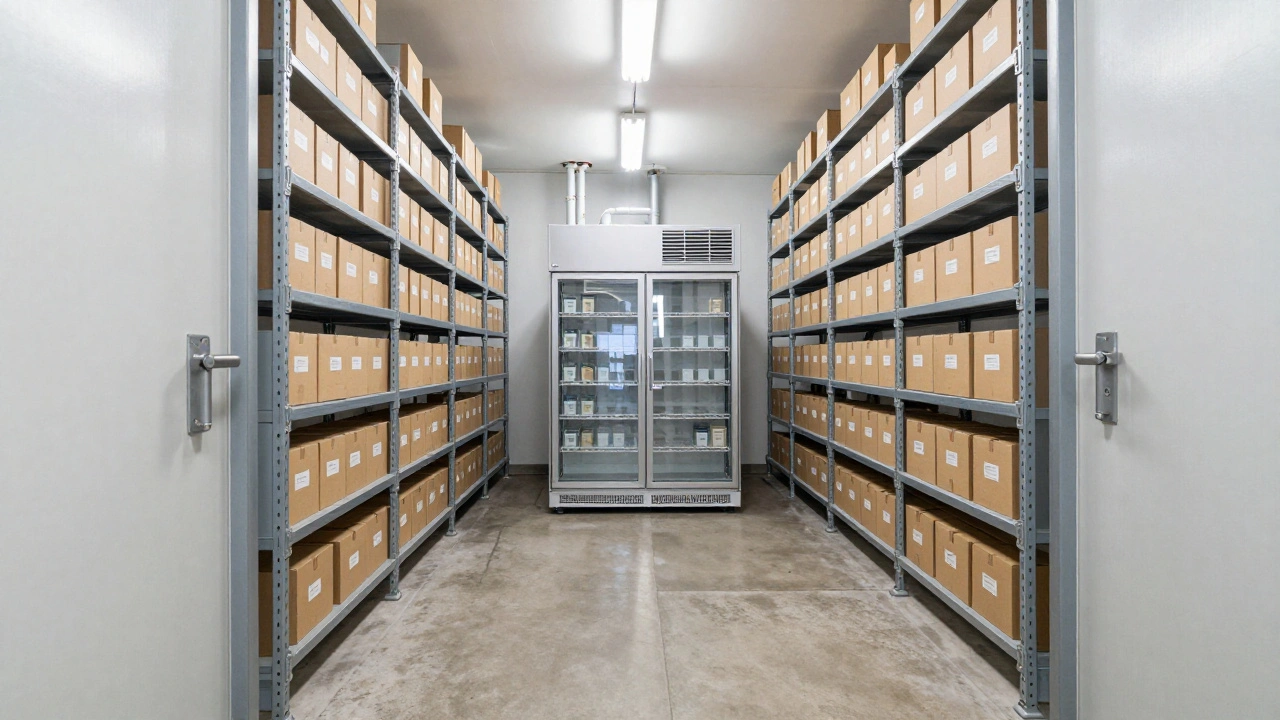
Where you keep the evidence is just as vital as how you document it. Secure storage facilities need to meet rigorous standards to prevent tampering. You aren't just keeping items safe from thieves; you are protecting them from the elements, rodents, and internal errors. A robust storage system includes controlled access, often utilizing biometric scanners or dual-key systems.
Different types of evidence require different environments. Blood samples need cold temperatures to preserve DNA integrity. Firearms need humidity control to prevent rusting. Documents need acid-free folders to stop decay. If your storage area allows temperature fluctuations, you risk biological degradation, which breaks the scientific validity of the sample. Even if you didn't touch it, letting the evidence rot under your watch is a failure of duty. The conditions must be logged regularly alongside the evidence logs to prove the environment was stable.
| Storage Type | Duration Limit | Access Control | Primary Purpose |
|---|---|---|---|
| Temporary Storage | Less than 72 Hours | Police Officer Lockbox | Immediate Processing |
| Long-Term Storage | More than 72 Hours | Secured Facility / Evidence Vault | Court Presentation / Archival |
| Cold Storage | Indefinite | Biometric Access / Freezer | Biological Sample Preservation |
The Mechanics of Documentation
A signed logbook alone is rarely enough anymore. Modern facilities use digital evidence management systems, but the principle remains the same. Every movement must be authorized and recorded. When a police officer takes charge of a piece of evidence, they must document the item and give it to an evidence clerk for secure storage. This transaction and every succeeding transaction affecting that evidence must be completely documented chronologically so the evidence can withstand challenges to its authenticity.
Your documentation forms need to answer specific questions every time a change occurs. Who took custody? Why did the custody change? Was the container sealed? Is the seal intact upon receipt? These details provide the reasonable probability required by courts, as established in precedents like Ex parte Mills. If you fail to record the condition of the seal during transfer, the defense can argue the item was swapped. It sounds paranoid, but that argument can win a dismissal for you. Always note the serial number of the evidence tag and the unique identifier of the evidence box.
Digital Forensics and Electronic Trails
Physical bags and boxes are one thing, but digital files are increasingly common. In digital forensics, chains of custody determine how evidence moves through its full lifespan. This involves collection, protection, and analysis. The goal is to form an electronic trail organized chronologically to make it easier to determine where evidence was initially gathered. Unlike a physical knife, you cannot look at a hard drive and see fingerprints. Therefore, the software trail becomes the proof.
Digital Forensics relies on hash values to prove integrity. When you copy data from a suspect's phone, you calculate a hash (like MD5 or SHA-256). This is a unique mathematical fingerprint of that file. When that data arrives at the lab, they recalculate the hash. If the numbers match, the file hasn't changed. If the hash changes, the chain is compromised. Chain of custody forms in this context provide permanent records detailing how digital evidence has been obtained and handed off. These forms must be updated whenever somebody new has the opportunity to examine sensitive digital evidence.
Identifying and Managing Risks
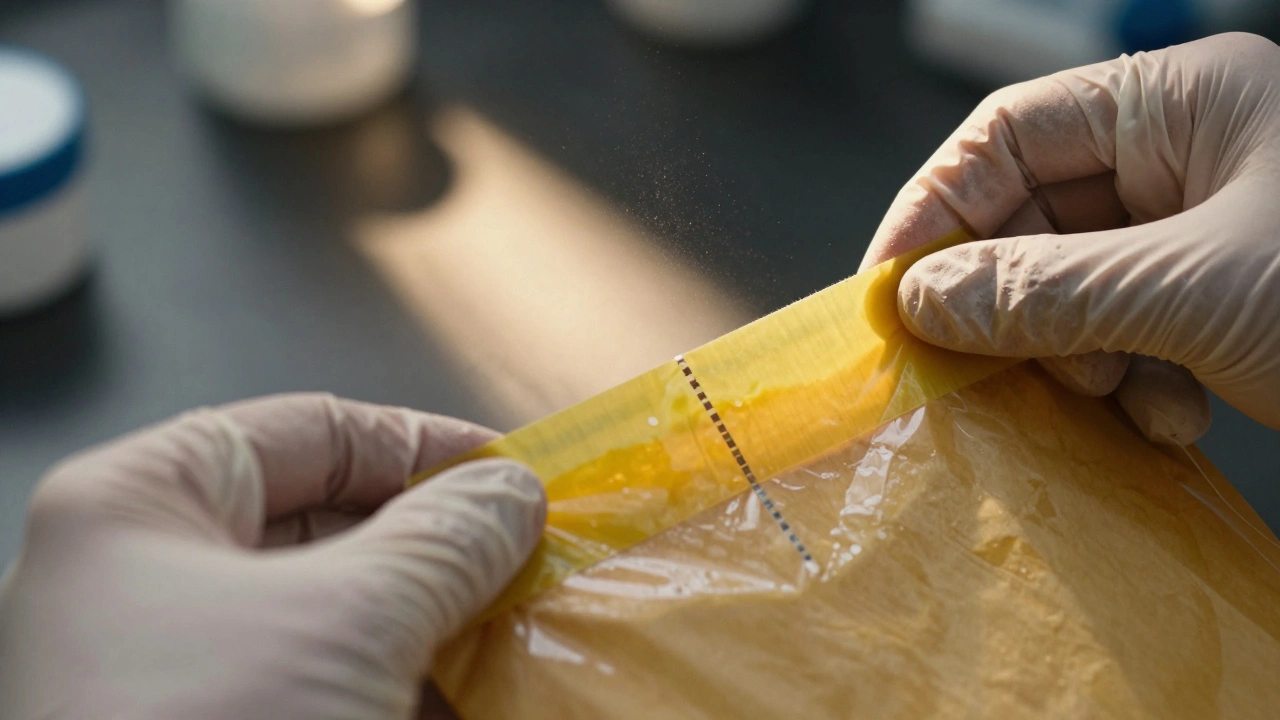
Things go missing. People make mistakes. Contamination is a silent killer of cases. If laboratory analysis reveals that DNA evidence was contaminated, it may be necessary to identify persons who have handled that evidence using chain of custody documentation. This is why the liability for the condition of evidence rests with everyone coming in contact with it. You cannot simply blame "someone else." If your shift had custody, you are responsible for its state when you hand it over.
Common risks include unmonitored access windows, poor labeling, and lack of environmental monitoring. Sometimes, evidence gets mixed up because the labels are illegible after five years. Another risk is the destruction of evidence before the statute of limitations expires. Some jurisdictions mandate specific retention periods based on the crime severity. If you destroy evidence too early due to space constraints, you could face civil lawsuits later. Proper audits help prevent these disasters.
Best Practices for Maintenance
Maintaining the system requires discipline. Regular audits are non-negotiable. You should verify that physical inventory matches digital records at least annually. Staff training is equally critical. New officers might not know that opening a sealed envelope requires a second witness and a new log entry. Without this training, good intentions still result in procedural errors.
Create a culture where questioning the chain is normal. If a clerk sees a damaged lock on a box, they should report it immediately rather than ignoring it. Communication breakdowns are often worse than hardware failures. Finally, keep backup copies of all logs. If your computer system crashes, you need a paper trail to restore the history of the evidence. The National Institute of Justice emphasizes that the process encompasses continuity of possession of evidence and its movement from discovery to court admission. Keep that flow unbroken.
Frequently Asked Questions
What happens if there is a break in the chain of custody?
A break in the chain means the prosecution cannot prove the evidence wasn't tampered with. Courts may exclude that evidence entirely, making it unusable for a trial. The credibility of the investigation is also questioned.
How long does evidence need to be kept?
Retention periods vary by jurisdiction and crime type. Felonies often require retention for life of the investigation plus several years, while minor offenses might have shorter statutory limits. Local laws dictate specific timelines.
Who is responsible for evidence during storage?
The evidence clerk or custodian currently assigned to the storage facility is responsible. However, liability extends to anyone who physically possessed the item during their shift. Continuous accountability is required.
Is a digital log sufficient for chain of custody?
A digital log is acceptable if it meets security standards, prevents unauthorized edits, and creates timestamps. However, having paper backups is recommended in case of system failure.
Can evidence be returned to civilian owners safely?
Yes, provided the case is closed and authorization is granted. This release must also be documented as the final "disposition" link in the chain to close the official record.